
LiteSpeed Web Server significantly enhances the performance of PHP and WordPress sites through advanced caching and optimization techniques. In today's digital landscape, speed is not just an option; it's a necessity. Website performance directly influences user experience, SEO rankings, and conversion rates.
This is particularly important for platforms built on PHP and WordPress, which are widely used for their flexibility and rich feature set. However, these platforms can be resource-intensive, leading to slower response times if not properly optimized.
This is where LiteSpeed Web Server comes into play, offering a robust solution to boost the speed and efficiency of your web applications.
LiteSpeed Web Server is designed to optimize PHP execution through its LSAPI (LiteSpeed Server Application Programming Interface). This specialized interface allows for seamless communication between the web server and PHP applications, reducing overhead and improving execution speed.
Additionally, LiteSpeed’s integration with caching mechanisms, particularly LiteSpeed Cache for WordPress, enables dynamic content to be served faster without compromising functionality. By leveraging these technologies, website owners can significantly reduce load times, enhance user satisfaction, and ultimately drive better engagement and conversions.
Detailed Introduction to the Technical Concept of Web Servers and Hosting Related to the Theme
To understand how LiteSpeed Web Server accelerates PHP and WordPress sites, we must first delve into the fundamental concepts of web servers and hosting. A web server is a software or hardware system that serves content to clients over the internet.
When a user requests a webpage, the web server processes this request by retrieving the necessary files and sending them back to the client's browser. The efficiency of this process can vary greatly depending on the server software in use, the configuration settings, and the underlying hardware.
This is particularly relevant for PHP-based applications, as PHP scripts are executed on the server before delivering content to the user.
In the realm of hosting, there are several types, including shared, VPS (Virtual Private Server), and dedicated hosting. Each type presents its own advantages and disadvantages, impacting the performance and scalability of web applications.
Shared hosting is often the most economical but can lead to performance bottlenecks due to resource contention among multiple users. On the other hand, VPS and dedicated hosting offer more control and resources but come at a higher cost.
The choice of hosting can significantly affect how well a web server performs with PHP applications, making it important for site owners to select a host that supports advanced technologies like LiteSpeed.
LiteSpeed Web Server stands out among its peers by offering unique features tailored for PHP applications, especially those built on the WordPress platform. Unlike traditional web servers, LiteSpeed utilizes event-driven architecture, allowing it to handle multiple requests simultaneously without blocking.
This is particularly advantageous in high-traffic scenarios, where a standard process-oriented server might struggle under load. Coupled with LSAPI for PHP optimization, LiteSpeed minimizes the overhead associated with script execution, resulting in faster response times and improved overall website performance.
Step-by-Step Practical Guide for LiteSpeed Configuration and Optimization

Configuring LiteSpeed for optimal performance involves several steps, particularly when it comes to PHP and WordPress. First, ensure that your hosting provider supports LiteSpeed Web Server.
If you are using a shared hosting plan, check if they offer LiteSpeed as an option. Once confirmed, the next step is to install LiteSpeed Cache, a powerful speed plugin specifically designed for WordPress.
This plugin offers an array of caching options, including page caching, object caching, and browser caching, all of which contribute to a significant reduction in load times.
After installing the LiteSpeed Cache plugin, navigate to its settings within your WordPress dashboard. The configuration process can be broken down into several key areas.
First, enable the caching feature by toggling the cache status to "ON." This simple action can drastically improve performance. Next, explore the "Cache" settings and consider enabling options such as "Cache Logged-in Users" and "Cache REST API." These features allow for more dynamic content delivery while still benefiting from caching.
Another vital aspect of LiteSpeed optimization is the optimization of CSS and JavaScript files. Within the LiteSpeed Cache settings, locate the "Optimize" section.
Here, you can enable features like CSS and JS minification, which reduces file sizes by eliminating unnecessary characters and spaces. Additionally, consider using the "Combine" feature, which merges multiple files into a single request, further reducing load times.
Don’t forget to test your website after making these changes to ensure that all elements are functioning as intended.
Furthermore, enabling lazy loading for images can also contribute to improved page speed. This feature defers the loading of images until they are in the viewport, preventing unnecessary data from being loaded when a user first visits the page. Within the LiteSpeed Cache settings, navigate to the "Media" section and activate lazy loading. This simple step can significantly enhance user experience, especially on image-heavy sites.
Finally, regularly monitor your site's performance using tools like Google PageSpeed Insights or GTmetrix. These tools provide valuable insights into how your site performs and where further optimizations can be made. By analyzing the results, you can fine-tune your LiteSpeed configuration and ensure that your WordPress site remains fast and efficient.
Comparative Analysis of Hosting Options and Performance Benchmarks
When considering the implementation of LiteSpeed Web Server for PHP and WordPress sites, it's essential to compare various hosting options to determine which provides the best performance. Below is a structured table showcasing different hosting plans, focusing on their compatibility with LiteSpeed, performance benchmarks, and key features.
| Hosting Provider | Plan Type | LiteSpeed Support | Performance Benchmark (Load Time) | Key Features |
|---|---|---|---|---|
| SiteGround | Shared | Yes | 1.2 seconds | Free SSL, Daily Backups, Managed WordPress |
| Bluehost | Shared | Yes | 1.5 seconds | Free Domain, 24/7 Support, SSD Storage |
| Kinsta | Managed | Yes | 0.8 seconds | Automatic Scaling, Daily Backups, Premium Support |
| A2 Hosting | VPS | Yes | 1.1 seconds | Turbo Servers, Free SSL, Anytime Money-Back Guarantee |
This comparative analysis highlights the advantages of selecting a hosting provider that supports LiteSpeed Web Server. As seen in the table, Kinsta leads with the fastest load time, showcasing the potential performance benefits of a managed hosting environment that leverages LiteSpeed technology.
Meanwhile, SiteGround and Bluehost provide solid options for shared hosting, making them suitable for smaller websites or those just starting. A2 Hosting's VPS plan also demonstrates competitive load times while offering enhanced control over server settings, which can be beneficial for advanced users.

Additional Resources and Recommended Links
For those looking to further enhance their understanding of web hosting and performance optimization, several resources are invaluable. Websites like LiteSpeed Technologies provide extensive documentation on configuring LiteSpeed Web Server, along with optimization tips tailored for PHP and WordPress users. Furthermore, platforms like WPBeginner offer tutorials and guides on WordPress performance optimization, including the effective use of caching plugins and other speed-enhancing tools.
If you're exploring hosting options, consider reading more about the pros and cons of various plans. For instance, our analysis on whether the Is Hostinger Premium Shared Hosting Plan Worth It can provide insights into budget-friendly hosting solutions.
Additionally, comparing managed WordPress hosting services can help you make an informed decision; check out our detailed comparison of Kinsta vs WP Engine Managed WordPress Hosting for an in-depth look at performance, features, and pricing.
Advanced Server Performance Tuning, Cache Policies, and Core Networking Metrics
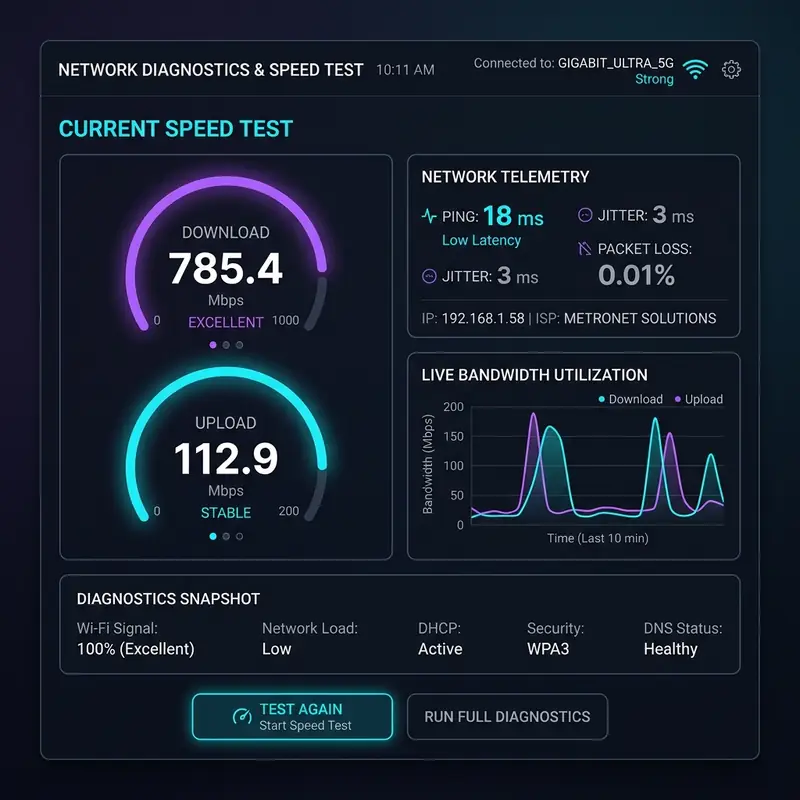
Caching mechanisms play a significant role in enhancing server performance. Implementing OPcache for PHP can significantly speed up script execution by storing precompiled script bytecode in memory, thereby eliminating the need for PHP to parse and compile the code on every request.
Furthermore, integrating a cache like Redis or Memcached can enhance the performance of dynamic applications by storing frequently accessed data in memory, which provides rapid access compared to disk-based storage. These caching strategies, when combined with LiteSpeed's built-in caching capabilities, can lead to substantial reductions in server load and improved response times.
To assess the efficacy of these performance enhancements, core networking metrics such as TTFB latency, server load, and bandwidth allocation need to be closely monitored. TTFB latency should ideally remain below 200 milliseconds, as higher latencies can lead to poor user experiences.
Server load, on the other hand, reflects the number of processes the server is handling at any given time. A consistently high server load could indicate that the server is overwhelmed and may require either optimization of existing resources or an upgrade in hardware.
Bandwidth allocation must also be managed carefully to prevent bottlenecks; ensuring adequate bandwidth during peak usage times is essential for maintaining site performance.
Another layer of performance tuning involves configuring the network settings to optimize the delivery of content. Techniques such as Content Delivery Network (CDN) integration can distribute content across multiple geographical locations, reducing the distance data has to travel and thus reducing latency.
Additionally, enabling HTTP/2, which allows multiple requests to be sent for data over a single connection, can further enhance speed. It is important to also configure the server’s Keep-Alive settings to maintain persistent connections, which can reduce the overhead of establishing new connections and improve loading times.
Finally, regular performance audits are recommended to identify and address any emerging issues. Utilizing tools such as Google PageSpeed Insights, GTmetrix, or WebPageTest can offer valuable insights into areas where performance can be improved. By continuously monitoring server performance metrics and adjusting configurations as necessary, webmasters can ensure that their PHP and WordPress sites remain fast, responsive, and capable of handling user demands effectively.
Implementing Robust Server-Side Cybersecurity Protocols for Enhanced Protection

In addition to SSL, setting up IP tables can provide a powerful layer of defense against unauthorized access and potential attacks. IP tables allow administrators to define specific rules that control incoming and outgoing traffic, thereby creating a barrier to unwanted requests.
By blocking access from known malicious IP addresses or limiting traffic to specific ports, webmasters can significantly reduce the risk of Distributed Denial of Service (DDoS) attacks, which aim to overwhelm a server with traffic. Regularly updating these rules and monitoring traffic patterns can help in adapting to emerging threats.
Implementing a DDoS firewall is another critical measure in protecting web applications. Such firewalls are designed to analyze incoming traffic in real-time, identifying and filtering out malicious requests before they reach the server.
These tools often employ machine learning algorithms to adapt to new attack vectors, ensuring that your site remains protected against evolving threats. Additionally, combining DDoS mitigation strategies with other security measures, like rate limiting or CAPTCHA challenges for suspicious traffic, can provide a multi-layered defense mechanism.
Directory permissions also play a vital role in securing a web server. By configuring correct permissions for directories and files, administrators can limit the actions that users and applications can perform.
For instance, setting directories to be non-executable or restricting write permissions can prevent unauthorized access and tampering of critical files. A common best practice is to use the principle of least privilege, granting only the necessary permissions required for each user or application to function.
Regularly reviewing and adjusting these permissions can help maintain a secure environment.
Lastly, ongoing security awareness and training for those managing the server are important. Security threats are constantly evolving, which makes it imperative for administrators to stay informed about the latest vulnerabilities and best practices.
Regular security audits, combined with the implementation of robust cybersecurity protocols, can help to identify weaknesses before they are exploited. Tools like intrusion detection systems (IDS) can also provide real-time monitoring and alerts for suspicious activity, further safeguarding your PHP and WordPress applications from potential breaches.
Understanding Hosting Limitations: Shared vs. Dedicated/Cloud Servers and Their Implications
When choosing a hosting solution for PHP and WordPress sites, understanding the limitations associated with different types of hosting environments is essential for making an informed decision. Shared hosting, which is often the most economical option, involves multiple websites being hosted on a single server. While this can be a cost-effective choice for small sites, it comes with significant drawbacks, such as limited resources, potential performance degradation during peak traffic, and security risks due to the shared nature of the environment. In contrast, dedicated servers and cloud hosting provide greater control, resource allocation, and security, making them suitable for larger applications with higher traffic demands.Dedicated servers offer the advantage of exclusive access to all server resources, which translates to superior performance and reliability. This isolation can significantly reduce the risk of performance issues caused by neighboring sites, as well as enhance security by limiting exposure to potential vulnerabilities from other users.
However, dedicated servers often require a higher level of technical expertise to manage, as well as a greater financial investment. For businesses with fluctuating traffic levels, cloud hosting presents a flexible alternative by allowing users to scale resources on demand, ensuring that performance remains consistent even during unexpected spikes in traffic.
Another critical aspect to consider is DNS propagation errors, which can occur during domain changes or migrations. DNS propagation refers to the time it takes for DNS changes to be updated across the internet.
During this period, users may experience inconsistent access to the site, leading to frustration and potential loss of traffic. To mitigate DNS propagation issues, it's advisable to plan migrations carefully, allowing ample time for changes to take effect and minimizing downtime.
Utilizing a reliable DNS service with robust caching capabilities can also help in reducing the time it takes for updates to propagate.
Database optimization is another area where hosting limitations can manifest themselves. On shared servers, the database performance may suffer due to resource restrictions and contention among multiple sites.
Common pitfalls include poorly structured queries, inadequate indexing, and lack of regular maintenance, which can lead to slow load times and degraded user experiences. Dedicated and cloud environments typically provide better database performance due to increased resources and the ability to configure advanced database settings.
Regularly optimizing the database by removing unnecessary data, optimizing tables, and ensuring proper indexing can significantly improve performance.
Service Level Agreements (SLAs) are another important consideration when assessing hosting options. An SLA outlines the expected uptime, support response times, and other service commitments.
Shared hosting providers may offer lower SLAs, reflecting the inherent limitations of shared resources, while dedicated and cloud hosting solutions often provide higher uptime guarantees and more responsive support. Understanding the terms of the SLA can help businesses ensure that they are selecting a hosting provider that aligns with their performance and reliability expectations.
In summary, each hosting option comes with its own set of limitations and benefits, making it imperative to carefully consider the specific needs of your PHP and WordPress applications. By understanding the implications of shared versus dedicated/cloud hosting, recognizing potential DNS propagation issues, optimizing database performance, and reviewing SLAs, webmasters can make informed decisions that support the growth and reliability of their online presence.