
Reseller hosting can be profitable in 2026 depending on market conditions and your business strategy. As the digital landscape continues to evolve, the demand for web hosting services remains robust. Reseller hosting, a model where individuals or businesses purchase hosting services and resell them under their own brand, is a viable business opportunity for many.
In 2026, the profitability of this venture will hinge on various factors including market competition, pricing strategies, and the ability to provide exceptional customer service. With the right knowledge and tools, one can establish a successful reseller hosting business that capitalizes on the growing need for online presence among individuals and businesses alike.
The concept of reseller hosting is rooted in the broader context of web hosting services. Web hosting is the backbone of the internet, as it provides the necessary infrastructure for websites to be accessed by users worldwide.
At its core, web hosting involves storing website files on servers that are connected to the internet, allowing users to access content through their browsers. As the internet continues to expand, with more businesses and individuals seeking to establish an online footprint, the demand for web hosting services has surged.
This demand has paved the way for various hosting models, including shared hosting, VPS (Virtual Private Server) hosting, dedicated hosting, and reseller hosting.
Reseller hosting specifically allows individuals or companies to act as intermediaries between hosting providers and end-users. A reseller purchases a bulk amount of hosting resources—such as disk space, bandwidth, and server power—from a parent hosting company and then sells these resources to customers, often bundled with additional services.
This model can be appealing for entrepreneurs looking to enter the web hosting market without the heavy investment typically associated with managing their own servers. By leveraging white label reseller hosting solutions, resellers can build their own brand and establish a customer base, all while enjoying profit margins that can be quite lucrative when managed correctly.
Detailed Introduction to the Technical Concept of Web Servers and Hosting
Understanding how web hosting works requires a grasp of several key technical concepts. At a fundamental level, a web server is a powerful computer designed to store and serve website files to users across the internet.
When a user types a website's URL into their browser, a request is sent to the web server that hosts that site. The server processes the request, retrieves the necessary files—such as HTML, CSS, and images—and sends them back to the user's browser, rendering the website for viewing.
This process is facilitated by various protocols, primarily HTTP (Hypertext Transfer Protocol) and HTTPS (HTTP Secure), which govern how data is transmitted over the internet.
In the context of reseller hosting, it is essential to understand the different types of hosting services that can be offered. Resellers typically have the ability to provide shared hosting, VPS hosting, or dedicated hosting. Shared hosting is the most common and cost-effective option, where multiple websites share resources on a single server.
This model is ideal for small businesses or personal websites that do not require extensive resources. VPS hosting offers a more robust solution by partitioning a physical server into multiple virtual servers, providing users with dedicated resources while still sharing the underlying hardware. This option caters to businesses with higher traffic or resource demands.
Dedicated hosting, on the other hand, allocates an entire server to a single customer, offering maximum performance and control, albeit at a higher cost.
When selecting a reseller hosting plan, it is important to consider server performance metrics such as uptime, latency, and bandwidth. Uptime is the amount of time the server remains operational and accessible, typically expressed as a percentage. A good hosting provider will guarantee a high uptime percentage, usually 99.9% or above.
Latency refers to the time it takes for data to travel from the server to the user's device; lower latency results in quicker page load times, significantly impacting user experience. Bandwidth determines how much data can be transferred between the server and users, affecting site performance during peak traffic times. Understanding these metrics can help resellers choose the right hosting package that not only meets their needs but also enhances the experience for their customers.
Step-by-Step Practical Guide to Reseller Hosting
Embarking on a reseller hosting venture involves several steps, each critical to establishing a successful business. The first step is to research and select a reputable parent hosting provider that offers reliable reseller hosting plans.
Look for providers that have a solid track record, good customer support, and favorable terms regarding pricing and resource allocation. Consider factors such as the variety of hosting packages available, the level of technical support, and the ability to white label services, which allows you to brand hosting packages under your name.
Once you’ve chosen a parent hosting provider, the next step is to set up your reseller account. This process typically involves creating an account on the provider's platform, selecting a hosting plan that suits your business needs, and configuring the necessary settings.
The configuration may include customizing your control panel, which allows you to manage your customers' accounts, billing, and support services. Many providers use WHM (Web Host Manager) and cPanel, which are industry-standard tools for managing hosting accounts and provide an intuitive interface for both resellers and end-users.
After setting up your account, it’s time to define your pricing structure and marketing strategy. Determine how much you will charge for your hosting services, keeping in mind your cost of acquisition from the parent provider. It’s essential to offer competitive pricing while ensuring that your margins remain profitable.
Consider bundling additional services—such as domain registration, SSL certificates, or website builder tools—to attract customers. Marketing your hosting services effectively is important; utilize social media, search engine optimization (SEO), and online advertising to reach potential customers. Establishing a brand identity through a well-designed website and engaging content can significantly enhance your visibility in the marketplace.

Comparative Table of Reseller Hosting Plans
When evaluating reseller hosting options, it is beneficial to compare various plans based on key features and pricing. Below is a structured comparison table that outlines the essential aspects of different reseller hosting plans available in the market.
| Hosting Provider | Plan Type | Disk Space | Bandwidth | Price (per month) | Support |
|---|---|---|---|---|---|
| HostGator | Standard Reseller | 60 GB | 600 GB | $19.95 | 24/7 Chat & Phone |
| Bluehost | Advanced Reseller | 80 GB | 800 GB | $29.99 | 24/7 Live Support |
| SiteGround | Premium Reseller | 100 GB | 1 TB | $49.99 | 24/7 Ticketing & Phone |
This table provides a snapshot of some popular reseller hosting options, highlighting essential features such as disk space, bandwidth limits, pricing, and support channels. Each hosting provider presents unique benefits and limitations, making it critical for potential resellers to assess which plan best aligns with their business objectives.
For instance, while HostGator offers a more budget-friendly option, SiteGround provides a higher disk space limit and robust customer support, which may justify the price difference for some users. Ultimately, the choice will depend on individual needs, customer expectations, and the desired profit margins.

Additional Resources and Recommended Links
For those interested in diving deeper into the world of reseller hosting, numerous resources are available to help you navigate this business model effectively. Websites like HostingAdvice offer comprehensive reviews and comparisons of hosting providers, while forums such as Web Hosting Talk provide community insights and user experiences.
Additionally, consider exploring articles on website optimization and marketing strategies to enhance your reseller business. For detailed guidance, you can also check our posts on Best Reseller Hosting Plans with cPanel and WHM and How to Setup Linux Ubuntu VPS as a Secure Web Server.
Advanced Server Performance Tuning, Cache Policies, and Core Networking Metrics
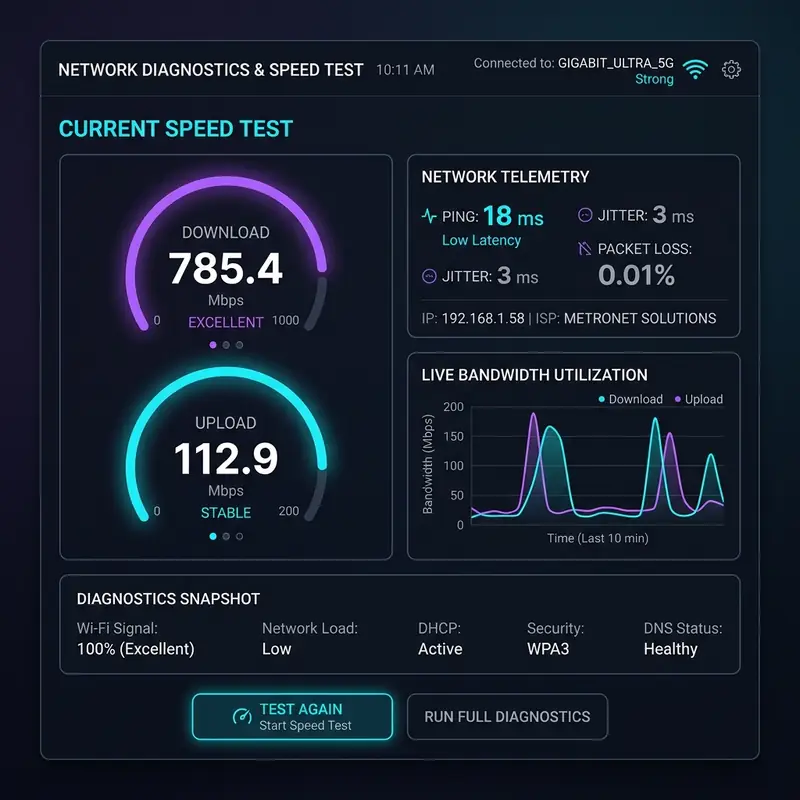
In addition to caching, understanding core networking metrics such as Time to First Byte (TTFB) latency, server load, and bandwidth allocation is fundamental in the quest for optimal server performance. TTFB measures the time taken for the server to send the first byte of data after a client makes a request.
A high TTFB can indicate server overload or inefficient routing, which can degrade user experience. Monitoring server load helps identify when resources are being pushed to their limits, allowing for proactive measures to be taken before performance issues arise.
Bandwidth allocation is equally important; servers must manage data transfer rates effectively to ensure that all users receive a consistent experience without significant delays.
Another key aspect of performance tuning is the optimization of database queries. Unoptimized queries can lead to increased load times and server strain, particularly in reseller hosting environments where multiple clients share resources.
Techniques such as indexing, query caching, and optimizing table structures can dramatically improve database response times. Additionally, implementing connection pooling can help manage multiple connections efficiently, reducing the time spent establishing new connections and allowing for better resource management.
Load balancing is an additional strategy that can enhance server performance by distributing traffic across multiple servers or resources. This not only prevents any single server from being overwhelmed but also increases redundancy and availability. By setting up a load balancer, reseller hosts can ensure that user requests are routed to the least busy server, which helps maintain optimal performance during peak traffic times.
Lastly, regular monitoring and analysis of server performance through tools like New Relic or Google Analytics can provide valuable insights into how well the server is functioning. By continuously evaluating performance metrics, reseller hosts can identify trends, pinpoint issues, and implement improvements over time, ensuring that the hosting environment remains efficient and responsive to user needs.
Server-Side Cybersecurity Protocols: Protecting Your Hosting Environment

Another essential component of server security is the configuration of IP tables, which act as a firewall for the server. IP tables allow administrators to define rules for controlling incoming and outgoing traffic, effectively blocking unauthorized access to the server.
By setting up these rules carefully, reseller hosts can protect their systems from a variety of attacks, including brute force and DDoS (Distributed Denial of Service) attacks. Implementing a DDoS firewall can provide an additional layer of protection, safeguarding the server against traffic overloads caused by malicious actors attempting to disrupt services or steal data.
Directory permissions are another critical factor in maintaining server security. By configuring directory permissions correctly, hosts can control which users have access to certain files and directories on the server. This minimizes the risk of unauthorized access and potential exploitation of vulnerabilities. Reseller hosts should regularly audit these permissions and ensure that only necessary personnel have access to sensitive areas of the server.
In addition to these measures, regular software updates and patch management are important for maintaining a secure hosting environment. Outdated software can become a significant vulnerability as attackers often exploit known flaws in older versions. By keeping all server software, including operating systems and applications, up to date, resellers can close security gaps that could otherwise be exploited.
Finally, developing an incident response plan is vital for any hosting provider. This plan should outline the steps to take in the event of a security breach, including how to communicate with affected clients, remediate the breach, and prevent future occurrences. By being proactive and prepared, reseller hosts can minimize the impact of any security incidents on their operations and maintain client trust.
Understanding Hosting Limitations: Shared Servers, DNS Issues, and SLA Implications
In the world of web hosting, understanding the limitations of different hosting environments is critical for both resellers and their clients. The distinction between shared servers and dedicated or cloud machines plays a significant role in performance and reliability. Shared hosting, while cost-effective, often comes with limited resources that can lead to performance bottlenecks, particularly when one or more sites on the server experience spikes in traffic. This can result in slower load times and potentially lead to downtime, negatively impacting the user experience. On the other hand, dedicated servers and cloud hosting solutions provide more resources and flexibility, allowing for better performance and scalability, particularly for businesses that anticipate growth.Another common issue that can arise in shared hosting environments is DNS propagation errors. When a domain is registered or its DNS settings are changed, it can take time for those changes to propagate across the internet.
During this time, users may encounter inconsistent behavior, such as being directed to the old server or experiencing downtime. Reseller hosts need to communicate the potential for DNS propagation delays to their clients and provide guidance on best practices for minimizing disruptions during DNS changes.
Database optimization is another area where reseller hosting can face limitations. Inadequately optimized databases can lead to slow query performance, which can be exacerbated in shared hosting situations where resources are limited. Resellers should encourage their clients to regularly optimize databases through indexing, removing unnecessary data, and implementing efficient query structures to enhance performance. Additionally, resellers should provide tools or support for database management, ensuring clients can maintain optimal performance.
Service Level Agreements (SLAs) are also a critical consideration when discussing hosting limitations. An SLA outlines the level of service a client can expect, including uptime guarantees, support response times, and maintenance schedules.
Reseller hosts must clearly define their SLAs to set realistic expectations for their clients. It’s important to ensure that the SLA aligns with the capabilities of the hosting environment, particularly in shared hosting scenarios where resource contention can impact performance.
In summary, understanding the limitations of different hosting solutions is vital for resellers and their clients. By clearly communicating these limitations and providing guidance on best practices, resellers can help their clients make informed decisions that align with their business needs, ultimately leading to a more successful hosting experience.