![Best Reseller Hosting Plans with cPanel and WHM [Review]](https://umoaupsqhrhivceztycp.supabase.co/storage/v1/object/public/media/posts/wifi-office.webp)
The best reseller hosting plans with cPanel and WHM offer a blend of flexibility, tools, and support for web professionals. Reseller hosting has emerged as a lucrative business model for individuals and companies looking to provide web hosting services under their own brand. By leveraging powerful hosting platforms like cPanel and WHM (WebHost Manager), resellers can create personalized hosting experiences tailored to their customers' needs.
This not only enhances customer satisfaction but also establishes a professional presence in the competitive hosting market.
In this blog post, we will delve into the intricacies of reseller hosting, focusing specifically on the benefits of using cPanel and WHM. We'll explore various hosting plans available in the market, providing you with comprehensive reviews to help you make an informed decision.
Additionally, we will walk you through a practical troubleshooting guide, ensuring you have the tools and knowledge to address any challenges you may face while managing your reseller hosting setup.
Understanding Web Servers and Hosting
The foundation of the web is built on web servers and hosting solutions that facilitate the storage, processing, and delivery of websites. Web servers are specialized computers that store web files, such as HTML documents, images, and scripts, and send them to users' browsers upon request. Hosting, on the other hand, refers to the service that allows individuals and organizations to make their websites accessible via the internet. A robust hosting solution ensures that a website is not only available but also performs efficiently under varying traffic loads.When it comes to reseller hosting, the situation becomes slightly more intricate. A reseller hosting plan allows individuals or businesses to purchase hosting space from a larger provider and resell it to their clients.
This model is particularly advantageous for entrepreneurs who want to create their own hosting brand without the overhead costs of maintaining physical servers. With the integration of cPanel and WHM, resellers gain access to powerful tools that simplify account management, billing, and technical support, making it easier to serve their clients effectively.
In the context of reseller hosting, cPanel is the control panel that provides a graphical interface for managing individual hosting accounts. It allows resellers to offer their clients easy access to essential features such as email setup, file management, and domain management.
WHM, on the other hand, serves as the administrative interface for resellers, enabling them to create and manage multiple cPanel accounts, monitor server performance, and configure server settings. Together, these tools create a seamless experience for both resellers and their customers, allowing for scalable operations and enhanced service delivery.
Step-by-Step Troubleshooting Guide for Reseller Hosting
When managing a reseller hosting environment, you may encounter a range of technical issues that require prompt attention. Here, we provide a detailed troubleshooting guide designed to help you navigate common challenges effectively. First and foremost, it's important to maintain a systematic approach to troubleshooting. Begin by identifying the specific issue your client is facing, whether it's related to account access, website downtime, or email configuration. Documenting the problem accurately will streamline the resolution process.Once the issue is identified, the next step is to access the WHM interface. Log in using your administrative credentials, and navigate to the "Account Functions" section.
Here, you can review the list of accounts and check for any that may be suspended or have exceeded their resource limits. If an account is suspended, you can quickly reactivate it by selecting the account and clicking on the “Unsuspend” button.
This simple action could resolve many access-related issues that your clients may face.
If the problem persists, consider checking server resource usage. In WHM, you can monitor CPU, RAM, and disk space utilization under the "Server Status" menu. High resource usage may indicate a need for optimization or an upgrade to a more robust hosting plan.
Additionally, it's essential to ensure that all services are running smoothly. Under the "Service Status" menu, you can verify the status of critical services like Apache, MySQL, and DNS. If any service is down, restarting it can often resolve the issue.

Furthermore, if clients report issues with their websites not loading, it's vital to check if their domains are correctly pointed to your hosting server. This can be done by verifying DNS settings in the WHM interface.
If any discrepancies are identified, you can help your clients update their DNS records. Another common issue arises from email configuration.
If clients are unable to send or receive emails, ensure that their email accounts are set up correctly in cPanel and that DNS records include the necessary MX entries.
Lastly, always encourage your clients to clear their browser cache or try accessing their websites from different browsers or devices. This simple step can often resolve issues that may appear to be hosting-related but are actually due to local caching problems on the client’s end.
By following these troubleshooting steps, you can ensure that your clients receive timely support, which is important for maintaining a positive relationship and fostering loyalty in your reseller hosting business.
Comparative Table of Reseller Hosting Plans
In evaluating various reseller hosting plans, it's essential to compare their features, pricing, and support options. Below is a structured table that highlights some of the best options available in the market, providing benchmarks to guide your decision-making process.| Provider | Plan Name | Storage | Bandwidth | cPanel Accounts | Support | Price/Month |
|---|---|---|---|---|---|---|
| HostGator | Reseller Starter | 60 GB | 600 GB | 30 | 24/7 Live Chat | $19.95 |
| Bluehost | Reseller Plus | 100 GB | 1 TB | 60 | 24/7 Phone Support | $29.99 |
| InMotion Hosting | Reseller Launch | 80 GB | 800 GB | 50 | 24/7 Support | $27.99 |
| A2 Hosting | Reseller Turbo | 100 GB | 1 TB | Unlimited | 24/7 Guru Support | $49.99 |
The comparison table above offers a snapshot of the leading reseller hosting plans on the market. Each provider offers unique features that may cater to different business needs, from storage capacity to support options.
HostGator, for instance, is known for its affordability and reliable customer support, making it an excellent choice for new resellers. On the other hand, A2 Hosting stands out with its high-performance Turbo plan, ideal for those who prioritize speed and resource availability.
When selecting a reseller hosting plan, consider your business objectives and your clients’ requirements. Evaluating aspects like server uptime, customer support responsiveness, and additional features such as white label branding will help you find the right fit. Remember, the goal is to create a seamless experience for your clients while establishing a profitable hosting business.

Additional Resources and Recommended Links
For those looking to further expand their knowledge and expertise in reseller hosting, we have compiled a list of valuable resources and links. These resources cover a range of topics including hosting setup, management, and billing solutions that can enhance your reseller business. For an in-depth understanding of how the reseller hosting model works, you can read our article on How Reseller Hosting Works: Is It Still Profitable. If you are interested in exploring control panels, be sure to check out our post on the Best Free Web Hosting Control Panels for Linux VPS. These links will provide you with insights into optimizing your hosting services and enhancing customer satisfaction.Advanced Server Performance Tuning: Cache Policies and Core Networking Metrics
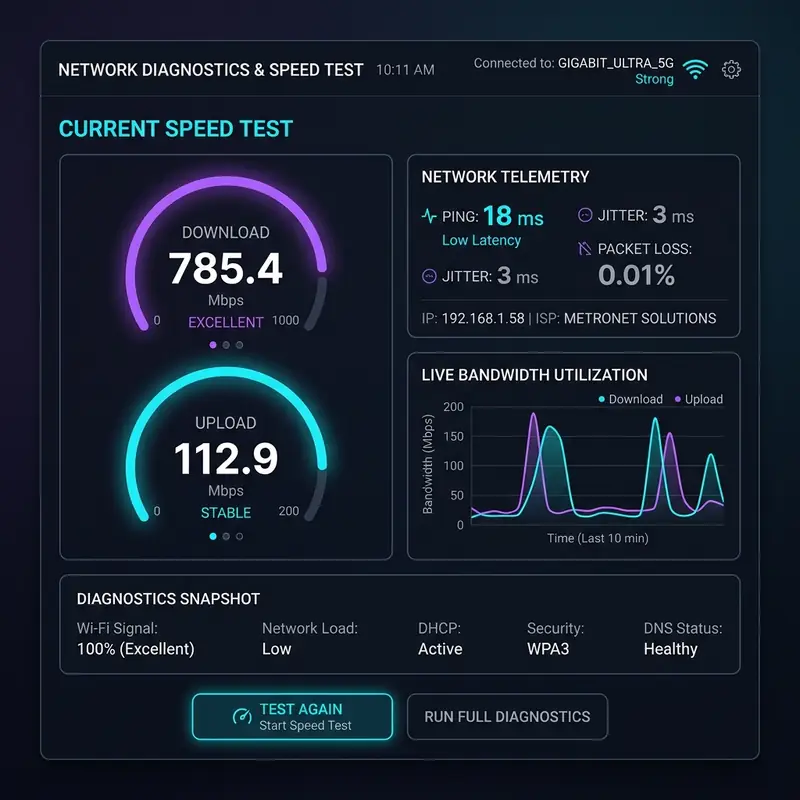
In addition to caching, understanding core networking metrics is vital for assessing server performance. Time To First Byte (TTFB) is a critical metric that measures the duration from the initial request to the first byte of data received by the client. A lower TTFB indicates a more efficient server response, which can lead to improved page load times and better search engine rankings.
Monitoring server load is equally important; it reflects how much work a server is doing at a given time. High server load can lead to performance bottlenecks, causing slow response times and potentially leading to downtime. Effective load balancing and resource allocation are essential for maintaining optimal server performance.
Bandwidth allocation also plays a significant role in server performance. Proper management of bandwidth can help ensure that all clients receive adequate resources without overwhelming the server.
This involves not only analyzing traffic patterns but also understanding the peak usage times for each client. By implementing Quality of Service (QoS) policies, hosts can prioritize critical traffic, ensuring that essential services remain operational even during high-demand periods.
This proactive approach to bandwidth management not only enhances the user experience but also protects the server from potential overload scenarios.
Another aspect of performance tuning involves configuring the web server software for optimal operation. Whether using Apache, Nginx, or LiteSpeed, each server type comes with its own set of tuning parameters that can drastically affect performance.
For example, adjusting the KeepAlive settings in Apache can improve connection persistence, reducing the overhead of establishing new connections. Similarly, configuring worker processes in Nginx can optimize how requests are handled, allowing the server to manage more concurrent connections effectively.
Lastly, regular performance monitoring is important for continued optimization. Utilizing tools like New Relic or Google PageSpeed Insights allows hosting providers to analyze their server’s performance metrics continuously. These tools can help identify bottlenecks and areas for improvement, enabling proactive adjustments before issues escalate. By maintaining a holistic view of server performance, providers can ensure that their reseller hosting plans remain competitive and reliable.
Implementing Server-Side Cybersecurity Protocols for Reseller Hosting

Beyond SSL, the use of IP tables is another essential security measure for managing network traffic. IP tables allow administrators to set rules that control incoming and outgoing traffic, effectively creating a firewall at the server level.
By defining specific rules based on IP addresses or port numbers, hosts can protect their servers from unauthorized access and mitigate various types of attacks, including brute force and denial-of-service (DoS) attacks. Regular audits of IP tables are necessary to adapt to evolving security threats and ensure that only legitimate traffic is allowed.
DDoS (Distributed Denial of Service) attacks pose a significant threat to any online service, and reseller hosting is no exception. Implementing a DDoS firewall can provide an additional layer of protection by filtering out malicious traffic before it reaches the server.
These firewalls use various techniques, such as rate limiting and traffic analysis, to identify and block potentially harmful requests. For reseller hosting providers, having a DDoS protection mechanism in place is critical not only for maintaining uptime but also for instilling confidence in clients regarding the security of their hosted sites.
Directory permissions are another critical aspect of server-side security. Misconfigured permissions can expose sensitive files and directories, making them vulnerable to unauthorized access. It's essential to implement the principle of least privilege, ensuring that users and applications have only the permissions necessary to perform their functions. Regularly reviewing and adjusting these permissions can help mitigate the risks associated with file exposure and potential data breaches.
Finally, ongoing education and awareness about cybersecurity threats are vital for both hosting providers and their clients. Regular training sessions, security audits, and updates on the latest security practices can empower everyone involved to recognize and respond to potential threats effectively. By fostering a culture of security, reseller hosting providers can enhance their overall security posture and better protect their clients' websites.
Understanding Hosting Limitations: Shared Servers vs. Dedicated and Cloud Machines
When selecting a hosting plan, understanding the inherent limitations of different server types is essential for making an informed decision. Shared servers, which host multiple websites on a single physical server, often come with resource constraints that can impact performance. While they are cost-effective, the shared nature of these servers means that high traffic on one site can lead to slow loading times or downtime for others. This is particularly problematic for resellers who manage multiple client sites, as any performance issues on shared servers can directly affect their reputation and client satisfaction.In contrast, dedicated servers provide exclusive access to all server resources. This means resellers can manage traffic loads more effectively without worrying about the performance impact of other clients.
However, dedicated servers come at a higher price point and require more technical expertise to manage. It's critical for resellers to weigh the benefits of performance and reliability against their budget and technical capabilities when considering dedicated options.
Additionally, the scalability of dedicated servers can be limited; upgrading hardware often requires physical changes that can lead to downtime, which is a significant consideration for mission-critical applications.
Cloud hosting represents a hybrid solution that offers the flexibility of dedicated resources along with the scalability of shared hosting. With cloud machines, resources can be dynamically allocated based on current demand, allowing for seamless scaling during traffic spikes.
However, resellers must be aware of potential pitfalls, such as the complexity of managing multiple virtual machines and the variability in costs associated with resource usage. Understanding the pricing model is important to prevent unexpected charges that can arise from higher-than-anticipated resource consumption.
DNS propagation errors can also complicate the hosting experience, especially for resellers managing multiple domains for clients. When DNS changes are made, such as updating nameservers or DNS records, it can take time for these changes to propagate across the internet.
During this period, clients may experience inconsistent accessibility to their websites. Resellers need to educate their clients about this phenomenon and plan DNS changes during low-traffic periods to minimize disruption.
Database optimization is another area where resellers must tread carefully. While optimizing databases can improve performance, there are traps that can lead to unintended consequences, such as data loss or corruption.
Resellers should have a clear understanding of their database management systems and ensure they are backing up data regularly before making significant changes. Furthermore, understanding the impact of database queries on performance can help in designing efficient data structures that enhance website responsiveness.
Service Level Agreements (SLAs) are a critical component of reseller hosting. Understanding the terms and conditions of SLAs can help resellers set realistic expectations with their clients regarding uptime and support.
An SLA that guarantees a specific level of uptime can provide peace of mind, but it’s equally important to understand the penalties and remedies in case of non-compliance. This knowledge empowers resellers to make informed choices about their hosting providers and ensures they can deliver reliable services to their own clients.