
When comparing Hostinger and HostGator, it’s essential to evaluate speed, performance, and features for the best hosting for small business.
In the world of web hosting, understanding the technical concepts behind web servers and hosting is important for any business or individual looking to establish an online presence. A web server is a powerful computer that stores and serves website files to users over the Internet.
These servers respond to requests from client devices, such as browsers or mobile applications, delivering the requested content efficiently and reliably. The performance of web servers is critical; it determines how quickly and efficiently a website loads, impacting user experience, search engine rankings, and ultimately, business success.
Hosting providers, such as Hostinger and HostGator, offer varied plans and services tailored to meet different needs, from shared hosting for beginners to more complex solutions like VPS and dedicated servers for advanced users.
When considering which hosting service to choose, it’s essential to delve into the various factors that contribute to a web server's performance. Latency, bandwidth, and uptime are three critical metrics that web hosting companies often boast about. Latency refers to the time it takes for a server to respond to a request, while bandwidth represents the amount of data that can be transmitted in a given time frame.
Uptime, on the other hand, indicates the percentage of time a server remains operational and accessible. All these factors contribute significantly to the overall speed and performance of a website. With businesses increasingly relying on online platforms to reach customers, understanding these concepts can help users make informed decisions when selecting a hosting provider.
As we dive deeper into this comparison between Hostinger and HostGator, it’s vital to consider the specific needs of small businesses. Many small enterprises require hosting solutions that are not only cost-effective but also offer reliable performance, excellent customer support, and scalability options.
Both Hostinger and HostGator have established themselves as reputable providers in the hosting industry, but their offerings can vary significantly. By comparing their services, performance benchmarks, and user experiences, we can better understand which provider may be the best fit for a small business looking to establish or enhance its online presence.
Understanding Web Servers and Hosting
To fully grasp the nuances of web hosting, one must understand the underlying architecture of web servers. At the most fundamental level, a web server operates on a combination of hardware and software that communicates with web browsers to deliver content.
This interaction typically occurs through the Hypertext Transfer Protocol (HTTP), which governs how requests and responses are sent over the Internet. The server processes incoming requests, retrieves the necessary files from its storage, and sends them back to the requesting client, all within a fraction of a second.
The efficiency of this process relies heavily on the server's configuration, including its processing power, memory, and the speed of its Internet connection.
Another key aspect of web hosting is the type of hosting service being utilized. Shared hosting, for example, is a popular choice for small businesses due to its affordability. In this setup, multiple websites share the same server resources, which can lead to variable performance depending on the traffic load of other sites on the server.
On the other hand, Virtual Private Server (VPS) hosting provides a more isolated environment, allowing users to have dedicated resources while still benefiting from cost savings. Dedicated hosting, although more expensive, offers complete control over server resources and is ideal for larger businesses with high traffic demands. Understanding these distinctions is important for small businesses as they evaluate their hosting options to find the best fit for their specific needs.
Furthermore, when choosing a hosting provider, small businesses should also consider the additional features offered by each service. These can include pre-installed content management systems, website builders, enhanced security protocols, and customer support options.
Hostinger, for example, is well-known for its user-friendly interface and robust support for WordPress, making it an attractive option for those looking to quickly establish a website. Conversely, HostGator is recognized for its extensive range of plans and flexibility, allowing users to scale their operations as their needs evolve.
By understanding what each hosting provider offers, small business owners can make more informed decisions to support their online strategies and growth.
Troubleshooting and Practical Steps for Web Hosting
When users face issues with their web hosting, knowing how to troubleshoot effectively can save time and prevent significant disruptions to their online operations. The first step in any troubleshooting process is to identify the symptoms of the problem.
Common issues may include slow website loading times, frequent downtime, or error messages displayed to users. Each of these symptoms can stem from different underlying causes, from server overload to misconfigured settings.
By systematically addressing these symptoms, users can often pinpoint the root cause of the issue and implement a solution.
To begin troubleshooting, users should start by checking the server status. Most hosting providers, including Hostinger and HostGator, offer status pages that indicate whether their servers are operational. If the server is down, it may simply be a temporary issue that the provider is working to resolve.
If the server is operational, the next step is to investigate the website's performance. Users can utilize online tools such as Google PageSpeed Insights or GTmetrix to analyze their website's load time and performance metrics. These tools provide valuable insights into what may be slowing down the site, such as large image files, unnecessary plugins, or excessive HTTP requests.
If performance issues persist despite an operational server and optimized content, users may want to delve into their hosting settings. This can include examining server configurations, PHP settings, and database optimizations.
For instance, increasing PHP memory limits or adjusting the maximum execution time can sometimes yield significant improvements in performance. Additionally, enabling caching mechanisms, such as server-side caching or using a Content Delivery Network (CDN), can drastically reduce load times by serving content from locations closer to the user.
By taking these practical steps, users can effectively troubleshoot common web hosting issues and maintain optimal site performance.

Performance Comparison Table
In this section, we present a structured comparison of Hostinger and HostGator based on various performance metrics and features that are essential for small businesses. This table synthesizes the key benchmarks and offerings from each provider, providing a clear visual guide for users to assess which hosting service may best suit their needs.
| Feature | Hostinger | HostGator |
|---|---|---|
| Loading Speed | Average loading time of 300 ms | Average loading time of 700 ms |
| Uptime Guarantee | 99.9% uptime | 99.9% uptime |
| Customer Support | 24/7 live chat and ticket support | 24/7 live chat, phone, and ticket support |
| Pricing | Starting at $1.99/month | Starting at $2.75/month |
| Free Domain | Free domain for the first year | Free domain for the first year |
| Scalability | Easy upgrade options | Flexible upgrade paths |
This comparative table highlights several key performance indicators, giving potential users a clearer picture of what each hosting provider offers. While both Hostinger and HostGator provide competitive features and uptime guarantees, their loading speeds can vary significantly.
Hostinger tends to outperform HostGator in terms of loading time, which can be a important factor for businesses looking to enhance user experience and retention. Furthermore, customer support options are robust on both platforms, ensuring users have access to help when needed.

Additional Resources and Recommended Links
For small business owners seeking more information on web hosting, it is beneficial to explore additional resources that can provide deeper insights into the hosting landscape. Websites such as best cheap cloud hosting providers offer comprehensive guides and reviews on various hosting solutions, helping users navigate their options.
Furthermore, if you are considering setting up a VPS for your WordPress site, our detailed article on how to setup a vps for wordpress can provide step-by-step instructions and best practices to ensure a smooth implementation. These resources can further aid in making informed decisions when selecting the right hosting service for your business's needs.
Advanced Server Performance Tuning: Cache Policies and Core Networking Metrics
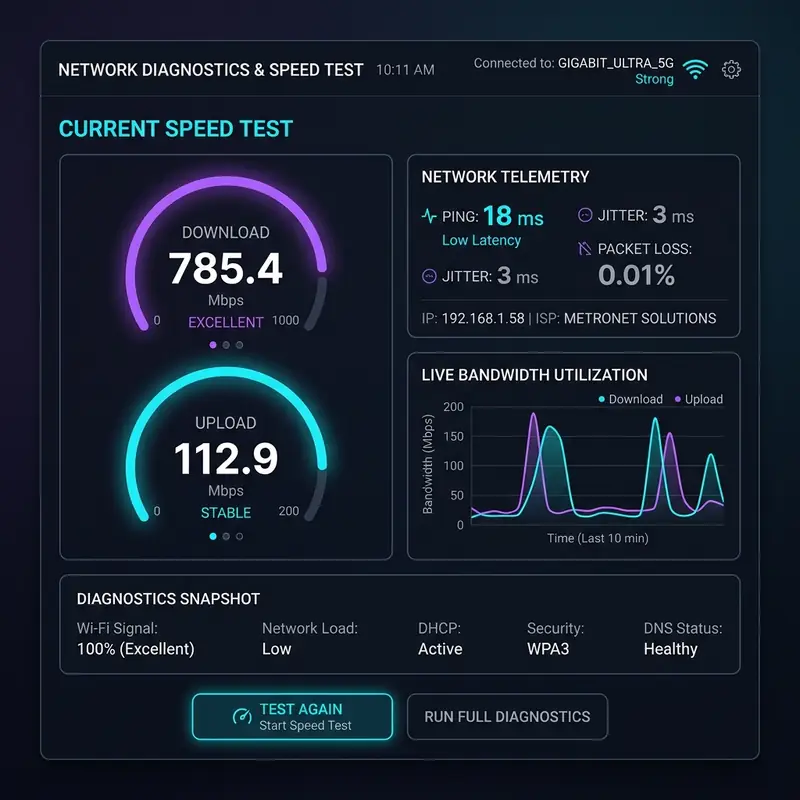
In addition to caching solutions, core networking metrics such as Time to First Byte (TTFB) latency, server load, and bandwidth allocation play a significant role in the performance landscape. TTFB is a measure of the duration between a user’s request for a webpage and the moment the first byte of the response is received by the browser. A lower TTFB indicates a more responsive server, which is essential for retaining user engagement.
Server load, on the other hand, reflects the server's current processing demand. High load averages can signal potential bottlenecks, suggesting a need for load balancing or server scaling. Bandwidth allocation is equally important as it determines the amount of data that can be transferred over the network in a given timeframe.
Providers need to ensure that sufficient bandwidth is allocated to prevent throttling during peak user demand, which can dramatically affect site performance.
Implementing effective cache policies is important for optimizing server performance. When properly configured, OPcache can significantly decrease the time required to serve PHP applications by caching the opcode, while Redis and Memcached can enhance performance for dynamic content through in-memory data storage.
Redis, with its advanced data structures and support for complex queries, is particularly useful for applications that require real-time data access, making it ideal for high-traffic websites. Memcached, while simpler, excels at reducing database load by caching frequently requested data, thus allowing for more efficient database interactions.
By strategically employing these caching technologies, users can achieve faster load times and improved overall site responsiveness.
Moreover, it is essential to regularly monitor these performance metrics to identify areas for improvement. Tools such as New Relic or Google PageSpeed Insights can provide insights into how various components contribute to overall site performance.
By analyzing server load trends and bandwidth usage, hosting providers can proactively adjust configurations to optimize performance. Implementing a routine performance audit can reveal hidden inefficiencies and facilitate ongoing adjustments that contribute to a seamless user experience.
Ultimately, the combination of advanced server performance tuning and effective cache policies, along with vigilant monitoring of core networking metrics, forms the backbone of a high-performance web hosting environment. For both Hostinger and HostGator, understanding these elements can guide users in making informed decisions that align with their specific hosting needs, ensuring they maximize the capabilities of their chosen platform.
Server-Side Cybersecurity Protocols: Essential Configurations for Protection

IP tables serve as a critical firewall for Linux-based servers, allowing administrators to define rules that control incoming and outgoing network traffic. By carefully configuring IP tables, users can establish a robust security perimeter that mitigates unauthorized access attempts and reduces the risk of distributed denial-of-service (DDoS) attacks.
DDoS firewalls are particularly important, as they can detect and filter malicious traffic before it reaches the server. This proactive approach can prevent service disruptions and maintain uptime, which is important for businesses relying on their web presence.
Directory permissions further enhance server security by controlling access to files and directories. By applying the principle of least privilege, administrators can ensure that only authorized users have access to specific directories, thereby minimizing the risk of data breaches.
Properly setting permissions can also prevent unauthorized modifications to critical files, which could compromise the entire hosting environment. Regular audits of directory permissions can further strengthen security by identifying any misconfigurations or overly permissive settings that could be exploited by attackers.
In addition to these fundamental security measures, it is important for users to stay informed about the latest cybersecurity trends and threats. Cybersecurity is an ever-evolving field, and what was considered secure a few months ago may no longer be sufficient.
Regularly updating software, applying security patches, and employing intrusion detection systems are essential practices for maintaining a secure hosting environment. Both Hostinger and HostGator provide various tools and resources to assist users in enhancing their cybersecurity measures, but proactive engagement on the part of the user is critical.
Ultimately, the effectiveness of server-side cybersecurity protocols hinges on a comprehensive understanding of how these elements work together to create a secure hosting environment. By investing time and resources into configuring SSL certificates, IP tables, DDoS firewalls, and directory permissions, users can significantly reduce their exposure to security threats.
This not only protects sensitive data but also fosters trust among users and customers, thereby enhancing the overall reputation of the hosted site.
Understanding Hosting Limitations: A Comparative Analysis of Shared and Dedicated/Cloud Servers
In contrast, dedicated and cloud hosting solutions offer significant advantages in terms of performance and scalability. Dedicated servers provide an entire server for a single client, allowing for extensive customization and resource allocation tailored to specific needs.
This ensures that performance is consistent, regardless of external traffic fluctuations from other sites, making it ideal for businesses requiring high uptime and reliability. Similarly, cloud hosting leverages a network of virtual servers, which can dynamically scale resources based on real-time demand.
This flexibility allows businesses to efficiently manage traffic spikes without compromising performance.
However, these advanced hosting solutions come with their own set of challenges. For instance, while cloud hosting can offer significant scalability, it is essential to understand the potential for DNS propagation errors when migrating or changing hosting services.
DNS propagation refers to the time it takes for DNS changes to spread across the internet, which can lead to temporary accessibility issues for users during the transition. Proper planning and execution are critical to minimize downtime and ensure a seamless switch between services.
Database optimization is another area where users may encounter traps that limit performance. Many users assume that simply upgrading their hosting plan will solve database-related issues, but poor database design or unoptimized queries can hinder performance regardless of the server type.
Implementing indexing, optimizing queries, and regularly cleaning up unnecessary data can greatly enhance database performance and should be part of any hosting strategy. Users should be proactive in monitoring their database health to prevent issues that could lead to slow site performance.
Lastly, Service Level Agreements (SLAs) are critical considerations when evaluating hosting options. An SLA outlines the level of service a provider commits to deliver, including uptime guarantees and customer support responsiveness.
It is vital for users to thoroughly review SLAs to ensure they align with their business needs, as a lack of clarity in these agreements can lead to misunderstandings and unmet expectations. Both Hostinger and HostGator provide SLAs, but the specifics can vary and should be carefully scrutinized to ensure they meet the operational requirements of the business.
In summary, understanding the limitations of hosting types, including shared servers versus dedicated or cloud machines, is essential for selecting the right hosting solution. By considering factors such as DNS propagation errors, database optimization strategies, and the implications of SLAs, users can make informed decisions that will support their long-term goals.
Each hosting option has its merits, and the right choice will depend largely on the specific needs and growth projections of the website in question. By carefully weighing these factors, users can position themselves for success in the digital landscape.