![Best Cheap Cloud Hosting Providers for Beginners [2026]](https://umoaupsqhrhivceztycp.supabase.co/storage/v1/object/public/media/posts/wifi-office.webp)
The best cheap cloud hosting providers for beginners in 2026 balance affordability with quality services and ease of use. For those just starting in the world of web hosting, the multitude of options can be overwhelming. This is especially true when comparing the various types of hosting services available, such as cloud hosting and shared hosting.
Cloud hosting has gained significant traction in recent years due to its scalability, flexibility, and reliability. It allows users to utilize resources from multiple servers, ensuring that their websites can handle varying amounts of traffic without a hitch.
This blog post aims to provide an exhaustive guide to the best cheap cloud hosting providers tailored for beginners, delving into relevant concepts and offering practical advice.
Understanding Web Servers and Hosting
To grasp the nuances of cloud hosting, it's essential to understand the underlying technology of web servers and the various types of hosting services available. Web servers are systems that store, process, and deliver web pages to users.
They communicate with clients—typically web browsers—through protocols such as HTTP or HTTPS, effectively serving content to users as they navigate the internet. Hosting, on the other hand, refers to the services that enable individuals and organizations to make their websites accessible online.
This is achieved by renting space on a server where your website files are stored.
When discussing hosting options, the two most common types are shared hosting and cloud hosting. Shared hosting is a more traditional approach where multiple websites reside on a single server, sharing its resources.
This can be a cost-effective solution for small websites or blogs, but it often comes with limitations concerning performance and resource allocation. On the contrary, cloud hosting utilizes a network of interconnected servers, distributing the load and providing greater reliability.
If one server goes down, others can pick up the slack, ensuring that your website remains operational.
For beginners, the distinction between these two hosting types is important. Shared hosting might seem like the cheaper option initially, but as your website grows and demands more resources, you could face issues such as slow loading times or downtime.
Cloud hosting, while generally more expensive, offers a level of scalability that can accommodate growth without significant disruptions. This makes it an appealing choice for developers and entrepreneurs who wish to build a robust online presence without incurring exorbitant costs upfront.
Step-by-Step Guide to Choosing a Cloud Hosting Provider
Choosing a cloud hosting provider requires careful consideration of several factors. Start by identifying the specific needs of your website or application.
This process begins with evaluating the expected traffic levels, the type of content you plan to host, and your budget. Once you have a clear understanding of your requirements, you can start researching providers that cater to your needs.
Look for features such as scalability, uptime guarantees, and customer support options, as these will significantly impact your experience.
Next, create a shortlist of potential cloud hosting providers. Utilize online resources, reviews, and comparison sites to gather information about their offerings. Pay particular attention to the pricing structures, as many providers offer tiered plans that can accommodate different levels of usage. Make sure to read customer reviews to understand the experiences of other users with the provider's uptime, performance, and customer service.
After narrowing down your options, take advantage of any free trials or introductory offers that the providers may have. This will allow you to test their services without making a long-term commitment. During this trial period, assess the user interface, ease of setup, and the responsiveness of customer support. These elements are important for beginners, as they can significantly reduce the learning curve associated with managing your hosting account.
Once you have selected a provider, the next step is to set up your account. Most cloud hosting services offer a straightforward onboarding process that guides you through the initial steps, including domain registration and server configuration. Take the time to familiarize yourself with the control panel and dashboard, as this will be your primary interface for managing your hosting account.

Comparative Analysis of Cheap Cloud Hosting Providers
When evaluating cloud hosting providers, it's beneficial to compare their offerings directly. Below is a structured table that outlines key features, pricing, and performance benchmarks for some of the top cheap cloud hosting providers available for beginners in 2026.
| Provider | Starting Price | Storage | Bandwidth | Uptime Guarantee | Customer Support |
|---|---|---|---|---|---|
| Provider A | $5.99/month | 20 GB SSD | Unlimited | 99.9% | 24/7 Live Chat |
| Provider B | $4.99/month | 15 GB SSD | 1 TB | 99.8% | Email & Phone Support |
| Provider C | $6.49/month | 30 GB SSD | Unlimited | 99.95% | 24/7 Live Chat & Phone |
This comparative table highlights the essential features that beginners should consider when selecting a cloud hosting provider. Starting prices can vary, but they often reflect the quality and range of features offered.
Notably, storage capacity and bandwidth are critical metrics that dictate the amount of data your website can handle and how quickly it can serve content to users. An uptime guarantee is equally important, ensuring that your site remains accessible to visitors.
Customer support is another vital consideration, particularly for beginners who may require assistance navigating their hosting environment.

Additional Resources and Recommended Links
For those interested in diving deeper into the world of web hosting and finding the best cheap cloud hosting options, there are numerous resources available online. Exploring detailed comparisons, reviews, and tutorials can provide invaluable insights.
For instance, you can check out our comprehensive Hostinger vs Hostgator comparison, which details the strengths and weaknesses of two popular hosting services. Additionally, for more technical users, our guide on setup a vps for WordPress offers step-by-step instructions on deploying a virtual private server tailored for WordPress sites.
With these resources, beginners can equip themselves with the knowledge necessary to make informed decisions on cloud hosting, ensuring that their online presence is both robust and efficient.
Advanced Server Performance Tuning: Cache Policies and Core Networking Metrics
OPcache, for instance, is a PHP extension that caches the compiled bytecode of PHP scripts. This means that instead of repeatedly parsing and compiling scripts with each request, the server can simply serve the already compiled code from memory.
The result is a marked decrease in processing time and resource consumption. Implementing OPcache effectively involves configuring it for optimal use, such as setting appropriate memory limits and caching settings based on your application's specific needs.
By doing so, you ensure that your server remains responsive even under heavy traffic loads.
Redis and Memcached serve similar purposes but differ in their underlying architecture and use cases. Redis is an in-memory data structure store that can be used for caching but also supports more complex data types and can persist data to disk.
This makes it suitable for applications needing quick access to a wide variety of data types, while Memcached is often preferred for simpler key-value store caching. By employing either of these technologies, cloud hosting providers can enhance performance dramatically, especially for dynamic websites that rely heavily on database interactions.
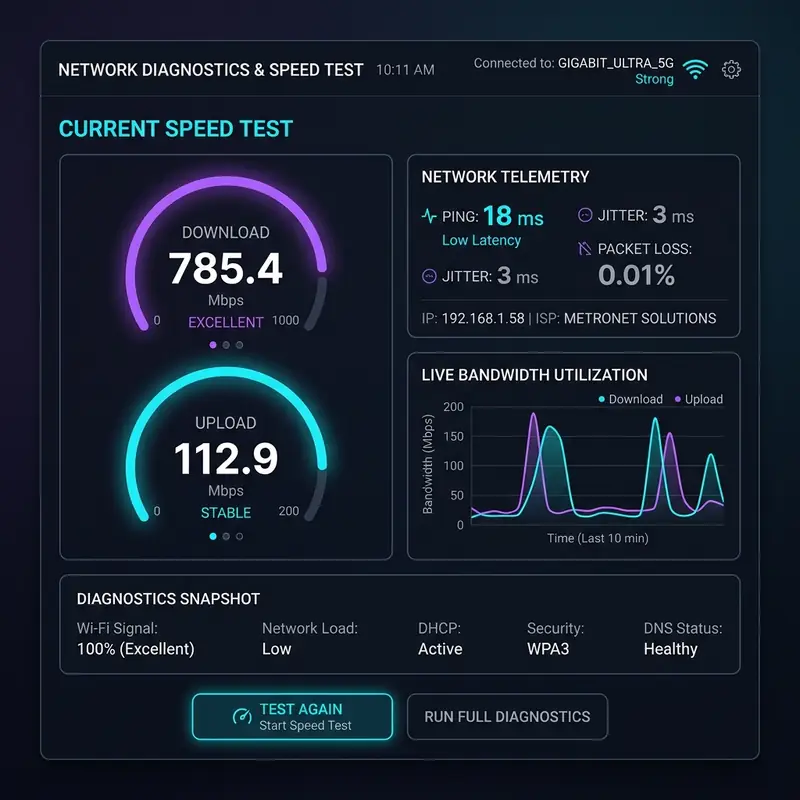
Alongside caching strategies, monitoring core networking metrics is essential for maintaining optimal server performance. Bandwidth allocation and server load are important factors that directly impact how quickly data is delivered to end-users.
Bandwidth allocation ensures that your server can handle multiple connections simultaneously without bottlenecking traffic. This involves understanding your hosting provider's network capabilities and what limits they impose, as well as how to adjust your server settings to maximize throughput.
Additionally, keeping an eye on server load—measured in CPU and RAM usage—can help identify potential performance issues before they escalate into downtime.
Another aspect often overlooked is the importance of regular performance assessments. Utilizing tools that measure TTFB, server load, and bandwidth usage allows you to make informed decisions regarding server upgrades or optimizations. By analyzing these core metrics regularly, you can identify trends and potential issues, ensuring that your cloud hosting remains fast, reliable, and capable of handling fluctuations in traffic.
Implementing Robust Server-Side Cybersecurity Protocols for Cloud Hosting

Firewalls also play a significant role in protecting your cloud server from unauthorized access and various cyber threats. Configuring IP tables enables you to set rules that dictate which traffic can access your server, thereby creating a barrier against malicious attacks.
IP tables are highly customizable, allowing you to specify protocols, ports, and IP addresses, which helps in tailoring your security posture according to your specific requirements. For example, you might want to restrict access to certain ports or block traffic from known malicious IP addresses.
Regularly reviewing and updating these rules is important to adapt to emerging threats.
Additionally, implementing a DDoS (Distributed Denial of Service) firewall is essential for protecting your server against large-scale attacks aimed at overwhelming your resources and causing downtime. Many cloud hosting providers offer DDoS protection as part of their service package, but understanding how it works and configuring it effectively can provide an additional layer of security.
A DDoS firewall monitors incoming traffic and can identify abnormal spikes that indicate an attack, allowing you to take preemptive measures to mitigate potential disruptions.
Directory permissions are another vital aspect of server-side security. By configuring directory permissions correctly, you can control who has access to specific files and folders on your server.
This minimizes the risk of unauthorized users altering or accessing sensitive files. Setting permissions to the principle of least privilege ensures that users only have the access necessary for their roles, reducing the potential attack surface.
Regular audits of these permissions help maintain a secure environment, particularly as your team grows or as new applications are deployed.
Finally, an effective cybersecurity strategy isn't solely about implementation; it also involves continuous monitoring and updates. Regularly updating your software, including the operating system, web applications, and security patches, is important for protecting against new vulnerabilities. Employing security monitoring tools that alert you to unusual activity can also provide early warning signs of a potential breach, allowing you to respond swiftly and effectively.
Understanding Hosting Limitations: Comparing Shared Servers, Dedicated Machines, and Cloud Solutions
When selecting a cloud hosting provider, understanding the limitations and differences between various hosting solutions is paramount. Shared servers are often the most economical option, making them appealing for beginners or small projects. However, they come with significant limitations. Since multiple websites share the same server resources, performance can be inconsistent. High traffic on one site can lead to decreased performance for others, which can be detrimental for businesses that rely on a stable online presence. Moreover, shared hosting typically offers less control over server configurations, limiting your ability to optimize for specific needs.On the other hand, dedicated servers provide an environment where you have complete control over all resources, allowing for substantial customization. This option is ideal for high-traffic websites or applications with specific performance or security requirements.
However, the trade-off is a higher price point and the need for technical expertise to manage and maintain the server effectively. Dedicated machines offer the best performance but can also involve significant overhead in terms of both cost and management.
Cloud hosting represents a middle ground, offering scalability and flexibility that can accommodate varying traffic levels. With cloud hosting, resources are distributed across multiple servers, which can reduce the impact of any single point of failure.
However, it’s important to be aware of potential pitfalls, such as DNS propagation errors that can occur when switching to a new cloud provider or adjusting settings. DNS propagation can take anywhere from a few hours to up to 48 hours, during which users may experience intermittent access to your site.
Understanding how DNS works and planning migrations carefully can mitigate these issues.
Another consideration is database optimization traps that can arise in shared and cloud environments. When hosting on shared servers, database performance can be compromised due to resource limits, especially if your application relies heavily on database queries.
In cloud environments, while there are typically more resources available, poorly optimized databases can still lead to performance bottlenecks. Regular database maintenance, such as indexing and query optimization, is essential to ensure that your application runs smoothly.
Service Level Agreements (SLAs) are another critical factor to consider when evaluating hosting providers. SLAs define the expected level of service, including uptime guarantees, response times for support requests, and the remedies available in case of service disruptions.
Understanding these terms can help you assess the reliability of a cloud hosting provider and ensure that it meets your operational needs. A strong SLA can provide peace of mind, particularly when your business relies heavily on online operations.
In conclusion, the choice between shared, dedicated, and cloud hosting solutions should be made with careful consideration of your specific requirements, including budget, expected traffic, and technical capabilities. Each hosting type has its advantages and limitations, and understanding these nuances can help you select the best provider for your needs while avoiding common pitfalls associated with each option.