![Best Free Web Hosting Control Panels for Linux VPS [2026]](https://umoaupsqhrhivceztycp.supabase.co/storage/v1/object/public/media/posts/wifi-office.webp)
Discover the best free web hosting control panels for Linux VPS in 2026 to streamline your server management. As more businesses and developers shift towards virtual private servers (VPS) for enhanced flexibility and control, the need for robust and user-friendly control panels has never been greater. Linux VPS offers a powerful environment for hosting websites and applications, and the right control panel can simplify the management of these servers.
In 2026, several free alternatives to traditional cPanel have emerged, making it easier for users to manage their hosting environments without incurring high costs. This blog post will delve into the best free VPS control panels available for Linux, comparing options such as CyberPanel, aaPanel, and HestiaCP.
The evolution of web hosting technologies has led to the emergence of various control panels designed specifically for Linux VPS. These panels serve as graphical user interfaces (GUIs) that streamline server management tasks such as domain management, email setup, security configurations, and more.
Unlike the traditional cPanel, which often comes with a hefty price tag, these free alternatives provide powerful features that cater to both novice users and experienced system administrators. By understanding the capabilities and limitations of each control panel, users can make informed decisions that align with their specific needs.
Implementing a web hosting control panel can significantly reduce the complexity of server management. Tasks that once required extensive command-line knowledge can now be performed with a few clicks, making it accessible for users at all skill levels. As we explore the various options available, we will analyze their unique features, ease of use, and performance benchmarks to help readers find the best fit for their requirements.
Detailed Introduction to the Technical Concept of Web Servers and Hosting
Understanding web servers and hosting is fundamental to grasping the role of control panels in managing Linux VPS. A web server is a specialized software or hardware that stores, processes, and delivers web pages to clients over the Internet.
When a user requests a web page by entering a URL, the server processes the request and sends the corresponding data back to the user's device. Hosting, on the other hand, refers to the service that allows individuals and organizations to make their websites accessible via the World Wide Web.
Linux servers are particularly popular for web hosting due to their stability, security, and cost-effectiveness.
Linux VPS hosting represents a middle ground between shared hosting and dedicated servers. It provides users with dedicated resources on a virtualized server while sharing the physical hardware with other users.
This setup allows for greater customization and control compared to shared hosting, making it ideal for businesses that require more robust performance and security. VPS hosting also facilitates the installation of various applications and services, which can be seamlessly managed through a control panel, further enhancing the user experience.
Control panels are essential tools for managing Linux VPS environments. They provide an intuitive interface for users to configure server settings, deploy applications, manage databases, and oversee security protocols.
With the plethora of free control panels available, users can choose a solution that best fits their skill level and specific requirements. Each control panel comes with unique features, such as support for multiple PHP versions, database management, and email setup, that cater to different hosting needs.
This comprehensive understanding of web servers and hosting lays the groundwork for exploring the best free VPS control panels available in 2026.
Step-by-Step Practical Guide to Troubleshooting or Executing Tasks
Managing a Linux VPS can sometimes present challenges, but with the right control panel, troubleshooting and executing tasks becomes a more manageable endeavor. This section will provide a detailed, step-by-step guide to help users effectively navigate common tasks using free web hosting control panels.
Before you begin, ensure that your Linux VPS is set up and accessible via SSH. Once you have logged into your server as the root user, the first step is to install your chosen control panel. For instance, if you are opting for aaPanel, you can execute the installation script by entering the following command in your terminal:
```bash
wget -O install.sh http://www.aapanel.com/script/install_6.0_en.sh && bash install.sh
```
This command will download the installation script and begin the setup process. During installation, you will be prompted to set a password for the admin panel, which you will use to access the control panel interface later. After the installation completes, you will receive a URL to access the aaPanel dashboard.
Once you log into the control panel, you can start managing your server. The interface typically includes various sections, such as website management, database management, and software installation. For example, if you want to set up a new website, navigate to the "Website" section and click on "Add Site." You will be required to enter your domain name, select the PHP version, and configure other options like SSL.
After your website is added, it is important to set up a database for dynamic content. The control panel usually provides a straightforward database management section where you can create and manage MySQL databases with ease. Click on the "Database" section, select "Add Database," and fill in the necessary fields to establish your database. Remember to note down the database credentials as you will need them for your website configuration.

For security purposes, configuring firewalls and monitoring server performance is essential. Most free control panels include built-in firewall options to help you secure your server from unauthorized access.
Navigate to the "Security" section and enable the firewall settings. Additionally, you might want to set up monitoring alerts for server resources to ensure optimal performance.
Most control panels will allow you to set thresholds for CPU and memory usage, providing peace of mind that your server remains stable.
By following these steps, you can efficiently manage your Linux VPS using a free hosting control panel. Whether you are launching a new website, managing databases, or ensuring the security of your server, these control panels make it easier to execute tasks with minimal technical expertise.
Comparative Analysis of Control Panel Options
To aid in selecting the best free web hosting control panel for your Linux VPS, we have compiled a structured comparative table that outlines the core features, advantages, and limitations of three popular options: CyberPanel, aaPanel, and HestiaCP. This comparison will highlight the strengths and weaknesses of each control panel, allowing users to make an informed decision based on their specific requirements.
| Control Panel | Key Features | Advantages | Limitations |
|---|---|---|---|
| CyberPanel | OpenLiteSpeed, SSL management, Docker support | High-performance web server, user-friendly interface, built-in security features | Limited plugins compared to competitors |
| aaPanel | One-click installations, MySQL management, FTP support | Highly customizable, minimal resource consumption, extensive documentation | Less intuitive for beginners |
| HestiaCP | Web-based interface, user and resource management, firewall support | Simple and clean interface, strong community support, multi-language support | Limited features in the free version |
The comparative table serves as a quick reference to evaluate the various control panels based on their features, advantages, and limitations. CyberPanel stands out for its performance optimization with OpenLiteSpeed, making it ideal for high-traffic websites.
In contrast, aaPanel offers extensive customization options, making it a favorite among users who prefer tailored solutions. HestiaCP, while straightforward and user-friendly, may have limitations in its free version but provides solid community support that can be invaluable for troubleshooting.

Additional Resources and Recommended Links
For those looking to deepen their understanding of web hosting and control panels, several resources are available to guide you through the intricate landscape of Linux VPS management. Whether you are a novice or an experienced user, these links will provide valuable insights and practical tips.
You can explore our comprehensive guide on How to Install aaPanel on VPS to learn more about setting up this popular control panel. For a broader perspective, check out How to Setup Linux Ubuntu VPS as a Secure Web Server, which covers essential server configurations and security best practices.
Leveraging these resources will enhance your ability to manage your Linux VPS effectively and confidently.
Advanced Server Performance Tuning: Caching Strategies and Networking Metrics
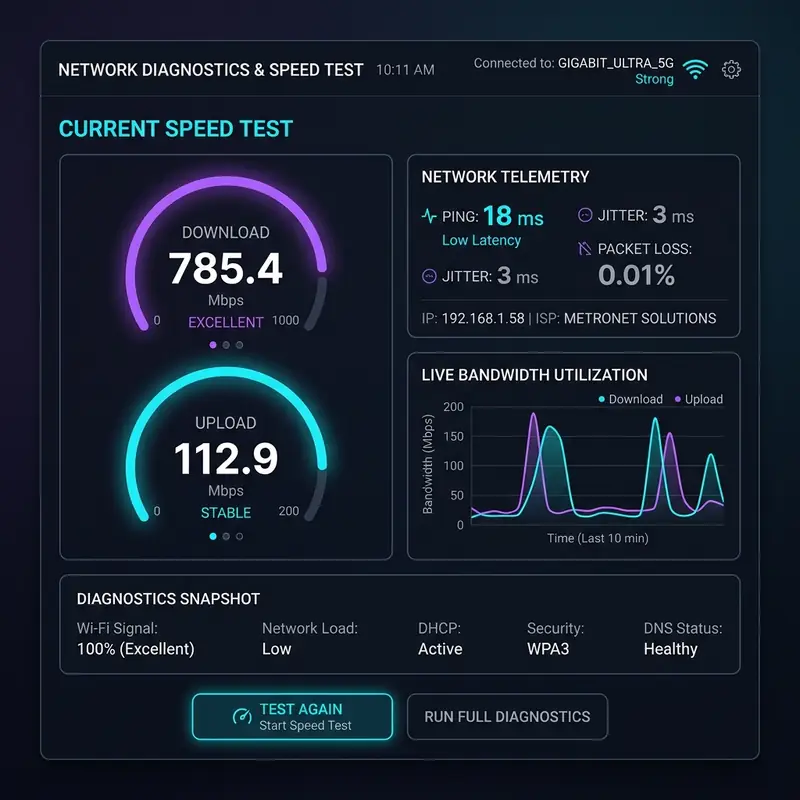
Furthermore, understanding and monitoring core networking metrics is vital for diagnosing performance issues. Time to First Byte (TTFB) is a key metric that reflects the time taken for a user's browser to receive the first byte of data from the server. A high TTFB can indicate various problems, including slow server response times or inefficient routing.
Regularly analyzing this metric can provide insights into server performance and help identify bottlenecks. Additionally, server load averages give an overview of how many processes are actively competing for CPU time at any given moment. Keeping an eye on these averages can inform administrators when to scale resources or optimize configurations.
Bandwidth allocation is another critical consideration when fine-tuning server performance. It involves managing the data transfer capacity provided by the hosting provider and ensuring that it meets the demands of your applications and users.
Underestimating bandwidth requirements can lead to throttling or downtime during peak traffic periods. By analyzing traffic patterns, administrators can make informed decisions regarding whether to upgrade their plans or implement load balancing across multiple servers to distribute traffic effectively.
In combination with these metrics, implementing proper caching strategies can lead to substantial performance improvements. For instance, using a Content Delivery Network (CDN) alongside caching mechanisms allows for static and dynamic content to be served from locations closer to users, minimizing latency. By carefully tuning these elements, site administrators can create a seamless experience for users, reducing loading times and improving overall satisfaction.
Lastly, consistent monitoring and adjustments based on performance data are important. Tools like New Relic or Google PageSpeed Insights can provide actionable insights into how well a website performs under various conditions. By leveraging these tools, administrators can make data-driven decisions to ensure their Linux VPS remains optimized for both current and future needs, ultimately enhancing user experience and operational efficiency.
Implementing Robust Server-Side Cybersecurity Protocols for Linux VPS

In addition to SSL, configuring IP tables is essential for controlling access to the server. IP tables act as a firewall, allowing administrators to define rules that specify which traffic can enter or exit the server.
By default, most Linux distributions come with a set of preconfigured rules that may not be sufficient for all use cases. Customizing these rules to restrict access from suspicious IP addresses and to allow only necessary ports can significantly enhance the server’s security posture.
Regular audits of these settings are necessary to adapt to any changes in access requirements or emerging threats.
Another vital component of server security is implementing DDoS (Distributed Denial of Service) protection. DDoS attacks can overwhelm a server with excessive traffic, rendering it inaccessible to legitimate users. Various solutions are available, from hardware firewalls that can filter out malicious traffic to cloud-based services designed to absorb and mitigate these attacks. Ensuring that your server has adequate DDoS protection can prevent service interruptions and maintain availability for users.
Directory permissions are also a important aspect of server-side security. Properly setting permissions on directories and files can prevent unauthorized access and modifications.
In Linux, the file system permissions model allows administrators to specify read, write, and execute permissions for the owner, group, and others. By following the principle of least privilege, administrators can restrict access to sensitive directories, thereby minimizing the risk of exploitation from both external attackers and potentially compromised internal accounts.
In conclusion, a comprehensive approach to server-side cybersecurity involves not only implementing individual protocols but also ensuring that they work cohesively to create a fortified environment. Regularly updating software and frameworks, conducting vulnerability assessments, and maintaining a robust incident response plan are also integral to a proactive security strategy.
By prioritizing these measures, administrators can safeguard their Linux VPS against a broad array of potential threats, ensuring reliability and trustworthiness for their users.
Understanding Hosting Limitations: Shared vs Dedicated/Cloud Machines and Optimization Challenges
When considering the various hosting options available, it's important to understand the inherent limitations associated with shared servers compared to dedicated or cloud machines. Shared hosting is often the most economical choice, but it comes with significant limitations regarding resource allocation, performance, and security. In a shared environment, multiple websites reside on the same server, competing for CPU, memory, and bandwidth. This can lead to unpredictable performance, especially during peak traffic periods, when one site's high resource usage can negatively impact others. Additionally, security vulnerabilities can arise as one compromised account could potentially expose others on the same server.On the other hand, dedicated and cloud servers provide a more robust solution, offering exclusive access to resources. Dedicated servers are entirely reserved for one client, ensuring consistent performance and greater security, as there are no other users to contend with.
Cloud hosting, which utilizes a network of virtual servers, allows for scalability and flexibility. Resources can be adjusted according to demand, making cloud solutions particularly attractive for businesses with fluctuating traffic.
However, it is essential to recognize that these advantages come at a higher cost, which may not be feasible for smaller projects or startups.
DNS propagation errors can also pose significant challenges in hosting environments. When changes are made to DNS records, such as updating a domain's A record to point to a new server, these changes do not take effect instantaneously.
DNS propagation can take anywhere from a few minutes to 48 hours, during which time users may experience access issues or be directed to the old server. Understanding how DNS works and planning for propagation delays is vital for minimizing downtime and ensuring that users can access the site consistently.
Database optimization traps represent another common challenge for administrators. While optimizing database queries and indexing can greatly enhance performance, poorly executed optimizations can lead to degraded performance. For instance, over-indexing can slow down write operations, while under-optimizing can result in slow read times. Regularly reviewing database performance, analyzing query execution plans, and making informed adjustments based on actual usage patterns can help avoid these pitfalls.
Lastly, Service Level Agreements (SLAs) are critical considerations when evaluating hosting options. An SLA outlines the expected level of service, including uptime guarantees, support response times, and compensation for downtime.
Understanding the terms of an SLA can help businesses set realistic expectations and make informed decisions about their hosting needs. It is essential to scrutinize these agreements carefully, as they can vary significantly between hosting providers and may impact overall site reliability and business continuity.
In summary, comprehending the limitations of different hosting solutions, alongside the challenges presented by DNS propagation and database optimization, is vital for making informed decisions. By evaluating these factors in conjunction with SLAs, businesses can better align their hosting choices with their operational needs and growth objectives, ensuring a more stable and effective online presence.