
Kinsta and WP Engine are two of the best managed WordPress hosting providers available today. Both platforms are known for their robust performance, excellent customer support, and a suite of features designed specifically for WordPress, making them ideal choices for businesses and developers. When considering these hosting options, users often find themselves weighing the benefits and performance metrics to determine which service aligns best with their needs.
This article delves deeply into the key aspects of Kinsta and WP Engine, exploring their core functionalities, speed comparisons, and enterprise features that set them apart in the managed WordPress hosting landscape.
In the ever-evolving digital ecosystem, the choice of hosting service can significantly impact a website's performance, security, and overall user experience. Managed WordPress hosting is designed to provide specialized support and infrastructure tailored specifically for WordPress websites.
This means that the hosting provider not only manages the server environment but also optimizes it for the unique requirements of WordPress installations. For businesses that rely on their online presence, the right managed hosting service can lead to enhanced website speed, improved security measures, and seamless scalability as their traffic grows.
As we dive into the specifics of Kinsta vs. WP Engine, it is essential to understand the underlying technical concepts of web servers and hosting.
Web servers are powerful machines that store, process, and deliver web content to users via the internet. Managed hosting services take this a step further by offering optimized server configurations, automatic updates, daily backups, and 24/7 support, ensuring that website owners can focus on content creation and business growth rather than server management.
With both Kinsta and WP Engine, users gain access to premium server infrastructure powered by Google Cloud and Amazon Web Services, respectively, allowing for exceptional reliability and speed.
Understanding Web Servers and Hosting
To fully appreciate the differences between Kinsta and WP Engine, it is important to delve into the concept of web servers and the various types of hosting solutions available. A web server serves as an intermediary between the user and the website, responding to requests for web pages by delivering the necessary files.
The efficiency of this process is paramount; a slow server can lead to delays in page loading, resulting in a poor user experience and potentially lost revenue. Managed WordPress hosting specifically tailors the server environment to cater to the needs of WordPress sites, optimizing performance through various caching mechanisms, content delivery networks (CDNs), and database optimization techniques.
Managed hosting services differ from traditional shared or VPS hosting in that they provide a higher level of service tailored to WordPress. This includes automatic updates to both the WordPress core and plugins, ensuring that websites are secure and running the latest versions.
Additionally, managed WordPress hosts often implement advanced security measures such as firewalls, malware scanning, and DDoS protection. Kinsta, for instance, leverages Google Cloud's infrastructure, enabling it to utilize advanced caching techniques and other performance optimizations, while WP Engine combines its proprietary technology with AWS to deliver high availability and redundancy.
Another critical aspect of managed WordPress hosting is customer support. Both Kinsta and WP Engine pride themselves on providing expert assistance, with teams that specialize in WordPress.
This means that when issues arise, customers can receive guidance from individuals well-versed in the intricacies of WordPress, rather than generic hosting support. This level of specialized knowledge is invaluable for businesses that cannot afford downtime or technical setbacks.
Furthermore, both providers offer comprehensive documentation and resources, empowering users to solve common problems independently.
Step-by-Step Guide to Troubleshooting Managed WordPress Hosting Issues
When utilizing managed WordPress hosting, users may occasionally encounter issues that require troubleshooting. Understanding how to diagnose and resolve these issues can enhance the overall experience and minimize downtime. Here’s a step-by-step guide to assist users in troubleshooting common problems associated with managed WordPress hosting on Kinsta and WP Engine.
Step 1: Identify the Issue
The first step in troubleshooting is to clearly identify the issue at hand. Is the website loading slowly, or are there broken links? Perhaps the site is experiencing frequent downtime, or specific plugins are not functioning correctly. Gathering as much information as possible will aid in diagnosing the problem accurately. Use tools such as Google PageSpeed Insights or GTmetrix to assess loading times and pinpoint any areas for improvement.
Step 2: Check Server Status
Both Kinsta and WP Engine provide users with access to their server status dashboards. These dashboards offer insights into server performance, uptime, and any ongoing maintenance activities. If you suspect a server-related issue, check the status page of your hosting provider to see if there are any outages or maintenance activities that could be affecting your site.
Step 3: Disable Plugins
If the issue appears to be related to specific functionalities on your site, it may be beneficial to disable plugins temporarily. Start by deactivating all plugins and then reactivating them one by one to identify if a particular plugin is causing conflicts.
Both Kinsta and WP Engine offer staging environments, allowing users to test changes without affecting the live site. Utilize this feature to troubleshoot plugin issues in a safe environment.

Step 4: Optimize Database
A cluttered database can lead to slow loading times and performance issues. Utilize the database optimization features provided by your managed hosting service. Both Kinsta and WP Engine offer tools to clean up the database by removing unnecessary data such as post revisions, spam comments, and transient options. Regularly optimizing the database can help maintain optimal performance.
Step 5: Reach Out for Support
If the issue persists after following the above steps, it may be time to reach out to your hosting provider's support team. Kinsta and WP Engine both offer high-quality support through live chat and ticket systems.
Provide as much detail as possible regarding the issue, including any error messages and the troubleshooting steps you have already taken. The support teams are equipped with the expertise to resolve more complex issues efficiently.
Comparative Analysis of Kinsta and WP Engine
To facilitate a clearer understanding of the differences between Kinsta and WP Engine, the following table compares key features, performance benchmarks, and pricing plans. This structured format allows potential users to make an informed decision based on their specific needs.
| Feature | Kinsta | WP Engine |
|---|---|---|
| Performance | Utilizes Google Cloud Platform with advanced caching for fast loading times | Powered by AWS with built-in caching and CDN integration |
| Support | 24/7 expert support via live chat and ticket system | 24/7 support with a focus on WordPress expertise |
| Backup Solutions | Daily automatic backups and one-click restore options | Automatic backups and manual restore points available |
| Staging Environments | Free staging environments for testing changes | Easy staging environments for testing and development |
| Price Range | Starts at $35/month for the Starter Plan | Starts at $20/month for the Startup Plan |
In conclusion, both Kinsta and WP Engine offer unique advantages that cater to different user needs. Kinsta is particularly well-regarded for its performance optimizations and user-friendly interface, while WP Engine excels in providing a comprehensive set of tools for developers. Understanding these differences can help users select the hosting provider that best fits their specific requirements.

Additional Resources and Recommended Links
For users looking to expand their knowledge on web hosting and performance optimization, numerous resources are available online. Exploring articles such as Is Hostinger Premium Shared Hosting Plan Worth It and How LiteSpeed Web Server Speeds Up PHP can provide valuable insights into different hosting solutions and technologies. These resources not only help in making informed decisions but also enhance technical understanding for better website management.
Advanced Server Performance Tuning and Cache Policies: Understanding TTFB, Server Load, and Bandwidth
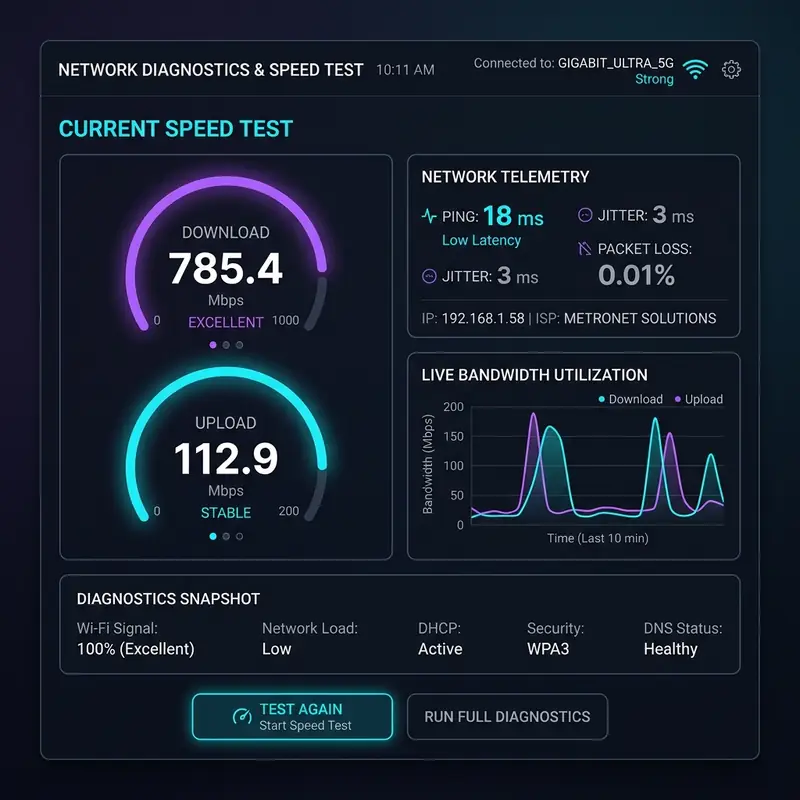
To enhance TTFB, both Kinsta and WP Engine utilize advanced caching mechanisms, including OPcache, Redis, and Memcached. OPcache, a built-in PHP extension, significantly reduces the loading time of PHP scripts by storing precompiled script bytecode in memory, eliminating the need for repeated parsing and compilation.
On the other hand, Redis and Memcached serve as in-memory data stores that cache database query results, reducing the load on the database and accelerating response times. Each of these caching solutions has its own advantages and can be configured differently depending on the specific requirements of the application.
Server load is another critical metric that affects overall performance. It represents the amount of work that the server is handling at any given time.
A high server load can result in increased response times and can negatively impact user experience. To manage server load effectively, it is essential to monitor resource usage and optimize server configurations.
For instance, both Kinsta and WP Engine offer scalable hosting environments that can automatically adjust resources based on traffic demands, ensuring optimal performance even during peak usage times.
Bandwidth allocation is also significant in the context of performance tuning. It refers to the amount of data that can be transferred over a network in a specified amount of time.
Insufficient bandwidth can lead to slow loading times, especially during high traffic periods. Managed hosting providers typically offer plans with varying bandwidth limits, which can be a determining factor for businesses expecting fluctuating traffic levels.
Understanding how bandwidth allocation works, along with the implications of exceeding those limits, is vital for ensuring that your website remains accessible and performs well.
In conclusion, advanced server performance tuning encompasses a detailed understanding of caching policies and core networking metrics. By effectively utilizing technologies like OPcache, Redis, and Memcached, along with closely monitoring TTFB, server load, and bandwidth allocation, you can significantly enhance the performance of your managed WordPress hosting. This optimization ensures your website delivers an exceptional user experience, which is invaluable in today's digital landscape.
Implementing Robust Server-Side Cybersecurity Protocols for Managed WordPress Hosting

Beyond SSL, configuring IP tables is an essential step for fortifying your server against unauthorized access. IP tables act as a firewall, controlling inbound and outbound traffic based on defined security rules.
By setting up appropriate rules, you can block suspicious IP addresses, limiting the risk of DDoS attacks and other malicious activities. This configuration requires a thorough understanding of your server’s traffic patterns and potential vulnerabilities, making it imperative for managed WordPress hosting providers to offer support in this area.
DDoS (Distributed Denial of Service) attacks represent one of the most common threats to online businesses, overwhelming servers with excessive traffic to render them unusable. A robust DDoS firewall can mitigate these threats by filtering incoming traffic and distinguishing between legitimate users and potential attackers.
Both Kinsta and WP Engine incorporate advanced DDoS protection measures, which are important for maintaining uptime and ensuring that your website remains accessible even during attack attempts.
Another critical aspect of server-side security lies in directory permissions. Improperly set permissions can expose sensitive files and directories to unauthorized users, leading to potential data breaches.
It is essential to implement the principle of least privilege, ensuring that users only have access to the files and directories necessary for their roles. Both hosting providers typically offer tools to help manage and configure directory permissions effectively, adding an additional layer of security to your managed WordPress environment.
In summary, the implementation of server-side cybersecurity protocols is indispensable for safeguarding your managed WordPress hosting. By employing SSL certificates, configuring IP tables, using DDoS firewalls, and managing directory permissions, you can create a secure environment that protects your website and user data.
As cyber threats continue to evolve, it is critical to stay informed about best practices in server security and to work closely with your hosting provider to ensure compliance with the latest security standards.
Understanding Hosting Limitations: Shared Servers, DNS Issues, and SLA Considerations
DNS propagation errors represent another common challenge that can affect website availability and performance. When changes are made to DNS settings, such as pointing a domain to a new server, it can take time for these changes to propagate across the internet.
During this period, users may experience inconsistent access to the website, leading to confusion and frustration. Additionally, DNS caching can contribute to delays in recognizing changes, especially if users have previously visited the site.
Understanding how DNS works and the typical propagation timelines can help mitigate issues related to site availability during transitions.
Database optimization is another area where limitations can arise, particularly when using shared hosting solutions. Poorly optimized databases can lead to slow queries and degraded site performance.
This issue is exacerbated when multiple sites share the same database resources, leading to bottlenecks and increased latency. Managed WordPress hosting providers typically offer database optimization tools and services to ensure that your website runs efficiently.
Regularly optimizing your database, such as cleaning up unnecessary data and indexing tables, is important for maintaining performance, especially for high-traffic sites.
Service Level Agreements (SLAs) are critical components of any hosting arrangement, providing guarantees regarding uptime, support response times, and overall service quality. However, not all SLAs are created equal.
It's important to scrutinize the terms and conditions provided by your hosting provider to understand what level of service you can expect. For instance, Kinsta may offer a higher uptime guarantee than WP Engine or provide faster response times for support inquiries.
Being aware of these differences and the implications of the SLA can help you choose a provider that aligns with your business needs.
In conclusion, understanding the limitations of different hosting environments, including shared versus dedicated servers, DNS propagation challenges, database optimization traps, and SLA considerations, is vital when choosing a managed WordPress hosting provider. By being informed about these factors, you can make a more educated decision and select a hosting solution that meets your performance, security, and reliability requirements.
This knowledge not only aids in optimizing your website’s performance but also contributes to a smoother user experience and increased customer satisfaction.