
Yes, Hostinger's Premium Shared Hosting Plan is worth considering for blogs. For bloggers, choosing the right hosting plan is a important decision that can significantly influence the performance and accessibility of their website. Among the myriad options available, Hostinger's Premium Shared Hosting Plan stands out as a compelling choice, particularly for those who seek an affordable yet reliable solution.
This plan not only provides essential features necessary for running a blog but also ensures that users have a smooth experience when managing their online presence. With cost-effective pricing, robust performance metrics, and user-friendly interfaces, Hostinger presents itself as a strong contender in the competitive hosting market.
The Premium Shared Hosting Plan from Hostinger is designed to cater specifically to the needs of bloggers and small website owners. It offers a balanced mix of resources, including bandwidth, storage, and essential security features, making it suitable for individuals just starting their blogging journey or those who have been in the game for a while.
This plan is particularly appealing because it allows users to host multiple websites under a single account, which can be a significant cost-saving advantage for those managing various projects. Additionally, the inclusion of a free domain registration for the first year adds further value, allowing users to establish their online identity without incurring additional costs.
In this blog post, we will delve into the technical aspects of web hosting, explore how to effectively troubleshoot common issues, and provide a comparative analysis of Hostinger's offerings against other hosting services. By the end of this post, you will have a clearer understanding of whether the Hostinger Premium Shared Hosting Plan is aligned with your blogging needs and whether it represents good value for your investment.
Detailed Introduction to the Technical Concept of Web Servers and Hosting
To fully appreciate the value of Hostinger's Premium Shared Hosting Plan, it is essential to understand the technical foundation upon which web hosting operates. At its core, web hosting involves the storage of website files on servers that are connected to the internet.
A web server is essentially a powerful computer that stores, processes, and delivers web content to users' browsers. When someone enters a URL or clicks on a link, their request is sent to the server, which retrieves the relevant files and serves them over the internet.
Shared hosting, as the name implies, involves multiple users sharing the same server resources. This approach allows for cost-effective hosting solutions, as the operational costs are distributed among various users.
However, it is important to recognize that shared hosting does come with limitations such as resource allocation and performance variability. For instance, if one website experiences a surge in traffic, it can potentially affect the performance of other sites hosted on the same server.
Despite these limitations, shared hosting remains an attractive option for bloggers, especially those who are just starting and may not require extensive resources.
Hostinger's Premium Shared Hosting Plan leverages cutting-edge technology to optimize the performance and reliability of its servers. With features like SSD storage, which significantly enhances read and write speeds, and a robust network infrastructure designed to minimize downtime, Hostinger ensures that your blog remains accessible to users at all times.
Furthermore, the use of advanced caching techniques and data compression helps improve loading times, which is critical for user experience and SEO. Understanding these technical details can help you make an informed decision about whether Hostinger's offerings align with your blogging goals.
Step-by-Step Practical Guide to Troubleshooting Hosting Issues
When managing a blog, encountering technical issues is almost inevitable. However, knowing how to troubleshoot these problems can save you time and frustration. Below is a detailed step-by-step guide to help you diagnose and resolve common hosting-related issues that may arise with your Hostinger Premium Shared Hosting plan.
Firstly, if your website is not loading, the first step is to check your internet connection. Ensure that your device is connected to the internet and that there are no local network issues. You can do this by visiting other websites to see if they load correctly.
If your internet connection is stable but your website remains inaccessible, the next step is to check the server status. Hostinger provides a server status page where you can find real-time information about any ongoing outages or maintenance work. Knowing whether the issue is on your end or the hosting provider's end can help you determine how to proceed.
If your website is loading slowly, it may be due to several factors, including large image files, poorly optimized code, or excessive plugins, especially if you're using a WordPress blog. Begin by performing a speed test using tools like Google PageSpeed Insights or GTmetrix to identify the specific elements affecting your site's performance.
Based on the results, consider optimizing images by compressing them, minimizing CSS and JavaScript files, and reducing the number of active plugins. Hostinger also provides various caching solutions that can help enhance your site’s speed, so exploring these options could be beneficial.
Another common issue users face is email deliverability problems. If you're using Hostinger's email services, it’s essential to ensure that your DNS settings are appropriately configured. Check the MX records in your domain’s DNS settings to confirm they point to Hostinger's mail servers.
It’s also wise to monitor your email sending practices to avoid being flagged as spam. Engaging in best practices, such as including SPF and DKIM records, will enhance your email deliverability rates. Hostinger's customer support team is available around the clock to assist you with these technical configurations if you're unsure.

Comparative Analysis of Hosting Options
To give you a comprehensive view of where Hostinger's Premium Shared Hosting Plan stands in relation to other hosting services, we have compiled a structured comparative table. This table summarizes key features, pricing, and performance benchmarks, allowing you to easily evaluate your options.
| Hosting Provider | Plan Type | Monthly Price | Storage | Bandwidth | Free Domain | Customer Support |
|---|---|---|---|---|---|---|
| Hostinger | Premium Shared Hosting | $2.49 | 20 GB SSD | Unlimited | Yes (1st Year) | 24/7 Live Chat |
| Bluehost | Basic Plan | $2.95 | 50 GB SSD | Unmetered | Yes (1st Year) | 24/7 Live Chat & Phone Support |
| SiteGround | StartUp Plan | $3.99 | 10 GB SSD | Monthly Visits: 10,000 | Yes (1st Year) | 24/7 Live Chat & Phone Support |
| A2 Hosting | Startup Plan | $2.99 | 100 GB SSD | Unlimited | Yes (1st Year) | 24/7 Phone & Live Chat Support |
This comparative analysis highlights the strengths and weaknesses of each hosting provider. Hostinger's Premium Shared Hosting Plan offers an attractive price point while providing essential features that meet the needs of most bloggers.
The unlimited bandwidth is particularly beneficial for growing websites that may experience fluctuating traffic patterns. Comparatively, while other providers may offer more storage or additional support options, Hostinger's combination of affordability, performance, and essential features makes it a noteworthy choice for both novice and experienced bloggers alike.

Additional Resources and Recommended Links
For those looking to dive deeper into the world of web hosting and optimize their blogging journey, there are numerous resources available. Comprehensive guides, tutorials, and tips can enhance your understanding of various hosting environments. For example, if you are interested in exploring control panels for managing your hosting environment, we recommend checking out our post on the Best Free Web Hosting Control Panels for Linux VPS.
Additionally, if you wish to speed up your WordPress site, understanding how LiteSpeed Web Server can optimize PHP performance is invaluable. You can find more information in our article on How LiteSpeed Web Server Speeds Up PHP. These resources will help you make informed decisions and enhance your blogging experience.
Advanced Server Performance Tuning, Cache Policies, and Core Networking Metrics
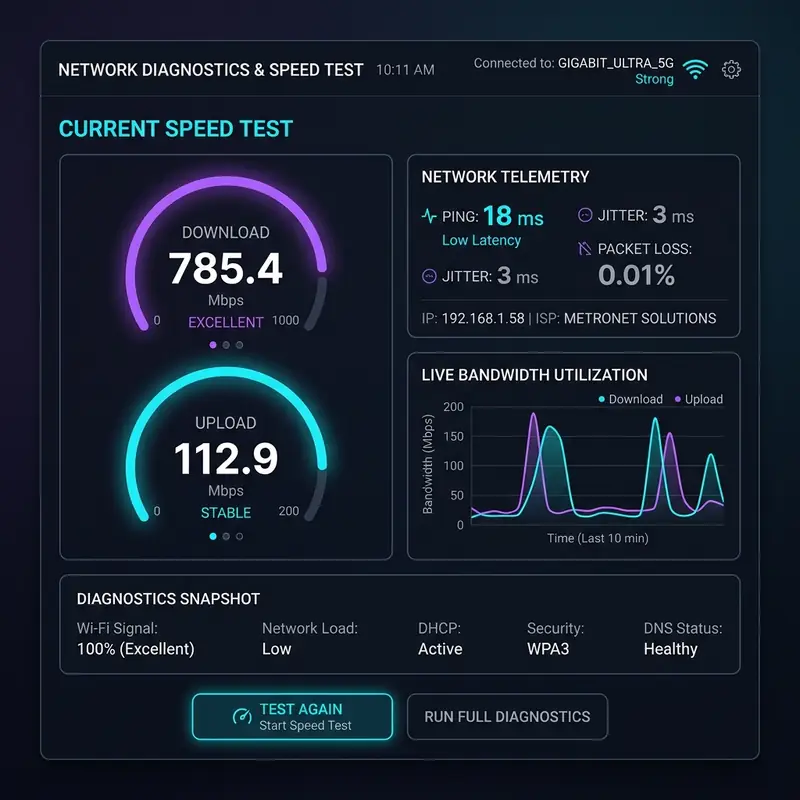
When evaluating the worth of Hostinger's Premium Shared Hosting Plan for blogs, understanding advanced server performance tuning is critical. This involves optimizing server configurations to achieve the best response times and resource utilization. Key elements include tuning web server settings, optimizing database queries, and implementing effective caching mechanisms. For instance, configuring OPcache, a PHP extension, can significantly reduce the time needed to execute scripts by storing precompiled script bytecode in shared memory. This minimizes the need to parse and compile the script on each request, thereby enhancing the overall speed of PHP-based applications.
In addition to OPcache, employing caching solutions like Redis and Memcached can further improve performance by temporarily storing data in memory. These in-memory data stores help minimize the load on databases by caching frequently accessed data, which is particularly useful for dynamic content often found in blogs. By strategically implementing caching policies, you can ensure that repeated requests for the same data are served quickly, reducing server load and improving user experience. Understanding how to configure these caching layers appropriately is fundamental for anyone looking to maximize their hosting plan's capabilities.
Another essential aspect of performance tuning is analyzing core networking metrics such as Time to First Byte (TTFB) latency, server load, and bandwidth allocation. TTFB is a critical metric that measures the time it takes for a user's browser to receive the first byte of data from the server after making a request. A high TTFB indicates potential bottlenecks in server processing or network latency. By monitoring and analyzing TTFB, you can identify areas for improvement, such as optimizing server response times through efficient database queries or minimizing round-trip times over the network.
Server load, which refers to the amount of processing power being used at any given moment, is another important metric to monitor. High server load can lead to degraded performance and slow response times. Optimizing server resources through load balancing, horizontal scaling, or caching can alleviate pressure on the server. Additionally, understanding bandwidth allocation helps ensure that your hosting service can handle the traffic demands of your blog, particularly during peak times. Properly managing bandwidth can prevent performance degradation and maintain a smooth user experience.
Ultimately, mastering these advanced performance tuning techniques and core networking metrics allows you to make the most of the Hostinger Premium Shared Hosting Plan. By focusing on areas like caching policies and server load management, you can ensure that your blog remains responsive and fast, meeting the expectations of your audience.
Comprehensive Overview of Server-Side Cybersecurity Protocols

In the digital landscape, ensuring the security of your blog hosted on the Hostinger Premium Shared Hosting Plan is paramount. A comprehensive understanding of server-side cybersecurity protocols is essential for protecting sensitive data and maintaining the integrity of your website. One of the foundational elements of server security is the proper configuration of SSL certificates. SSL (Secure Socket Layer) encrypts data transmitted between the server and clients, safeguarding against interception and ensuring secure connections. Implementing SSL not only protects user data but also enhances search engine rankings, as search engines favor secure sites.
In addition to SSL, configuring IP tables is important for managing inbound and outbound traffic. IP tables serve as a firewall, allowing you to specify which traffic should be allowed or blocked based on predefined rules. This level of control is vital for preventing unauthorized access and mitigating potential attacks. By carefully configuring IP tables, you can create a robust security perimeter around your server, ensuring that only legitimate traffic reaches your blog.
Another significant aspect of server cybersecurity is implementing DDoS (Distributed Denial of Service) protection. DDoS attacks aim to overwhelm your server with excessive traffic, causing downtime and accessibility issues for legitimate users. Utilizing dedicated DDoS firewalls can help mitigate these threats by detecting and filtering out malicious traffic before it reaches your server. By integrating DDoS protection into your hosting strategy, you can ensure a higher level of uptime and reliability for your blog.
Furthermore, managing directory permissions is an often-overlooked aspect of server security. Properly setting permissions for files and directories ensures that only authorized users can access or modify critical components of your website. This minimizes the risk of unauthorized changes or data breaches. Regular audits of directory permissions can help identify vulnerabilities and ensure that your security posture remains strong.
In conclusion, understanding and implementing robust cybersecurity protocols on your Hostinger Premium Shared Hosting Plan is essential for protecting your blog. From SSL configurations to IP tables and DDoS protection, each component plays a vital role in safeguarding your site against various threats. By prioritizing these security measures, you can create a safe environment for your audience and maintain the credibility of your online presence.
Understanding Hosting Limitations and Performance Constraints
When considering the suitability of the Hostinger Premium Shared Hosting Plan for your blog, it is important to understand the inherent limitations associated with shared hosting environments. Shared hosting means that multiple websites operate on the same server resources, which can lead to performance constraints, particularly as your blog grows. Unlike dedicated servers or cloud machines, shared hosting typically offers limited resources, and this can impact the speed and responsiveness of your website during peak traffic times.
One of the most significant limitations of shared servers is the potential for resource contention. Since multiple users share the same server, high traffic on one website can lead to slower load times for others. This is known as the "bad neighbor effect." If your blog begins to attract a substantial audience, you may find that the shared resources are insufficient to meet your needs, necessitating an upgrade to a dedicated or cloud hosting solution that provides dedicated resources and improved performance.
In addition to resource limitations, shared hosting often presents challenges with DNS propagation errors. When changes are made to your domain's DNS settings, it can take time for those changes to propagate across the internet. During this period, users may experience inconsistencies when trying to access your blog. Understanding the factors that influence DNS propagation, such as TTL (Time to Live) settings and DNS cache, can help you better manage your blog's availability during transitions.
Database optimization is another area where shared hosting can pose challenges. Many shared hosting plans come with pre-configured database settings that may not be optimized for performance. As your blog grows and requires more complex database queries, you may encounter performance bottlenecks. Being aware of common database optimization traps, such as inefficient queries or improperly indexed tables, can help you mitigate these issues and maintain a responsive site.
Finally, it is important to consider Service Level Agreements (SLAs) when choosing a hosting plan. An SLA outlines the level of service you can expect from your hosting provider, including uptime guarantees and support response times. While many shared hosting providers, including Hostinger, offer competitive SLAs, it’s essential to evaluate these commitments to understand the potential limitations and ensure they align with your blog's needs. A well-defined SLA can provide peace of mind, ensuring that you have recourse in the event of service disruptions.
In summary, understanding the limitations of shared hosting is vital for evaluating whether the Hostinger Premium Shared Hosting Plan is suitable for your blog. From resource contention and DNS propagation issues to database optimization and SLA considerations, being aware of these factors can help you make informed decisions as your blogging journey progresses.