Vultr vs. DigitalOcean: Speed, Features, and Pricing VPS Comparison

In the battle of VPS providers, Vultr and DigitalOcean each boast unique advantages in speed, features, and pricing. Choosing between Vultr and DigitalOcean for your virtual private server (VPS) needs can be a daunting task given the multitude of factors to consider. Both companies are prominent players in the cloud hosting industry, providing robust solutions tailored to a variety of user requirements, from startups to larger enterprises.
While both platforms offer competitive pricing structures, varying degrees of performance, and a unique set of features, understanding the nuances of each can significantly impact your decision-making process.
When evaluating Vultr vs. DigitalOcean, users often prioritize speed, reliability, and the overall experience of managing their cloud infrastructure.
Speed is not merely a feature; it significantly influences user experience, application performance, and ultimately, business success. The underlying technology, data center locations, and network infrastructure play important roles in delivering that speed.
Features such as scalability, user-friendliness of the interface, and customer support are equally important to ensure that you are not just buying a service but also investing in a partnership that supports your growth.
Understanding Web Servers and Hosting
At its core, a web server is a system that stores, processes, and delivers web pages to users. When you type a URL into a browser, the request is sent to a web server, which then retrieves the desired page and sends it back to the user's device.
This process is facilitated by the Hypertext Transfer Protocol (HTTP), which governs how messages are formatted and transmitted over the web. In the context of VPS hosting, this means that a virtual server is created on a physical machine, allowing multiple customers to share resources while maintaining distinct environments.
Hosting refers to the service that makes websites accessible on the Internet. Various hosting types exist, including shared, dedicated, and VPS hosting.
VPS hosting represents a middle ground; it offers more control and resources than shared hosting while being more cost-effective compared to dedicated servers. With VPS, users can install custom software, configure their server environment, and have dedicated resources allocated to them, leading to better performance and reliability.
The significance of choosing the right VPS provider cannot be overstated, as it affects load times, uptime, and the overall user experience.
The decision between Vultr and DigitalOcean requires an understanding of their technical offerings. Vultr is recognized for its high-performance SSD cloud servers, allowing users to deploy virtual machines globally in a matter of minutes. They offer features such as dedicated IP addresses, flexible billing, and an intuitive control panel.
DigitalOcean, on the other hand, prides itself on its simplicity and ease of use, making it a favorite among developers. With extensive documentation and community support, DigitalOcean provides users with tutorials and resources to help them navigate their cloud infrastructure effectively. Both providers have their own strengths, and understanding these can help you determine which aligns better with your specific needs.
Step-by-Step Guide to Choosing the Right VPS Provider
Choosing the right VPS provider is a multi-step process that involves several critical considerations. First, you should identify your specific requirements, including the types of applications you plan to run, your budget constraints, and the expected traffic to your website. Both Vultr and DigitalOcean offer various plans that cater to different needs, so it is essential to start with a clear picture of what you need.
Once you've identified your requirements, the next step is to evaluate the performance of each provider. You can conduct speed tests and check the uptime statistics of both Vultr and DigitalOcean.
Tools like GTmetrix or Pingdom can help you analyze load times from various geographical locations, ensuring that you choose a provider that delivers optimal performance to your audience, regardless of their location. Additionally, take note of the latency and throughput benchmarks provided by both companies, as these metrics can significantly impact your site's performance.
After assessing performance, consider the features offered by each provider. Vultr, for example, offers a broader range of server types, including high-frequency compute options that can be beneficial for CPU-intensive applications.
DigitalOcean, on the other hand, offers managed databases and Kubernetes, which can be advantageous for developers looking to scale applications effortlessly. Analyze your long-term goals and how each provider aligns with them.
If you plan to expand your operations, a provider with better scalability options may be preferable.

Comparative Analysis of Vultr and DigitalOcean
To aid in your decision-making process, here is a structured comparative table that outlines the key differences between Vultr and DigitalOcean. The table includes aspects such as pricing, performance metrics, and features, allowing you to make an informed choice based on your needs.
| Feature | Vultr | DigitalOcean |
|---|---|---|
| Starting Price | $5/month | $5/month |
| Data Center Locations | 17 Global Locations | 12 Global Locations |
| SSD Storage | Yes | Yes |
| CPU Types | Standard & High-Frequency | Standard |
| Custom ISO Support | Yes | No |
| Managed Services | No | Yes (Managed Databases) |
| Scalability | Flexible Scaling Options | Easy Scaling through Droplets |
This comparative table highlights the strengths and weaknesses of both VPS providers. Vultr stands out with its high-frequency CPU options and broader data center presence, making it suitable for users seeking performance and flexibility. Meanwhile, DigitalOcean's managed services and user-friendly interface appeal to developers and small businesses looking for ease of use and comprehensive support.

Additional Resources and Recommended Links
For those seeking further information on cloud VPS options, several resources can assist in your decision-making process. Explore in-depth articles and guides that elaborate on the benefits of each provider, such as How to Create a Free VPS on Google Cloud and How to Host Multiple WordPress Websites on a Single VPS.
These articles provide not only insights into the technical aspects of VPS hosting but also practical steps to implement and optimize your cloud infrastructure effectively. Additionally, community forums and user reviews can provide real-world insights into performance and support experiences, further aiding in your research.
Advanced Server Performance Tuning: Cache Policies and Core Networking Metrics
Redis and Memcached serve as in-memory data stores that enhance performance by caching data and objects, significantly reducing the time it takes to fetch them from the database. Redis offers additional data structures like lists and sets, which can be particularly useful for applications requiring rapid access to frequently queried data.
On the other hand, Memcached is often simpler and excels in scenarios where you need to cache small pieces of data. Both technologies can dramatically decrease database load, which is particularly beneficial for Vultr and DigitalOcean users looking to optimize their server performance.
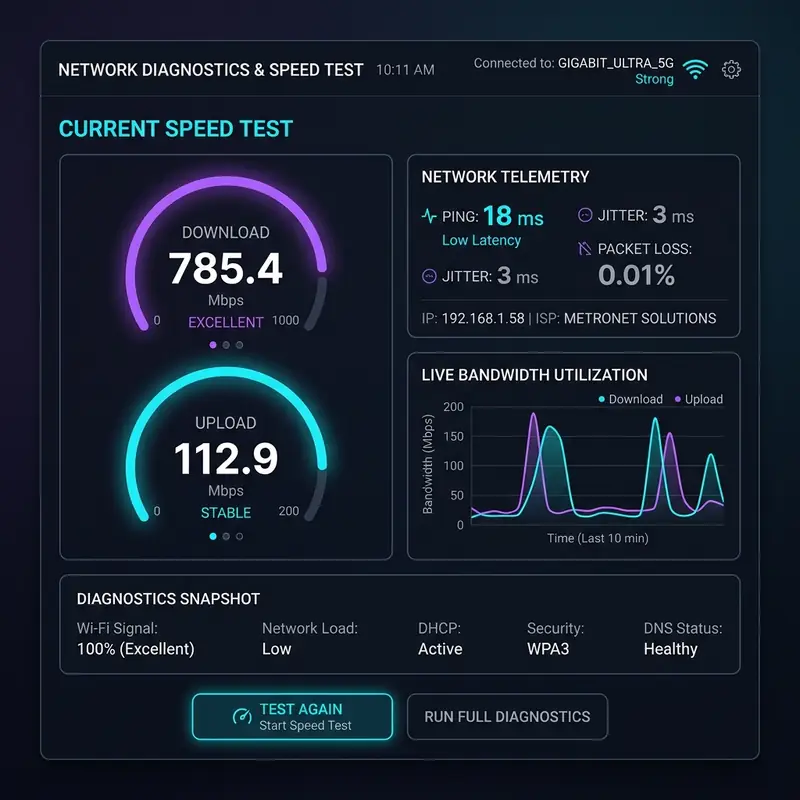
To further refine server performance, understanding core networking metrics is vital. Time to First Byte (TTFB) is a critical metric that measures the duration from when a client makes an HTTP request to when the first byte of data is received from the server.
A lower TTFB indicates a more responsive server and can be influenced by various factors, including server location, network latency, and the efficiency of the backend processing. For VPS providers like Vultr and DigitalOcean, optimizing server locations and employing Content Delivery Networks (CDNs) can greatly enhance TTFB, particularly for users with a global audience.
Another key metric is server load, which indicates how many processes are actively using the CPU. High server loads can lead to performance bottlenecks, especially if the server resources are not adequately allocated.
Monitoring tools can provide insights into server load patterns, allowing users to adjust their resource allocation dynamically. Bandwidth allocation is similarly important; it determines how much data can be transmitted over a network in a given time frame.
Properly managing bandwidth ensures that users experience consistent speeds, especially during peak traffic times.
Lastly, a thorough performance tuning process involves regular benchmarking against industry standards. By leveraging tools and techniques such as load testing and performance profiling, users can identify which components of their server setup are underperforming and make informed decisions about necessary optimizations. Vultr and DigitalOcean provide various monitoring and scaling options that can help users maintain optimal performance levels as their traffic demands evolve.
Implementing Server-Side Cybersecurity Protocols for Enhanced Protection

In addition to SSL, configuring IP tables is a critical component of server security. IP tables serve as a firewall that can filter incoming and outgoing traffic based on predefined rules.
By setting up rules that only allow traffic from known IP addresses and blocking unwanted connections, users can create a formidable barrier against unauthorized access. This level of control over network traffic is essential for safeguarding sensitive data and maintaining the integrity of applications hosted on VPS platforms.
DDoS (Distributed Denial-of-Service) attacks pose a significant threat to online services, and implementing a DDoS firewall is an effective measure to mitigate such risks. A DDoS firewall can detect and filter out malicious traffic before it reaches the server, ensuring that legitimate users remain unaffected.
Both Vultr and DigitalOcean offer DDoS protection features, but users should also consider additional third-party solutions for enhanced security, particularly if their applications are high-profile targets.
Furthermore, directory permissions play a important role in protecting sensitive files and applications. Properly configuring directory permissions can prevent unauthorized users from accessing critical system files or altering application directories. By adhering to the principle of least privilege, users can ensure that only necessary permissions are granted, reducing the potential attack surface. Regular audits of directory permissions can help identify and rectify any misconfigurations, further enhancing security.
Finally, ongoing security monitoring and updates are vital components of a robust cybersecurity strategy. Implementing tools that provide real-time alerts for suspicious activities can help users respond quickly to potential threats.
Additionally, keeping software and dependencies updated ensures that known vulnerabilities are patched, reducing the risk of exploitation. By adopting a holistic approach to server-side cybersecurity, users of Vultr and DigitalOcean can create a secure environment for their applications and sensitive data.
Analyzing Hosting Limitations: Shared Servers vs. Dedicated and Cloud Machines
When comparing hosting options, it is important to understand the limitations inherent in different server types. Shared servers, for instance, host multiple websites on a single server, leading to potential performance bottlenecks. Resource allocation is not guaranteed, meaning that if one site experiences a surge in traffic, it can adversely affect the performance of others. This shared environment is often sufficient for small websites or personal projects but can pose significant challenges for businesses that rely on consistent performance and uptime.Dedicated servers, on the other hand, provide an entire physical server exclusively for one user or organization. This offers unparalleled performance and control, allowing users to configure the server environment to their specific needs.
However, dedicated hosting can be significantly more expensive than shared options and requires a higher level of technical expertise to manage effectively. For businesses with demanding applications or high traffic, dedicated servers may offer the best performance, but the investment must be justified by the need for dedicated resources.
Cloud machines present a middle ground, combining the benefits of scalability and flexibility. With cloud hosting, users can easily scale their resources up or down based on demand, making it an excellent choice for businesses experiencing fluctuating traffic.
However, users must be aware of the potential for DNS propagation errors when switching or scaling resources. DNS changes can take time to propagate across the internet, potentially leading to downtime or access issues for users.
Understanding how DNS works and planning migrations carefully can help mitigate these challenges.
Database optimization is another critical aspect to consider. Poorly optimized database queries can lead to significant performance issues, regardless of the server type.
Common pitfalls include failing to index tables properly or relying on complex queries that strain server resources. Users must regularly review and optimize their database configurations to ensure efficient data retrieval and processing.
Both Vultr and DigitalOcean provide insights and tools that can assist in diagnosing and improving database performance.
Service Level Agreements (SLAs) are also an important consideration when evaluating hosting options. An SLA outlines the level of service a provider commits to delivering, including uptime guarantees and support response times.
For businesses that rely on their online presence, a strong SLA can provide peace of mind and set clear expectations. It’s essential to read the fine print and understand the specifics of what is covered in the SLA, as this can vary significantly between providers like Vultr and DigitalOcean.
In summary, each hosting option presents unique advantages and limitations. Users must assess their specific needs, technical expertise, and budget when determining the best fit for their applications. By carefully considering the trade-offs of shared servers, dedicated machines, and cloud hosting, users can make informed decisions that align with their operational goals and performance requirements.