How to Setup a Free VPS on Google Cloud Platform (GCP Free Tier)

Setting up a Free VPS on Google Cloud is a straightforward process that allows users to harness cloud computing resources without incurring costs. In the contemporary digital landscape, where businesses and individuals alike are increasingly reliant on cloud computing, having access to a reliable and cost-effective Virtual Private Server (VPS) can significantly enhance productivity and operational efficiency. Google Cloud Platform (GCP) offers a Free Tier that enables users to create a VPS without the burden of monthly fees, making it an attractive option for developers, startups, and those seeking to experiment with cloud technologies.
The GCP Free Tier includes a variety of services, but one of its most appealing offerings is the ability to deploy a virtual machine at no cost. This virtual machine can be utilized for a range of applications, including web hosting, application development, or even learning and experimenting with cloud technologies.
By leveraging GCP’s robust infrastructure, users can ensure that their applications are scalable, secure, and high-performance. Throughout this blog post, we will delve into the technical concepts surrounding web servers and hosting, provide a comprehensive step-by-step guide to setting up your free VPS, and compare the various options available within the GCP ecosystem.
Understanding Web Servers and Hosting
To fully appreciate the significance of setting up a VPS, it is essential to understand the foundational concepts of web servers and hosting. A web server is a powerful computer or software system that stores, processes, and delivers web pages to users.
When a user enters a web address into their browser, the web server processes that request and serves the appropriate web content, which can include text, images, videos, and applications. This interaction is facilitated through the Hypertext Transfer Protocol (HTTP) or its secure counterpart, HTTPS, which governs the communication between the client (the user's browser) and the server.
Hosting, on the other hand, refers to the service that allows individuals and organizations to make their websites accessible via the Internet. There are various hosting options available, including shared hosting, dedicated servers, and VPS hosting.
Shared hosting involves multiple users sharing the same server resources, which can lead to performance issues during high traffic. Dedicated servers, while offering greater control and resources, can be quite expensive, making them less accessible for smaller projects.
VPS hosting strikes a balance by providing dedicated resources within a shared environment, allowing users to have greater control and flexibility without the high costs associated with dedicated servers.
In the context of Google Cloud Platform, the GCP Free Tier allows users to create a VPS, or virtual machine, that operates in a cloud environment. This means that the server is not tied to a physical machine but instead exists as a virtual instance that can be easily scaled and managed.
The GCP Free Tier includes specific limits on resources, ensuring that users can experiment and develop without incurring charges as long as they stay within the allocated quotas. This makes it an excellent option for developers, students, and anyone interested in exploring cloud computing.
Step-by-Step Guide to Create a Free VPS on GCP
Setting up a free VPS on Google Cloud Platform is a straightforward process when you follow the right steps. Below is a detailed guide to help you navigate the setup process, ensuring that even the most novice users can successfully create their virtual machine.
1. **Create a Google Cloud Account**: First, you need to visit the Google Cloud Platform website and sign up for an account. Google offers a generous free trial that provides a credit to use on various services for the first 90 days. If you already have a Google account, you can use that to sign in; otherwise, you will need to create a new account.
2. **Access the Google Cloud Console**: Once you have created or signed into your account, you will be directed to the Google Cloud Console. This is where you can manage your cloud resources. Familiarize yourself with the interface, as it will be your primary tool for navigating GCP services.
3. **Select a Project**: In the Console, you will need to create a new project or select an existing one. Projects in GCP are organizational units that allow you to manage resources and services. Click on the project dropdown in the top navigation bar and select "New Project." Give your project a name and click "Create."
4. **Enable Billing for Your Project**: Although the GCP Free Tier does not charge for the free resources, you still need to enable billing for your project. This is a simple process where you will be prompted to enter your billing information. Rest assured, as long as you stay within the Free Tier limits, you will not incur any charges.
5. **Navigate to Compute Engine**: Once billing is enabled, navigate to the "Compute Engine" section within the Console. This is the service that handles virtual machines (VMs). You may need to wait a few seconds for the Compute Engine API to be enabled.
6. **Create a New Virtual Machine Instance**: Click on "VM instances" in the sidebar and then the "Create Instance" button at the top. Here, you will be prompted to configure your new virtual machine. You can choose from various machine types; for the Free Tier, select the "f1-micro" instance type, which is eligible under the Free Tier.
7. **Select a Region and Zone**: Choose a region and zone for your virtual machine. It is wise to select a region that is geographically close to you or your target audience to reduce latency. The Free Tier is available in specific regions, so ensure that you choose accordingly.
8. **Configure Boot Disk and Operating System**: Next, you will need to select the operating system for your VPS. GCP offers a variety of options, including various Linux distributions like Ubuntu, CentOS, and Debian, as well as Windows Server options. For most users, a Linux distribution is recommended for ease of use and resource efficiency.
9. **Firewall Settings**: Before launching your VM, configure your firewall settings. You can allow HTTP and HTTPS traffic, which is important if you plan to host a website. Simply check the corresponding boxes to enable these settings.
10. **Create the Instance**: Review your configurations and click the "Create" button to launch your virtual machine. Within moments, your VPS will be up and running, and you will be able to access it.
11. **Connect to Your VPS**: After your VM instance is created, you can access it via SSH directly from the GCP Console. Click on the "SSH" button next to your instance name to open a terminal window in your browser. You can also connect using an SSH client if you prefer.
By following these steps, you will have successfully set up a free VPS on Google Cloud Platform. This virtual machine can now be used for various purposes, including hosting applications, storing data, or experimenting with different cloud technologies.
Comparative Overview of GCP Free Tier Options
To help you better understand the various options available within the GCP Free Tier, it is beneficial to compare the different virtual machine types and configurations. Below is a structured table that outlines the key features of the Free Tier offerings, enabling users to make informed decisions based on their specific needs.
| Instance Type | vCPUs | Memory (GB) | Free Tier Availability | Use Case |
|---|---|---|---|---|
| f1-micro | 1 | 0.6 | Yes | Light web applications, testing |
| g1-small | 1 | 1.7 | No | Small applications, development environments |
| e2-micro | 2 | 1 | Yes | Small websites, lightweight applications |
| n2-standard-2 | 2 | 8 | No | Moderate applications, databases |
This table provides a clear overview of the resources allocated to each instance type available under the GCP Free Tier. The f1-micro and e2-micro instances are particularly noteworthy, as they are the only options that fall under the Free Tier eligibility, allowing users to leverage cloud resources without incurring costs.
The f1-micro offers minimal resources, making it ideal for light web applications and testing, while the e2-micro provides slightly more memory, catering to small websites and lightweight applications.

Additional Resources and Recommended Links
For those looking to dive deeper into cloud computing concepts or seeking guidance on related topics, a wealth of resources is available online. We recommend exploring the official Google Cloud documentation, which provides extensive information on setting up and managing various services.
Additionally, consider checking out forums and community discussions on platforms like Stack Overflow or Reddit, where you can engage with other users and gain insights from their experiences. For an in-depth comparison of different VPS providers, you can read our article on Vultr vs DigitalOcean VPS Comparison.
If you are interested in hosting multiple WordPress sites on a single VPS, our guide on How to Host Multiple WordPress Websites on a Single VPS will provide you with practical tips and techniques.
Advanced Server Performance Tuning, Cache Policies, and Core Networking Metrics
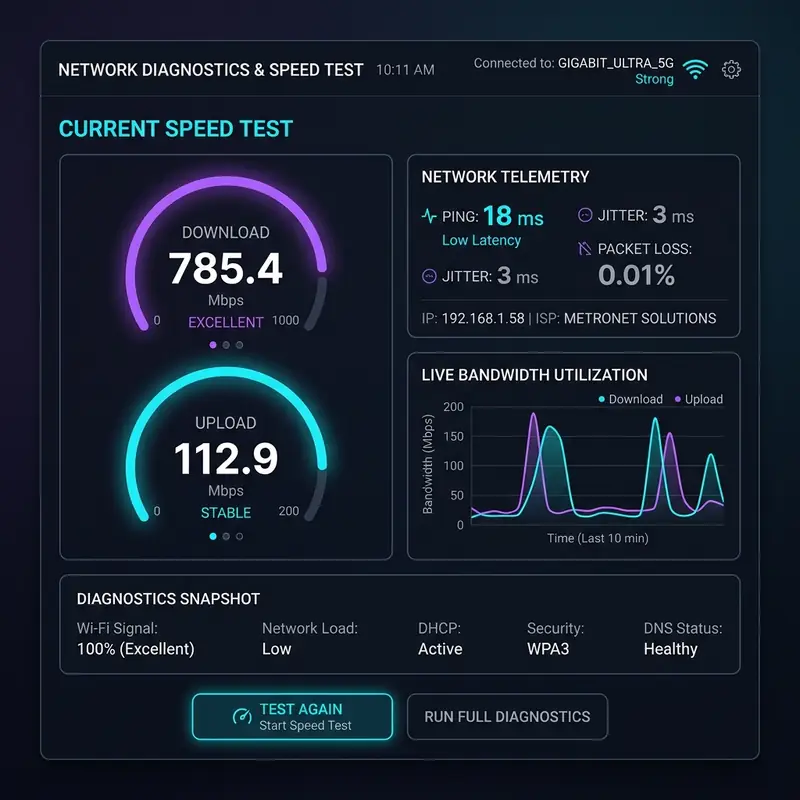
In addition to TTFB, server load is another important metric to monitor. High server load can lead to sluggish performance and increased latency, which detracts from user experience.
Regularly assessing CPU and memory usage can help identify bottlenecks. Tools like Google Cloud's Stackdriver can be invaluable for monitoring these metrics in real-time.
By being proactive in identifying and resolving performance issues, you can maintain a smooth operational flow and prevent downtimes that can frustrate users.
Caching mechanisms are vital for enhancing server performance. Implementing OPcache for PHP applications can significantly reduce script execution times by storing precompiled script bytecode in shared memory, thereby minimizing filesystem access.
For applications that require dynamic content generation, using caching solutions like Redis or Memcached can drastically improve response times. Redis, being an in-memory data structure store, can serve complex queries swiftly, whereas Memcached is designed for simplicity and speed, making it suitable for caching database query results.
Bandwidth allocation is another key consideration in server performance. Understanding how much bandwidth your applications require, and configuring your network settings accordingly, can help avoid congestion and ensure that users have a seamless experience. Consider implementing Quality of Service (QoS) rules to prioritize critical application traffic over less important data, which can ensure that performance remains optimal even during peak usage times.
Finally, regularly reviewing and adjusting your server configurations based on performance metrics will help you stay ahead of any potential issues. This ongoing optimization process not only enhances user experience but also can lead to cost savings by ensuring that resources are not being wasted on inefficient configurations. By focusing on these aspects, you can build a robust VPS setup that meets your application's demands effectively.
Robust Server-Side Cybersecurity Protocols: SSL, IP Tables, and DDoS Protection

Another critical component of server security is the proper configuration of IP tables. IP tables allow you to set rules for network traffic entering and leaving your server, effectively acting as a firewall.
By default, many servers come with permissive rules, which can leave them vulnerable to attacks. It is advisable to configure IP tables to block unwanted traffic while permitting essential ports for services like SSH, HTTP, and HTTPS.
Regularly reviewing and updating these rules is necessary to adapt to changing security landscapes and threats.
DDoS attacks can devastate your server’s performance and availability. Implementing a DDoS firewall is a important measure to mitigate such risks. Google Cloud offers built-in DDoS protection features that automatically scale in response to attacks, helping to maintain the availability of your applications. Additionally, you can deploy third-party DDoS mitigation services that provide more granular control and monitoring, ensuring that any suspicious activity is detected and addressed swiftly.
It’s also vital to manage directory permissions correctly on your server. Improperly set permissions can lead to unauthorized access to sensitive files. By adhering to the principle of least privilege, you can minimize the attack surface. Ensure that directories containing sensitive information are only accessible to the necessary users and services. Regular audits of these permissions can help identify and rectify any potential vulnerabilities.
Finally, maintaining a comprehensive logging and monitoring system will help you detect potential breaches early. Utilizing tools that provide real-time alerts and detailed logging can help trace back any suspicious activity, allowing for quicker responses to incidents. By implementing these cybersecurity protocols, you can significantly bolster your server’s defenses and ensure a safer environment for your applications and data.
Understanding Hosting Limitations: Shared vs. Dedicated Servers and Their Impact
When it comes to web hosting, understanding the limitations associated with different types of servers is important for making informed decisions that align with your needs. Shared hosting environments, while cost-effective, come with significant drawbacks. In a shared hosting setup, multiple websites share the same server resources, which can lead to performance issues. If one site experiences a traffic surge, it can negatively impact the performance of others on the same server. This is particularly problematic for businesses that rely on consistent uptime and performance, as the unpredictable nature of shared resources can lead to frustrating user experiences.On the other hand, dedicated servers or cloud-based machines provide a higher level of performance and reliability. With dedicated servers, you have sole access to all the server resources, meaning that your applications can operate without interference from other tenants.
This not only leads to improved load times but also allows for better scalability as your business grows. Cloud machines, like those offered by Google Cloud, provide the added benefit of flexibility.
You can easily scale resources up or down based on your current needs, ensuring that you only pay for what you use, which can be particularly advantageous for businesses with fluctuating workloads.
Another critical aspect to consider is DNS propagation errors. When you change your domain's DNS settings, it can take time for these changes to propagate across the internet, leading to potential accessibility issues.
Understanding this process is vital, as it can affect how users access your website during this transition. DNS changes can take anywhere from a few minutes to 48 hours to fully propagate, depending on various factors such as TTL (Time To Live) settings.
During this time, users might encounter inconsistencies, accessing either the old or new server settings, which can lead to confusion or loss of traffic.
Database optimization is another area where hosting limitations can become apparent. While shared hosting may suffice for small applications, as your database grows, you might encounter performance bottlenecks.
Shared environments typically lack the resources necessary for advanced database optimization techniques, which can lead to slow query responses and overall application sluggishness. Dedicated servers or cloud hosting solutions provide the necessary power to implement these optimizations, ensuring that your applications run smoothly even with large datasets.
Finally, consider the implications of Service Level Agreements (SLAs) when choosing between shared and dedicated hosting. SLAs outline the expected uptime and support levels provided by your hosting provider.
Shared hosting solutions often come with minimal SLAs, which can leave you vulnerable in the event of downtime. In contrast, dedicated and cloud hosting solutions usually offer more robust SLAs, ensuring that you have access to timely support and guaranteed uptime.
By carefully considering these hosting limitations and their implications, you can make a more informed decision that best suits your needs and future growth plans.