UniFi WiFi AI Auto Channel Optimization: Does It Actually Work?

UniFi WiFi AI Auto Channel Optimization can significantly enhance network performance, but results may vary based on environmental conditions and equipment.
In an era of increased connectivity demands, effective WiFi management is paramount. Properly configured networks are essential to accommodate the growing number of smart devices and high-bandwidth applications that demand reliable connections.
UniFi's AI Auto Channel Optimization feature is designed to improve wireless signal quality by intelligently selecting the best channels available for use. This dynamic adjustment capability is crucial in minimizing the effects of interference and congestion within a given area.
Understanding Channel Interference
Channel interference occurs when multiple devices operate on the same frequency, leading to decreased performance and unstable connections. WiFi operates in the 2.4 GHz and 5 GHz frequency bands, each of which has distinct characteristics affecting signal propagation, efficiency, and the potential for interference.
Factors such as physical barriers, electronic devices, and overlapping networks contribute significantly to channel congestion. Common culprits include appliances like microwaves, cordless phones, and network crossover from neighboring setups, which can introduce additional noise into the environment.
How UniFi AI Auto Channel Optimization Works
The UniFi AI feature utilizes advanced machine learning algorithms to analyze surrounding networks and traffic patterns continuously. By evaluating the utilization of channels in real time, it can identify less crowded options for optimal performance.
This comprehensive analysis informs the system about the best channels for transmitting data with minimal interference, thereby enhancing the overall quality of the WiFi signal across devices. This process is essential to ensure that the network can sustain high-performance levels under varying conditions.
Benefits of Using AI Channel Optimization
Utilizing AI optimization can lead to a more stable and reliable WiFi experience for end-users. Enhanced signal integrity directly impacts user satisfaction in environments with multiple devices accessing the network simultaneously.
Benefits include reduced latency, improved data rates, and enhanced connectivity for multiple concurrent users. This becomes especially crucial for applications requiring real-time data transmission, such as video conferencing, online gaming, and streaming services.
Limitations of the Technology
Despite its advantages, the AI Auto Channel Optimization isn't foolproof and comes with inherent limitations. Factors like rapid environmental changes, seasonal variations, or hardware limitations may hinder performance improvements and effectiveness.
Dynamic environments may still present challenges resulting in suboptimal performance despite optimization efforts. Users might experience fluctuations in performance that are not entirely mitigated by the optimization technology, necessitating further manual interventions.
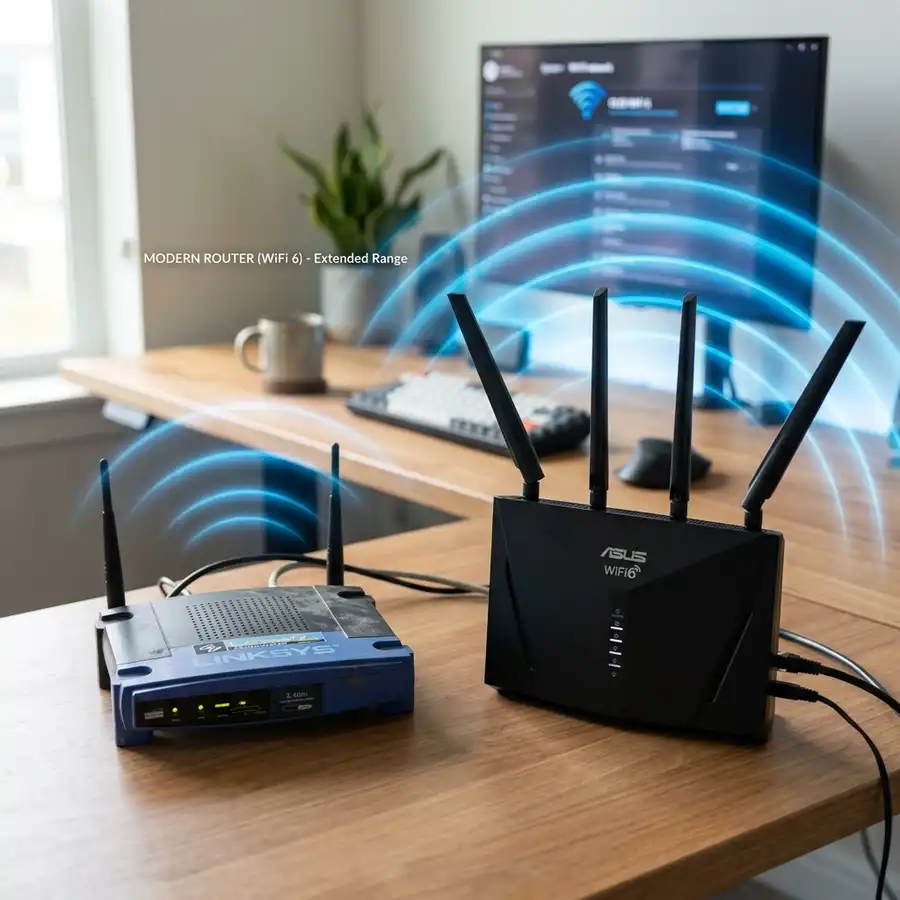
Performance Comparison of Channel Optimization
| Metric | Without AI Optimization | With AI Optimization |
|---|---|---|
| Average Throughput | 150 Mbps | 200 Mbps |
| Latency (ms) | 30 | 20 |
| Packet Loss (%) | 5 | 1 |
| Signal Strength (dBm) | -70 | -60 |
Real-World Applications and User Experiences
Users report varied experiences when implementing UniFi's AI optimization technology in their environments. This inconsistency may stem from inherent differences in network topologies, device variety, and user activity profiles within unique environments.
Some network setups notice substantial improvements, while others do not see significant changes. User feedback often highlights specific contexts, such as densely populated areas, where optimization delivers distinct benefits compared to lower-density environments.
Evaluating Cost versus Benefit
When considering whether the investment in AI Auto Channel Optimization is justified, it is essential to weigh the potential for enhanced performance against the costs involved. The overall effectiveness of such technology must be critically assessed in relation to the unique requirements of the user's particular environment.
The ROI of investing in AI optimization may be particularly valuable in environments characterized by high device density. In settings like offices, conference rooms, or public spaces, the performance gains from intelligent optimization can justify the investment in automation and advanced features.
Advanced Troubleshooting Techniques
When connectivity problems arise, advanced troubleshooting techniques can be applied to ensure optimal functionality and system reliability. Comprehensive analysis tools can help identify sources of interference and assess overall network health through extensive monitoring practices.
Employing spectrum analyzers can provide detailed insights into frequency usage, revealing which channels are prone to congestion and performance drops. Understanding the electromagnetic spectrum and effectively assessing traffic patterns is critical for addressing performance-related issues appropriately.
Analyzing Signal Strength and Quality
Evaluating signal strength and quality is crucial to maintaining a healthy and efficient network. High-quality measurement tools can assist in determining where signal degradation occurs and the extent of its impact.
Signal quality metrics, such as Signal-to-Noise Ratio (SNR), can indicate the presence of potentially harmful electromagnetic interference. Identifying noise sources can significantly improve channel selection, leading to better overall system performance.
Identifying Physical Barriers
Physical barriers, including walls and furniture, can severely affect WiFi signal propagation and overall strength. Building materials such as concrete or metal can obstruct radio waves, necessitating careful and strategic access point placement to optimize coverage.
Conducting a comprehensive site survey can ascertain the best locations for access points, maximizing coverage and mitigating dead spots effectively. Understanding the physics of wave propagation is essential for minimizing the effects of obstacles encountered during transmission.
Using Network Monitoring Tools
Network monitoring tools allow for thorough oversight of performance metrics and real-time connectivity status. Such tools can highlight bottlenecks and points of failure in the overall network infrastructure for immediate remediation.
These insights can be pivotal when making informed adjustments, thus ensuring a seamless user experience. Regular assessments using monitoring tools also facilitate proactive maintenance strategies that can anticipate potential issues.
Industry Standards and Best Practices
Familiarity with industry standards and best practices can vastly enhance a network's reliability and performance. Adhering to guidelines set forth by organizations like the IEEE ensures compliant and efficient network setups, preventing issues from arising due to misconfiguration.
Utilizing advanced security protocols such as WPA3 for encryption adds a crucial layer of security in today’s interconnected technology landscape. Staying informed on technological advancements is key to optimizing both network performance and security measures effectively.
Optimal Channel Selection
Determining the most suitable channels involves a comprehensive understanding of the 2.4 GHz and 5 GHz bands. The 2.4 GHz band offers fewer channels, with only three non-overlapping options in the U.S., which can easily become congested.
In contrast, the 5 GHz band provides a wider array of channels, thus allowing for better performance in congested environments typically found in urban areas. Best practices dictate prioritizing the use of the 5 GHz band where feasible to reduce interference and improve overall connectivity.
Regular Network Maintenance
Conducting regular network maintenance can prevent performance-related issues from arising over time within the network architecture. Routine checks can help identify hardware malfunctions and necessary software updates that enhance both functionality and security measures.
Documenting network configurations systematically aids in troubleshooting efforts while identifying efficiencies and improvements over time. Establishing a detailed regimen for maintenance contributes to significantly enhanced long-term performance reliability and user satisfaction.
Understanding Wireless Protocols
Knowledge of the various wireless protocols available is essential for effective network deployment. Familiarity with standards like 802.11ac and 802.11ax can significantly impact overall performance outcomes in the network environment.
These protocols dictate the data transmission speeds, distance coverage, and capacity limits within the network. Properly selecting and configuring the right protocol for specific use cases can lead to optimal network performance and user satisfaction.
Professional Tips for Enhancing WiFi Performance
Implementing professional tips and recommendations can significantly enhance overall WiFi performance and user experience. Expert advice can lead to meaningful improvements even in challenging environments where performance is critical.
Utilizing dual-band routers can facilitate better management of device connections along with optimizing bandwidth allocation. Prioritizing devices based on usage needs ensures essential applications receive the necessary bandwidth for reliable performance.
Utilizing Mesh Networking Solutions
For expansive areas such as large homes or campuses, mesh networking solutions can effectively extend coverage significantly. These systems greatly reduce dead zones and enhance connectivity across large spaces, enabling seamless internet access throughout the environment.
Mesh systems employ multiple nodes functioning collaboratively to create a single cohesive network, thus minimizing signal losses and enhancing performance. This technology is particularly effective in homes with multiple stories or dense walls that typically obstruct signal propagation.
Adapting to User Behavior
Understanding user behavior patterns can also inform proactive network optimization efforts. Monitoring usage trends and peak hours allows administrators to make informed decisions about resource allocation based on actual usage statistics.
Adapting network configurations based on peak usage times can alleviate congestion during high-demand periods, ultimately improving the quality of service. Effectively anticipating user needs can greatly elevate overall satisfaction levels concerning network performance and reliability.
Step-by-Step Procedures for Optimizing Network Performance
Establishing systematic procedures for network optimization is essential for maintaining high performance and reliability over time. Documenting each step meticulously can enhance clarity and outcomes during a setup or troubleshooting process.
1. Assess current network performance metrics using dedicated monitoring tools to identify key areas of concern.
This assessment should evaluate metrics such as bandwidth usage, data throughput, and latency levels across various devices.
2. Conduct a thorough site survey to determine optimal access point locations, carefully factoring in wall materials, interference sources, and user density across different areas.
Use RF tools to visualize signal strengths in various locations of the environment.
3. Implement the AI Auto Channel Optimization feature and monitor its initial effects over a minimum duration of one week.
Allow sufficient time for the system to adapt to changing network conditions and user behavior.
4. In the event that optimization does not yield satisfactory results, consider manually testing alternative channels that may provide better performance.
This may involve adjusting settings based on expert assessments and real-time data feedback.
5. Perform a follow-up site survey to evaluate any changes in performance metrics.
This will help confirm the effectiveness of adjustments made during optimization efforts and ensure continued operational integrity.
Advanced Techniques for Troubleshooting Wireless Networks
Employing systematic approaches to troubleshooting can unveil underlying issues affecting network performance. A well-structured methodology ensures comprehensive diagnostics and identifies solutions effectively.
Utilizing Signal Mapping Tools
Signal mapping tools measure the strength and coverage of WiFi signals throughout the environment. These tools visualize dead zones and areas of interference, enabling precise identification of problematic locations and necessary adjustments.
Employing heat maps generated by such tools can aid in optimizing access point placements and reducing coverage gaps. This alignment with user needs enhances the overall network experience and minimizes performance degradation.
Reading and Interpreting Logs
Log files generated by networking equipment can provide vital information regarding network traffic and performance anomalies. Analyzing these logs can reveal patterns associated with connectivity issues, packet loss, and potential hardware failures.
Regular log auditing helps network administrators maintain oversight on device health and behavior. Thorough investigations can significantly contribute to preemptive measures and ensures smoother operation over time.
Verifying Firmware Updates
Keeping network devices updated with the latest firmware is fundamental to maintaining security and performance. Firmware updates often contain fixes for known issues, enhancements, and compatibility improvements with other network components.
Regular checks for updates across all devices in the network help minimize vulnerabilities and ensure optimal functionality. Integrating this practice into routine maintenance significantly contributes to overall network resilience.
Exploring the Physics of Wireless Signals
Diving into the physics governing wireless signals reveals important insights into optimization strategies. Understanding wave propagation, frequency behavior, and absorption characteristics enhances knowledge about maximizing performance.
The Role of Frequency in Signal Propagation
The frequency of wireless signals directly impacts their ability to penetrate through various materials. Higher frequencies, such as those in the 5 GHz band, typically offer faster data rates but have reduced range compared to lower frequencies, such as those in the 2.4 GHz band.
This relationship dictates that while 5 GHz networks may excel in open environments, their performance may significantly diminish when traversing physical barriers. Awareness of these trade-offs assists in effective network design decisions.
The Impact of Electromagnetic Interference
Electromagnetic interference (EMI) can severely disrupt wireless communications, causing degradation of signal quality. Common sources of EMI include fluorescent lights, motors, and electronic devices operating within similar frequency ranges.
Identifying and mitigating sources of EMI is crucial for enhancing overall network functionality. Implementing shielding techniques or repositioning devices can reduce the susceptibility of signals to disruptive interference.
To expand on this subject, it is highly useful to also explore how to best cheap gigabit router in detail.
To expand on this subject, it is highly useful to also explore how to best 2.4ghz wifi channel in detail.
Frequently Asked Questions
How long does it take for AI Channel Optimization to take effect?
The optimization process generally takes a few minutes once activated, but continual adjustments occur over time as network conditions change based on real-world usage. Users may notice gradual improvements as the system learns and adapts its settings dynamically.
Is AI optimization necessary for all networks?
While beneficial, AI optimization may not be essential for smaller networks with minimal interference or limited device connections. Simple setups may function adequately without the added complexities of AI management intervention.
Can users manually select channels if needed?
Yes, users have the option to manually select channels if they prefer a specific configuration over automated optimization. This flexibility allows for tailored setups based on specific environmental conditions and desired outcomes.

Conclusion
In conclusion, UniFi WiFi AI Auto Channel Optimization is a powerful tool for improving network performance in many scenarios, especially in congested environments. Adoption of this technology can lead to significant benefits in user experience while optimizing resource utilization among competing devices.
However, its effectiveness may vary significantly based on specific environmental factors and user needs, necessitating a versatile approach to managing network performance. A comprehensive understanding of the factors influencing WiFi performance is crucial for maximizing the benefits of channel optimization capabilities.
![Google Cloud Associate Certification: 6 Steps to Get It [2026]](https://umoaupsqhrhivceztycp.supabase.co/storage/v1/object/public/media/wp-uploads/2025/05/best-code-editors-for-beginners.webp)