Using a lagging Android phone that stutters when opening the keyboard or takes several seconds to respond to your touch inputs is a highly frustrating experience. Because of the vast ecosystem of Android devices from different brands (Samsung, Xiaomi, Motorola, Realme), it is a highly versatile operating system, but one that requires regular maintenance to preserve its original fluidity. If you feel that your smartphone has lost its performance, know that learning how to speed up Android phone does not require purchasing a new device. In this comprehensive guide, you will discover **15 proven solutions to speed up your Android phone today**.
To optimize Android performance, we must target three main hardware pillars: the CPU, RAM, and internal storage. Accumulated temporary files, poorly optimized automatic updates, and unnecessary background processes are the main culprits draining these components. To start the optimization process on the right foot, look at the comparison table below to understand which actions offer the highest immediate speed boost on your phone:
| Optimization Procedure | How It Improves Performance | Estimated Speed Gain | Difficulty Level |
|---|---|---|---|
| Reduce System Animations | Decreases graphical rendering times demanded from the GPU. | Very High (Immediate) | Easy (Developer Options) |
| Clear Cache and System Junk | Frees up essential physical space for system page files. | High | Easy (Files by Google) |
| Restrict Background Apps | Reclaims active physical RAM for running applications. | High | Medium (Battery Settings) |
| Disable Default Bloatware | Prevents pre-installed junk apps from consuming CPU cycles. | Medium | Easy (Apps Menu) |
| Disable Widgets and Live Wallpapers | Reduces constant RAM usage on home screen rendering. | Medium | Very Easy (Remove from home screen) |
1. Disabling or Reducing System Transition Animations
Whenever you navigate your Android phone, open folders, scroll through feeds, or switch apps, the operating system renders transition animations to make the UI look fluid. However, on budget processors or older integrated graphic chips, these animations create graphic bottlenecks, resulting in frame stutters and lag.
To disable these animations and make your system respond instantly, access Android's hidden Developer Options menu:
- Open the **Settings** app on your Android device.
- Scroll down and select **About Phone** (or About Device).
- Tap on *Software Information* and look for **Build Number** (or Version).
- Tap **Build Number 7 times consecutively** until a prompt appears confirming you are now a developer.
- Return to the main Settings menu and select the new **Developer Options** section (usually under "System").
- Scroll down to find these scale settings: **Window animation scale**, **Transition animation scale**, and **Animator duration scale**.
- Change them from "1x" to **"0.5x"** (for faster animations) or select **"Animation off"** (for instant response).
This simple change reduces visual rendering times to zero, making windows and menus pop open immediately without visual delays. Even if you choose 0.5x, the visual response is twice as fast. Reducing transition times is particularly helpful for older phones with high-resolution screens because it frees up the GPU to focus solely on loading raw app interfaces instead of processing dynamic fades and slides.
2. Cleaning RAM and Terminating Background Apps
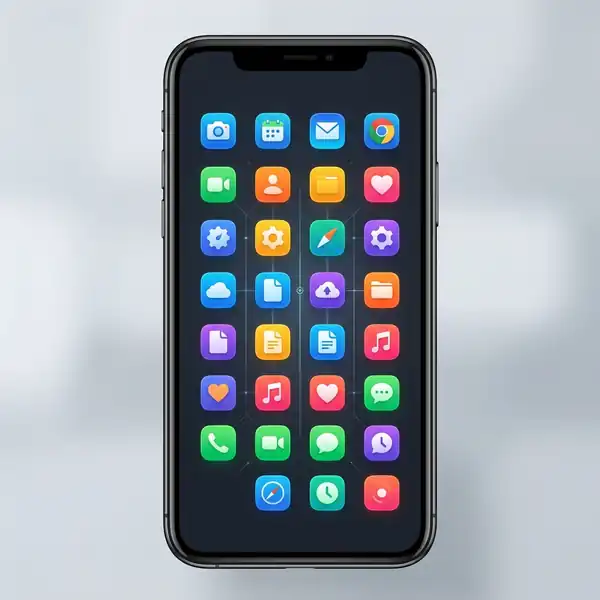
RAM keeps your open applications ready for quick access. However, social media platforms like Instagram and TikTok, alongside web browsers, keep running background tasks to track notifications and location updates, saturating your active RAM.
To clean your RAM and terminate these background processes safely:
- **Use native system tools:** Samsung phones feature the *Device Care > Memory* menu, where you can tap **Clean Now** to close inactive tasks. Xiaomi devices have the *Security* app, which performs similar memory cleaning operations.
- **Avoid third-party cleaner apps:** Third-party memory booster apps promise miracle speed gains, but they run constantly in the background, consuming CPU resources and battery power. Android's native memory management is much more effective.
If you notice persistent lag even after closing apps, your phone might have system conflicts or hidden malware. If your phone exhibits unusual battery drain or heat spikes, check our guide on how to know if your phone is being tracked to run a security diagnostic check.
3. Clearing Cache and Hidden System Junk Files
Apps you open save images, templates, and scripts in your phone's cache to speed up loading times on future visits. However, after weeks of usage, accumulated cache can easily exceed 5 GB of digital junk, occupying the local storage your processor needs to write virtual page files.
To clear these temporary files, follow the manual steps outlined in our guide on how to clear phone cache correctly to remove media files from browsers and social apps safely.
In addition to manual cleaning, install the official **Files by Google** app. It scans your storage drive for temporary files, duplicate images, and obsolete setup packages (APKs), suggesting safe cleanups in a single tap without deleting your personal photos or documents.
4. Uninstalling or Disabling Factory Bloatware
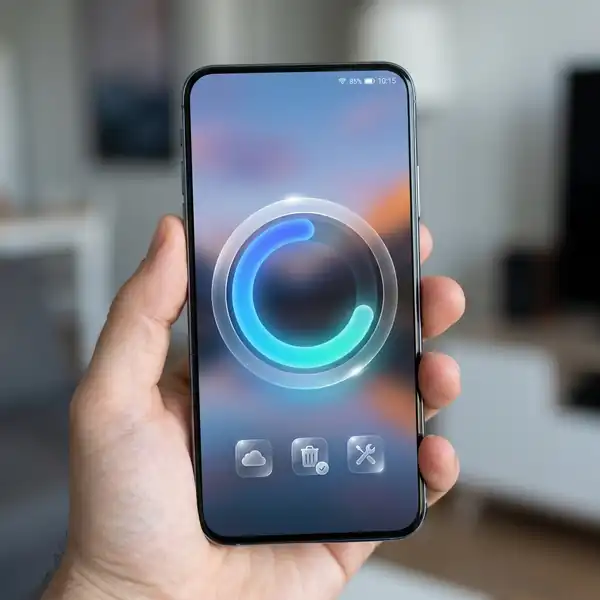
Bloatware refers to the pre-installed applications pre-loaded by phone manufacturers or cellular carriers. Most users never open these apps, yet they continue to consume physical storage and CPU resources in the background.
To reclaim storage space and speed up your Android processor:
- Go to **Settings > Apps**.
- Scroll through the list and select the carrier apps or tools you do not use.
- If available, tap **Uninstall**.
- If the app is protected by factory settings and cannot be uninstalled, select **Disable** (or Turn Off).
Disabling a system app forces Android to remove all accumulated updates, reclaim the physical space occupied, and stop it from running background processes, leaving your device significantly lighter.
5. Switching to "Lite" Apps and Progressive Web Versions
If your Android phone has limited RAM (2 GB or 3 GB) or an entry-level CPU, running full-featured apps like Facebook, Messenger, and Instagram will quickly overload its hardware.
A great alternative to restore speed is replacing these apps with their **Lite** variations (such as *Facebook Lite*). They require less than 10% of the disk space of standard apps and consume far less CPU and RAM. These Lite apps are optimized specifically for older operating systems and slower cellular networks, stripping away unnecessary visual flourishes to deliver essential features quickly.
Another smart tip is opening Google Chrome, accessing the web version of a social app (like Instagram), and selecting "Add to Home Screen" from the browser menu. This creates a Progressive Web App (PWA) shortcut on your home screen, giving you access to the social network without consuming permanent installation storage or running background sync tasks when closed. PWAs operate inside the browser's sandbox environment, which limits their background resource access and keeps your system performing optimally.
You can also use this web-shortcut technique for news sites, streaming hubs, and utility portals. By shifting your usage from heavy native store applications to lightweight web bookmarks, you free up memory and prevent background daemons from slowing down your daily user experience.
6. Optimizing Wireless Connections and Saving Battery
Keeping Wi-Fi, Bluetooth, and mobile connections enabled constantly forces your Android device to scan for nearby networks. Furthermore, if you are in a weak signal area, your phone will increase transmitter power, causing heat and rapid battery drain. To manage this connection drain, check our guide on phone battery draining fast and how to fix it to optimize wireless settings.
Also, avoid using live wallpapers or complex themes with multiple active widgets on your home screen. Every dynamic element on your screen acts as a background app that consumes graphical resources, slowing down app-switching performance.
7. Managing Automatic Background Google Play Store Updates
Automatic background updates are helpful for keeping apps safe, but they can trigger heavy downloads and installations while you are using your phone. The decompressing and writing process demands significant CPU resources, leading to severe frame drops and lagging in your active apps.
To control this behavior, open the **Google Play Store**, tap your profile icon, and select *Settings > Network Preferences*. Tap **Auto-update apps** and choose **Don't auto-update apps** (or select over Wi-Fi only to prevent updates on cellular data). This lets you choose the best time to manually trigger updates under quiet conditions.
8. Reclaiming Disk Space for System Page Splicing
A full storage drive is an overlooked cause of slow Android performance. The operating system requires approximately 10% to 15% of empty disk space to write temporary swap files and manage kernel configurations. When your storage is near capacity, the CPU spends excess cycles managing storage allocation, slowing down active operations. Sincronize your local gallery with Google Photos and use the "Free Up Space" tool to delete physical local files from your phone's memory after backups complete. This maintains necessary workspace for the Android system to execute read/write tasks quickly.
Additionally, examine your "Downloads" directory for large leftover files. Zipped archives, PDFs, carrier documents, and application installers (APKs) gather silently and remain in your local storage long after their initial use. Opening the default Files app, sorting the downloads folder by size, and deleting unnecessary files can immediately recover gigabytes of storage space. This space will act as a buffer for the system, boosting performance throughout the user interface.
9. Advanced Performance Boost: Clearing the System Wipe Cache Partition
If you have tried standard system cleanups and still face lagging issues, you can clear Android's system cache partition. This stores temporary system logs separate from individual app caches and is safe to clear without losing personal files.
To wipe the cache partition using recovery mode, follow these steps:
- Turn off your Android phone completely.
- Press and hold **Volume Up** and the **Power Button** simultaneously (some Samsung models require connecting to a computer via USB cable to enter this mode).
- Release buttons once the brand logo appears. The device will boot into the Android system Recovery screen. Use volume keys to navigate the text menu and select **Wipe Cache Partition** with the power button.
- Select **Yes** to confirm, then select **Reboot System Now** to complete the clean setup.
This process removes obsolete system logs accumulated from previous software updates and system crashes, allowing the system to boot fresh and preventing background conflicts that lead to random UI stuttering.
10. Restoring Factory Settings (Hard Reset) as a Last Resort

If you have cleared caches, removed unused apps, restricted background processes, reduced transition scales, and your Android phone still suffers from severe lag, your operating system may have corrupted system files or hidden adware.
In this case, performing a factory reset (Hard Reset) is the best way to clean your Android device completely and restore its original out-of-the-box hardware performance. Always remember to back up your photos, contacts, and WhatsApp chat history before resetting, as all local data will be permanently wiped.
Once the reset is finished, log into your Google Account and download your applications manually. Avoid restoring from a full system backup, as doing so can restore the exact same corrupted configuration files and background system bugs that caused the slowdowns. Starting fresh ensures your device runs at maximum speed and efficiency.
Summary and Recommendations
Boosting your Android phone's speed involves removing graphical bottleneck transitions and cleaning up obsolete files. By adjusting animation scales, managing background app activity, and using official cleaner tools, you can ensure your device remains fast and responsive. If your smartphone is outdated and you find that hardware limits prevent daily use even after a complete reset, take a look at our review on is the iPhone 12 still worth buying in 2026 as a reliable option for a durable upgrade.
In addition, maintaining a fast device is a continuous habit. Regularly running basic software diagnostics, avoiding memory-hogging live screens, and scheduling occasional restarts will ensure the hardware performs optimally for a longer duration, saving you time and preventing the expense of an early upgrade cycle.