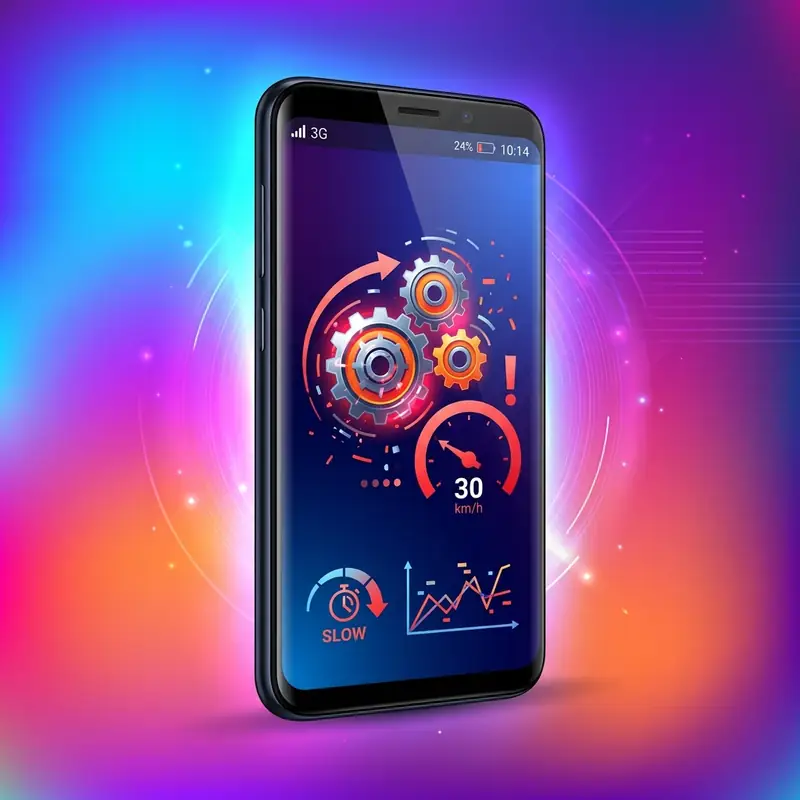
Few things in modern life trigger as much anxiety as watching your smartphone's battery percentage drop rapidly throughout the day. Leaving home with a 100% charge only to see your device issue a low-power warning after just a few hours of moderate usage is a frustrating experience. If your phone battery is draining fast, in most cases, the issue is related to incorrect system settings, poorly optimized background applications, and incorrect charging habits. In this definitive guide, we will uncover the real causes behind fast battery drain and present **15 proven solutions to extend your battery life**, applicable for both Android and iPhone (iOS) systems.
To optimize your smartphone's energy consumption, we must directly target the primary power drains: the screen display, wireless sensors, and background processes managed by your CPU. Before moving to the step-by-step instructions, look at the comparison table below to understand which device resources impact your battery life the most on a daily basis:
| Phone Resource | How It Drains the Battery | Power Consumption Level | Recommended Solution |
|---|---|---|---|
| Screen Brightness | Keeping LCD/OLED display panels at maximum brightness consumes immense power. | Very High | Enable automatic brightness settings and switch to Dark Mode. |
| Location Services (GPS) | Applications tracking your physical location using satellite data continuously. | High | Restrict location permissions to "Only while using the app." |
| Background App Refresh | Applications downloading data and refreshing feeds silently in the background. | High | Disable background refreshing for non-essential applications. |
| Wireless Connections (5G/Bluetooth) | Phone searching for wireless networks or nearby devices constantly. | Medium | Disable Bluetooth when not in use and prefer stable Wi-Fi over 5G. |
| Push Notifications | Waking up the display screen dozens of times daily for notifications. | Medium | Turn off push alerts for unimportant applications. |
1. Identifying Power-Hungry Applications
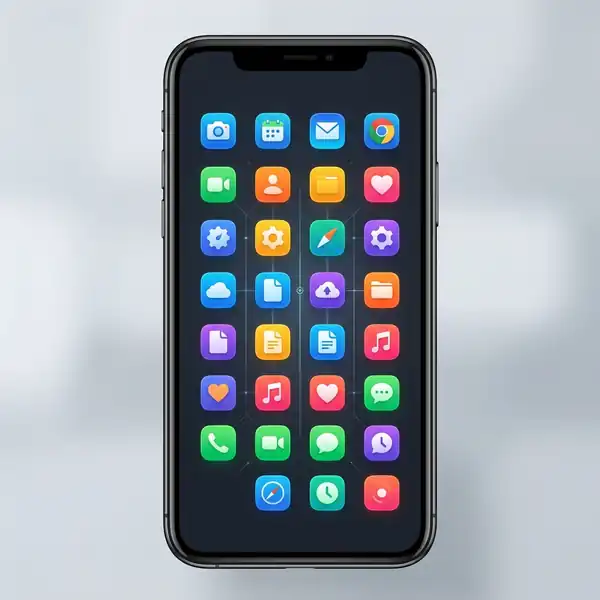
Before modifying any settings on your smartphone, your first step should be discovering exactly where the energy is going. Both Android and iOS operating systems feature comprehensive battery analytics panels that display energy consumption per app over the last 24 hours and up to the past 10 days.
On **Android**, navigate to *Settings > Battery > Battery Usage*. The system displays a list sorted by power percentage. Watch out for apps that consume high percentages of battery without you actively using them. Social media platforms like TikTok, Instagram, and Facebook are known to run background video pre-rendering tasks that consume battery quietly.
On **iPhone (iOS)**, go to *Settings > Battery*. Scroll down to view the application list. Tap on the list to toggle between "Show Battery Usage" and "Show Activity." This allows you to check if a specific application ran for hours in the background while your phone screen was turned off. Identifying these apps lets you restrict their permissions or delete them if necessary.
2. Managing Screen Brightness and Utilizing Dark Mode
The display screen is, by far, the single largest consumer of battery power in any modern smartphone. Large, high-resolution screens with high refresh rates (such as 120Hz) require significant power to stay lit. Keeping your screen brightness turned to maximum manually will drain your battery within a few hours.
The first solution is enabling **Auto-Brightness** or Adaptive Brightness. This setting uses the phone's ambient light sensor to adjust screen intensity automatically according to your environment. This keeps the screen bright under sunlight and dims it in darker rooms, saving substantial energy.
The second high-impact tip is adopting **Dark Mode** on devices featuring OLED or AMOLED screens (standard on modern iPhones and mid-to-high-end Android phones). On these panels, each pixel emits its own light, meaning black pixels are turned off completely and draw zero power. Studies show that running Dark Mode on OLED screens can save up to 30% of battery over a full day.
3. Limiting Background App Activity and Processing
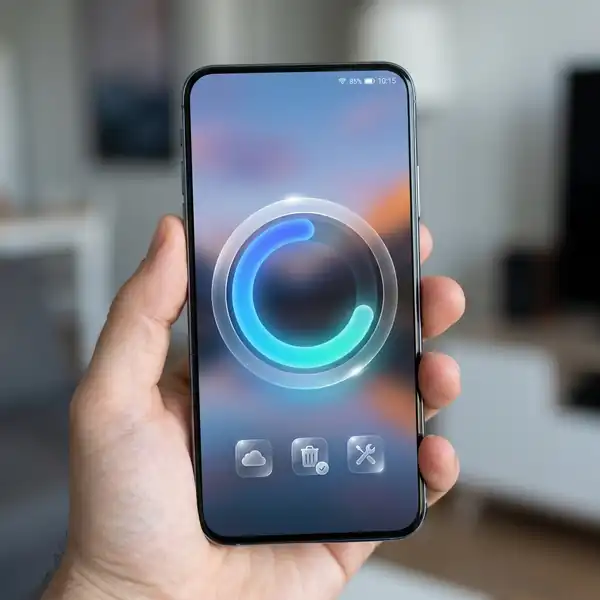
Background refreshing allows apps to fetch new contents, refresh social feeds, and synchronize databases silently, even when you aren't using them. While this saves a few seconds when opening an app, this continuous CPU load is a major cause of rapid battery depletion.
On Android, you can limit this by going to *Settings > Apps*, selecting the app, and changing its battery settings to **Restricted**. This prevents the app from running complex background tasks when closed.
On iPhone, go to *Settings > General > Background App Refresh* and disable the function globally or selectively toggle it off for individual apps. Delivery and map apps can keep background access, but games and social networks should have it turned off to save system resources.
4. Optimizing Connectivity and GPS Location Settings
Your phone's wireless radios (Wi-Fi, Bluetooth, GPS, and cellular data) consume high amounts of energy when active. The worst battery drain occurs when your device has a weak signal (such as in elevators, basements, or remote areas). The phone will boost its transmitter antenna power to maintain a connection, causing overheating and rapid drain.
To optimize wireless radios, use these guidelines:
- **Connect to Wi-Fi whenever possible:** A stable Wi-Fi connection requires far less power than mobile data (4G or 5G). Keep Wi-Fi enabled when in stable environments.
- **Turn off Bluetooth when not in use:** Turn off Bluetooth from your control panel when you aren't connected to headsets or smartwatches.
- **Manage Location Permissions:** Go to your privacy settings and ensure no non-essential apps have location access set to "Always." Change permissions to "Only while using the app" so GPS isn't pinged continuously.
DomineTec Tip: If you are in a location with no network signal (like on a plane or a remote rural area), turn on **Airplane Mode**. This stops your phone's antennas from wasting power searching for signals that do not exist.
5. Battery Health Myths and Best Charging Habits
With the advancement of Lithium-Ion battery chemistry in modern smartphones, many outdated charging myths persist among users, leading to incorrect practices that accelerate physical battery wear.
The most common myth is that modern batteries develop a "memory effect" or need to be drained to 0% and charged to 100% when new. Modern batteries do not have memory effects. In fact, discharging a lithium battery to 0% generates unnecessary chemical stress. Heat and charge cycles are what degrade battery capacity over time.
The best practice to extend your battery's health is keeping the charge level **between 20% and 80%** whenever possible. Similarly, keeping your phone plugged in at 100% for hours places the cells under high electrical tension. Enable the built-in "Optimized Battery Charging" setting on iOS and Android to limit charging at 80% overnight, completing the final 100% just before you wake up.
6. Protecting Your Phone from Overheating and Thermal Degradation
Excessive heat is the number one enemy of lithium batteries. Whenever your phone runs at high temperatures, it accelerates permanent capacity degradation. If your phone gets hot while charging or during heavy use, make adjustments to protect its hardware.
Avoid using thick protective cases during fast charging, as they trap dissipated heat. Never leave your phone exposed to direct sunlight, such as on a car dashboard while using GPS navigation. If the phone gets hot during gaming or streaming, take a brief break, remove the case, and let it cool down naturally before resuming use.
7. Recognizing When a Physical Battery Replacement is Needed

If you have applied all software optimization tips, adjusted wireless sensors, restricted background apps, and your battery still drains rapidly under light use, the physical battery has likely reached the end of its lifespan.
Smartphone batteries are consumable chemical components with a limited life cycle (usually between 500 and 800 full charge cycles, which equates to roughly two years of daily use). On iPhone, check battery health under *Settings > Bateria > Battery Health & Charging*. If maximum capacity is **below 80%**, Apple recommends replacing the battery to restore full performance and prevent unexpected shutdowns.
On Android, you can download a battery diagnostic app like *AccuBattery* to monitor health statistics over several charge cycles or inspect system diagnostics for a physical wear report.
8. Fake Chargers and Broken Cables: The Hidden Power Drains
Sometimes, your battery seems to drain fast because it wasn't charged properly. Cheap, uncertified third-party wall chargers lack voltage controllers and safety chips. This results in unstable power delivery that overheats and degrades the lithium cells. Damaged charging cables can also connect and disconnect intermittently, interrupting the charge cycle and wearing down the hardware.
Always prioritize original manufacturer chargers or certified third-party options. Reliable accessories maintain a steady electrical current and keep operating temperatures stable, protecting your battery cells over time. Avoid buying cheap cables from gas stations or unbranded online stores, as they frequently lack copper shielding and can create power resistance, heating up the phone while delivering slower charging speeds.
Additionally, pay close attention to your phone's charging port. Lint and dust from your pocket can accumulate inside the USB-C or Lightning port, preventing the cable from connecting securely. This causes slow charging or false connections, making the phone work harder to receive charge and wearing out battery longevity. Clean the port gently using a wooden toothpick or a soft brush.
9. Turning Off Always-Listening Voice Assistants (Siri / Google Assistant)
Having a phone that responds to your voice instantly is convenient, but keeping this feature active means your microphone must listen continuously in the background, consuming CPU resources. If you rarely use voice triggers, disabling "Hey Siri" or "Ok Google" can save substantial battery life throughout the day. Go to your assistant settings and toggle these triggers off, choosing manual launch instead.
This continuous voice monitoring keeps the audio-processing unit of your processor in a low-power active state rather than letting the device enter a deep sleep cycle. Over a 16-hour day, this constant background tracking can consume up to 8% of your battery. On Android, navigate to the Google App, tap your profile, select *Settings > Google Assistant > Voice Match*, and disable "Ok Google". On iPhone, go to *Settings > Siri & Search* and disable "Listen for 'Hey Siri'."
10. Limiting Non-Essential Push Notifications
Every time you receive a push notification from an app, your screen turns on, your processor processes the incoming data, and your phone might vibrate or play a sound. If you receive hundreds of notifications daily, this constant cycle drains your battery. Review your notifications settings and turn off push alerts for apps that are not critical, such as shopping services and social games, to save up to 10% of battery daily.
Additionally, make use of Do Not Disturb (DND) or Focus Modes when working or sleeping. These profiles silence notifications and prevent your phone screen from waking up dynamically for every message, conserving valuable power. You can configure them to allow calls only from essential contacts, keeping you reachable while silencing the constant stream of low-priority group chat updates and newsletter pings.
Summary and Next Steps
Preventing fast battery drain involves setting up smart software configurations and adopting healthy daily charging habits. By managing background apps, adjusting screen brightness, and protecting the device from heat, you can easily ensure your phone lasts through the day. If your device is facing severe performance lags along with battery drain, clearing temporary files can help. Check our step-by-step guide on how to clear phone cache correctly to free up space and restore speed safely.
In addition, remember that battery health is a continuous progression. Taking care of your charging habits today prevents the degradation of your hardware cells, postponing the cost of an official replacement service. Keeping your smartphone running cool and avoiding unnecessary background synchronization ensures maximum performance for years to come.