Shared Hosting vs. VPS vs. Cloud: Which Web Hosting Option Is Best?

Choosing the right web hosting option—shared hosting, VPS, or cloud—depends on your site's needs and budget. In today’s digital landscape, selecting the appropriate hosting solution is significant for any business or individual looking to establish a robust online presence. Each hosting type offers unique features, benefits, and drawbacks, making it important to understand the differences between shared hosting, Virtual Private Servers (VPS), and cloud hosting.
This understanding can help you make an informed decision that aligns with your specific requirements, whether you are managing a personal blog, an e-commerce site, or a large business application.
Web servers and hosting services form the backbone of the internet, enabling users to access websites, applications, and online services seamlessly. Shared hosting is often the most economical option for beginners or small websites, where multiple users share the same server resources.
In contrast, VPS offers a more dedicated environment by partitioning a physical server, providing greater control and performance scalability. Finally, cloud hosting utilizes a network of virtual servers that draw resources from a centralized pool, offering unparalleled flexibility and redundancy.
As we dive deeper into this topic, we will explore the technical aspects of these hosting types, compare their features, and guide you through the decision-making process.
Understanding Web Servers and Hosting Concepts
To appreciate the differences between shared hosting, VPS, and cloud hosting, it is essential to grasp the underlying technical concepts of web servers and hosting architecture. A web server is a software or hardware that stores, processes, and delivers web pages to users upon request.
When a user enters a URL in their browser, a request is sent to the web server, which retrieves the necessary files and serves them back to the user’s device. Hosting is the service that provides the infrastructure and technologies needed to keep the website accessible on the internet.
Shared hosting is the most common entry-level solution for new website owners. In this model, multiple websites reside on a single server, sharing its resources—such as CPU, RAM, and disk space.
While this setup makes shared hosting inexpensive and user-friendly, it also comes with limitations. Performance can be affected by the activities of other users on the same server, leading to potential slowdowns or downtime.
Additionally, security can be a concern, as vulnerabilities in one site can potentially expose others on the same server.
On the other hand, VPS hosting offers a more robust alternative. In a VPS environment, a physical server is divided into multiple virtual servers, each isolated from one another.
This segmentation means that users have dedicated resources, enhancing performance, stability, and security. With VPS hosting, users have root access, enabling them to install custom software, configure server settings, and manage security protocols.
This level of control is particularly beneficial for businesses or developers who require specific configurations that shared hosting cannot accommodate.
Cloud hosting takes this a step further by leveraging a network of interconnected servers, often referred to as a cloud. This architecture allows for dynamic resource allocation, meaning that your website can draw from an expansive pool of server resources as needed.
This flexibility makes cloud hosting ideal for businesses with fluctuating traffic levels, as they can scale resources up or down without experiencing downtime or performance dips. Furthermore, cloud hosting typically offers enhanced redundancy; if one server fails, others can seamlessly take over, ensuring high availability and reliability.
Troubleshooting and Executing Your Web Hosting Setup
Setting up a web hosting environment, whether it be shared, VPS, or cloud, requires a methodical approach to ensure optimal performance and reliability. Here’s a step-by-step guide to help you navigate through the setup process and troubleshoot common issues along the way.
First, you need to select your hosting provider based on your specific needs. Research and compare various hosting companies, paying attention to their reputation, customer reviews, and the specific plans they offer. Look for features such as uptime guarantees, customer support availability, backup solutions, and scalability options. Once you’ve selected a provider, sign up for the plan that best meets your requirements, whether it’s shared, VPS, or cloud hosting.
After securing your hosting plan, the next step is to configure your domain name settings. If you already own a domain, you will need to point it to your new hosting server.
This typically involves updating the Domain Name System (DNS) records through your domain registrar’s control panel. If you are using a shared hosting plan, your provider will often supply you with specific nameserver addresses to enter.
For VPS and cloud hosting, you may need to configure additional settings to ensure proper routing of traffic to your server.
Once your domain is linked to your hosting account, you can start installing a Content Management System (CMS) like WordPress, Joomla, or Drupal, depending on your website’s requirements. Many hosting providers offer one-click installation options through their control panels, simplifying this process significantly.
If you are using VPS or cloud hosting, you may need to perform a manual installation, which involves accessing your server via Secure Shell (SSH) and uploading the necessary files.

After your CMS is installed, it's important to regularly monitor your website for performance issues. Utilize tools like Google PageSpeed Insights or GTmetrix to analyze loading speeds and identify areas for improvement.
If you encounter slow performance, check your server resources; for shared hosting, you may need to upgrade your plan or consider moving to VPS. For VPS or cloud users, consider optimizing your applications, utilizing caching mechanisms, or even load balancing if your traffic spikes.
Finally, always ensure that you have a robust backup strategy in place. Most hosting providers offer automated backup solutions, but it’s wise to manually back up your files and databases regularly, especially before making significant changes to your site. In the event of a server failure or a security breach, having a recent backup can save you from potential disasters.
Comparative Analysis Table: Shared Hosting vs. VPS vs. Cloud
To better understand the distinctions between shared hosting, VPS, and cloud hosting, the following table summarizes key features, benchmarks, and pricing structures. This structured comparison can serve as a useful reference point as you weigh your options.
| Feature/Metric | Shared Hosting | VPS Hosting | Cloud Hosting |
|---|---|---|---|
| Cost | Low (Typically $2–$10/month) | Moderate (Typically $20–$100/month) | Variable (Pay-as-you-go, typically $10+) |
| Performance | Shared resources; can be slow | Dedicated resources; stable and fast | Highly scalable; dependent on demand |
| Control | Limited; minimal configuration | Full root access; customizable | Full control with easy scaling |
| Security | Shared vulnerabilities | Isolated environments; more secure | Redundant and secure across multiple servers |
| Best for | Beginners, small websites | Medium-sized businesses, developers | Large businesses, variable traffic |
This comparative analysis provides a clear overview of the strengths and weaknesses of each hosting type. By examining these metrics, you can gauge which option will best suit your project or business needs.

Additional Resources and Recommended Links
For those looking to delve deeper into web hosting options, there are numerous resources available online that provide extensive guidance and insights. Websites such as HostingAdvice and WPBeginner offer comprehensive articles and tutorials on everything from choosing the right hosting plan to detailed step-by-step guides for setting up your website.
Additionally, if you are interested in configuring your VPS, check out our post on How to Connect SSH via Browser GCP. For cost-effective options, our article on Best Cheap VPS with cPanel Included is an invaluable resource.
The choice between shared hosting, VPS, and cloud hosting is ultimately influenced by your unique requirements, technical expertise, and budget. Each option has its merits, and understanding these will empower you to make the best decision for your online presence.
Advanced Server Performance Tuning: Cache Policies and Core Networking Metrics
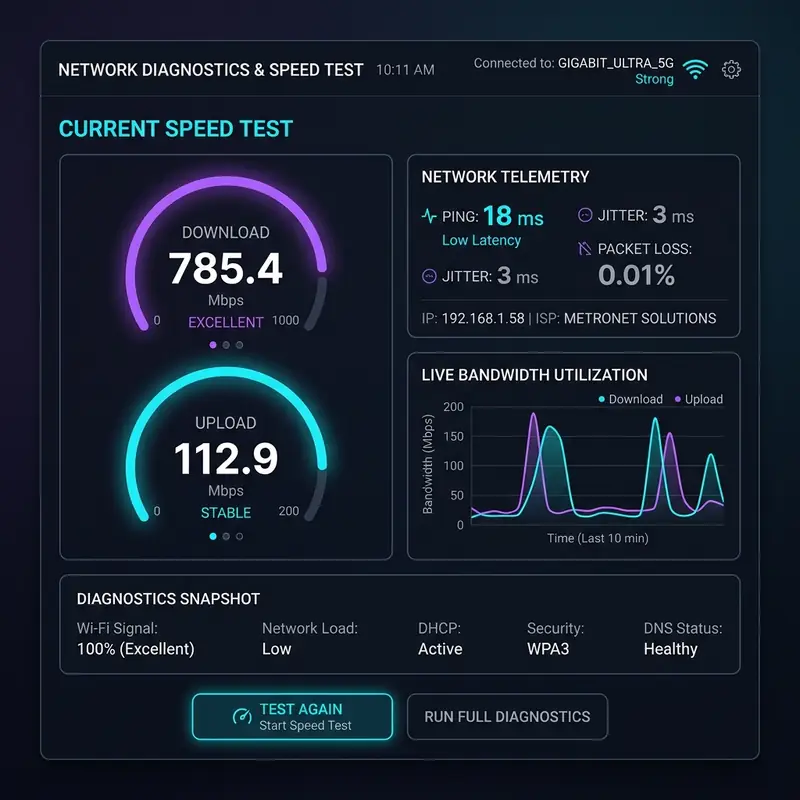
Understanding core networking metrics is equally vital for assessing server performance. Time to First Byte (TTFB) is a key indicator of responsiveness; it measures the duration from the moment a client makes a request to the moment it receives the first byte of data.
A lower TTFB indicates a more responsive server, which can be achieved through optimized server configurations and efficient resource allocation. Another critical metric is server load, which reflects the amount of processing power being used by active processes.
Monitoring server load allows administrators to identify potential bottlenecks and make necessary adjustments to ensure consistent performance, particularly during traffic spikes.
Bandwidth allocation is another essential factor in the performance tuning process. Properly managing bandwidth not only helps prevent server overload but also ensures that users receive optimal speeds based on their geographical location.
Implementing Content Delivery Networks (CDNs) can significantly enhance bandwidth efficiency by distributing content across multiple servers worldwide. This not only reduces latency but also allows for better scalability during peak usage times.
Moreover, understanding the network topology and the physical distance between the server and its users can provide insights into potential performance improvements.
Cache policies should not be overlooked in this performance tuning discussion. The configuration of cache expiration times, invalidation strategies, and cache storage mechanisms directly impacts the effectiveness of caching solutions.
For instance, setting appropriate expiration times for cached data can prevent users from receiving stale content, while using cache invalidation strategies during content updates ensures that users always access the most current information. The combination of these strategies, along with a well-tuned server, can lead to significant improvements in overall site performance.
Finally, integrating monitoring tools can provide insights into server performance metrics over time. Tools like New Relic or Datadog can help track TTFB, server load, and cache hit rates, allowing for proactive performance management.
Administrators can analyze historical data to identify trends and make informed decisions on necessary upgrades or optimizations. In conclusion, the interplay between advanced server performance tuning, cache policies, and core networking metrics is fundamental for any web hosting environment aiming for excellence in speed and reliability.
Server-Side Cybersecurity Protocols: Enhancing Protection through Best Practices

Another vital component of server-side security is the use of IP tables. These are Linux kernel-level firewalls that can be configured to filter traffic and control access to the server.
By setting up IP tables, administrators can restrict access based on IP addresses, effectively blocking malicious traffic and reducing the risk of unauthorized access. This level of control is essential in preventing Distributed Denial of Service (DDoS) attacks, where multiple compromised systems aim to flood a server with excessive requests, rendering it unresponsive.
In conjunction with IP tables, deploying a DDoS firewall can significantly bolster a server's defenses. DDoS firewalls analyze incoming traffic patterns in real-time and can automatically filter out malicious traffic before it reaches the server.
This proactive approach not only mitigates the risk of downtime during an attack but also enhances overall server performance by ensuring legitimate traffic flows without interference. The combination of IP tables and DDoS firewalls forms a robust barrier against potential threats, allowing web applications to operate securely even in the face of adversity.
Moreover, managing directory permissions is a important aspect of server security. Properly configured directory permissions ensure that only authorized users can access critical files and directories, minimizing the risk of data breaches.
Administrators should follow the principle of least privilege, granting users the minimum level of access necessary to perform their tasks. This not only protects sensitive data but also simplifies the auditing and monitoring processes, making it easier to identify any unauthorized access attempts.
Finally, ongoing cybersecurity training and awareness for all personnel involved in server management is vital. With the rapid evolution of cyber threats, continuous education on the latest security practices, potential vulnerabilities, and response protocols is necessary to maintain a secure environment.
By fostering a culture of cybersecurity awareness, organizations can greatly reduce the risk of human error, which is often cited as a leading cause of security breaches. In summary, implementing comprehensive server-side cybersecurity protocols, including SSL configurations, IP tables, DDoS firewalls, and directory permissions, is essential for safeguarding web hosting environments against an ever-evolving landscape of threats.
Understanding Hosting Limitations: Challenges in Shared, Dedicated, and Cloud Environments
When evaluating various web hosting options, it is important to understand the inherent limitations associated with each type of hosting, particularly in terms of performance, scalability, and resource allocation. Shared hosting, while cost-effective, often comes with significant restrictions. In a shared environment, multiple websites are hosted on a single server, which means that resources such as CPU and memory are divided among all users. This can lead to slow loading times and degraded performance, especially during peak traffic periods. Additionally, the actions of one website can negatively affect the others, a phenomenon known as the "bad neighbor" effect, where one site's excessive resource consumption can cause downtime or lag for other sites on the same server.In contrast, dedicated servers and cloud hosting solutions provide a more robust framework for handling web applications. With dedicated servers, clients have exclusive access to an entire physical server, which eliminates the resource contention issues present in shared environments.
However, the downside is that dedicated hosting often comes with higher costs and requires more technical knowledge for setup and management. Cloud hosting, on the other hand, offers the flexibility of scalability; resources can be adjusted on-the-fly to meet fluctuating demands.
However, it is essential to consider potential limitations in terms of configuration complexity and costs that can escalate with increased resource usage.
DNS propagation errors represent another challenge that can impact web hosting experiences across all types of servers. When changes are made to DNS records, such as updating an A record or changing nameservers, these changes can take time to propagate across the internet.
During this period, some users may see the old version of the site while others see the updated version, leading to confusion and potential loss of traffic. It is essential for webmasters to be aware of these propagation times and to plan updates accordingly to minimize disruption.
Database optimization traps are also a common pitfall that can hinder performance. Many hosting environments have limits on database connections, queries, and storage. A poorly optimized database can lead to slow response times and increased server load. Understanding the specific limitations of the hosting environment can help developers implement best practices in database design, such as indexing, query optimization, and regular maintenance routines to ensure optimal performance.
Service Level Agreements (SLAs) represent another critical consideration when choosing a hosting provider. The SLA outlines the expected service performance levels, including uptime guarantees and support response times.
Understanding these agreements is vital, as they can vary significantly between shared, dedicated, and cloud hosting solutions. A high SLA uptime promise can offer peace of mind, but it is equally important to scrutinize the terms and conditions to ensure that they align with the needs of the website or application being hosted.
In conclusion, each web hosting type presents unique limitations and challenges that must be understood to make informed decisions. Shared hosting can be economically viable but comes with significant performance constraints.
Dedicated servers and cloud hosting offer more flexibility and resources, yet they require careful management and understanding of potential pitfalls such as DNS propagation and database optimization. Being aware of these limitations will empower webmasters to select the optimal hosting solution that aligns with their specific needs and growth objectives.