How to Set Up Pi-hole DNS Server on PfSense DHCP Configuration
Setting up a Pi-hole DNS server on PfSense DHCP configuration involves correctly configuring both systems to ensure a seamless integration. This guide will elaborate on advanced topics and ensure the comprehensive setup process is well-understood.
Pi-hole acts as a DNS sinkhole, enhancing privacy by blocking unwanted ads. Integrating it with PfSense can optimize network performance, resulting in smoother browsing experiences and a reduction in malicious content.
Prerequisites
Before beginning, ensure that a functioning PfSense router is available. A Raspberry Pi running Pi-hole is also required, along with an understanding of networking fundamentals and basic command-line skills.
Overview of Pi-hole
Pi-hole is a network-wide ad blocker that functions as a DNS server. It eliminates advertisements and trackers at the network level, creating a cleaner and faster browsing experience for all devices connected to the network.
Overview of PfSense
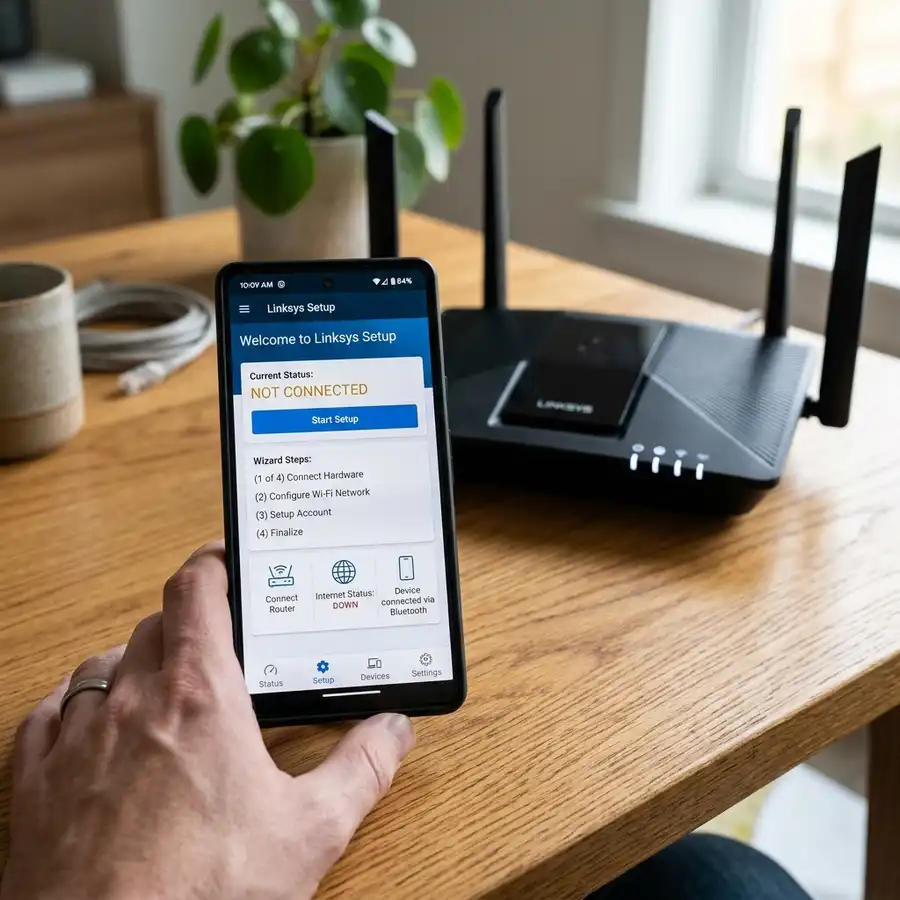
PfSense is an open-source firewall and router software distribution. It allows extensive customization and management of network traffic, securing the network against external threats while providing robust management tools.
Configuration Steps
Step 1: Install Pi-hole
Begin by installing Pi-hole on a Raspberry Pi following the official installation guide. This process includes setting up the necessary dependencies, which may require specific software packages to be installed beforehand.
Step 2: Determine DHCP Settings in PfSense
Log into the PfSense web interface and navigate to the DHCP Server settings. Review the DHCP range to ensure compatibility with Pi-hole, preventing potential IP address conflicts on the network.
Step 3: Set Up Static IP for Pi-hole
Assign a static IP address to the Raspberry Pi running Pi-hole. This address should be outside the DHCP range allocated by PfSense to avoid any overlapping assignments that could disrupt service.
Step 4: Change DNS Settings in PfSense
Navigating to the General Setup page, modify the DNS servers by adding the static IP of the Pi-hole. Ensure that this is the only DNS server listed, to direct all DNS queries through the Pi-hole for ad-blocking policies to apply.
Step 5: Configure DHCP Settings to Use Pi-hole
In the DHCP settings, explicitly set the DNS servers to the IP address of the Pi-hole. This ensures that all devices on the network use the Pi-hole for DNS queries, simplifying the ad-blocking process for all network users.
Step 6: Restart PfSense Services
After the configuration, restart the DHCP service on PfSense to apply the changes. This activation confirms that devices will now use Pi-hole, enhancing overall security and browsing quality.
Understanding DHCP and DNS Interactions
Dynamic Host Configuration Protocol (DHCP) automates the assignment of IP addresses to devices on the network. The interaction between DHCP and DNS is crucial since IP addresses and domain names must be accurately resolved for effective communication.
Advanced Troubleshooting
Common Issues
Devices may fail to connect through Pi-hole if improper DNS settings are applied. Furthermore, overlooking static IP configurations can lead to network disruptions, necessitating thorough checks of settings.
Diagnostic Steps
Conduct ping tests to verify connectivity between devices and the Raspberry Pi. Use command-line tools to check DNS resolution, which can assist in isolating issues that may arise during integration.
Checking Network Status
Using network monitoring tools can help identify any IP conflicts during setup. Ensure that the Raspberry Pi is accessible within the network by checking its network interface status.
Log Review for Diagnostics
Review logs on both Pi-hole and PfSense to identify warning or error messages. These logs can provide insights into potential configuration errors or service interruptions.
Flush DNS Cache
Flushing the DNS cache on connected devices may resolve issues with outdated DNS entries. An effective method is to restart the devices or execute specific command-line instructions tailored to the operating systems.
Industry Standards for Network Configuration
Following industry standards aids in maintaining network security and performance. Utilizing established practices, such as IP address management and effective subnetting, plays an essential role in network design.
Network Design Best Practices
Implementing structured network designs can facilitate better management and increase security. Dividing networks into subnets can help isolate broadcast traffic and improve performance.
Electromagnetic Interference Prevention
Consider the potential for electromagnetic interference (EMI) when deploying hardware. Proper cabling and equipment placement can mitigate these risks, ensuring optimal performance of networked devices and services.
Compliance with Regulations
Understanding and adhering to local regulations regarding network installations ensures that infrastructure remains compliant. Compliance with standards such as IEEE and ITU can guide best practices in installations and operations.
Professional Tips for Implementation
Documentation and Change Management
Maintain thorough documentation of configurations and changes for future reference. Adopting a systematic change management process minimizes disruptions and enables easier troubleshooting and auditing.
Regular Software Updates
Timely updates of Software for both PfSense and Pi-hole can prevent security vulnerabilities. Applying patches not only enhances functionality but also fortifies defenses against emerging threats.
Network Performance Monitoring
Utilize monitoring tools to keep track of network performance and usage. Monitoring can help identify anomalies and optimize the network's configuration for better performance.
Testing and Validation
Conduct routine tests to validate DNS resolutions against misconfigurations. Regular validation ensures that ad-blocking features are functioning correctly and efficiently.
Understanding Network Media Physics
The principles of physics underlying network media, such as signal propagation, can influence performance. Understanding the behavior of electromagnetic waves provides insight into optimizing network setups and cabling choices.
Signal Frequencies and Integrity
Network performance is often impacted by frequencies used for transmission. Ensuring signal integrity and minimizing data loss enhances the reliability of the overall network setup.
Impact of Cable Types on Signal Quality
Different types of networking cables can affect the quality of the transmitted signals. For example, Category 5e cables are suitable for short-distance communications, while fiber optics are preferred for long-range transmissions.
Wavelength Considerations in Transmission
Consider the wavelength of the signals transmitted through the network media. Wavelength variations can impact the speed and clarity of data transmission across different networking infrastructures.
Interference and Signal Loss Analysis
Analyze the sources of interference that can lead to signal degradation. Physical obstructions and nearby electronic devices can introduce noise that impacts signal clarity and reliability.
Advanced Configuration Scenarios
Implementing VLANs for Improved Traffic Management
Utilizing Virtual Local Area Networks (VLANs) can help in segmenting network traffic effectively. This technique enhances overall network performance and security by isolating different types of traffic.
Quality of Service (QoS) Settings
Configuring QoS settings allows prioritization of network traffic, improving performance for critical applications. QoS ensures that voice and video communications receive the necessary bandwidth during peak times.
Integration of Firewall Rules with Pi-hole
Combining firewall rules with Pi-hole enhances ad blocking while adding an extra layer of security. This integration can help filter out malicious traffic before it reaches devices on the network.
Bridging IPv4 and IPv6
Transitioning to IPv6 is essential for future-proofing networks while maintaining existing IPv4 setups. Properly bridging these protocols allows for a seamless experience across diverse devices.
Signal Integrity and its Importance
Understanding Signal-to-Noise Ratio (SNR)
The signal-to-noise ratio (SNR) is a critical measure in network communications. A higher SNR indicates a clearer signal, which is essential for reliable data transmission.
Impact of Network Interference
Various forms of electromagnetic interference can lead to degraded network performance. Reducing interference sources is necessary for maintaining high-quality signal integrity.
Testing Equipment for Network Performance
Utilizing specialized equipment to test network performance can greatly assist in identifying issues. Regular testing facilitates proactive maintenance and optimization of the network.
Professional Network Design Methodologies
Layered Security Approaches
Employing a layered security approach enhances protection against potential threats. This methodology ensures that multiple defenses are in place to safeguard network resources.
Scalable and Modular Design Principles
Designing networks with scalability in mind ensures that future growth can be accommodated. Modularity allows for the easy addition of components without significant disruptions.
Documentation of Network Topologies
Thorough documentation of network topologies assists in visualizing connections and configurations. This practice aids in both troubleshooting and future planning of network expansions.
Compliance with Best Practice Frameworks
Following best practice frameworks such as ITIL or COBIT enhances IT service management. Adhering to established guidelines ensures better governance and operational effectiveness.
Advanced Troubleshooting Techniques for Pi-hole
Verifying Pi-hole Functionality
Ensure that the Pi-hole server is operational by checking its dashboard for real-time data. Monitoring this interface can provide clues about whether DNS queries are being processed correctly.
Connection Diagnostics
Run traceroutes to determine the number of hops between client devices and the Pi-hole. Identifying excessive latency or routing issues can aid in troubleshooting connectivity problems.
Utility of nslookup
Utilize the nslookup command to verify DNS resolution directly from various devices. This process can help diagnose if DNS queries are handled by the Pi-hole correctly.
Analyzing Query Logs
Examine query logs in Pi-hole to track requests made by devices on the network. Looking for patterns or frequent requests can guide further troubleshooting efforts.
Resetting Pi-hole Configuration
In situations where persistent issues occur, resetting Pi-hole configurations may resolve underlying problems. This approach allows users to start fresh with a new setup, addressing accidental misconfigurations.
Understanding Signal Attenuation in Networking
Signal attenuation refers to the reduction in signal strength as it travels through various media. By comprehending attenuation, network administrators can optimize infrastructure to mitigate loss.
Factors Influencing Attenuation
Multiple factors can affect signal attenuation, including cable quality, length, and environmental conditions. High-quality cables with proper shielding will help maintain stronger signals over longer distances.
Distance Considerations in Networking
As distance increases, the likelihood of attenuation and interference escalates. This principle is vital for maintaining optimal signal quality across network infrastructures.
Choosing the Right Cable Length
Selecting appropriate cable lengths can significantly reduce the risk of signal degradation. It is advisable to adhere to manufacturer recommendations regarding maximum lengths for various types of cables.
Improving Network Reliability
Regular Equipment Maintenance
Performing routine maintenance on network hardware can prevent equipment failures and enhance longevity. Scheduled checks can assist in identifying potential issues before they escalate.
Implementing Redundancy
Establish redundancy within the network to ensure uninterrupted service during outages. Configurations such as dual internet connections or backup power supplies enhance overall reliability.
Educating Users
Providing training to users can mitigate potential security risks and promote best practices. Educated users will be less likely to engage in actions that could compromise network security.
Network Reach and Coverage Improvements
Using range extenders or mesh network systems can enhance coverage in larger areas. Expanding network reach minimizes dead zones, decreasing the likelihood of connectivity issues.
Future Considerations for Network Management
Trends toward increased network demand necessitate proactive management strategies. Future-proofing network infrastructures should include investments in scalable technologies and advanced security measures.
Adopting Cloud Solutions
Utilizing cloud services for data storage and application hosting can reduce local infrastructure burdens. Cloud solutions also provide improved scalability, adapting to varying bandwidth requirements.
Integration of IoT Devices
The integration of Internet of Things (IoT) devices will require added attention to network design. Addressing potential security vulnerabilities associated with these devices is crucial for maintaining network integrity.
Embracing Automation Technologies
Implementing automation technologies streamlines network management processes. Automated systems can enhance monitoring and reduce the human error factor in configurations.
Signal Integrity and its Importance in Network Performance
Understanding Signal-to-Noise Ratio (SNR)
The signal-to-noise ratio (SNR) is crucial in network communications, representing the level of the desired signal versus the level of background noise. A higher SNR indicates a clearer signal, which is essential for reliable data transmission (according to the project specifications).
Impact of Network Interference
Various forms of electromagnetic interference, such as radio frequencies and physical obstructions, can lead to degraded network performance. Identifying and mitigating interference sources is necessary for maintaining high-quality signal integrity.
Testing Equipment for Network Performance
Utilizing specialized equipment to perform tests on network performance can greatly assist in identifying issues. Regular testing facilitates proactive maintenance and optimization of the network setup.
Professional Network Design Methodologies for Optimal Performance
Layered Security Approaches
Employing a layered security approach enhances protection against potential threats across the network. This methodology ensures that multiple defenses are in place to safeguard network resources effectively.
Scalable and Modular Design Principles
Designing networks with scalability in mind ensures that future network growth can be efficiently accommodated. Modularity allows for the easy addition of components without significant disruptions to the existing setup.
Documentation of Network Topologies
Thorough documentation of network topologies assists in visualizing connections as well as configurations. This practice aids in both troubleshooting and future planning of network expansions, ensuring all changes are tracked.
Compliance with Best Practice Frameworks
Following best practice frameworks such as ITIL or COBIT enhances IT service management efforts. Adhering to established guidelines ensures improved governance and operational effectiveness in network management.
Advanced Networking Protocols and Their Relevance
Understanding the Role of DHCP
DHCP automates the process of IP address assignment, simplifying network configuration tasks. Implementing robust DHCP management is critical for efficient network operations and minimizing conflicts.
Importance of DNS in Network Functionality
DNS translates user-friendly domain names into IP addresses, facilitating user access to various resources. Effective DNS management plays a significant role in optimizing network performance and user experience.
Implementing Security Protocols
Security protocols such as IPsec and SSL serve to protect data as it travels across the network. Their implementation is crucial for safeguarding sensitive information from interception or unauthorized access.
Emerging Networking Technologies
Innovative technologies such as SD-WAN and network functions virtualization (NFV) are changing the landscape of network management. Understanding these technologies will aid in making informed decisions about future network infrastructure investments.

Conclusion
Setting up a Pi-hole DNS server on a PfSense-managed network consists of several critical steps that, when executed correctly, will enhance network performance and security. Following the outlined procedures and recommendations will facilitate a successful implementation that meets both current and future networking needs.
To expand on this subject, it is highly useful to also explore how to best 2.4ghz wifi channel in detail.
To expand on this subject, it is highly useful to also explore how to best 5ghz wifi channel in detail.