PfSense DNS Resolver Stops Intermittently: Troubleshooting Guide
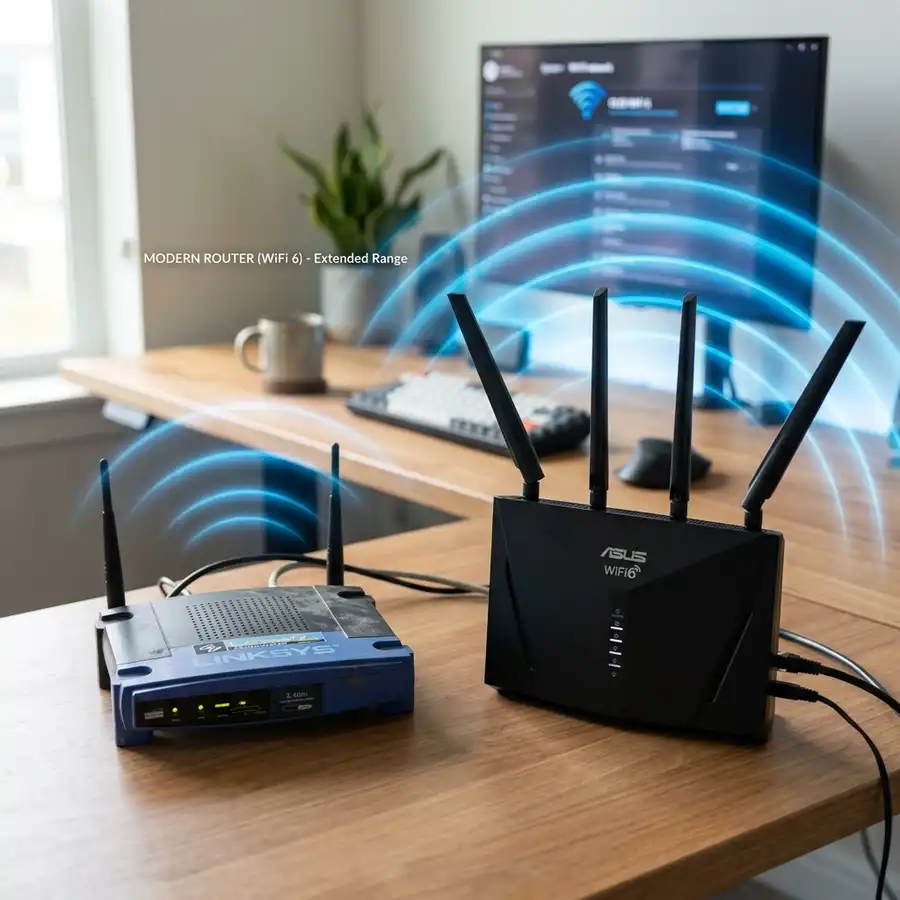
This guide offers troubleshooting steps for intermittent DNS resolver issues in PfSense to ensure consistent network performance.
PfSense is a widely used open-source firewall and router software. It includes a built-in DNS resolver, which may stop functioning intermittently under certain conditions, affecting the overall responsiveness of network operations.
Understanding DNS Resolver Intermittence
Intermittent DNS resolver issues can severely impact network functionality. Identifying root causes is essential for effective troubleshooting and maintaining operational continuity.
Potential Causes
Several factors can lead to occasional failures of the DNS resolver in PfSense. These may include configuration errors, resource limitations, network congestion, or external service disruptions that hinder DNS resolution.
Common Symptoms
Users may experience symptoms such as delayed website loading or complete failures to resolve domain names. Monitoring logs and user reports can help to identify these issues effectively before they escalate.
Logging and Monitoring
Utilizing logging features allows administrators to track DNS resolver activity in real-time. This data can highlight patterns associated with failures and help in identifying potential problem sources swiftly.

Troubleshooting Steps
Follow established procedures to diagnose and correct issues with the PfSense DNS resolver. This section outlines practical steps for resolution, ensuring a systematic approach to troubleshooting.
Step 1: Check System Resources
Low memory or CPU usage can cause the DNS resolver to stop functioning correctly. Monitor system resource utilization in the PfSense dashboard, focusing on processor load and memory usage to identify potential bottlenecks.
Step 2: Review Configuration Settings
Review the DNS resolver settings under Services > DNS Resolver. Ensure that configurations align with network needs, including settings for DNS query behavior and cache size optimization.
Step 3: Update PfSense
Running outdated versions of PfSense can introduce bugs that affect performance. Ensure that the installation is updated to the latest stable version while also reviewing release notes for critical fixes related to DNS functionality.
Step 4: Inspect System Logs
Access the system logs via Status > System Logs. Examine the DNS logs for error messages that can provide specific details about any issues encountered during DNS queries.
Step 5: Analyze Query Performance
Utilize tools like `dig` to measure DNS query performance effectively. Slow query responses may indicate underlying resolver inefficiencies or other network-related issues requiring attention.
Configuration Comparison
DNS Resolver vs DNS Forwarder
| Metric | DNS Resolver | DNS Forwarder |
|---|---|---|
| Caching | Yes | Yes |
| Direct Queries | Direct queries to DNS servers | Queries DNS servers only |
| Configuration | More complex | Simple |
| Performance | Potentially better | Typically slower |
| Use Case | Best for advanced users | Best for simple setups |
Advanced Troubleshooting
For persistent issues, deeper analysis may be required. Below are additional steps to consider for advanced diagnosis that can enhance understanding of underlying problems.
Consult Community Forums
Engaging with the PfSense community can provide new perspectives on unresolved issues. Numerous users share their experiences and solutions, potentially revealing less recognized problems and fixes.
Utilize External DNS Services
Consider configuring the PfSense DNS resolver to use reputable external DNS servers, such as Cloudflare or Google DNS. This can significantly improve reliability and speed, reducing the occurrence of downtime.
Implement Failover Mechanisms
Setting up DNS failover mechanisms can ensure continued service during primary resolver outages. This offers redundancy and enhances reliability, allowing network continuity even when one DNS service becomes unavailable.
Advanced Troubleshooting Techniques
Testing Network Latency
High latency in the network path can exacerbate DNS resolver performance, making troubleshooting imperative. Tools like `ping` can assist in diagnosing such latency issues across the network infrastructure by measuring response times.
Examining Network Interfaces
Inspect all network interfaces on the PfSense device for any misconfigured settings. Interface settings such as speed and duplex mode should match the connected network devices for optimal performance to avoid data collisions.
Understanding Electromagnetic Interference
Electromagnetic interference (EMI) can affect network performance, particularly in cabling systems found in larger infrastructures. Proximity to heavy machinery or other electrical devices may introduce noise that disrupts DNS resolution processes.
Physics of Network Media
Understanding the underlying physics of network media can aid in troubleshooting effectively. Various media types, whether copper cables or fiber optics, have unique properties affecting signal transmission quality.
Signal Frequencies and Distortion
Signals over twisted-pair or fiber optic cables can degrade based on frequency and distance due to attenuation and distortion. Consider employing repeaters or switches in long-distance applications to strengthen the signal and maintain integrity.
Managing Network Traffic Flow
High levels of traffic can saturate network bandwidth, leading to dropped packets and subsequent DNS failures. Quality of Service (QoS) settings may be utilized in PfSense to prioritize DNS packets over other traffic types, enhancing resolution speed.
Best Practices for DNS Management
Regular System Audits
Conduct routine audits of DNS configurations and logs to maintain optimal performance. This proactive measure ensures that settings align with best practices and helps in identifying any anomalies early before they cause significant issues.
Documentation of Changes
Keep detailed records of configuration changes made within the system. Comprehensive documentation facilitates troubleshooting and maintenance by providing a history of previous adjustments, thus making future resolutions easier.
Industry Standards and Compliance
Understanding DNS Protocol Standards
Comprehending the Internet Engineering Task Force (IETF) standards for DNS is critical for effective implementation. Adhering to these standards ensures compliance and interoperability across diverse networking environments.
Staying Updated with Best Practices
Regularly consult industry publications and updates to stay informed about emerging best practices for DNS management. Following these guidelines enhances performance and security of the DNS infrastructure.
Professional Tips for Maintaining DNS Resolver Performance
Implement Redundant DNS Solutions
To achieve high availability, utilize redundant DNS solutions that can distribute load and provide backup during failures. This can include multiple DNS resolvers to minimize the impact of any single point of failure.
Enable DNSSEC for Enhanced Security
Enabling DNS Security Extensions (DNSSEC) can improve the integrity of DNS responses. This additional layer of security helps prevent attacks like DNS spoofing, ensuring accurate domain name resolution.
Testing and Validation
Conducting Regular Stress Tests
Perform regular stress tests on the DNS infrastructure to measure resilience under various load conditions. These tests can identify performance limits and help optimize configurations accordingly.
Utilizing Diagnostic Tools
Employ diagnostic tools such as Wireshark for in-depth network analysis and troubleshooting. These tools allow for the visual inspection of traffic, providing insights that may not be immediately evident through regular monitoring alone.
Advanced Network Diagnostics
Interference Analysis
Conducting an interference analysis can help identify sources of disruption within physical or wireless networks. This can involve measuring signal-to-noise ratios to determine if external signals impact DNS resolver efficiency.
Packet Capture for Analysis
Perform packet captures using tools like tcpdump for a thorough investigation of communications between network nodes. Analyzing these captures can reveal issues with DNS queries and responses that could otherwise go unnoticed.
Physical Layer Considerations
Cable Quality and Standards
Using high-quality cables with proper shielding is crucial to minimize interference. Compliance with industry cabling standards, such as CAT6 or fiber optic specifications, can enhance performance and reduce signal degradation.
Environmental Factors
Physical placement of network equipment can impact performance, especially in environments with high electromagnetic interference. Identifying and mitigating these environmental challenges is critical for optimal network operation.
Network Architecture Review
Assessing Topology and Design
A comprehensive review of network topology can reveal potential bottlenecks and inefficiencies. Understanding the layout and connections can facilitate adjustments that enhance overall performance of the DNS resolver.
Load Balancing Strategies
Implementing load balancing can improve resource utilization and reduce DNS query times. This could involve distributing DNS queries across multiple servers to enhance resilience and response speed.
To expand on this subject, it is highly useful to also explore how to best budget mesh wifi in detail.
To expand on this subject, it is highly useful to also explore how to best cheap gigabit router in detail.
Frequently Asked Questions
Why does the PfSense DNS resolver stop intermittently?
The DNS resolver may stop due to resource constraints, misconfigurations, or issues with upstream DNS providers. Understanding these factors can aid in developing effective solutions.
How can the performance of the DNS resolver be improved?
Improving DNS resolver performance often involves checking system resources, updating PfSense, and optimizing configuration settings to better meet current network demands.
What should be monitored when troubleshooting DNS resolver issues?
Monitoring system logs, performance metrics, and query times is crucial in diagnosing DNS resolver problems. Observing these elements can lead to quicker identification of root causes.
Can DNS forwarding be a better option?
DNS forwarding may be beneficial for simpler setups, while the DNS resolver is more suitable for advanced configurations requiring improved performance and flexibility. The choice should align with network requirements.
Understanding the Impact of Network Configuration
The Role of DHCP Integration
Dynamic Host Configuration Protocol (DHCP) settings can significantly influence how DNS queries are handled. Ensuring that DHCP devices are properly registering their DNS entries can minimize resolution issues.
Network Address Translation (NAT) Considerations
Configurations involving NAT can complicate DNS resolution if not set up correctly. Careful planning of NAT rules is required to ensure that internal IP addresses are accurately translated for external queries.
Common Misconfigurations
Overly Aggressive Caching
While caching can improve DNS performance, overly aggressive caching policies may lead to outdated information. It is crucial to configure cache expiration settings to balance performance and accuracy.
Improper Forwarding Settings
Incorrectly configured DNS forwarding settings can lead to inefficient resolution paths. Ensuring that forwarding addresses are correctly set up is essential for effective DNS resolution.
Tools for Enhanced Troubleshooting
Using Performance Monitoring Tools
Deployment of comprehensive performance monitoring tools can provide insights into DNS latency and query frequency. This data can be key in identifying inefficient resolution paths and optimizing configurations.
Leveraging SNMP for Monitoring
Simple Network Management Protocol (SNMP) can be utilized for enhanced monitoring of network devices. Implementing SNMP traps can alert administrators to potential DNS resolver issues immediately.
The Future of DNS Technology
Exploring DNS over HTTPS (DoH)
DNS over HTTPS offers enhanced privacy by encrypting DNS queries, which may improve security. Organizations may consider implementing DoH for users concerned about eavesdropping.
The Role of AI in DNS Management
Artificial Intelligence (AI) has the potential to optimize DNS routing and enhance performance through predictive analytics. Future advancements may lead to smarter DNS management solutions.
Advanced Configuration Techniques
Data Plane Optimization
Enhancing the data plane through route optimization can minimize latency and ensure swift data delivery. This includes configuring intelligent routing protocols that adapt to changing network conditions.
Advanced Caching Strategies
Implementing multi-level caching can drastically improve DNS query response times. Systems can store data at various layers ensuring that frequently requested domains are resolved quickly without external lookups.
Implementation of Security Protocols
Firewalls and Access Control
Utilizing firewalls to regulate access to the DNS server can prevent unauthorized access. Access control lists (ACLs) should be evaluated regularly to maintain secure settings aligned with organizational policy.
Additional Layers of DDoS Protection
Integrating solutions specifically designed to mitigate Distributed Denial of Service (DDoS) attacks is vital. Enhanced DDoS protection mechanisms safeguard DNS services from being overwhelmed by legitimate or malicious traffic surges.
Proactive Maintenance Techniques
Scheduled Maintenance Windows
Establishing scheduled maintenance windows helps in performing updates and system checks without affecting end users. This preventative measure reduces the likelihood of unscheduled downtimes during critical operations.
Fine-Tuning Resource Allocation
Resource allocation should be regularly revisited to ensure system performance isn’t constrained. Analyzing usage statistics can guide administrators in redistributing resources based on current network demands.
Integrating Analytics into DNS Management
Data-Driven Decisions
Utilizing analytics tools to interpret data on DNS queries can lead to insights for configuring systems optimally. By understanding query patterns, network managers can adjust DNS resolver settings to enhance performance.
Identifying Anomalies through Analysis
Routine analysis of DNS logs helps in identifying unusual activities or patterns that may signal underlying issues. Anomaly detection algorithms can enhance the ability to observe significant deviations in performance metrics.
Advanced Troubleshooting Procedures
Signal Integrity Testing
Signal integrity tests can determine the cleanliness of transmission media. Employing oscilloscopes or specialized testing equipment can uncover possible signal degradation due to various forms of interference.
Check for Hardware Failures
Inspecting physical hardware can reveal faults that impact DNS functionality. Regular maintenance checks should encompass both server hardware and networking cables, looking for signs of wear or malfunction.
Network Optimization Strategies
Reviewing Bandwidth Allocation
Properly allocating bandwidth across network devices can prevent congestion. Analyzing traffic patterns allows for intelligent distribution of resources, ensuring DNS queries receive priority.
Adjusting Protocol Configurations
Fine-tuning protocol settings can enhance communication between clients and the DNS service. Adjustments may include optimizing TCP and UDP settings depending on the specific needs of the network.
Environmental Management
Temperature Control for Equipment
Maintaining an optimal temperature within the server room can prevent hardware failures. Overheating components can lead to instability in DNS operations and require vigilant monitoring.
Controlling Dust and Contaminants
Keeping equipment clean from dust and contaminants is crucial for long-term reliability. Regular cleaning routines help maintain airflow and temperature control, thereby prolonging hardware lifespan.
Regulatory Compliance Assessments
Understanding Data Privacy Regulations
Familiarity with data privacy regulations, such as GDPR, is essential for DNS management. Compliance ensures that user data remains secure and is handled following legal frameworks imposed on organizations.
Assessing Security Compliance
Regular assessments of security compliance help in identifying gaps in DNS protection. Following best practices aligns with standards set by governing bodies, ensuring robust security measures are in place.

Advanced Troubleshooting and Maintenance Techniques
Regular Firmware Updates
Ensuring firmware is up to date can address known vulnerabilities and improve performance. Regularly checking for updates from PfSense and applying them can prevent many issues from arising.
Comprehensive Documentation of Incidents
Documenting each troubleshooting incident aids in building a knowledge base for future reference. Thorough records assist administrators in recognizing recurring issues and effective solutions over time.
Using a Multi-Layered Approach to Security
Employing a combination of security measures can significantly increase the resilience of the DNS resolver. Implementing firewalls, intrusion detection systems, and data encryption provides layered defense against diverse threats.
Implementing Network Segmentation
Network segmentation can help in isolating DNS services to limit the impact of any potential intrusion. By splitting the network into smaller, controlled segments, security can be enhanced while improving performance.
Utilizing Traffic Analysis Tools
Tools that analyze traffic patterns can highlight unusual spikes or anomalies indicative of potential problems. Observing traffic flow provides insights into performance bottlenecks and areas needing optimization.
Reviewing SLA (Service Level Agreements)
Regularly reviewing SLAs with DNS service providers ensures that the level of service meets organizational needs. Understanding these agreements helps maintain accountability for uptime and performance guarantees.