Oracle Cloud Free Tier: How to Sign Up and Get Lifetime Free VPS

Signing up for Oracle Cloud Free Tier grants you access to a lifetime free VPS with specific limitations. As businesses and developers increasingly turn to cloud computing, the allure of free resources becomes a significant point of entry for many. Oracle Cloud's Free Tier is particularly appealing as it allows users to explore cloud capabilities without upfront costs.
This tier provides a range of services, including the ability to create virtual servers—commonly referred to as Virtual Private Servers (VPS). These VPS instances can be significant for personal projects, learning, or even small-scale applications, making it an excellent option for anyone keen on diving into cloud technology.
The Oracle Cloud Free Tier is designed with flexibility and accessibility in mind, allowing users to familiarize themselves with Oracle's vast ecosystem. Users can take advantage of ARM instances powered by Oracle's Ampere architecture, which are optimized for high performance and efficiency.
The free tier encompasses a variety of services, enabling users to experiment without the pressure of financial investment. This blog post aims to provide a comprehensive overview of how to sign up for Oracle Cloud's Free Tier, set up your lifetime free VPS, and understand the technical underpinnings of web hosting.
Understanding Web Servers and Hosting
Web servers and hosting form the backbone of the internet, acting as the critical infrastructure that enables websites and applications to be accessible over the web. A web server is essentially a computer designed to store, process, and deliver web pages to users via the internet.
When a user enters a web address into their browser, the request is sent to the web server, which retrieves the requested page and serves it back to the user's device. This process is fundamental to our daily interaction with online content, whether it’s a simple blog or a complex e-commerce site.
Hosting, on the other hand, refers to the service that provides the technology and resources necessary for a website to be viewed on the internet. There are various types of hosting services available, including shared hosting, dedicated hosting, and VPS hosting.
Each of these options has its own advantages and ideal use cases. For instance, shared hosting is often the most cost-effective option for small websites but comes with limitations in performance and customization.
VPS hosting, like that offered by Oracle Cloud, provides a more robust solution, offering dedicated resources and greater control over server configurations.
Oracle Cloud's Free Tier includes VPS instances that leverage the company's cutting-edge technology, notably their ARM-based Ampere architecture. These instances are designed to deliver high performance while minimizing costs, making them an attractive option for developers and businesses looking to optimize their cloud infrastructure.
By utilizing the Free Tier, users can gain hands-on experience with cloud computing, allowing them to build and deploy applications without worrying about initial costs. This experience is invaluable, as it equips users with the skills needed to navigate the evolving landscape of cloud technologies.
Step-by-Step Guide to Signing Up for Oracle Cloud Free Tier
To take advantage of Oracle Cloud's Free Tier and set up your lifetime free VPS, follow these detailed steps. Begin by visiting the Oracle Cloud website and locating the Free Tier page. Here, you will find an overview of the services offered under the Free Tier, including virtual machines, databases, and storage.
Click on the "Sign Up" button to initiate the registration process. You will be prompted to create an Oracle account if you do not already have one. Fill in the required fields, including your name, email address, and a secure password.

After creating your account, Oracle will request additional information for verification purposes. This may include a valid payment method, although you will not be charged during the Free Tier usage. Ensure that you provide accurate information to avoid any issues during the verification process. Once your account is created and verified, you can log in to the Oracle Cloud Console.
Upon logging into the console, navigate to the "Compute" section to begin creating your VPS instance. Click on "Create Instance," and you will be guided through a series of options.
Here, you can select the operating system, instance type, and shape that best fits your needs. Oracle offers various configurations, including options for ARM-based instances.
Choose the instance shape that aligns with your requirements; for lifetime free usage, select the free tier option.
As you continue through the setup process, be sure to configure your networking settings properly. This includes setting up a Virtual Cloud Network (VCN) and configuring the necessary security rules to ensure that your VPS is accessible yet secure. After finalizing your configurations, review your choices and click "Create." Your instance will be provisioned, and you will typically receive an email notification once it is ready for use.
Lastly, don't forget to familiarize yourself with the Oracle Cloud's management tools. These tools provide essential insights into performance metrics and usage, allowing you to optimize your instance and manage resources effectively. By following these detailed steps, you can successfully sign up for Oracle Cloud's Free Tier and set up your lifetime free VPS, enabling you to explore cloud computing without financial constraints.
Comparing Hosting Options: A Structured Overview
Understanding the different hosting options available in the market is important for making informed decisions about your cloud infrastructure. Below, we provide a comparative overview of several hosting options available, focusing on their key characteristics, performance benchmarks, and usage scenarios. This table will help you assess which option best meets your needs.
| Hosting Option | Performance Level | Cost | Ideal Use Case | Customization |
|---|---|---|---|---|
| Shared Hosting | Low | Low | Small Websites | Minimal |
| VPS Hosting | Medium to High | Medium | Medium Traffic Sites | High |
| Dedicated Hosting | High | High | Large Websites & Applications | Very High |
| Cloud Hosting | Variable | Variable | Scalable Applications | High |
Each hosting option has its strengths and weaknesses. Shared hosting is particularly cost-effective for small websites with low traffic but lacks the performance and customization required for more demanding applications. VPS hosting strikes a balance between affordability and power, making it suitable for medium-sized projects that require dedicated resources.
For larger enterprises or applications with high traffic, dedicated hosting provides unmatched performance, although at a premium cost. Cloud hosting offers the flexibility to scale resources dynamically, making it ideal for applications that experience fluctuating workloads. Understanding these differences can guide you in selecting the right hosting solution that aligns with your project requirements and budget.

Additional Resources and Recommended Links
To further enhance your understanding of Oracle Cloud and optimize your use of the Free Tier, consider exploring additional resources and guides. The Oracle Cloud documentation is an excellent starting point, providing comprehensive information on their services and features.
Also, check out community forums where users share experiences and troubleshoot common issues. For those looking to extend their cloud knowledge, we recommend visiting our posts on How to Host a Website on AWS Free Tier and How to Setup Linux Ubuntu VPS as a Secure Web Server.
These resources will further equip you with the skills necessary to maximize the potential of cloud technologies.
Advanced Server Performance Tuning with Cache Policies and Key Networking Metrics
Cache policies play a critical role in reducing server load and improving response times. Implementing caching mechanisms like OPcache, Redis, and Memcached can dramatically enhance your server's efficiency. OPcache, for instance, caches precompiled script bytecode in memory, which eliminates the need for PHP to compile scripts on every request.
This can lead to significant performance improvements, especially for applications with high traffic and complex processing requirements. Redis and Memcached, on the other hand, serve as in-memory data stores that can cache frequently accessed data, reducing the number of times your application needs to query the database. Understanding when and how to implement these caching strategies can lead to a more responsive and scalable application.
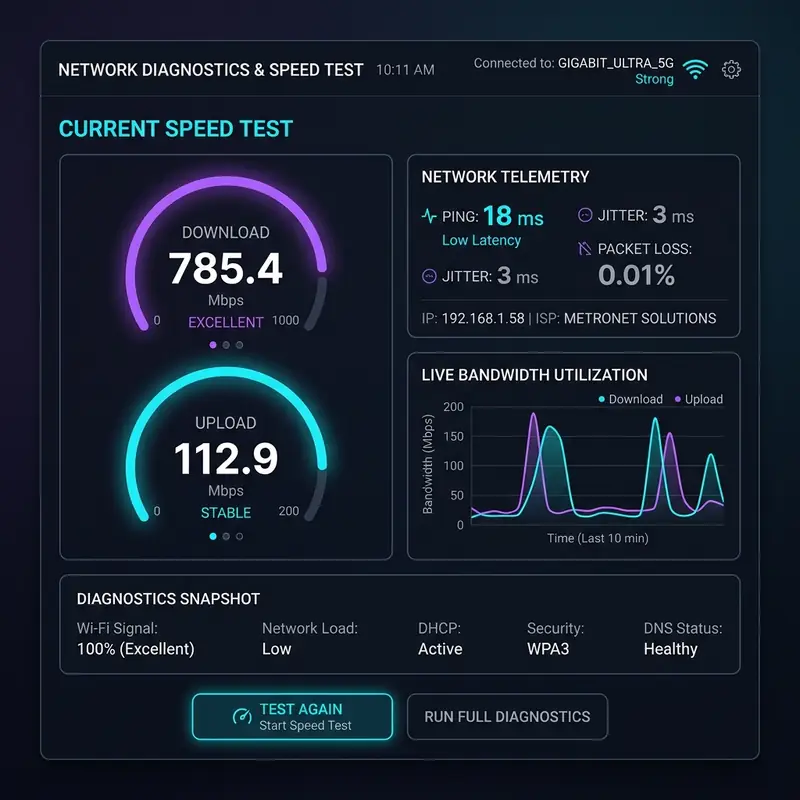
Monitoring core networking metrics is just as important as optimizing server settings and caching policies. Time to First Byte (TTFB) latency, server load, and bandwidth allocation are critical indicators of your server's health and performance. TTFB measures the time taken by the server to send the first byte of data back to the client after processing the request.
A high TTFB can indicate server overload or inefficient code, prompting a need for further optimization. Tracking server load helps you understand how much strain your server is under at any given time. If the load consistently approaches or exceeds your server's capacity, it may be time to consider load balancing or scaling your infrastructure.
Bandwidth allocation is another vital metric that should not be overlooked. Properly managing bandwidth can prevent bottlenecks and ensure that all users receive adequate resources.
Analyzing traffic patterns can help you allocate bandwidth dynamically based on user demand, which can be particularly useful during peak usage times. Tools for monitoring bandwidth usage can provide insights into which applications consume the most resources, allowing for informed decisions on resource allocation and potential optimization.
Finally, the interplay between performance tuning, caching policies, and networking metrics culminates in a more robust server configuration that can handle more concurrent users and deliver faster response times. By continuously monitoring these factors and making adjustments as necessary, you can maintain an efficient and reliable hosting environment that meets the demands of your applications and users.
Implementing Comprehensive Server-Side Cybersecurity Protocols for Enhanced Protection

Additionally, IP tables serve as a powerful firewall mechanism in Linux-based environments, enabling you to define rules that control incoming and outgoing traffic. By setting up strict rules in your IP tables, you can prevent unauthorized access to your server while allowing legitimate traffic through.
This involves establishing whitelists and blacklists based on IP addresses, port numbers, and protocols, thus tailoring your firewall settings to your specific security needs. Regularly reviewing and updating these rules is necessary to adapt to new threats and changing traffic patterns.
Another critical aspect of server-side security is the implementation of DDoS (Distributed Denial of Service) protection. DDoS attacks aim to overwhelm your server with excessive traffic, rendering your services unavailable to legitimate users.
Deploying a DDoS firewall involves integrating specialized software that can detect and mitigate unusual traffic spikes. These solutions often utilize behavioral analysis and machine learning algorithms to differentiate between legitimate and malicious traffic, ensuring that your server remains accessible even under attack.
It's important to have this protection in place, especially for businesses that rely on their online presence for revenue generation.
Directories permissions are another layer of security that cannot be overlooked. Properly configuring directory permissions ensures that sensitive files and directories are only accessible to authorized users.
This involves setting strict read, write, and execute permissions based on user roles. For instance, web server directories should typically have read permissions for the web server user while restricting write access.
Regular audits of directory permissions can help identify and rectify any misconfigurations that could expose sensitive data to unauthorized users.
In summary, implementing comprehensive server-side cybersecurity protocols significantly enhances your application's resilience against potential threats. By focusing on SSL certificate configurations, IP tables, DDoS protection, and directory permissions, you can create a multi-layered security approach that effectively safeguards your server and its data from a variety of cyber threats.
This proactive stance not only protects your assets but also builds trust with your users, reinforcing your reputation as a secure service provider.
Understanding Hosting Limitations: Navigating Shared Servers, DNS Issues, and SLA Considerations
Hosting options come with their own sets of limitations and considerations that can significantly impact your web applications. One of the primary distinctions in hosting environments is the difference between shared servers and dedicated or cloud machines. Shared hosting is often more affordable and easier to manage, as resources are pooled among multiple users. However, this can lead to performance bottlenecks during peak usage times, as one site's traffic can adversely affect others on the same server. Dedicated servers, on the other hand, provide exclusive resources, resulting in enhanced performance and stability but at a higher cost. Understanding the trade-offs between these options is important for making informed decisions based on your specific needs.DNS propagation errors can also present significant challenges for website availability and performance. When changes are made to DNS records, such as updating A records or switching providers, it can take time for those changes to propagate across the internet.
During this period, users may experience inconsistencies, where some may reach the updated site while others are still directed to the old server. This can lead to confusion and potential loss of traffic.
To mitigate these issues, it's essential to plan DNS changes carefully, consider lowering TTL (Time to Live) values before making changes, and communicate clearly with users about potential downtimes.
Database optimization traps are another common pitfall that can limit hosting performance. While using a shared database may seem convenient, it can lead to competition for resources, resulting in slow query times and application responsiveness.
On the other hand, optimizing your database can improve performance significantly. This involves indexing, regular maintenance, and careful consideration of data structures.
However, over-optimization can lead to complexity and increased maintenance overhead, creating a delicate balance that must be managed to avoid degradation of performance.
Service Level Agreements (SLAs) are also an essential aspect of understanding hosting limitations. An SLA defines the expected performance and uptime guarantees provided by your hosting service provider.
It is critical to review these agreements carefully, as they can vary widely between providers and hosting types. A strong SLA may guarantee a certain percentage of uptime, support response times, and penalties for non-compliance.
Understanding these terms can help you ensure that you choose a hosting solution that meets your operational requirements and expectations.
In conclusion, navigating the complexities of hosting limitations requires a comprehensive understanding of various factors, including the differences between shared and dedicated servers, the implications of DNS propagation, the need for database optimization, and the importance of SLAs. By carefully considering these aspects, you can choose the right hosting environment that aligns with your technical requirements and business objectives, ensuring a stable and efficient online presence.