How to Protect Your Mobile Device Using a VPN on Public Wi-Fi
Using a VPN on public Wi-Fi secures your data from threats by encrypting your connection, ensuring privacy and safety.
The Hidden Dangers of Using Free Open Public Wi-Fi Networks
DomineTec Tip: Setup your VPN client to automatically initiate connection whenever you join an unsecured Wi-Fi. Read our guide on how to configure VPN on iPhone manually.
Public Wi-Fi networks, commonly found in coffee shops, airports, and hotels, present significant risks to mobile device users. While these networks offer convenience and connectivity, they often lack robust security measures, making them prime targets for cybercriminals. When you connect to an unsecured network, your data can be intercepted by malicious actors, leading to unauthorized access to sensitive information.
One of the primary risks associated with public Wi-Fi is data sniffing. This involves cybercriminals using tools to capture data packets transmitted over the network. Any information sent over an unencrypted connection, including passwords, emails, and personal messages, can be easily intercepted. Additionally, hackers can perform Man-in-the-Middle (MitM) attacks, where they position themselves between your device and the network, effectively eavesdropping on your communications.
Furthermore, the anonymity of public Wi-Fi makes it easier for malicious users to create rogue hotspots. These fake networks can trick unsuspecting users into connecting, allowing attackers to harvest personal information without their knowledge.
To mitigate these risks, utilizing a Virtual Private Network (VPN) is essential. A VPN encrypts your internet connection, creating a secure tunnel for your data, thereby protecting it from prying eyes.

How Hackers Exploit Public Routers and Create Fake Hotspots (Evil Twin)
| Public Wi-Fi Vulnerability | How VPN Resolves It | Mitigation Level |
|---|---|---|
| Data Sniffing (Eavesdropping) | Encrypts the entire data packets payload | Complete (Unbreakable) |
| Man-in-the-Middle Hijack | Directs packets directly through secure host tunnel | Complete |
Hackers are increasingly sophisticated in their methods of exploiting public Wi-Fi networks. One common tactic is the creation of "Evil Twin" hotspots. An Evil Twin is a rogue Wi-Fi access point that appears legitimate but is controlled by an attacker. When a user connects to this fake network, the hacker can intercept all data traffic, making it easy to gather sensitive information.
The setup of an Evil Twin access point is relatively simple. An attacker uses widely available software tools to create a Wi-Fi hotspot with the same name as a legitimate public network. Once users connect to this hotspot, the attacker can monitor their activities, capture credentials, and even inject malicious payloads into the data stream.
The danger is compounded by the fact that many users do not verify the authenticity of the networks they connect to. As a result, it is vital to understand how to identify legitimate public Wi-Fi and take precautions to safeguard your data.
To protect yourself from these threats, using a VPN can significantly enhance your privacy and security. A VPN encrypts your data, rendering it useless to anyone who might intercept it, even if you inadvertently connect to an Evil Twin hotspot.

Step-by-Step: Enabling and Using a VPN on iOS and Android on Public Networks
Using a VPN on your mobile device is straightforward. Below, we provide step-by-step instructions for both iOS and Android devices.
Setting Up a VPN on iOS Devices
1. Choose a VPN Provider: Select a reputable VPN service. Popular options include NordVPN, ExpressVPN, and CyberGhost. Ensure the provider offers a dedicated app for iOS.
2. Download the VPN App: Open the App Store on your iPhone or iPad, search for your chosen VPN provider, and download the app.
3. Create an Account: Launch the app and follow the on-screen instructions to create an account. This may involve entering your email and creating a password.
4. Log In to the App: After creating an account, log in using your credentials.
5. Configure VPN Settings: Within the app, you may find various settings. Ensure that the VPN protocol is set to OpenVPN or IKEv2, as these provide strong encryption.
6. Enable the VPN: Tap the "Connect" button. The app will establish a secure connection, indicated by a VPN icon appearing in your status bar.
7. Verify Connection: You can check that your traffic is being routed through the VPN by visiting a site like whatismyipaddress.com. Ensure that the displayed IP address corresponds to the VPN server, not your local network.
Setting Up a VPN on Android Devices
1. Choose a VPN Provider: Similar to iOS, select a trusted VPN service with a dedicated Android app.
2. Download the VPN App: Open the Google Play Store, search for your selected VPN service, and download the app.
3. Create an Account: Open the app and set up your account by entering your email and password.
4. Log In to the App: Use your credentials to log into the app.
5. Configure VPN Settings: Access the app settings and select a strong protocol, preferably OpenVPN or IKEv2.
6. Enable the VPN: Tap the "Connect" button to establish a secure connection. A notification will confirm that you are connected.
7. Verify Connection: Visit a site like whatismyipaddress.com to ensure your IP address reflects the VPN server location.
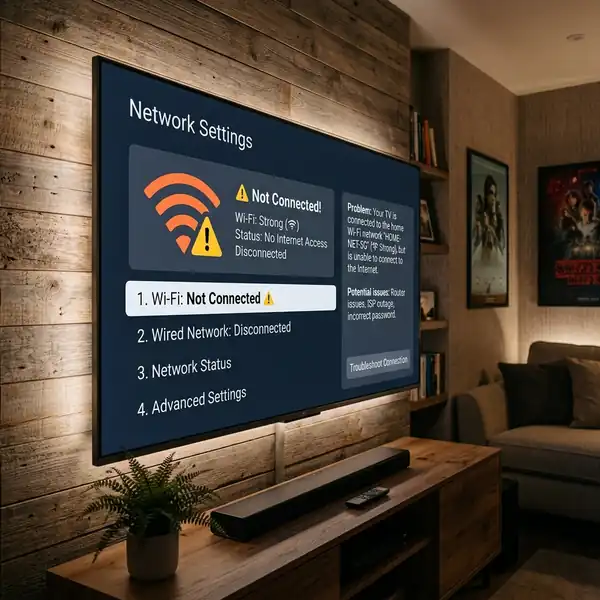
Key Features for Mobile Safety: Kill Switch and Auto-Connect Options
When choosing a VPN for mobile devices, it is crucial to look for specific features that enhance your security and privacy. Two of the most important features are the Kill Switch and Auto-Connect options.
Kill Switch
A Kill Switch is a vital feature that prevents your device from transmitting data if the VPN connection drops unexpectedly. Without a Kill Switch, your device may revert to using the unprotected public Wi-Fi network, exposing your data to potential threats.
To enable the Kill Switch:
1. Open the VPN App: Go to your VPN app settings. 2. Locate the Kill Switch Option: Look for a toggle or checkbox labeled "Kill Switch." 3. Enable the Feature: Turn on the Kill Switch feature to ensure that your data remains protected at all times.
Auto-Connect Options
The Auto-Connect feature automatically establishes a VPN connection whenever you connect to a Wi-Fi network. This is particularly useful in public spaces where you may forget to manually activate the VPN.
To enable Auto-Connect:
1. Open the VPN App: Access the settings within your VPN application. 2. Find the Auto-Connect Option: Look for a setting that says "Auto-Connect" or "Connect on Startup." 3. Enable the Feature: Turn on Auto-Connect to ensure that your device will automatically connect to the VPN whenever you access a new Wi-Fi network.

Additional Security Best Practices to Protect Your Data While Traveling
While using a VPN is an essential step in securing your mobile device on public Wi-Fi, there are additional practices you should adopt to enhance your data protection further.
Keep Your Device Updated
Regularly update your mobile operating system and apps. Updates often include security patches that protect against known vulnerabilities.
Use Strong Passwords
Employ strong, unique passwords for all your accounts. Consider using a password manager to generate and store complex passwords securely.
Enable Two-Factor Authentication (2FA)
Whenever possible, enable two-factor authentication for your accounts. This adds an extra layer of security that requires a secondary verification step in addition to your password.
Disable Automatic Connections
Prevent your device from automatically connecting to Wi-Fi networks. This stops your device from connecting to rogue hotspots without your knowledge.
Be Cautious with Sensitive Transactions
Avoid conducting sensitive transactions, such as banking or shopping, on public Wi-Fi, even when connected to a VPN. If you must perform such tasks, ensure that you are using a reliable VPN and that the website is secure (look for HTTPS).
Use Mobile Data When Possible
When traveling, consider using your mobile data instead of public Wi-Fi, especially for sensitive activities. Mobile networks typically offer stronger security than public Wi-Fi networks.
Monitor Your Devices for Unusual Activity
Regularly check your accounts and devices for any signs of unauthorized access or unusual activity. If you notice anything suspicious, change your passwords immediately.
Conclusion
Using a VPN on public Wi-Fi networks is essential for protecting your mobile device from cyber threats. By understanding the risks associated with public networks and following the steps outlined in this guide, you can significantly enhance your online privacy and security. Always remember to choose a reputable VPN provider, enable critical features like the Kill Switch and Auto-Connect, and adopt additional security practices to ensure your data remains safe while traveling. With these precautions in place, you can enjoy the convenience of public Wi-Fi without compromising your security.
Understanding VPN Protocols and Their Configuration
A Virtual Private Network (VPN) utilizes various protocols to ensure secure communication over the internet, especially when connected to public Wi-Fi networks. The choice of protocol can significantly affect the performance and security of your VPN connection. The most common VPN protocols include OpenVPN, L2TP/IPsec, IKEv2/IPsec, and PPTP. Each of these protocols has its unique configuration requirements and security features.
OpenVPN is widely regarded as one of the most secure VPN protocols available. It operates over User Datagram Protocol (UDP) or Transmission Control Protocol (TCP), which allows for flexible configuration based on network conditions. OpenVPN typically uses port 1194 for UDP and port 443 for TCP, making it difficult to block or restrict. When configuring OpenVPN, you should have the OpenVPN client installed on your mobile device, and the configuration file provided by your VPN service should be imported into the client. This file contains essential parameters such as the server address, encryption settings, and authentication methods, ensuring a robust connection.
L2TP/IPsec is another commonly used protocol that combines Layer 2 Tunneling Protocol (L2TP) with the IPsec security protocol. This protocol is generally more secure than PPTP but can be slower due to its double encapsulation process. L2TP typically uses port 1701, while IPsec operates on ports 500 and 4500. When configuring L2TP/IPsec on your mobile device, you will need to input the server address, your username and password, and choose appropriate security settings. It’s essential to ensure that your mobile device’s firewall allows traffic on these ports to avoid connectivity issues.
IKEv2/IPsec is known for its speed and stability, particularly in mobile environments where users frequently switch networks. It is particularly resilient to network changes, allowing for automatic reconnection. IKEv2 typically uses UDP port 500 for the initial connection and port 4500 for NAT traversal. When setting up IKEv2 on your mobile device, ensure you have the correct authentication method, usually certificate-based or pre-shared key, and that your mobile device supports this protocol; IKEv2 is often pre-configured on most modern operating systems.
PPTP, while one of the oldest VPN protocols, is generally less secure than its modern counterparts. It operates on port 1723 and uses a GRE tunnel for data transmission. Due to its ease of setup and speed, it might seem appealing, but the security vulnerabilities associated with PPTP make it unsuitable for sensitive data. When configuring PPTP, simply enter the server address, your credentials, and make sure the GRE protocol is enabled on your network.
In conclusion, the choice of VPN protocol is critical for optimizing both security and performance, especially on public Wi-Fi networks. Each protocol has specific configurations that must be adhered to for effective operation, and understanding these configurations can help users make informed decisions on which protocol best suits their needs.
Network Security Measures While Using VPNs on Public Wi-Fi
When using a VPN on public Wi-Fi, it is crucial to implement additional network security measures to safeguard your data against potential threats. While a VPN encrypts your internet traffic, various security protocols can further enhance your protection when connecting to public networks.
Firewall Configuration: Ensure that your mobile device's firewall is properly configured to block unauthorized connections. Firewalls can prevent unwanted traffic from entering or leaving your device, significantly reducing the risk of exposure to security threats. For Android devices, navigate to Settings > Security > Firewall and adjust the settings to allow only necessary connections while blocking all others when you are connected to public Wi-Fi networks.
Router Settings: If you have control over the Wi-Fi router, it’s advisable to change the default login credentials, disable WPS (Wi-Fi Protected Setup), and ensure that the router’s firmware is up to date. This minimizes the risk of attackers gaining access to the router's admin panel and potentially hijacking your network traffic.
DNS Leak Protection: A DNS leak occurs when your device sends DNS requests outside of the VPN tunnel, exposing your browsing habits. Many VPN services provide built-in DNS leak protection, which can be enabled in their settings. Additionally, consider manually configuring your device to use secure DNS servers, such as Google DNS (8.8.8.8) or Cloudflare (1.1.1.1), which can further enhance privacy.
Kill Switch Feature: Utilizing a VPN service that offers a 'kill switch' feature is essential. This tool automatically disconnects your internet connection if your VPN service drops unexpectedly, preventing your device from reverting to using the unsecured public Wi-Fi connection. Ensure this feature is enabled in your VPN client settings for maximum security.
Multi-Factor Authentication (MFA): Implementing multi-factor authentication for your VPN account adds an extra layer of security. This method requires not only a password but also a second factor, such as a verification code sent to your mobile device, providing enhanced protection against unauthorized access.
Regular Updates: Keeping your mobile operating system and apps up to date is crucial for security. Regular updates often include patches for vulnerabilities that could be exploited by hackers. Ensure that automatic updates are enabled on your device to receive the latest security enhancements promptly.
By understanding and implementing these network security measures in conjunction with VPN usage, users can significantly increase their protection against threats while accessing sensitive information over public Wi-Fi networks. Ensuring that all configurations, features, and updated protocols are in place will create a robust defense against potential attacks, safeguarding your privacy and data integrity.
Additional Resources and Recommended Links
For more networking and security guides, check out our step-by-step tutorials on configure VPN on iPhone manually and mobile banking security with VPN. For official hardware troubleshooting, visit the FBI Cyber Division (IC3) Official Portal.