Using a VPN on your phone enhances mobile banking security by encrypting your data and protecting against cyber threats.
The Risks of Accessing Bank Apps on Public Wi-Fi Networks
DomineTec Tip: Keep the VPN Kill Switch enabled on your Android or iOS device. If your connection drops, all internet traffic will be severed immediately to prevent credentials leaking. For security configurations of your home router, check our guide on the best home Wi-Fi encryption.
As mobile banking becomes increasingly popular, many users frequently access their bank applications while connected to public Wi-Fi networks. While this offers convenience, it also exposes users to significant risks. Public Wi-Fi networks, such as those found in coffee shops, airports, and hotels, are often unsecured, meaning that data transmitted over these networks can be intercepted easily by cybercriminals.
One of the most prevalent threats associated with public Wi-Fi is the potential for Man-in-the-Middle (MitM) attacks. In a MitM attack, an attacker secretly intercepts and relays communications between two parties—like your phone and your bank’s server—without either party knowing. This can enable the attacker to capture sensitive information, such as bank account credentials, personal identification numbers (PINs), and transaction details.
Furthermore, many public Wi-Fi networks lack proper security measures, such as strong encryption and user authentication protocols. This creates an environment ripe for data breaches and financial fraud. According to cybersecurity experts, using public Wi-Fi without protection can lead to unauthorized access to your bank account, resulting in significant financial losses and identity theft.
To mitigate these risks, it is crucial to use a Virtual Private Network (VPN) on your phone before accessing banking apps on public Wi-Fi. A VPN encrypts your internet connection, providing an additional layer of security against potential threats.
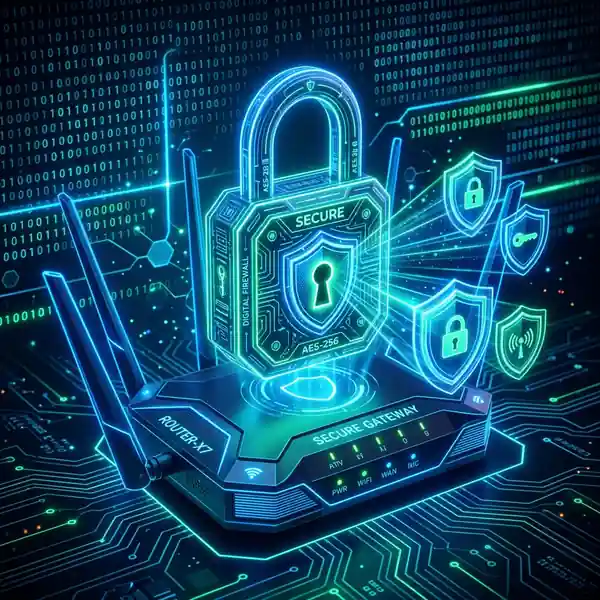
How a VPN Protects Your Financial Data via Encryption
| Public Wi-Fi Threat | Attack Mechanism | Impact on Bank App | How VPN Neutralizes It |
|---|---|---|---|
| Man-in-the-Middle (MitM) | Physical packet interception | Credentials/passwords theft | Encrypts all traffic (unreadably) |
| Rogue Access Point (Evil Twin) | Hacker router cloning public network | Complete capture of transmitted data | Creates impenetrable encrypted tunnel |
A VPN works by creating a secure tunnel between your device and the internet. When you connect to a VPN, your data is encrypted, which means that even if it is intercepted, it would be unreadable to anyone without the proper decryption keys. This encryption is vital for securing sensitive information, such as banking credentials and transaction data.
There are several encryption protocols used by VPNs, including:
- OpenVPN: An open-source protocol known for its strong security and flexibility. It is widely regarded as one of the most secure options available.
- IPSec/IKEv2: A combination of protocols that ensures secure data transmission and is particularly effective for mobile devices, providing fast connections.
- L2TP/IPSec: Layer 2 Tunneling Protocol combined with IPSec offers enhanced security but may be slower than OpenVPN.
- WireGuard: A newer protocol that promises high performance and strong encryption with a simpler codebase.
When you connect to a VPN, your internet traffic is routed through a VPN server, which masks your IP address and location. This not only protects your financial data from potential interception but also helps maintain your privacy while online. By using a reputable VPN service, you can ensure that your financial transactions are safeguarded against prying eyes.

Step-by-Step Guide: Activating Your Phone VPN Before Logging In
To effectively use a VPN for mobile banking security, follow these detailed steps to set up and activate your VPN on your smartphone.
Step 1: Choose a Reputable VPN Service
Select a VPN provider that is known for its robust security features, reliable performance, and strong privacy policies. Some highly-rated options include:
- NordVPN
- ExpressVPN
- CyberGhost
- Surfshark
- Private Internet Access
Make sure the VPN you choose has a user-friendly mobile app available for your device's operating system.
Step 2: Download and Install the VPN App
1. Visit the Apple App Store or Google Play Store depending on your device. 2. Search for the VPN service you selected. 3. Download and install the app on your smartphone.
Step 3: Create an Account
1. Open the application. 2. Sign up for an account by providing the necessary information, such as your email address and payment method. 3. If applicable, select a subscription plan that meets your needs.
Step 4: Configure Settings
1. Open the VPN app and log in with your credentials. 2. Navigate to the settings menu within the app. 3. Ensure that the VPN is set to connect automatically when your device starts. 4. Choose the encryption protocol that suits your needs; OpenVPN is typically recommended for its balance of speed and security.
Step 5: Connect to the VPN
1. On the main screen of the VPN app, select a server location. For banking purposes, it’s often advisable to connect to a server in your home country to maintain access to local services. 2. Tap the "Connect" button to establish a secure VPN connection. 3. Wait for the app to confirm that you are connected. You should see a notification or an icon indicating that the VPN is active.
Step 6: Access Your Banking App
With the VPN successfully connected, you can now open your banking app. Your data is encrypted and secure, minimizing the risk of interception while performing transactions.
Must-Have Settings: Kill Switch and Leak Protection
While using a VPN significantly enhances your security, it is essential to configure additional settings to ensure maximum protection. Two critical features to look for are the Kill Switch and Leak Protection.
Kill Switch
A Kill Switch is a security feature that automatically disconnects your internet connection if the VPN connection drops unexpectedly. This prevents your device from reverting to an unsecured connection, which could expose your sensitive data.
To enable the Kill Switch:
1. Go to the settings menu of your VPN app. 2. Look for the option labeled "Kill Switch" or "Network Lock." 3. Enable this feature to ensure that your internet connection will be terminated if the VPN disconnects.
Leak Protection
Data leaks can occur when your device inadvertently exposes your real IP address or DNS queries, even when connected to a VPN. To protect against this, look for a VPN that offers DNS leak protection.
To enable Leak Protection:
1. Access the settings within your VPN app. 2. Locate the option for DNS leak protection. 3. Turn on this feature to ensure that all your DNS queries are routed through the VPN.
By activating these settings, you can further minimize the risk of data breaches while accessing mobile banking applications.

Additional Best Practices for Secure Mobile Banking
Using a VPN is a critical step in securing your mobile banking activities, but it should not be the only precaution you take. Here are additional best practices to enhance your banking security:
- Enable Two-Factor Authentication: Whenever available, enable two-factor authentication (2FA) on your banking app. This adds an extra layer of security by requiring a second form of verification, such as a text message code.
- Keep Your Device Updated: Regularly update your smartphone’s operating system and applications to protect against known vulnerabilities.
- Use Strong Passwords: Create complex passwords for your banking accounts. Avoid using easily guessable information and consider using a password manager to store your passwords securely.
- Monitor Your Accounts: Regularly check your bank statements and transaction history for any unauthorized activities. Report any suspicious transactions to your bank immediately.
- Disconnect from Public Wi-Fi: If possible, avoid using public Wi-Fi altogether for banking transactions. Consider using your mobile data instead for a more secure connection.
By following these best practices alongside using a VPN, you can significantly enhance your mobile banking security and protect your financial information from cyber threats.
Conclusion
In today's digital age, securing your financial data while using mobile banking apps is paramount. Utilizing a VPN on your phone is an effective way to safeguard your transactions against the risks associated with public Wi-Fi networks. By following the steps outlined in this article, you can establish a secure connection that encrypts your data and protects your sensitive financial information from prying eyes.
Remember, while a VPN offers robust security, it is essential to implement additional best practices to further secure your mobile banking experience. By being proactive and informed, you can enjoy the convenience of mobile banking with confidence.
Additional Resources and Recommended Links
For more networking and security guides, check out our step-by-step tutorials on best home Wi-Fi encryption and how to browse anonymously online. For official hardware troubleshooting, visit the Federal Reserve Official Site.