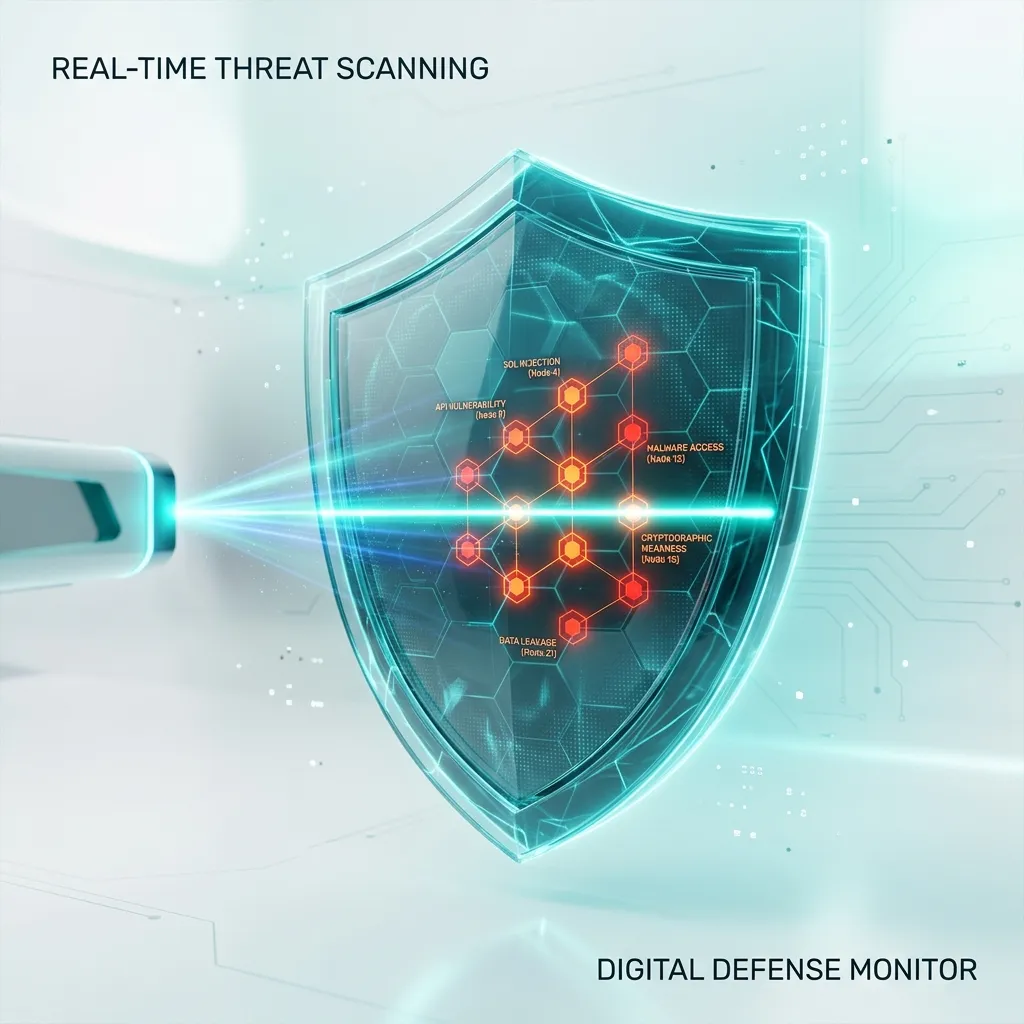
WPA2 vs WPA3: Which Wi-Fi Encryption Is Best for Home Security?
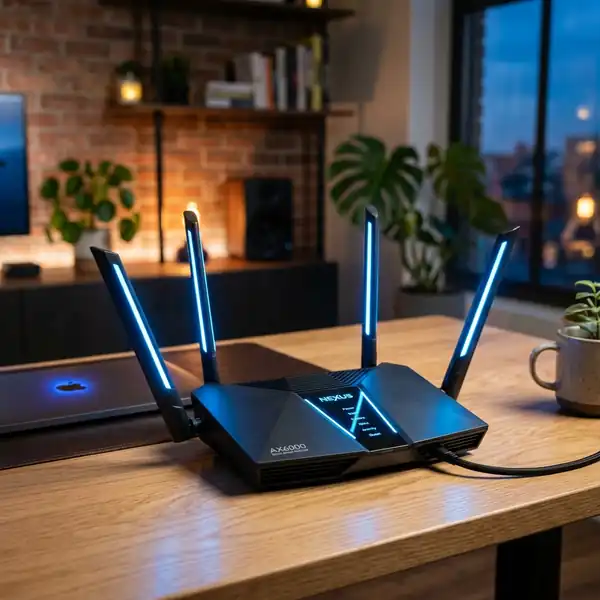
The best Wi-Fi encryption for home networks is WPA3, offering enhanced security features over WPA2.
The Importance of Encryption in Home Wi-Fi Networks
DomineTec Tip: If you use very old IoT smart devices, utilize the hybrid WPA2/WPA3 transition mode. To make sure no one is stealing your bandwidth, read our guide on how to tell if your router has been hacked.
In an era where connectivity is integral to daily life, securing your home Wi-Fi network is paramount. Wireless networks are susceptible to various forms of cyber threats, including unauthorized access and data interception. Encryption serves as a critical line of defense, ensuring that the data transmitted over your network remains confidential and protected from potential eavesdroppers. By utilizing robust encryption protocols, homeowners can safeguard sensitive information, such as personal files, financial data, and private communications, from prying eyes.

Crucial Differences Between WEP, WPA, WPA2, and WPA3
| Wi-Fi Standard | Encryption Protocol | Relative Security | Status (2026) |
|---|---|---|---|
| WPA2 | AES-CCMP | Medium-High (Vulnerable to KRACK) | Active Legacy |
| WPA3 | GCMP-256 (SAE handshake) | Maximum (Immune to offline dictionary attacks) | Recommended Standard |
Over the years, several encryption protocols have been developed to secure wireless networks, each with varying levels of security and effectiveness. Understanding these differences is essential for making informed decisions about your home network security.
- WEP (Wired Equivalent Privacy): Introduced in 1997, WEP was the first attempt at securing wireless networks. However, it is now considered obsolete due to significant vulnerabilities that allow hackers to easily crack its encryption in a matter of minutes.
- WPA (Wi-Fi Protected Access): Released in 2003 as an interim solution to WEP's shortcomings, WPA improved security by implementing TKIP (Temporal Key Integrity Protocol). Although it was a step up from WEP, WPA is still vulnerable to various attacks and is no longer recommended.
- WPA2: This protocol was introduced in 2004 and replaced WPA, utilizing AES (Advanced Encryption Standard) for encryption, making it significantly more secure. WPA2 is widely used and provides robust security when configured correctly.
- WPA3: The latest standard, introduced in 2018, builds upon WPA2's foundation and incorporates advanced encryption methods, including the Simultaneous Authentication of Equals (SAE) handshake, which enhances security against offline dictionary attacks.
Why You Should Migrate to WPA3 Standard (SAE Handshake)
Migrating to WPA3 is highly recommended for homeowners looking to enhance their network security. The SAE handshake utilized in WPA3 is a significant upgrade over the Pre-Shared Key (PSK) method used in WPA2. This new approach facilitates a more secure password authentication process, making it exceptionally difficult for attackers to gain unauthorized access, even if they have access to the network's SSID.
WPA3 also includes Forward Secrecy, which ensures that even if a password is compromised, past communications remain secure. This feature protects user data from being decrypted by hackers, a crucial advantage for anyone concerned about privacy and data integrity.
Additionally, WPA3 simplifies the process of connecting devices, particularly for IoT devices, ensuring a secure connection without requiring extensive user intervention. This ease of use is a significant benefit for non-technical users who may struggle with complex setups.
How to Configure WPA2 or WPA3 on Your Home Router Settings
Configuring your home router to utilize WPA2 or WPA3 is a straightforward process. Here’s a step-by-step guide to ensure your network is securely encrypted:
- Access Your Router Admin Panel: Open a web browser and enter your router's IP address (commonly 192.168.1.1 or 192.168.0.1) in the address bar. Log in using your administrator credentials. If you haven’t changed them, the default credentials can often be found on the router or its user manual.
- Navigate to Wireless Settings: Once logged in, locate the "Wireless" or "Wi-Fi" settings section in the admin panel.
- Select Security Settings: In the wireless settings, find the option for "Security" or "Encryption." Here, you can choose between WPA2 and WPA3.
- Choose WPA2 or WPA3: If your router supports WPA3, select it from the drop-down menu. If not, stick with WPA2. Ensure that you select the "AES" encryption type for optimal security.
- Set a Strong Password: Create a strong and complex Wi-Fi password, ideally including a mix of upper and lower-case letters, numbers, and special characters. Avoid common phrases or easy-to-guess passwords.
- Save Settings: After making your selections and entering your password, save the settings. Your router may restart to apply the changes.

Additional Measures: Disabling WPS and Securing Router Admin Panel
While configuring your Wi-Fi encryption is a crucial step, there are additional measures to further secure your home network:
- Disable WPS (Wi-Fi Protected Setup): WPS is a feature designed for easy network configuration, but it has known vulnerabilities that can be exploited by attackers. To disable WPS, return to the router settings and locate the WPS option, then turn it off.
- Secure Router Admin Panel: Change the default admin username and password to something unique and complex. This minimizes the risk of unauthorized access to your router settings. Additionally, consider restricting access by changing the default IP address of your router.
In conclusion, ensuring the security of your home Wi-Fi network is essential in today’s digital age. By migrating to WPA3, configuring strong passwords, and implementing additional security measures, you can significantly enhance your home network's protection against cyber threats. Always stay vigilant and regularly check for updates or security patches for your router to maintain the highest level of security possible.
Understanding WPA3: The Next Generation of Wi-Fi Security
WPA3 (Wi-Fi Protected Access 3) is the latest security protocol developed by the Wi-Fi Alliance to enhance the security of wireless networks. It builds upon its predecessor, WPA2, by introducing more robust encryption methods and improved authentication processes. One of the most significant advancements in WPA3 is the use of Simultaneous Authentication of Equals (SAE), which replaces the Pre-Shared Key (PSK) method used in WPA2. This change allows for a more secure method of password authentication, protecting against offline dictionary attacks.
In a typical WPA3 configuration, the SAE process begins when a client attempts to connect to a router. Instead of simply sending the password hash, the client and router engage in a secure negotiation process that involves exchanging cryptographic keys. This negotiation ensures that even if an attacker intercepts the communication, they cannot easily derive the password. The use of forward secrecy guarantees that session keys will not be compromised even if the password is later exposed.
Furthermore, WPA3 employs 192-bit encryption, which significantly bolsters the encryption standards from WPA2's 128-bit encryption. This increased key length makes brute-force attacks more impractical, requiring substantial computational resources to break the encryption. WPA3 also introduces a feature called Enhanced Open, which enables open networks to provide opportunistic encryption, ensuring that data packets transmitted over these networks are encrypted even without a password.
When configuring a router for WPA3, users should navigate to the security settings in the router's firmware interface. Here, they can select WPA3 as the security type and ensure that the router's firmware is up to date to support this protocol. It is also advisable to enable the “WPA3-SAE” option if available, as this will ensure that the strongest authentication mechanism is being utilized. For devices that do not support WPA3, many routers offer a mixed mode that allows both WPA2 and WPA3 connections, facilitating a smoother transition for users upgrading their network security.
In conclusion, WPA3 represents a significant leap forward in Wi-Fi security, providing enhanced protection against common vulnerabilities. By enabling WPA3 on home networks, users can ensure that their data transmissions remain secure and resilient against potential threats.
Implementing VLANs for Enhanced Network Security
Virtual Local Area Networks (VLANs) are a powerful tool for segmenting network traffic, thus enhancing security and performance in a home network environment. By logically separating devices on a single physical network, VLANs can help mitigate the risks associated with unauthorized access, broadcast storms, and network congestion. VLANs are constructed by configuring switches to associate specific ports with a VLAN ID, allowing devices within the same VLAN to communicate while isolating them from devices in other VLANs.
To implement VLANs, users need to access their network switch's management interface. Most modern managed switches support VLAN configuration through a web-based interface or command-line interface (CLI). Once logged in, users can create VLANs by assigning a unique VLAN ID (typically ranging from 1 to 4095) and naming the VLAN for easier identification. For example, a dedicated VLAN for IoT devices might be labeled “IoT VLAN” with an ID of 10.
When configuring VLANs, it is essential to assign ports to specific VLANs based on the devices connected. For instance, ports connected to smart home devices can be assigned to the IoT VLAN, while ports for personal computers and printers might remain in the default VLAN. This segmentation not only enhances security by preventing unauthorized access between devices but also improves network performance by reducing unnecessary broadcast traffic across the entire network.
One of the key concepts to understand when working with VLANs is the difference between tagged and untagged ports. Tagged ports are used to carry traffic for multiple VLANs and are typically configured on trunk ports that connect switches or routers. Untagged ports, on the other hand, are designated for a single VLAN and are usually used for end-user devices. When configuring a switch, it is crucial to ensure that trunk ports are set to carry multiple VLANs while ensuring that access ports (untagged) are correctly associated with the desired VLAN.
In addition to basic VLAN configuration, advanced features such as Access Control Lists (ACLs) can be employed to further enhance security by controlling which devices can communicate with each other across VLAN boundaries. For example, a home network could be configured to allow devices on the “IoT VLAN” to send data to an internet gateway while preventing them from accessing other VLANs, such as “Personal VLAN” or “Guest VLAN.”
In conclusion, implementing VLANs in a home network provides a robust framework for enhancing security and managing network traffic efficiently. By segregating devices based on their function and applying strict access controls, users can significantly reduce the risk of internal security breaches and optimize their network's performance.
Understanding WPA3: The Next Generation of Wi-Fi Security
WPA3 (Wi-Fi Protected Access 3) is the latest security protocol designed to enhance the security of wireless networks significantly. One of its core features is the use of Simultaneous Authentication of Equals (SAE), which replaces the Pre-Shared Key (PSK) method used in WPA2. SAE provides a more secure password-based authentication mechanism by utilizing a zero-knowledge proof system. This means that even if an attacker is able to capture the handshake packets during the authentication process, they will not be able to derive the password due to the cryptographic complexities involved.
Additionally, WPA3 introduces Forward Secrecy, ensuring that even if an attacker manages to acquire the encryption keys from a past session, they cannot decrypt future sessions. This is achieved through ephemeral key exchanges that generate unique session keys for each connection, making it extremely difficult for adversaries to exploit old data. Furthermore, WPA3 employs 192-bit encryption in its security suite, providing robust protection against brute-force attacks and other vulnerabilities associated with weaker encryption standards.
To configure WPA3 on your home router, access the router's web interface, typically found at an address like 192.168.1.1 or 192.168.0.1. Once logged in, navigate to the wireless settings section and look for the security options. There, you should see an option to select WPA3. Ensure that your client devices support WPA3, as mixed mode (WPA2/WPA3) may lead to compatibility issues. After selecting WPA3, save the configuration and reboot your router to apply the changes.
Configuring Advanced Router Settings for Enhanced Wi-Fi Security
While setting up WPA3 is a vital step in securing your home network, delving into advanced router configurations can further bolster your network's defense. One such configuration is the implementation of a strong firewall policy. Most modern routers come with built-in firewalls that can be configured to block unsolicited inbound traffic. To do this, navigate to the firewall settings on your router's web interface and enable features such as SPI (Stateful Packet Inspection), which monitors the state of active connections and determines which packets to allow or block based on established rules.
Another essential setting is to disable WPS (Wi-Fi Protected Setup), which, while convenient, can introduce security vulnerabilities. WPS allows devices to connect to the network using a PIN code, which can be susceptible to brute-force attacks. Disabling this feature ensures that only authorized devices can connect through the more secure manual method.
Additionally, consider segmenting your home network by creating a guest network. This involves setting up a separate SSID with its own password, restricting guest access to the primary network. This not only protects sensitive devices but also limits exposure to potential threats from guests’ devices.
Finally, regularly update your router's firmware to patch any security vulnerabilities. Check the manufacturer's website for firmware updates and follow their instructions for installation. Keeping your firmware up to date ensures that your router has the latest security enhancements and features, significantly reducing the risk of a security breach.
Additional Resources and Recommended Links
For more networking and security guides, check out our step-by-step tutorials on how to tell if your router has been hacked and how to setup VPN on TP-Link router. For official hardware troubleshooting, visit the Official Wi-Fi Alliance Site.