To determine if your router is hacked, look for unusual network activity, unknown devices, and settings changes.
Clear Warning Signs Your Router Has Been Compromised
DomineTec Tip: Always disable WPS in your router's wireless settings, as it has a major security design flaw vulnerable to brute-force attacks. To make your wireless network bulletproof, learn about the best home Wi-Fi encryption standards.
As the central hub of your home network, your router plays a pivotal role in managing internet traffic and providing security to connected devices. When hackers gain access to your router, they can manipulate your network, intercept data, or even redirect you to malicious sites. Here are some clear warning signs indicating that your router may have been compromised:
- Unusual Activity: Frequent disconnections or slow internet speeds may suggest unauthorized access.
- Unknown Devices: Seeing unfamiliar devices connected to your network can indicate a breach.
- Changed Settings: If your router settings, such as the Wi-Fi password or SSID, have changed without your consent, this is a red flag.
- DNS Issues: If your browser redirects to strange or unrecognized websites, your DNS settings may have been altered.
- Increased Data Usage: Unexpected spikes in data usage can be a sign that someone is using your connection without permission.

How to Check Connected Devices and the DHCP Client List
| Hacking Symptom | Likely Technical Cause | Risk Level | Recommended Action |
|---|---|---|---|
| Redirection to phishing sites | DNS Hijacking / Rogue DNS Settings | Critical | Factory reset and change router admin credentials |
| Unknown devices on DHCP list | Wi-Fi Password Compromise / WPS Exploit | High | Change Wi-Fi password and disable WPS |
One effective way to assess whether your router has been compromised is to check the DHCP client list. The DHCP (Dynamic Host Configuration Protocol) protocol assigns IP addresses to devices on your network. By identifying all connected devices, you can spot any unauthorized access. Follow these steps:
- Access Your Router’s Web Interface: Open a web browser and enter the router’s IP address into the address bar. Common IP addresses include 192.168.1.1 or 192.168.0.1. If you’re unsure, refer to the router’s manual.
- Log In: Enter your admin username and password. If you haven’t changed these from the default settings, it’s crucial to do so immediately.
- Navigate to the DHCP Client List: Look for a section labeled “Connected Devices,” “Device List,” or “DHCP Client List.” This will display all devices currently connected to your router.
- Review the List: Examine the list for any unknown or suspicious devices. Note the IP addresses and MAC addresses, as these can help you identify unauthorized access.
If you find devices that you do not recognize, consider changing your Wi-Fi password and re-evaluating your security settings.

How Hackers Exploit Router Firmware Vulnerabilities
Router firmware vulnerabilities are a significant attack vector for hackers. Firmware is the software programmed into your router, dictating its functionality. Outdated firmware can have security holes that cybercriminals exploit to gain control over your network. Here’s a closer look at how this occurs:
- Exploiting Outdated Firmware: Many routers run on outdated firmware versions. Hackers scan for devices using default configurations and known vulnerabilities. If your router's firmware isn’t updated, it may be susceptible to attacks.
- Remote Access Exploits: Some routers allow remote management features. If enabled without proper security measures, hackers can access the router’s interface from anywhere.
- Malicious Payloads: Hackers can use scripts or malware to manipulate firmware directly or inject payloads designed to reroute traffic.
To mitigate risks, always keep your router firmware up to date. Manufacturers often release security patches to address known vulnerabilities.
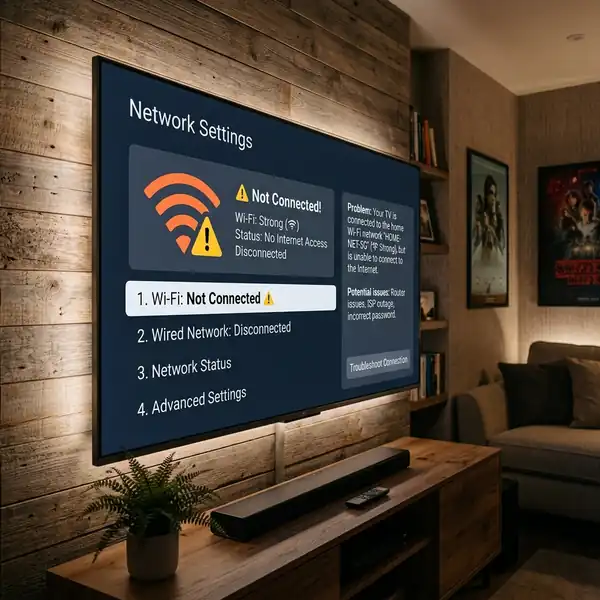
Step-by-Step Guide: How to Clean and Reset a Hacked Router
If you suspect that your router has been hacked, it is essential to take immediate action to secure your network. Here’s a detailed guide on how to clean and reset your router:
- Disconnect from the Internet: Unplug your modem and router from the power source to prevent any further unauthorized access.
- Perform a Hard Reset: Locate the reset button on your router, usually found on the back or bottom. Press and hold this button for about 10-15 seconds using a paperclip or similar object until the lights on the router blink, indicating a factory reset.
- Reconnect Your Devices: After the reset, plug the router back in and wait for it to reboot. Connect your computer to the router using an Ethernet cable to avoid any potential wireless intrusion during the setup process.
- Access the Router’s Interface: Open a web browser and enter the router's IP address. Use the default username and password to log in. These credentials can be found in the user manual or on the router itself.
- Change Default Credentials: Immediately change the default username and password to something unique and strong. Use a combination of uppercase letters, lowercase letters, numbers, and special characters.
- Update Firmware: Navigate to the firmware update section in the router's interface and check for the latest firmware. If there are updates available, download and install them.
- Reconfigure Your Settings: Reconfigure your Wi-Fi settings, including SSID and password. Ensure that the encryption type is set to WPA3 or WPA2 for enhanced security.
- Disable Remote Management: Unless necessary, disable remote management features that allow access to the router from outside your home network.
- Enable Network Firewall: Ensure that any built-in firewall features are enabled on your router to provide an additional layer of security.
- Reconnect Your Devices: Finally, reconnect your devices to the newly secured network using the updated credentials.

How to Secure Your Router Against Future Attacks
Once you have cleaned and reset your router, it’s crucial to implement ongoing security measures to protect against future attacks. Here are some best practices:
- Regular Firmware Updates: Set a reminder to check for firmware updates every few months or enable automatic updates if supported by your router.
- Change Wi-Fi Password Regularly: Update your Wi-Fi password periodically to minimize the risk of unauthorized access.
- Use Strong Security Protocols: Always use WPA2 or WPA3 encryption for your Wi-Fi network. Avoid older protocols like WEP, which are less secure.
- Disable WPS: Wi-Fi Protected Setup (WPS) can be vulnerable to brute-force attacks. If your router supports it, consider disabling this feature.
- Monitor Connected Devices: Regularly check the DHCP client list for unknown devices and take action to remove unauthorized users.
- Implement Network Segmentation: If possible, create a guest network for visitors to separate them from your main network, providing an additional layer of security.
- Utilize a VPN: Using a Virtual Private Network (VPN) can help encrypt traffic on your network and protect against external threats.
Securing your router is a continuous process that requires vigilance and proactive measures. By following the steps outlined above, you can significantly reduce the risk of your router being hacked and ensure a safer online experience for all devices connected to your network.
Understanding Router Firmware and Its Role in Security
Router firmware is a specialized type of software that controls the hardware of a router, managing its functions and features. Firmware operates at a low level, interfacing directly with the hardware to execute tasks like packet forwarding, network management, and access control. It is crucial to understand that outdated or compromised firmware can leave a router vulnerable to various security threats. Attackers can exploit these vulnerabilities by using techniques such as remote code execution, which allows them to gain control over the router and manipulate network traffic.
To ensure the security of your router, it is essential to regularly check for firmware updates provided by the manufacturer. These updates often include patches for known vulnerabilities, enhancements to existing features, and improvements to overall performance. Updating firmware is typically done through the router’s web interface, where users can navigate to a section labeled “Firmware Update” or “Router Upgrade.” Here, the router will either automatically check for updates or require the user to manually download the latest firmware from the manufacturer’s website.
When assessing the security of your router, pay attention to the following technical aspects:
- Access Control Lists (ACLs): These are used to filter traffic and restrict access to specific devices on the network. Properly configured ACLs can help prevent unauthorized access to your router’s management interface.
- Secure Boot: This feature ensures that the router only runs firmware that is digitally signed by the manufacturer, preventing unauthorized modifications.
- Encryption Protocols: Routers should support modern encryption protocols such as WPA3 for Wi-Fi security. Older protocols like WEP and WPA2 are susceptible to various attacks, making them inadequate for securing sensitive information.
- Router Configuration Backup: Regularly backing up your router’s configuration settings can save time and ensure a quick recovery in case of a suspected compromise. This can usually be done through the router’s web interface under the “Backup” or “Export” options.
- Remote Management Settings: Disabling remote management features can significantly reduce the attack surface. If remote management is necessary, ensure that it is secured with strong credentials and only accessible from trusted IP addresses.
By understanding the importance of router firmware and its configurations, users can better protect their networks from potential intrusions. It is advisable to periodically audit your router’s firmware version against the manufacturer’s latest release notes, ensuring that you are not running a version that is known to be vulnerable.
Network Protocols and Their Impact on Router Security
Network protocols are the underlying rules and conventions that govern how data is transmitted over a network. Understanding these protocols is vital for recognizing potential vulnerabilities that may arise in router configurations. Common protocols relevant to router security include DHCP, DNS, and TCP/IP, each of which plays a specific role in facilitating communication across networks.
Dynamic Host Configuration Protocol (DHCP) is responsible for assigning IP addresses to devices on a network. If a router’s DHCP server is improperly configured or left open, it may allow an attacker to assign malicious IP addresses to devices, leading to man-in-the-middle attacks. To mitigate this risk, enable DHCP snooping, a security feature that ensures only trusted devices can assign IP addresses and that rogue DHCP servers are blocked.
Domain Name System (DNS) translates user-friendly domain names into IP addresses. Attackers often exploit DNS vulnerabilities through techniques such as DNS spoofing or DNS hijacking, which can redirect traffic to malicious sites. To enhance DNS security, consider implementing DNSSEC (Domain Name System Security Extensions), which adds a layer of cryptographic verification to DNS responses, ensuring their integrity and authenticity.
The Transmission Control Protocol (TCP) is foundational for reliable communication across networks. It breaks data into packets, ensuring that they are sent and received in the correct order. However, vulnerabilities in TCP, such as TCP SYN Flood attacks, can overwhelm routers and disrupt service. Implementing TCP SYN cookies can help defend against such attacks by allowing the router to handle incoming connections more efficiently without allocating resources until a connection is fully established.
Another critical aspect to consider is the router’s support for IPv6. As the Internet transitions from IPv4 to IPv6, routers must be properly configured to handle both protocols. IPv6 includes built-in security features, such as mandatory IPsec (Internet Protocol Security) for encrypted communication. However, misconfigured IPv6 settings can expose devices to attacks. It is essential to disable any unnecessary IPv6 features and ensure that firewalls are appropriately configured to manage both IPv4 and IPv6 traffic.
In addition to these protocols, monitoring network traffic and logs is crucial for identifying suspicious activities. Tools such as network intrusion detection systems (NIDS) can analyze packet flows and alert administrators to potential threats. Implementing proper logging on routers can also provide valuable insight into access attempts, allowing for the identification of unusual patterns that may indicate a compromise.
By understanding the intricacies of network protocols and their implications for router security, users can implement more robust defenses against potential security breaches. Regularly reviewing router configurations, ensuring protocols are correctly implemented, and staying informed about emerging threats are essential steps in maintaining a secure network environment.
Understanding Router Firmware and Its Role in Security
Router firmware is the specialized software embedded in the router's hardware that controls its operations and functionalities. This software is crucial for managing network protocols, interfaces, and security features. Routers typically run on firmware developed by their manufacturers, which can include features such as Network Address Translation (NAT), firewall settings, and Quality of Service (QoS) controls. Outdated firmware can expose vulnerabilities that hackers can exploit to gain unauthorized access to your network.
To ensure your router’s firmware is up-to-date, regularly check the manufacturer’s website for updates or utilize the router’s web interface. Accessing the web interface typically involves entering the router's IP address (commonly 192.168.1.1 or 192.168.0.1) in a web browser and logging in with administrative credentials. Once logged in, navigate to the firmware update section. Many modern routers offer automatic updates, but it is advisable to manually verify the current version against the latest available release.
In terms of security features, advanced routers utilize secure protocols such as WPA3 (Wi-Fi Protected Access 3) for wireless security, which significantly enhances protection against brute force attacks and provides improved cryptography. The implementation of a Virtual Private Network (VPN) is also a critical security measure, as it encrypts data packets transmitted over the network, making interception by malicious actors extremely challenging.
Furthermore, enabling features such as Intrusion Detection Systems (IDS) and Intrusion Prevention Systems (IPS) can help monitor traffic patterns and identify anomalies indicative of a cyber attack. These systems analyze packet flows and can automatically block suspicious activities, offering an additional layer of protection against potential threats.
Network Traffic Analysis: Identifying Unusual Patterns
Regularly analyzing network traffic is essential for detecting signs of unauthorized access or malicious activity on your router. Network traffic analysis involves monitoring data packets that traverse your network interfaces to identify unusual patterns or anomalies. This can be done using various tools, such as Wireshark, which allows users to capture and examine packets in real-time.
When analyzing traffic, focus on key indicators, such as unexpected high data usage, connections to unfamiliar IP addresses, or repeated failed login attempts. Anomalous traffic patterns can often signal a compromised router. For example, if you observe outbound traffic to an IP address known for malicious activity or spikes during unusual hours, this warrants further investigation.
Additionally, understanding the Transmission Control Protocol (TCP) and User Datagram Protocol (UDP) behaviors can aid in identifying potential threats. TCP connections require a handshake process that establishes a reliable connection, while UDP is connectionless and often used for streaming services. Unusual UDP traffic may indicate a potential Denial-of-Service (DoS) attack. Setting up packet filters within your router's configuration can help mitigate these issues by allowing only specific types of traffic to pass through.
Implementing logging features on your router can assist in maintaining a historical record of all traffic, which can be vital in forensic analysis if a breach occurs. By periodically reviewing these logs, you can gain insights into the normal operations of your network, making it easier to spot irregularities that may indicate a security breach.
Additional Resources and Recommended Links
For more networking and security guides, check out our step-by-step tutorials on best home Wi-Fi encryption and how to setup VPN on TP-Link router. For official hardware troubleshooting, visit the OWASP Foundation (Software Security).