Learn to manually configure a VPN on your iPhone, enhancing privacy without third-party apps.
Why Configure VPN Manually on iPhone Instead of Installing App Clients?
DomineTec Tip: For devices with no native app support, manual routing is essential. Read our guide on how to use VPN on PS5 or router configurations.
Configuring a VPN manually on your iPhone can provide enhanced control and security over your internet connection compared to using third-party applications. While app clients often come with user-friendly interfaces and added features, they can also introduce vulnerabilities through their own code, require additional permissions, and may not support all VPN protocols. Manually configuring a VPN allows users to utilize the native iOS capabilities, ensuring a more streamlined and secure connection.
Moreover, manual configuration is essential for users who manage their own VPN servers or need to connect to corporate networks with specific security requirements. This method also fosters a deeper understanding of how VPN connections operate, allowing users to troubleshoot issues effectively and customize settings according to their needs.
Native VPN Tunneling Protocols Supported by the iOS Operating System
| iOS Protocol | Security Level | Performance | Configuration Requirement |
|---|---|---|---|
| IKEv2 | Excellent (Highest) | High | Remote ID, Server Address, Credentials |
| IPsec | Good | Medium | Pre-Shared Secret / Certificate |
iOS supports several native VPN tunneling protocols, each with its own strengths and weaknesses. Understanding these protocols is crucial for selecting the right one for your manual configuration.
- IKEv2 (Internet Key Exchange version 2): This protocol is known for its speed and security. It is particularly effective for mobile devices due to its ability to reconnect quickly when switching between networks (e.g., Wi-Fi to cellular).
- IPsec (Internet Protocol Security): Often used in conjunction with L2TP, IPsec provides encryption and secure authentication for data traveling over the Internet. It is well-regarded for its robust security features.
- L2TP (Layer 2 Tunneling Protocol): While L2TP itself does not provide encryption, it is usually paired with IPsec to offer secure tunneling. It is a good option for users who require a straightforward setup with decent security.
Each of these protocols has unique configurations and requirements, which we will explore further in the manual setup section.

Step-by-Step: Adding Manual VPN Server Configurations in iOS Settings
To manually configure a VPN on your iPhone, follow these detailed steps:
Step 1: Access VPN Settings
1. Open the Settings app on your iPhone.
2. Scroll down and select General.
3. In the General menu, scroll down and tap VPN. If you have not previously set up a VPN, you will see an option to add a new configuration.
Step 2: Add a New VPN Configuration
1. Tap on Add VPN Configuration.
2. You will see a screen labeled VPN Configuration with several options:
- Type: Choose the VPN protocol you wish to use. Options include IKEv2, IPSec, and L2TP.
- Description: Enter a name for your VPN connection. This can be any name that helps you identify the VPN.
- Server: Enter the IP address or domain name of your VPN server.
- Remote ID: This is typically the domain name of the server or a unique identifier provided by your VPN service.
- Local ID: This is often left blank; however, some configurations may require a local ID.
- Username: Enter your VPN username as provided by your service provider.
- Password: Enter the password associated with your VPN account.
- Pre-shared Key: If your VPN uses IPsec or L2TP, you will need to enter the pre-shared key provided by your VPN administrator.
- Send All Traffic: Toggle this option if you want all your internet traffic to go through the VPN. If disabled, only traffic to specific addresses will be routed through the VPN.
3. After entering all relevant information, tap Done to save your configuration.
Step 3: Advanced Settings
If you are using IKEv2, there are additional advanced settings you may configure:
- Certificate: If your VPN server uses a certificate for authentication, you can select it here.
- Enable VPN On Demand: This feature allows your VPN to automatically connect when certain conditions are met.
Make sure to review these settings based on your VPN provider's documentation.
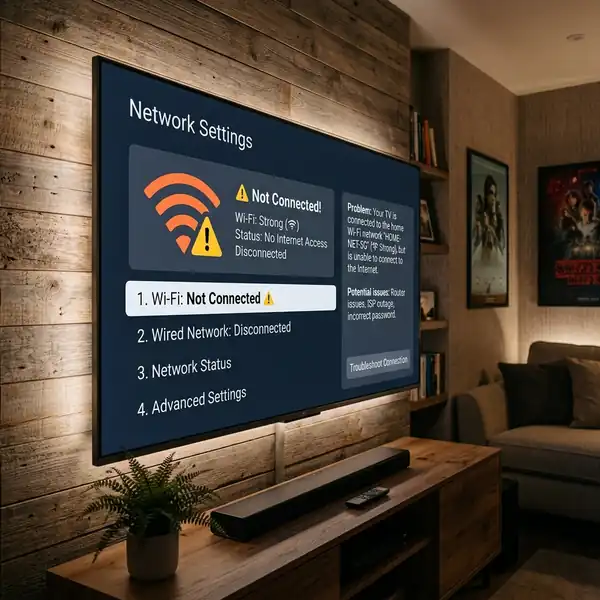
How to Connect, Disconnect, and Test Your Manually Configured iOS VPN Link
Once the VPN configuration is complete, connecting and disconnecting is straightforward:
Connecting to the VPN
1. Open the Settings app.
2. Tap VPN at the top of the General menu.
3. You will see your newly created VPN configuration. Toggle the switch next to it to connect.
4. If prompted, enter your username and password, then tap Connect.
5. A VPN icon will appear in the status bar, indicating a successful connection.
Disconnecting from the VPN
1. Return to the VPN settings in the Settings app.
2. Toggle the switch off to disconnect.
3. The VPN icon will disappear from the status bar.
Testing Your VPN Connection
To ensure your VPN is functioning correctly, you can perform the following tests:
- Check IP Address: Visit a website like "whatismyip.com" before and after connecting to the VPN. Your IP address should change to that of the VPN server.
- DNS Leak Test: Use a DNS leak test tool to verify that your DNS requests are being routed through the VPN. This ensures your browsing remains private.
- Speed Test: Conduct speed tests to compare performance with and without the VPN. Note any significant differences.

Troubleshooting Common Native iOS VPN Connection Failures and Certificate Errors
Even with a proper setup, users may encounter connection issues. Below are common problems and their solutions:
Connection Timed Out
If you receive a connection timeout error, check the following:
- Ensure that the server address is correct.
- Verify your internet connection is active. Try browsing a website without the VPN.
- Confirm that the VPN server is online. You can contact your VPN provider for server status.
Authentication Failed
This error typically arises from incorrect login credentials:
- Double-check your username and password.
- Ensure there are no extra spaces or hidden characters in your input.
- Consult your VPN provider for the correct authentication method (e.g., username/password or pre-shared key).
Certificate Errors
If you encounter certificate-related issues, consider the following:
- Ensure the correct certificate is installed on your device if required by your VPN setup.
- Verify that the certificate has not expired.
- Check the server's remote ID against the certificate details.
VPN Not Connecting After Switching Networks
If your VPN disconnects when switching from Wi-Fi to cellular data:
- Enable the “Reconnect on Demand” feature if using IKEv2.
- Check the VPN server settings to ensure it supports mobile reconnections.
Conclusion
Manually configuring a VPN on your iPhone can significantly enhance your online privacy and security, offering control over your data and internet experience. By understanding the various protocols and settings, users can tailor their VPN connections to meet specific needs. In addition, troubleshooting skills can help maintain reliable connectivity, ensuring a seamless browsing experience.
For those who require advanced configurations or have unique network environments, the manual setup process outlined in this article will serve as a foundational guide. Always refer to your VPN provider's documentation for specific configuration details and best practices.
Understanding VPN Protocols for Manual Configuration
When configuring a VPN on your iPhone manually, it's essential to understand the various VPN protocols available and how they affect your connection's security and performance. The most commonly used protocols include L2TP/IPsec, IKEv2, and OpenVPN. Each protocol has its own configurations, routing policies, and security implications.
L2TP/IPsec (Layer 2 Tunneling Protocol combined with Internet Protocol Security) is widely used due to its balanced approach to speed and security. L2TP itself does not provide encryption; hence, it is paired with IPsec to ensure data confidentiality. When configuring an L2TP/IPsec connection, you need to set up the following parameters:
- Server Address: The IP address or domain name of the VPN server.
- Account Name: Your username provided by the VPN service.
- Password: The corresponding password for your account.
- Shared Secret: A pre-shared key that adds an additional layer of security.
For routing policies, L2TP/IPsec typically routes all traffic through the VPN tunnel by default. However, you can configure split tunneling, allowing you to choose which data is routed through the VPN and which can directly access the internet. To enable split tunneling, consult your VPN provider’s documentation on how to modify routing policies appropriately.
IKEv2 (Internet Key Exchange version 2) is another robust option favored for its speed and ability to maintain connections during network changes, such as switching from Wi-Fi to cellular data. IKEv2 offers built-in encryption and supports mobility and multihoming, making it suitable for mobile devices. The setup requires:
- Server Address: Input the VPN server’s domain or IP.
- Username and Password: Required credentials for authentication.
- Certificate: If applicable, a certificate for enhanced security.
For IKEv2, routing policies can also be adjusted to include or exclude specific traffic from the VPN. This can be done by setting up rules based on the destination IP addresses or applications that should bypass the tunnel.
OpenVPN is an open-source protocol known for its strong security and flexibility. While iOS does not natively support OpenVPN, you can use third-party applications, such as the OpenVPN Connect app, to configure the connection. Essential parameters include:
- Server Configuration File: This file contains all necessary settings, including the server address, port (commonly UDP 1194 or TCP 443), and encryption parameters.
- Client Certificates: Required for authentication, enhancing security.
- Authentication Method: Typically username/password or certificate-based.
OpenVPN allows for advanced routing configurations, including the ability to specify which traffic goes through the VPN and which does not, known as policy-based routing. This can be helpful for applications that require direct internet access without the overhead of a VPN.
Each of these protocols has its own unique set of advantages and disadvantages in terms of speed, security, and ease of configuration. When choosing a protocol for your manual VPN setup, consider your specific needs, such as the level of security required and the types of activities you will be performing online.
Configuring Network Ports and Security Settings for VPNs
A crucial aspect of setting up a VPN on your iPhone involves understanding and configuring the appropriate network ports and security settings. Each VPN protocol operates on specific ports, and it is essential to ensure that these ports are open on your network to establish a successful connection.
L2TP/IPsec typically uses the following ports:
- UDP 500: Used for establishing the IPsec connection.
- UDP 4500: Used for NAT traversal, allowing L2TP/IPsec to work behind NAT (Network Address Translation) devices.
- UDP 1701: The port used by L2TP itself.
For IKEv2, the essential ports are:
- UDP 500: For IKE negotiation.
- UDP 4500: For NAT traversal, similar to L2TP/IPsec.
When configuring OpenVPN, the default ports are:
- UDP 1194: The standard port for OpenVPN.
- TCP 443: Often used to bypass firewalls, as it mimics regular HTTPS traffic.
To ensure proper functionality, check your router’s firewall settings to ensure these ports are not blocked. If your network is behind a firewall or a router with strict security settings, you may need to set up port forwarding or configure your firewall rules to allow traffic through the required ports.
Security settings play an equally vital role in a secure VPN configuration. It's important to select robust encryption methods that comply with industry standards. For example, using AES (Advanced Encryption Standard) with 256-bit keys is recommended for maximum security. Ensure that your VPN provider supports strong encryption algorithms and protect your data in transit.
Another critical security aspect is authentication. Depending on the protocol, you may have the option to utilize either username/password combinations or certificate-based authentication. Certificate-based authentication is generally more secure and is recommended for sensitive applications.
Additionally, consider implementing a kill switch feature, which prevents your device from accessing the internet if the VPN connection drops unexpectedly. This ensures that your data remains protected even in the event of a connection failure.
Finally, regularly review and update your VPN configurations and security settings. Cybersecurity is an ever-evolving field, and staying informed about the latest threats and best practices will help you maintain a secure and efficient VPN connection on your iPhone.
Additional Resources and Recommended Links
For more networking and security guides, check out our step-by-step tutorials on how to use VPN on PS5 and how to setup VPN on router. For official hardware troubleshooting, visit the Official Apple Support Portal.