Direct Answer: To use a VPN on PS5 and PS4, you can configure Smart DNS, share a PC VPN connection, or run a VPN directly on your router.
In the modern gaming landscape, where online connectivity is paramount, many PlayStation gamers are turning to Virtual Private Networks (VPNs) for a variety of reasons. Whether it’s to reduce ping, bypass ISP throttling, or access geo-restricted content, understanding how to set up and use a VPN on your PlayStation 5 (PS5) or PlayStation 4 (PS4) can significantly enhance your gaming experience. This article will provide a comprehensive guide on the various methods to configure a VPN on your PlayStation console, along with tips for optimizing your connection.
Why PlayStation Gamers Use VPN Connections
DomineTec Tip: PlayStation consoles do not support VPN apps natively. To encrypt game traffic, you must use a shared PC connection or configure the VPN on your router. Read our guides at best budget mesh wifi router.
In the realm of online gaming, particularly for PlayStation 5 and PS4 users, employing a VPN (Virtual Private Network) connection has become increasingly essential. Gamers utilize VPNs primarily for enhanced security and privacy. When connecting to the internet without a VPN, sensitive data such as personal information, payment details, and gaming habits can be exposed to cyber threats. A VPN encrypts this data, creating a secure tunnel between the user's console and the internet, thereby safeguarding against DDoS attacks and potential hacking attempts. This level of security is particularly vital during competitive gaming sessions where players may be exposed to malicious activities from rivals.
Moreover, utilizing a VPN allows gamers to bypass geographical restrictions imposed by certain games or content. Many titles and downloadable content (DLC) are region-locked, which means they can only be accessed from specific locations. By using a VPN, players can mask their IP addresses and appear to be connecting from a different region, enabling them to access exclusive content and play with friends from around the world. This not only enhances the gaming experience but can also provide an opportunity to take advantage of regional price differences, potentially saving money on game purchases. Popular protocols such as OpenVPN and L2TP/IPsec are commonly used for their robust encryption standards, making them reliable choices for maintaining high-speed connections while gaming.
Despite the numerous benefits, gamers may encounter challenges when configuring a VPN on their PS5 or PS4. It's crucial for users to ensure they select a VPN provider that supports gaming, as not all services are optimized for this purpose. Users should also be aware of potential issues such as increased latency or connection drops, which can impact gaming performance. To mitigate these issues, gamers can experiment with different server locations and protocols offered by their VPN service. If a connection problem arises, troubleshooting steps include checking for firmware updates on the console, ensuring that the VPN settings are correctly configured, and testing the network connection through the console's settings. By taking these precautions and understanding the intricacies of VPN usage, players can significantly enhance their online gaming experience while enjoying the benefits of security and flexibility.
There are several key reasons why PlayStation gamers might opt for a VPN connection:
- Lower Ping: VPNs can sometimes provide a more direct route to gaming servers, reducing latency and improving response times.
- Bypass ISP Throttling: Some Internet Service Providers (ISPs) may throttle bandwidth during peak gaming times. A VPN can help bypass these restrictions.
- Access Geo-Restricted Content: Certain games and streaming services are restricted in specific regions. A VPN allows users to connect to a server in a different country, thereby accessing those restricted services.
- Enhanced Privacy and Security: VPNs encrypt your internet traffic, providing an additional layer of security against potential threats.
Understanding these benefits can help gamers tailor their online experience while ensuring they maintain access to a wide array of gaming content and services.

Method 1: Configuring Smart DNS on PS5/PS4 for Streaming Apps
| Method on PS5/PS4 | Reduces Lag in Games? | Unlocks Video Apps? | Difficulty |
|---|---|---|---|
| Smart DNS | No | Yes | Low |
| Share via PC (Ethernet) | Yes (Server dependent) | Yes | Medium |
One of the simplest methods to use a VPN-like service on your PlayStation console is by configuring Smart DNS. Smart DNS allows you to bypass geo-restrictions without the overhead of encryption, which can sometimes slow down your connection. Here’s how to set it up:
Step 1: Subscribe to a Smart DNS Service
To begin, you must subscribe to a reputable Smart DNS service such as Unlocator, Smart DNS Proxy, or OverPlay. These services will provide you with the necessary DNS addresses.
Step 2: Configure DNS on PS5/PS4
Follow these steps to configure your Smart DNS on your PlayStation console:
- Turn on your PlayStation console and navigate to Settings.
- Select the Network settings menu.
- Choose Set Up Internet Connection from the list.
- Select either Wi-Fi or LAN Cable, depending on your connection type.
- Choose Custom when prompted for the setup type.
- Set your IP Address to Automatic.
- For DHCP Host Name, select Do Not Specify.
- When prompted for DNS Settings, select Manual.
- Enter the Primary and Secondary DNS addresses provided by your Smart DNS service.
- Proceed through the set-up options and select Test Internet Connection to ensure everything is working correctly.
Step 3: Access Geo-Restricted Content
Once configured, you can access streaming apps like Netflix, Hulu, or Amazon Prime Video from your PlayStation console. If you experience any issues with specific services, consult your Smart DNS provider's support documentation for troubleshooting tips.

Method 2: Sharing a PC VPN Connection via Ethernet Cable
If you prefer the full encryption benefits of a VPN, you can share your PC’s VPN connection with your PlayStation console via an Ethernet cable. This method is suitable for users who have a VPN client installed on their PC. Here’s how to set it up:
Sharing a VPN connection from your PC to your PlayStation 5 or PS4 via an Ethernet cable is a robust method that ensures a secure and stable gaming experience. To set this up, you first need to connect your PC to a VPN service. Most reputable VPNs offer clients that support various protocols, such as OpenVPN, IKEv2, or L2TP, which can significantly enhance your connection's security and speed. Once your VPN is active on your PC, you can proceed with the connection sharing process. This typically involves navigating to your Network and Sharing Center on Windows, selecting your active VPN connection, and enabling Internet Connection Sharing (ICS) under the properties menu. By selecting the Ethernet connection that connects to your PlayStation, you establish a direct line for your console to use the secure VPN connection.
The primary benefit of sharing a PC VPN connection with your PlayStation is the increased privacy and security it offers while gaming online. By routing your console's traffic through a VPN, you effectively mask your IP address, making it challenging for potential attackers to exploit your connection or for your online activities to be tracked. Additionally, this method can help you bypass geographical restrictions on content, allowing you to access games and services that may not be available in your region. The stability of a wired connection via Ethernet also reduces lag and latency, providing a smoother gaming experience compared to wireless setups.
However, users may encounter some challenges during the setup process, particularly regarding firewall settings and network configurations. If your PlayStation fails to connect to the internet after establishing the VPN sharing, check your PC's firewall settings to ensure that necessary permissions are granted for the Ethernet connection. Additionally, ensure that your VPN's settings allow for local network sharing. It's also prudent to test different VPN protocols, as some may work better with your specific network environment. If you experience issues with speed or connectivity, consider switching servers within your VPN client or checking for any bandwidth limitations imposed by your ISP. By meticulously following these steps, you can effectively set up and use a VPN on your PS5 or PS4, enhancing both your gaming experience and online safety.
Step 1: Install a VPN on Your PC
Choose a reputable VPN provider like NordVPN, ExpressVPN, or CyberGhost, and install their software on your PC. Make sure to configure the VPN and connect to a server of your choice.
Step 2: Connect Your PS4/PS5 to Your PC
Use an Ethernet cable to connect your PlayStation console to your PC. Ensure the console is powered on and properly connected.
Step 3: Configure Network Sharing on Your PC
Follow these steps to share your VPN connection:
- Open Control Panel on your PC.
- Select Network and Internet.
- Click on Network and Sharing Center.
- Select Change adapter settings from the left-hand menu.
- Right-click on your VPN connection and select Properties.
- Navigate to the Sharing tab.
- Check the box that says Allow other network users to connect through this computer's Internet connection.
- From the drop-down menu, select the Ethernet connection that your PS4/PS5 is using.
- Click OK to apply the settings.
Step 4: Configure Network Settings on Your PlayStation Console
Now, you need to configure the network settings on your PS4 or PS5:
- On your PlayStation console, go to Settings.
- Navigate and select Network.
- Click on Set Up Internet Connection.
- Select Use a LAN Cable.
- Select Automatic for IP Address settings.
- Choose Do Not Specify for DHCP Host Name.
- Select Automatic for DNS settings.
- Select Automatic for MTU settings.
- Choose Test Internet Connection to ensure the setup is successful.
Method 3: Running a VPN Directly on Your Home Router
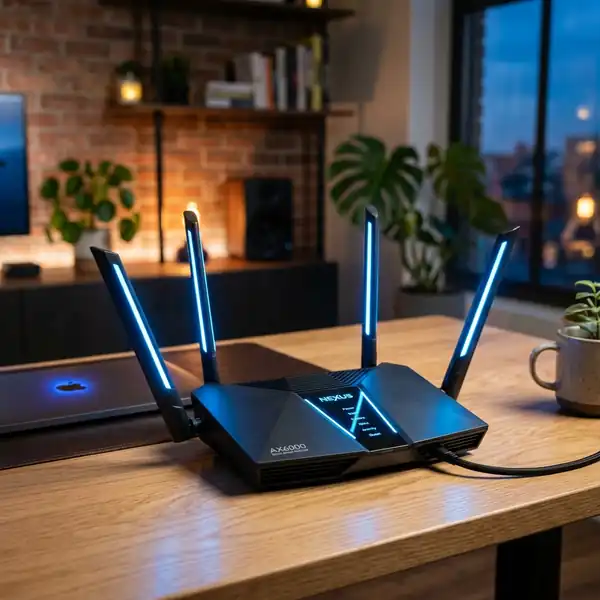
For users seeking a more permanent solution, running a VPN directly on your home router can be an excellent option. This method covers all devices connected to your network, including your PS4/PS5. Here’s how to do it:
Step 1: Check Router Compatibility
Not all routers support VPN connections. Check the specifications of your router. Popular brands like Asus, Linksys, and Netgear often provide models that can run VPN firmware.
Step 2: Install VPN-Compatible Firmware
If your router supports it, you may need to install custom firmware (like DD-WRT or Tomato) that enables VPN functionality:
- Visit the router's web interface by typing its IP address into a web browser.
- Log in with your admin credentials.
- Follow the instructions provided by the firmware developer to install the new firmware. Be cautious as incorrect installation can brick your router.
Step 3: Configure the VPN on Your Router
Once the router is set up with compatible firmware, configure your VPN:
- Access your router's interface again and navigate to the VPN section.
- Input the required VPN settings, including server address, username, password, and any additional settings provided by your VPN provider.
- Save and apply the settings.
Step 4: Connect Your PS4/PS5
After the VPN is configured on your router, connect your PlayStation console to your network:
- Go to Settings on your console.
- Open the Network section.
- Select the option Set Up Internet Connection.
- Select Use Wi-Fi or Use a LAN Cable as per your connection type.
- Follow the prompts to connect to your network.

Tips for Reducing Ping and Packet Loss on PlayStation Online Games
While using a VPN can enhance your gaming experience, there are additional steps you can take to reduce latency and packet loss:
Reducing ping and packet loss while gaming on PlayStation 5 and PS4 is crucial for an optimal online experience, especially for competitive titles. One effective way to achieve this is by utilizing a VPN, as it can help stabilize your connection and offer various benefits like improved security and privacy. When configuring your VPN for use on your PlayStation, ensure that you select a server that is geographically closer to the game server you are connecting to. This minimizes the distance data must travel, which can significantly reduce latency. Additionally, opting for a VPN that supports high-speed connections and utilizes advanced protocols such as WireGuard or OpenVPN can further enhance your gaming experience. These protocols generally offer better performance and lower latency compared to older ones like PPTP or L2TP.
Another important configuration aspect is to prioritize your gaming traffic through Quality of Service (QoS) settings on your router. This ensures that your PlayStation receives the bandwidth it requires, even when other devices are using the network simultaneously. By assigning high priority to the PlayStation's MAC address, you can minimize interruptions and reduce ping spikes during gameplay. Furthermore, testing different VPN servers can help identify which provides the best performance. It’s advisable to conduct speed tests to evaluate latency and packet loss before settling on a server, as these variables can change based on server load and time of day.
Troubleshooting packet loss is equally important in maintaining a seamless gaming experience. If you encounter issues after setting up your VPN, first check for any bandwidth limitations imposed by your VPN provider. Some services may throttle connections during peak hours, which can lead to increased ping. Additionally, ensure that your PlayStation's network settings are correctly configured, such as DNS settings, which can also impact connectivity. Using a public DNS like Google DNS or Cloudflare can sometimes provide better response times. If you still experience persistent issues, consider reaching out to your VPN provider’s technical support, as they may be able to suggest servers optimized for gaming or offer other solutions tailored to your setup.
- Choose the Right VPN Server: Select a server that is geographically closer to the game server you are connecting to. This can minimize latency.
- Use Wired Connections: Whenever possible, use an Ethernet connection instead of Wi-Fi. Wired connections are typically more stable and faster.
- Optimize Router Settings: Adjust Quality of Service (QoS) settings on your router to prioritize gaming traffic.
- Limit Bandwidth Usage: Ensure that other devices on your network are not consuming excessive bandwidth (e.g., streaming videos, downloading large files) while gaming.
- Disable Unnecessary Background Applications: Close any applications on your PC or console that may be using bandwidth unnecessarily.
By implementing these methods and tips, you can effectively use a VPN on your PlayStation 5 or PS4, improving your gaming experience while ensuring security and access to a broader range of content.
In conclusion, whether you choose to configure Smart DNS, share a VPN connection from your PC, or set up a VPN on your router, each method provides distinct advantages. Tailor your approach to suit your gaming needs, and enjoy a seamless and enhanced online gaming experience.
Additional Resources and Recommended Links
For more networking and security guides, check out our step-by-step tutorials on best budget mesh wifi router and best cheap gigabit router for fiber. For official hardware troubleshooting, visit the PlayStation Official Support Center.