How to Watch Geoblocked Live Sports Streaming Online with a VPN
To watch geoblocked live sports streaming online, use a premium VPN to bypass geo-restrictions and access exclusive content from anywhere.
Understanding Media Broadcasting Rights and Geolocation Filters
DomineTec Tip: Clear your browser data and use private windows before launching the sports stream with your VPN enabled. If using a Smart TV, read how to hide IP on Smart TV.
Media broadcasting rights, often held by specific networks or platforms, dictate where and how sports content can be distributed. These rights can vary significantly by country or region, leading to geo-restrictions that prevent access to certain sports events based on your physical location. For example, major sporting leagues like the NFL, NBA, and Premier League have exclusive broadcasting agreements that limit the transmission of their events to certain geographic areas. As a result, sports fans often face the frustration of being unable to access live streams of their favorite teams and matches.
Geolocation filters are implemented by streaming services to enforce these broadcasting rights. They typically use your IP address to determine your physical location. If the IP address is from a region that does not have broadcasting rights for a particular event, access is denied. This is where a Virtual Private Network (VPN) comes into play. By masking your real IP address and routing your connection through a server in a different country, a VPN allows you to bypass these geolocation restrictions and access content that would otherwise be unavailable.

Which International Sports Channels Can You Unblock Using a VPN?
| Sports Network | Recommended Server | Minimum Speed | Connection Jitter |
|---|---|---|---|
| ESPN+ / Peacock TV | US (New York/Miami) | Min. 25 Mbps | Very Low |
| F1 TV Pro / DAZN | US or Europe | Min. 25 Mbps | Very Low |
Using a VPN, you can access a wide variety of international sports channels and streaming services that are generally geoblocked in your country. Some notable channels include:
- Sky Sports: A premier sports network in the UK that broadcasts a multitude of live events, including Premier League football, Formula 1, and more.
- ESPN: Based in the US, ESPN covers a broad range of sports, from NFL to NCAA sports.
- DAZN: A sports streaming service available in many countries, offering boxing, MMA, soccer, and more.
- beIN Sports: Available in various regions, beIN Sports provides coverage of La Liga, Serie A, and many other leagues.
- FuboTV: A sports-centric streaming service that offers live streams of various sports channels, particularly popular in the US.
By connecting to a VPN server located in the respective country of these channels, you can circumvent the geo-restrictions and enjoy uninterrupted access to live sports events.

Step-by-Step Guide: Connecting Your VPN to Live Sports Networks
To begin streaming geoblocked sports content with a VPN, follow these detailed steps:
Step 1: Choose a Reliable VPN Provider
Select a premium VPN service that has a proven track record for speed, security, and the ability to bypass geo-restrictions. Some highly recommended options include:
- NordVPN: Known for its extensive server network and strong encryption.
- ExpressVPN: Offers fast connection speeds and user-friendly apps.
- Surfshark: A budget-friendly option that allows for an unlimited number of simultaneous connections.
Step 2: Download and Install the VPN Client
After selecting a VPN provider, visit their official website to download the appropriate application for your device (Windows, macOS, Android, iOS, etc.). Follow the installation instructions specific to your operating system.
Step 3: Create an Account and Log In
Once the application is installed, you will need to create an account. This usually involves providing your email address and selecting a subscription plan. Once your account is set up, log in using your credentials.
Step 4: Select a Server Location
After logging in, navigate to the server selection screen within the VPN app. Depending on which sports channel you want to access, choose a server located in the country where that channel is available. For example, if you want to watch Sky Sports, connect to a server in the UK.
Step 5: Connect to the VPN Server
Click the connect button within the VPN app to establish a secure connection. Once connected, your IP address will be masked, and you will appear to be browsing from the selected country.
Step 6: Access the Sports Streaming Service
Open your web browser or the dedicated app for the sports streaming service you wish to access. You may need to create an account or log in if you already have one. Since you are now connected through a VPN server in the appropriate country, you should be able to access the content without any geo-restrictions.
Tweaking Settings to Avoid Buffering and Lag During Live Games
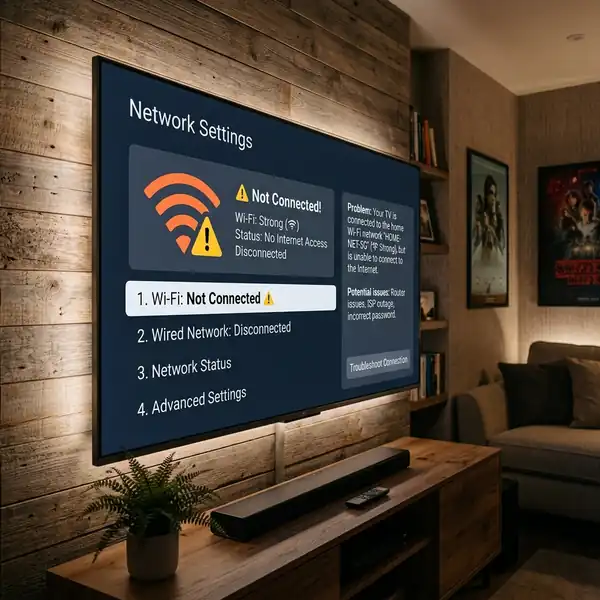
Live sports streaming requires a stable and fast internet connection. Here are some tips to tweak your VPN settings and improve your streaming experience:
Adjust VPN Protocols
Most VPN applications allow you to choose different protocols for your connection. Some common ones include:
- OpenVPN: Offers a good balance of speed and security.
- WireGuard: A newer protocol that is faster and more efficient.
Experiment with these protocols in your VPN settings to find the one that provides the best performance for streaming.
Choose a Less Congested Server
Some VPN servers may be overloaded with users, leading to slower speeds. Within your VPN app, check for server load information and opt for a less crowded server to improve your connection speed.
Optimize Your Internet Connection
Ensure that your internet connection is robust enough to handle streaming. Here are some recommendations:
- Use a wired connection instead of Wi-Fi when possible, as this reduces latency.
- Close any unnecessary applications or devices that may be consuming bandwidth.
- Consider upgrading your internet plan if you frequently experience slow speeds.
Enable Split Tunneling
Some VPNs offer a feature called split tunneling, which allows you to choose which applications route through the VPN and which use your regular internet connection. By enabling this feature, you can prioritize bandwidth for your sports streaming application, potentially reducing buffering and lag.

Best Methods to Register and Pay for Foreign Sports Streaming Profiles
To access international sports streaming services, you may need to create an account and make payments that are often restricted to residents of that country. Here’s how to navigate this process:
Using International Payment Methods
Some streaming services may not accept foreign credit cards. In this case, consider using alternative payment methods:
- Digital Wallets: Services like PayPal often allow for international transactions and can be linked to your local bank account.
- Prepaid Cards: Purchase a prepaid card that is accepted in the target country. Many online retailers offer these cards.
- Gift Cards: Some platforms allow you to purchase gift cards that can be redeemed for subscriptions. Look for retailers that sell these cards online.
Creating an Account with a VPN
Once you’ve set up your VPN and selected an appropriate server, visit the streaming service’s website and create your account. When filling out your information, use a valid email address and select a password that complies with the service’s security requirements. If the service requires a local address, you can use a random address generator to provide a fictitious but plausible address in the target country.
Subscription Plans and Trial Periods
Many streaming services offer free trials or monthly subscription plans. Take advantage of these offers to explore the content available before committing to a long-term subscription. Just ensure that you cancel the trial before it converts into a paid subscription, if you're not interested in continuing the service.
Conclusion
By leveraging a reliable VPN, sports fans can bypass geoblocked streaming services to enjoy their favorite live sports content from anywhere in the world. Understanding media broadcasting rights, selecting the right VPN, optimizing your settings for performance, and navigating international payment methods are all essential components of a successful streaming experience. With the right tools and knowledge, you can ensure that you never miss a moment of the action, no matter where it is being broadcasted.
Understanding VPN Protocols for Streaming Geoblocked Content
When it comes to streaming geoblocked sports content, the choice of VPN protocol can significantly affect both performance and security. The most commonly used protocols are OpenVPN, IKEv2/IPsec, L2TP/IPsec, and WireGuard. Each of these protocols has distinct features and advantages that can impact your streaming experience.
OpenVPN is widely regarded as one of the most secure and flexible VPN protocols. It operates over the User Datagram Protocol (UDP) or Transmission Control Protocol (TCP), allowing it to adapt based on network conditions. When streaming, the UDP option is generally preferred due to its lower latency and higher speeds, although TCP can be used for more reliable connections where packet loss is a concern. OpenVPN utilizes strong encryption methods, such as AES-256, making it suitable for bypassing stringent geoblocks.
IKEv2/IPsec is another robust protocol that excels in mobile environments. It supports fast reconnections when switching between networks, which is particularly useful for users who might be streaming on mobile devices while moving. IKEv2 is especially effective in maintaining a stable connection, making it a good choice for uninterrupted streaming of live sports events. The protocol uses strong encryption standards, including AES-256, and is optimized for speed and security, thus ensuring smooth performance during high-bandwidth activities like streaming.
L2TP/IPsec, while not as popular as OpenVPN or IKEv2, is worth mentioning due to its ease of configuration and built-in security features. However, it is generally slower because it encapsulates data twice, which can introduce additional latency. This is something to consider if you're looking to stream high-definition content without buffering interruptions. Furthermore, since L2TP does not encrypt data on its own, it relies heavily on the IPsec layer to provide security, so the overall effectiveness can depend on the configuration of the VPN provider's servers.
WireGuard is a newer protocol that has been gaining traction due to its simplicity and efficiency. It boasts a significantly smaller codebase, which not only makes it easier to audit for security vulnerabilities but also allows for faster connection speeds. WireGuard operates at the kernel level and can achieve lower latency compared to other protocols, making it an excellent candidate for streaming. That said, it is still relatively new, and some users may prefer the maturity and robustness of protocols like OpenVPN.
In addition to selecting the right protocol, it is crucial to consider how the VPN provider manages their server architecture. A well-distributed server network across various geographical locations can help minimize latency and improve speeds. When connecting to a server that is geographically closer to the streaming service, the data travels a shorter distance, reducing latency and preventing bottlenecks in data transmission. Moreover, a high-quality VPN provider will regularly optimize their server load to ensure that users experience consistent performance even during peak times.
Latency, Routing, and DNS Handling in VPNs
Latency is a critical factor to consider when streaming geoblocked sports content. It refers to the delay before a transfer of data begins following an instruction for its transfer. For VPN users, latency can be affected by several elements, including the physical distance to the VPN server, the routing of the data packets, and the processing time required by the VPN service to encrypt and decrypt the data.
When you connect to a VPN, your internet traffic is routed through the VPN server before reaching its final destination. This additional route can introduce latency, depending on the server's location and the efficiency of the network infrastructure in place. To minimize latency, choose a VPN provider with servers close to the sports streaming service's server. For example, if you're trying to access a streaming service based in the United States while located in Europe, connecting to a US-based VPN server will typically yield better results than one located in Asia.
Another technical aspect to consider is DNS handling. When using a VPN, your DNS queries should ideally be routed through the VPN tunnel to prevent DNS leaks. A DNS leak occurs when your device uses its default DNS server instead of the VPN's DNS server, potentially exposing your true location and undermining the whole purpose of using a VPN. To mitigate this risk, select a VPN provider that offers its own DNS servers and ensures that all DNS queries are routed through the VPN tunnel. This can be verified through tools that check for DNS leaks, providing peace of mind that your actual IP address is not being exposed.
In addition to DNS handling, some VPN providers offer features like split tunneling. This allows users to route certain applications or traffic through the VPN while keeping other traffic on the regular internet. This can be useful for users who want to consume geoblocked content while also accessing local services without the VPN. However, it’s important to configure split tunneling carefully to avoid unintentional data leaks.
Finally, consider the overall architecture of the VPN service. A robust VPN service will not only use strong encryption and advanced protocols but will also implement features like Obfuscation. This makes VPN traffic appear as regular internet traffic, which can be particularly useful in regions with strict internet censorship or when accessing services that actively block VPN traffic. By disguising the VPN traffic, users can maintain access to their desired content without raising suspicion.
In summary, understanding the technical underpinnings of VPN protocols, latency, routing, and DNS handling can empower users to make informed decisions when selecting a VPN for streaming geoblocked sports content. By optimizing these aspects, you can enhance your streaming experience and enjoy uninterrupted access to your favorite sports, regardless of geographical restrictions.
Additional Resources and Recommended Links
For more networking and security guides, check out our step-by-step tutorials on how to hide IP on Smart TV and how to change Prime Video region. For official hardware troubleshooting, visit the Official ESPN Live Portal.