How to Change Your Amazon Prime Video Country/Region Using VPN

To change your Amazon Prime Video region, use a reliable VPN to reroute your IP address to a different country.
Why Should You Change Your Amazon Prime Video Region?
DomineTec Tip: Keep in mind that Amazon sometimes links the catalog region to your billing profile address. If the VPN alone doesn't swap the catalog, adjust your address settings in Content and Devices. For details, see how to install vpn on chromecast with google tv.
Amazon Prime Video offers diverse content libraries that vary by region. For example, the United States Prime Video library includes a wider selection of movies, TV shows, and exclusive titles compared to other countries. Changing your region allows you to access this richer content, including popular series and blockbuster films that may not be available in your local library.
Additionally, some regions have different release dates for shows and movies. By changing your region, you can watch the latest episodes or films as soon as they are available in other countries. Moreover, accessing Prime Video content from other regions may help you discover hidden gems that are not promoted in your home country.

How Amazon Detects Your Geolocation (IP and Account Billing)
| VPN Location | Accessible Libraries | Avg Latency | Stream Quality |
|---|---|---|---|
| United States (US) | Prime Video US | 120 ms | Ultra HD 4K |
| United Kingdom (UK) | Prime Video UK | 180 ms | HD / 4K |
Amazon employs several methods to determine your geolocation when accessing Prime Video. The primary method is through your IP address, which provides information about your connection's geographical location. When you connect to the internet, your Internet Service Provider (ISP) assigns you an IP address linked to a specific geographical area. This IP address is used by Amazon to identify your location and determine which content library to display.
Besides IP detection, Amazon also considers your account billing information. If your billing address is registered in a specific country, it may restrict you to that country’s content library, regardless of your current IP address. This dual-layer detection mechanism makes it challenging for users to access content meant for other regions without utilizing specific techniques like VPN services.
Step-by-Step Guide: How to Change Prime Video Country Using VPN
Changing your Amazon Prime Video region using a VPN involves several steps. Below is a detailed guide to successfully configure your VPN connection and access the desired content library.
Step 1: Choose a Reliable VPN Service
The first step is to select a reputable VPN service that can bypass geographical restrictions effectively. Look for a VPN that offers:
- High-speed servers in multiple countries
- Strong encryption protocols for privacy
- No logs policy to ensure anonymity
- Ability to bypass geo-blocks specifically for streaming services
Some of the top VPN providers recommended for accessing Amazon Prime Video include ExpressVPN, NordVPN, and CyberGhost. These services offer dedicated servers optimized for streaming, ensuring you can enjoy your favorite shows without buffering.
Step 2: Install and Configure the VPN
Once you’ve selected a VPN provider, follow these steps to install and configure the software:
- Sign Up: Create an account with your chosen VPN provider. Choose a subscription plan that fits your needs.
- Download the VPN Client: Navigate to the downloads section of the provider’s website and download the VPN client for your operating system (Windows, macOS, Android, or iOS).
- Install the Software: Follow the installation prompts to set up the VPN application on your device. Ensure you grant the necessary permissions for the VPN to operate correctly.
- Log In: Open the VPN application and log in using your account credentials.
Step 3: Connect to a Server in Your Desired Region
After logging in, you will need to connect to a VPN server located in the country whose Prime Video library you wish to access:
- Select a Server: In the VPN application, browse the list of available servers. Choose a server located in the country containing the desired content library (e.g., for US content, select a server in the United States).
- Connect: Click the connect button. The VPN will establish a secure connection, and you will be assigned an IP address from the chosen region.
Step 4: Clear Browser Cache and Cookies
Before accessing Amazon Prime Video, it is crucial to clear your browser's cache and cookies to prevent any location information from your previous sessions from interfering with your new connection:
- Chrome: Go to Settings > Privacy and security > Clear browsing data. Select the time range and check the boxes for cookies and cached images.
- Firefox: Go to Options > Privacy & Security > Cookies and Site Data. Click on Clear Data.
- Safari: Go to Preferences > Privacy > Manage Website Data. Select the relevant data and remove it.
Step 5: Sign in to Amazon Prime Video
Now that your VPN is connected and your cache is cleared, you can sign in to Amazon Prime Video:
- Open Prime Video: Launch the Amazon Prime Video app or go to the website.
- Sign In: Use your Amazon account credentials to log in. If you want to access content from a different country, consider creating a new Amazon account using a billing address from that country.
Step 6: Enjoy Your Content
Once you have successfully logged in, you should now have access to the content library of the region you connected to via your VPN. Browse, search, and start streaming your favorite shows and movies without restrictions.
Best VPN Providers for Amazon Prime Video Library Switching
Choosing the right VPN provider can greatly enhance your experience when changing your Prime Video region. Here are some of the top VPNs known for their compatibility with Amazon Prime Video:
1. ExpressVPN
ExpressVPN is widely regarded as one of the best VPNs for streaming. It boasts a large network of servers across 94 countries, including optimized servers for streaming. Its fast connection speeds and robust security features make it ideal for uninterrupted viewing.
2. NordVPN
NordVPN is renowned for its strong security features, including double encryption and a no-logs policy. With over 5,400 servers in 60 countries, it provides excellent performance for streaming content. Additionally, NordVPN has dedicated IP options to further enhance your streaming experience.
3. CyberGhost
CyberGhost offers a user-friendly interface and a vast network of servers designed specifically for streaming. With over 7,000 servers in 90 countries, it is an excellent option for accessing various regional libraries on Prime Video.
4. Surfshark
Surfshark is an affordable yet powerful VPN that allows unlimited simultaneous connections. It features a CleanWeb option that blocks ads and trackers, ensuring a seamless streaming experience. Surfshark has a growing network of servers that can effectively bypass geographic restrictions.
How to Resolve the VPN Detected Proxy Error on Prime Video
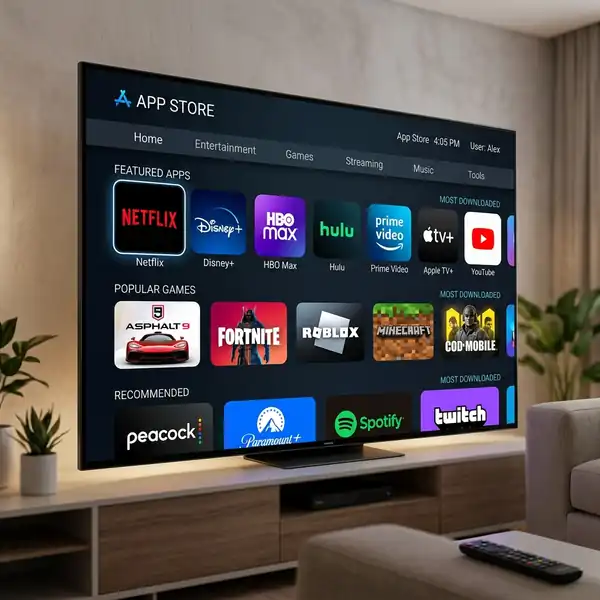
Despite using a VPN, you may encounter a "VPN Detected" or "Proxy Error" message when trying to access Amazon Prime Video. This happens because Amazon employs advanced techniques to detect and block VPN traffic. Here are some steps to resolve this issue:
1. Change VPN Server
Sometimes, the server you are connected to may be blacklisted by Amazon. Switching to another server in the same country can often resolve the issue. Most VPNs allow you to easily choose from a list of servers.
2. Enable Obfuscation Features
Many VPNs offer obfuscation or stealth mode features that disguise your VPN traffic as regular internet traffic. Enabling these features can help bypass VPN detection mechanisms. Check your VPN settings to see if this option is available and enable it before connecting.
3. Use Dedicated IP Addresses
Some VPN providers offer dedicated IP addresses for an additional fee. A dedicated IP address is less likely to be flagged by streaming services compared to shared IP addresses, providing a more reliable streaming experience.
4. Try Different VPN Protocols
VPNs support various protocols, such as OpenVPN, IKEv2, and L2TP. Changing the protocol in your VPN settings may help bypass restrictions. Experiment with different protocols to find the one that works best for your connection.
5. Contact Customer Support
If you continue to face issues, reach out to your VPN provider's customer support. They can provide specific instructions or server recommendations that are currently working with Amazon Prime Video.
Conclusion
Changing your Amazon Prime Video region using a VPN can significantly enhance your streaming experience by providing access to a broader range of content. By following the step-by-step guide outlined above, you can successfully connect to a VPN and enjoy movies and shows from different countries. Remember to choose a reliable VPN service, configure it correctly, and troubleshoot any connection issues to ensure a seamless viewing experience.
#Additional Resources and Recommended LinksFor more networking and security guides, check out our step-by-step tutorials on how to install vpn on chromecast and how to use vpn on mi tv stick. For official hardware troubleshooting, visit the Official Amazon Prime Video.
Understanding VPN Security Protocols for Streaming
Exploring VPN Protocols: OpenVPN, WireGuard, and IPSec
When utilizing a VPN to change your Amazon Prime Video region, understanding the various security protocols is crucial for both performance and security. OpenVPN is one of the most widely used protocols, known for its balance between speed and security. It employs SSL/TLS for key exchange, which ensures robust encryption. OpenVPN operates over UDP or TCP, allowing users to select the protocol that suits their needs, with UDP typically providing faster speeds, ideal for streaming. The versatility of OpenVPN makes it suitable for bypassing geo-restrictions while maintaining a secure connection.
WireGuard is a newer protocol that has gained popularity due to its lightweight design and high performance. It uses state-of-the-art cryptography, making it faster than OpenVPN and easier to audit for security vulnerabilities. WireGuard simplifies the VPN configuration process, which can be particularly beneficial for less tech-savvy users. However, it is essential to ensure that the VPN provider has implemented WireGuard correctly, as the effectiveness of security relies heavily on the implementation details.
IPSec, on the other hand, is a suite of protocols that secure Internet Protocol (IP) communications by authenticating and encrypting each IP packet in a communication session. It is often used in conjunction with other protocols, such as L2TP, to create a secure tunnel for your data. While IPSec can offer a stable connection, it may not always be the best choice for streaming due to potential latency, which can impact the quality of your viewing experience.
When choosing a VPN for streaming, consider not only the protocol used but also the provider’s ability to optimize these protocols for minimal latency. Many VPNs employ traffic prioritization or Quality of Service (QoS) settings to ensure that streaming data packets are given priority over other types of traffic. This is crucial for reducing buffering and ensuring a smooth viewing experience on platforms like Amazon Prime Video.
DNS and WebRTC Leak Detection for Secure Streaming
While changing your Amazon Prime Video region using a VPN, ensuring that your connection remains secure involves addressing potential leaks, particularly DNS leaks and WebRTC leaks. A DNS leak occurs when your device sends DNS requests outside the VPN tunnel, exposing your browsing activity to your Internet Service Provider (ISP) and potentially compromising your anonymity. To mitigate this risk, choose a VPN that provides DNS leak protection and operates its own DNS servers, ensuring that all requests are routed through the encrypted tunnel.
WebRTC leaks can also pose a significant risk, especially for users accessing streaming services. WebRTC, or Web Real-Time Communication, is a technology that allows audio and video communication directly between browsers. However, it can inadvertently expose your real IP address. To prevent WebRTC leaks, you can disable this feature in your browser settings or utilize browser extensions that block WebRTC traffic. Furthermore, reputable VPN providers often include built-in WebRTC protection within their applications.
To verify that your VPN is functioning correctly, performing leak tests is essential. Numerous online tools allow you to check for DNS and WebRTC leaks before you start streaming. If any leaks are detected, it may be necessary to adjust your VPN settings or switch to a different provider that guarantees superior leak protection. Regularly testing your VPN setup helps ensure that your identity remains secure while you enjoy the expanded content library available through Amazon Prime Video.
Ultimately, understanding the intricacies of VPN security protocols and leak prevention is vital for optimizing your streaming experience. By selecting a VPN that prioritizes security and performance, you can access your desired content without compromising your privacy.
Optimizing Network Infrastructure for Buffer-Free Streaming
Traffic Prioritization and Quality of Service (QoS) Configuration
Buffering during streaming sessions can be frustrating, particularly when accessing exclusive content on Amazon Prime Video. To mitigate this issue, configuring Quality of Service (QoS) settings on your router is a practical solution. QoS allows you to prioritize specific types of traffic, such as video streaming, over less critical traffic, like file downloads or online gaming. By ensuring that streaming data packets receive preferential treatment, you can significantly reduce latency and buffering times.
To implement QoS, access your router’s settings through its IP address, typically found on the router's label or in the user manual. Once in the settings menu, locate the QoS section, where you can specify devices or applications that should be prioritized. For instance, you can assign higher priority to your smart TV or streaming device that runs Amazon Prime Video. This configuration ensures that your streaming experience is smooth, even when multiple devices are connected to the network.
Another factor to consider when optimizing your network for streaming is the bandwidth available. Streaming high-definition content requires a stable internet connection with sufficient bandwidth. It is recommended to have at least 25 Mbps for 4K streaming. If your connection is inconsistent, consider upgrading your internet plan or optimizing your network. Using wired connections instead of Wi-Fi can also provide more stable performance, especially for high-bandwidth applications like streaming.
Additionally, monitoring your network’s performance can help identify bottlenecks. Tools such as network analyzers can provide insights into traffic flow and help pinpoint devices or applications consuming excessive bandwidth. This information can guide you in making necessary adjustments, either by limiting the bandwidth allocated to non-essential devices or scheduling high-bandwidth activities during off-peak hours to enhance your streaming experience.
Reducing Streaming Server Latency
Latency refers to the time it takes for data to travel from the streaming server to your device. High latency can cause delays in video playback, resulting in a poor viewing experience. To minimize latency, consider the geographical location of the VPN server you connect to. Choosing a server closer to your actual location can significantly reduce the round-trip time for data packets. Many VPN providers offer a list of optimized servers for streaming purposes, allowing you to select the best option for accessing Amazon Prime Video content.
Furthermore, the streaming server's load can influence latency. If a particular server is overwhelmed with users, performance may degrade. In such cases, switching to a different server or using a VPN that can dynamically route your connection to a less congested server can lead to a more stable streaming experience. Regularly testing different server options can help you find the optimal configuration for high-quality streaming.
Lastly, consider using a VPN that provides features like split tunneling, allowing you to route only your streaming traffic through the VPN while other activities use your regular internet connection. This not only enhances your streaming experience by reducing latency but also conserves bandwidth for other tasks. In summary, by optimizing your network infrastructure and utilizing advanced configurations, you can enjoy a seamless, buffer-free streaming experience on Amazon Prime Video.