To use a VPN on your Xiaomi Mi TV Stick, install a VPN app from the Google Play Store or sideload an APK file for enhanced privacy and access to global content.
Benefits of Setting Up a VPN on Xiaomi Mi TV Stick
DomineTec Tip: Because the Mi TV Stick has 1GB of RAM, running a background VPN and streaming simultaneously can cause lag; use lightweight protocols to reduce processor strain. Refer to best apps to install on firestick.
Setting up a VPN on your Xiaomi Mi TV Stick can significantly enhance your streaming experience by providing greater access to content and ensuring your online privacy. One of the primary benefits is the ability to bypass geographical restrictions imposed by various streaming services. For instance, if you're trying to access a service that is only available in specific countries, a VPN can mask your IP address, making it appear as though you are browsing from a location where that content is available. This opens up a vast library of shows and movies that would otherwise be inaccessible, thereby enriching your entertainment options. To maximize these benefits, it's crucial to choose a VPN service that offers a wide range of server locations and supports high-speed streaming, ensuring that your viewing experience remains seamless and buffer-free.
Moreover, using a VPN on your Xiaomi Mi TV Stick adds a layer of security to your online activities. Public Wi-Fi networks, often used for streaming, can be breeding grounds for cyber threats. A reputable VPN encrypts your internet traffic, making it nearly impossible for hackers or intrusive entities to intercept your data. This means you can enjoy your favorite shows without worrying about your personal information being compromised. Additionally, many VPNs support various protocols such as OpenVPN, IKEv2, and L2TP/IPsec, each offering different levels of security and speed. Understanding these protocols can help you configure your VPN settings for optimal performance, balancing security with the streaming quality you desire.
While the benefits of using a VPN are substantial, users may encounter some challenges during setup and usage on their Xiaomi Mi TV Stick. Connectivity issues can arise if the VPN server you are connected to is overloaded or geographically distant. To troubleshoot these issues, consider switching to a different server that is closer to your actual location or one that is known for better performance. Additionally, ensure that your VPN app is updated to the latest version, as updates often include essential security patches and performance enhancements. In case of persistent problems, consulting the VPN provider's customer support can provide you with tailored troubleshooting steps. By effectively navigating these challenges, you can fully leverage the capabilities of your VPN, ensuring a secure and unrestricted streaming experience on your Xiaomi Mi TV Stick.
Using a VPN on your Xiaomi Mi TV Stick offers several advantages that enhance your streaming experience and protect your online privacy. Here are some key benefits:
- Access to Geo-Restricted Content: Many streaming platforms restrict content based on geographic location. A VPN allows you to change your virtual location, thus providing access to libraries from different countries.
- Improved Privacy and Security: Your online activities are encrypted through a VPN, safeguarding your personal information from potential hackers and data trackers.
- Enhanced Streaming Performance: Some ISPs throttle bandwidth for streaming services. A VPN can help bypass these limitations, resulting in smoother playback and faster streaming speeds.
- Bypass ISP Restrictions: In regions where specific content is blocked by ISPs, a VPN can help users access those sites without interference.

Method 1: Downloading VPN Directly from the Google Play Store
| Method | Pros | Difficulty |
|---|---|---|
| Google Play Store | Secure downloads, automatic updates | Very Easy |
| APK Sideload | Install any mobile Android VPN app | Medium (Requires file manager setup) |
The simplest method to install a VPN on your Xiaomi Mi TV Stick is to download it directly from the Google Play Store. Follow these steps:
Step 1: Connect Your Mi TV Stick to the Internet
Ensure that your Xiaomi Mi TV Stick is connected to the internet. Navigate to the Settings menu, select Network & Internet, and verify your connection.
Step 2: Open Google Play Store
From the home screen of your Xiaomi Mi TV Stick, scroll down to find the Apps section and select the Google Play Store icon. This will launch the store interface.
Step 3: Search for Your Preferred VPN
In the search bar, type the name of your preferred VPN service. Popular choices include NordVPN, ExpressVPN, and CyberGhost. Press Enter to initiate the search.
Step 4: Install the VPN App
Once you find the VPN app you want to install, click on it to open the app’s page. Click the Install button to download and install the application onto your Mi TV Stick.
Step 5: Launch the VPN Application
After installation, return to the home screen and scroll to the Apps section. Locate the newly installed VPN app and click to launch it.
Step 6: Configure the VPN Settings
Log in to the VPN app using your credentials. Follow the on-screen instructions to configure the settings according to your preferences. Most VPNs will have options for selecting servers, enabling kill switch features, and customizing connection protocols.
Step 7: Connect to a VPN Server
Select a server location based on your content access requirements. After choosing, click on the Connect button. Wait for the connection process to complete.
Step 8: Verify Your Connection
Once connected, you’ll typically see a notification confirming your VPN connection. You can verify your IP address through a service like WhatIsMyIP.com to ensure that your virtual location has changed.
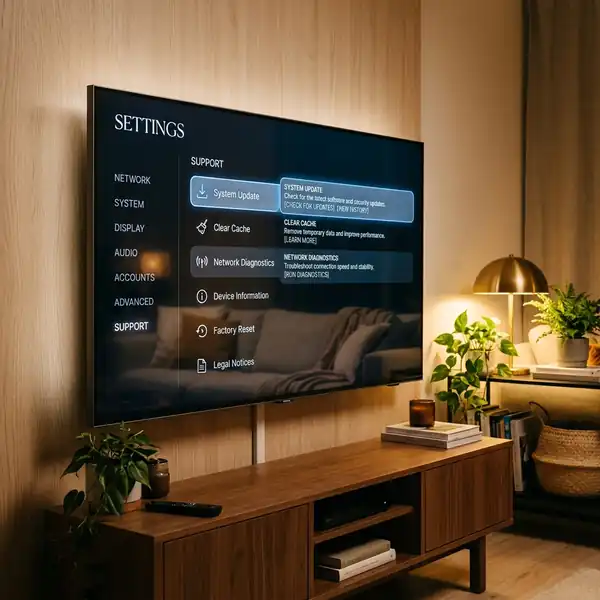
Method 2: Sideloading Android VPN Apps using APK Files
If your preferred VPN service is not available on the Google Play Store, you can sideload the app by installing an APK file. Here’s how to do it:
Step 1: Enable Unknown Sources
Before you begin, you need to allow installations from unknown sources. Go to Settings, select Device Preferences, scroll down to Security & Restrictions, and enable Apps from Unknown Sources for your file manager or browser app.
Step 2: Download the APK File
Using your Mi TV Stick’s built-in browser or a file manager app, navigate to the official website of your VPN provider. Locate the download section and download the APK file for Android. Make sure to download from a reputable source to avoid malware.
Step 3: Install the APK File
After the download is complete, navigate to your Downloads folder using a file manager app. Locate the VPN APK file and click on it to initiate the installation. Follow the prompts to install the app.
Step 4: Launch and Configure the VPN App
Once installed, go back to the home screen and locate the VPN app. Click to launch it, log in, and configure your settings similar to the steps mentioned when using the Google Play Store.
Step 5: Connect to a VPN Server
Select your desired server location and connect. Make sure the connection is established before you start streaming.
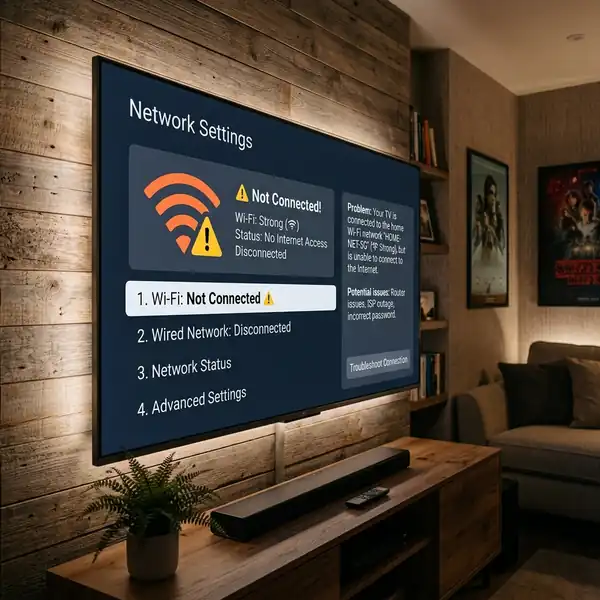
Recommended Settings to Optimize Streaming Speeds on Mi Stick
To maximize your streaming experience on the Xiaomi Mi TV Stick while using a VPN, consider the following settings:
When configuring a VPN on your Xiaomi Mi TV Stick, optimizing streaming speeds is crucial for an uninterrupted viewing experience. One of the primary settings to consider is the choice of VPN protocol. Generally, OpenVPN is recommended for its balance between security and speed; however, if speed is your main concern, consider using IKEv2 or WireGuard protocols, which are known for their faster connection speeds. The protocol you choose can significantly impact your streaming quality, so it is beneficial to consult your VPN provider's documentation to identify the optimal protocol for your specific needs. Additionally, enabling split tunneling, if available, allows you to route only your streaming traffic through the VPN while other devices on your network can utilize your regular internet connection, effectively improving overall streaming performance.
Another critical aspect to enhance your streaming experience on the Mi TV Stick is adjusting the DNS settings associated with your VPN. Many VPN services offer their own DNS servers, which can help bypass geo-restrictions and prevent buffering issues. By configuring your Mi TV Stick to use these DNS servers, you can often achieve faster connection speeds while accessing your favorite content. Moreover, ensuring that your VPN is set to automatically connect when the Mi TV Stick is powered on can also help mitigate any potential delays in connection, allowing you to start streaming almost instantly. Regularly checking for updates to both your VPN app and the Mi TV Stick itself is also essential, as manufacturers often release performance enhancements that can significantly improve your streaming experience.
Troubleshooting is an inevitable part of using a VPN on your Mi TV Stick, and several settings can be adjusted to remedy common issues related to speed. For instance, if you experience slow streaming, consider switching servers within your VPN app. Choosing a server that is geographically closer to your location can result in lower latency and faster speeds. Additionally, check your internet connection speed before and after connecting to the VPN. If you notice a significant drop in speed, it may be beneficial to experiment with different VPN servers or protocols. Lastly, consult your VPN provider's support resources for specific settings or configurations that may be tailored for optimal performance on Xiaomi devices, ensuring you enjoy a seamless streaming experience.
Use a Wired Connection
If possible, connect your Mi TV Stick via Ethernet using a USB to Ethernet adapter. Wired connections typically offer more stable speeds than Wi-Fi, reducing latency and improving overall performance.
Select the Closest Server
Choose a VPN server that is geographically closer to your physical location. This minimizes the distance data must travel, resulting in faster connection speeds.
Choose the Right VPN Protocol
Many VPN apps allow you to select different connection protocols. Generally, OpenVPN is recommended for its balance between speed and security. However, if speed is your priority, consider using IKEv2 or L2TP/IPsec as they may offer improved performance.
Adjust Encryption Settings
Some VPNs allow for customizable encryption levels. While a higher encryption level is more secure, it can also slow down your connection. If speed is your primary concern, consider lowering the encryption level, but keep in mind the potential risks.
Enable Split Tunneling
Split tunneling lets you choose which apps use the VPN connection and which connect directly to the internet. This can improve speeds for non-streaming activities while maintaining security for your streaming apps.

Troubleshooting Connection Drops and App Crashes on Xiaomi Stick
Experiencing connection drops or app crashes on your Mi TV Stick while using a VPN can be frustrating. Here are some troubleshooting tips to help resolve these issues:
When using a VPN on your Xiaomi Mi TV Stick, users may occasionally encounter connection drops or app crashes, which can be frustrating. A stable VPN connection is crucial for uninterrupted streaming, and understanding the potential causes is essential for effective troubleshooting. One common reason for connection drops is the VPN protocol being used. Most VPNs offer several protocols, such as OpenVPN, IKEv2, and L2TP/IPSec. OpenVPN is generally recommended for its strong security and reliability, but it may cause performance issues on some devices. Switching to a different protocol in your VPN settings can often resolve connectivity issues. Additionally, ensuring that your VPN application is updated to the latest version can eliminate bugs that may cause crashes or dropouts.
Another factor to consider when troubleshooting connection issues on your Xiaomi Mi TV Stick is the DNS configuration. A VPN often changes your DNS settings to route traffic securely; however, if the DNS leaks or does not respond correctly, it can lead to instability. To mitigate this, you can manually set the DNS servers in your network settings, using public DNS services like Google DNS or Cloudflare DNS. This approach can enhance stability and performance, reducing the likelihood of connection drops. Furthermore, if you experience frequent app crashes, consider checking for any conflicting applications that might interfere with the VPN's operation. Some antivirus or firewall applications may mistakenly identify VPN traffic as a threat, which can lead to crashes or connectivity issues.
Lastly, network bandwidth and the quality of your internet connection play a pivotal role in maintaining a stable VPN connection on the Xiaomi Mi TV Stick. If your internet connection is slow or unstable, it can lead to buffering and disconnections, particularly when streaming high-definition content. Conducting a speed test can help identify if your internet speed meets the requirements for streaming while using a VPN. If you find that your connection speed is insufficient, consider optimizing your home network by reducing the number of devices connected simultaneously or using a wired connection if possible. By addressing these factors—protocol selection, DNS configuration, and network quality—you can significantly enhance your experience and maintain a stable VPN connection on your Xiaomi Mi TV Stick, allowing you to enjoy uninterrupted streaming and access to geo-restricted content seamlessly.
Check Your Internet Connection
Ensure your internet connection is stable. You can do this by running a speed test or checking the performance of other apps that require internet access.
Reboot Your Mi TV Stick
Sometimes a simple reboot can resolve connectivity issues. Unplug your Mi TV Stick from the power source, wait for 10 seconds, and plug it back in.
Change VPN Server Locations
If you are experiencing slow speeds or frequent disconnections, try connecting to a different VPN server. This can help if the server you are using is experiencing high traffic or performance issues.
Update the VPN App
Ensure that your VPN app is up to date. Developers frequently release updates to fix bugs, improve performance, and enhance security. Check for updates in the Google Play Store or the app’s settings menu.
Clear App Cache and Data
Go to Settings, select Apps, find your VPN app, and choose Clear Cache and Clear Data. This can resolve issues related to corrupted data.
Contact VPN Support
If all else fails, reach out to your VPN provider’s customer support. They can assist you with specific configurations, server issues, or app-related queries that may be affecting your connectivity.
Conclusion
Setting up a VPN on your Xiaomi Mi TV Stick is a straightforward process that greatly enhances your streaming experience. Whether you opt to download the app from the Google Play Store or sideload it using an APK file, the benefits of improved privacy, security, and access to global content are substantial. By following the recommended settings and troubleshooting tips outlined in this guide, you can enjoy seamless streaming without interruptions.
Additional Resources and Recommended Links
For more networking and security guides, check out our step-by-step tutorials on best apps to install on firestick and how to connect smart tv to internet via ethernet cable. For official hardware troubleshooting, visit the Xiaomi Global Support Portal.