To install a VPN on Chromecast with Google TV, download a VPN app from the Google Play Store and configure it accordingly.
Google TV Interface Benefits: Direct VPN App Support
DomineTec Tip: Older generations of Chromecast do not support direct apps. To protect them, you must install the VPN on your home router or share a connection. Refer to chromecast not showing up on phone.
One of the most significant advantages of using Google TV is its native support for VPN applications, which simplifies the process of securing your online activities while streaming. When considering how to install a VPN on Chromecast with Google TV, users will discover that they can download and configure VPN apps directly from the Google Play Store. This eliminates the need for complicated router configurations or reliance on third-party devices, allowing users to enjoy a streamlined installation process. By simply accessing the app store, users can choose from a variety of reputable VPN providers, ensuring they have access to features such as split tunneling, kill switch, and DNS leak protection, which are vital for maintaining privacy and security while streaming content.
In terms of configuration, setting up a VPN on Chromecast with Google TV is straightforward. After downloading the desired VPN app, users can log into their accounts and select their preferred server location. Many modern VPNs offer various protocols, including OpenVPN, IKEv2, and L2TP/IPsec, each with distinct advantages. OpenVPN, for instance, is widely regarded for its robust security and flexibility, while IKEv2 is favored for its speed and stability, making it ideal for mobile users. Users can easily toggle between these protocols within the app settings, allowing for optimal performance based on their specific streaming needs. This direct app support also means that users do not have to worry about compatibility issues that often arise with traditional VPN setups.
While the direct installation of VPN apps on Google TV offers significant benefits, users may encounter some troubleshooting scenarios. Common issues include connectivity drops or slow streaming speeds, which can often be resolved by switching server locations or adjusting VPN protocols. Additionally, if users experience difficulties accessing specific streaming services, it may be due to VPN blocking measures employed by those platforms. Many VPN providers offer specialized servers designed to bypass such restrictions, which can be easily accessed within the app. By understanding these potential hurdles and having the knowledge to troubleshoot effectively, users can fully leverage the capabilities of their VPN setup on Chromecast with Google TV, ensuring a secure and uninterrupted viewing experience.
The Chromecast with Google TV represents a significant evolution in the streaming device landscape, providing users with a user-friendly interface and a wide array of application support, including Virtual Private Network (VPN) applications. The Google TV interface integrates seamlessly with the Google Play Store, allowing users to download and install VPN applications directly onto their devices. This functionality is advantageous for streaming enthusiasts who wish to enhance their online privacy, bypass geographic restrictions, and access a wider array of content.
The direct support for VPN apps means that users can enjoy enhanced security while streaming, as well as the ability to connect to servers in different regions, effectively masking their IP addresses. Additionally, using a VPN can help in reducing ISP throttling for smoother streaming experiences. The Google TV interface is optimized for easy navigation, which simplifies the process of managing VPN connections and server settings without the need for additional hardware or complicated configurations.
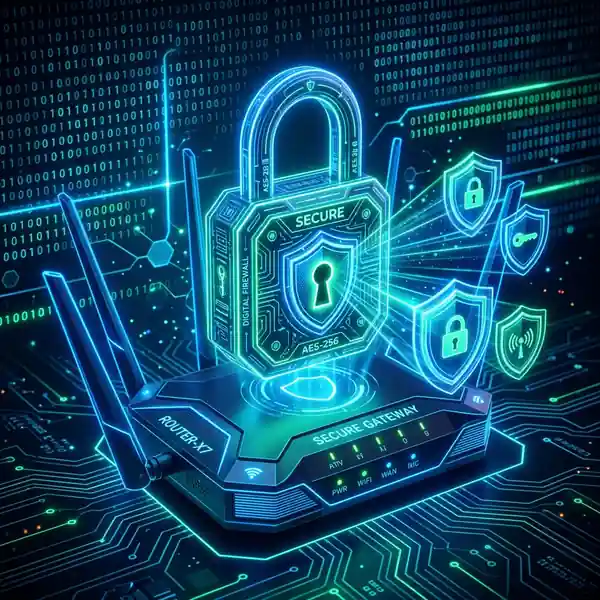
Step-by-Step: Downloading and Installing a VPN on Chromecast
| Device Model | Native VPN Support | Recommended Setup |
|---|---|---|
| Chromecast with Google TV | Yes (Via built-in Google Play Store) | Download VPN app directly to the device |
| Chromecast 1, 2, 3 / Ultra | No (Casting receiver only) | Install VPN on router or share PC hotspot |
Installing a VPN on your Chromecast with Google TV is a straightforward process. Below are the step-by-step instructions to guide you through downloading and installing your preferred VPN application.
Step 1: Prepare Your Chromecast with Google TV
Ensure that your Chromecast with Google TV is connected to your television and powered on. You will need an active internet connection to proceed with the installation.
Step 2: Access the Google Play Store
1. From the home screen of your Chromecast with Google TV, navigate to the “Apps” section. 2. Click on the “Google Play Store” icon to open the app marketplace.
Step 3: Search for a VPN Application
1. In the Google Play Store, use the search function located at the top of the screen. 2. Type in the name of a reputable VPN provider, such as NordVPN, ExpressVPN, or CyberGhost. 3. Select the desired VPN app from the search results.
Step 4: Install the VPN Application
1. Click on the selected VPN app to open its detail page. 2. Press the “Install” button to download and install the application onto your Chromecast with Google TV. 3. Wait for the installation process to complete. Once done, you will see the “Open” button change to “Uninstall.”
Step 5: Launch the VPN Application
1. Return to the home screen and navigate to the “Apps” section again. 2. Find and select the newly installed VPN application to open it.
Step 6: Sign In to Your VPN Account
1. If you do not already have an account, you will need to register on the VPN provider’s website using a computer or mobile device. 2. Enter your login credentials (username and password) in the app interface. 3. After logging in, you may be prompted to accept terms and conditions or grant necessary permissions.
Step 7: Configure VPN Settings
1. Once logged in, you will typically encounter a dashboard with a “Connect” button. 2. Before connecting, it’s advisable to explore the settings menu. Here, you can adjust preferences such as “Protocol,” “Kill Switch,” and “Auto-Connect.” 3. Select the protocol that best suits your needs. OpenVPN is generally recommended for its balance of speed and security.
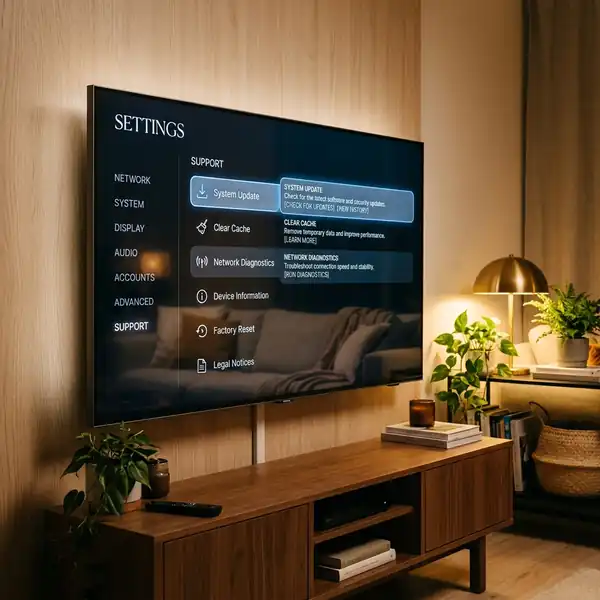
Connecting and Managing Server Configurations on Your TV
Now that your VPN application is installed and configured, you can connect to a server and manage settings effectively. Below are detailed steps to help you navigate server connections and configurations.
When connecting and managing server configurations on your Chromecast with Google TV, it’s essential to understand how VPNs operate within this ecosystem. First, the VPN must be installed either directly on your router or set up through a mobile device or computer that shares its connection. This method ensures that all devices connected to your network, including your Chromecast, benefit from the VPN's security and privacy features. When configuring the VPN settings, you will typically be prompted to select a server location, which can significantly impact your streaming experience. Choosing a server closer to your physical location can enhance speed, while selecting a different region can help you bypass geo-restrictions on content.
The benefits of using a VPN on your Chromecast with Google TV extend beyond mere security; it also allows for greater flexibility in accessing a broader range of content. By managing your server configurations, you can switch between different VPN servers based on your streaming needs. For instance, if you're looking to watch a specific show available only in the UK, you can configure your VPN to connect to a UK server. Additionally, different protocols such as OpenVPN, IKEv2, or L2TP/IPsec can be selected based on your preferences for speed and security. OpenVPN is generally recommended for its robust encryption and reliability, while IKEv2 is excellent for mobile devices that switch networks frequently.
During the setup process, users may encounter several troubleshooting issues related to server configurations. If you find that your Chromecast is not connecting to the VPN, first ensure that the VPN is correctly set up on your router or the sharing device. Check the VPN client logs for any error messages that can provide clues. Additionally, it’s advisable to verify that your internet connection is stable and that your VPN subscription is active. If you experience buffering or slow speeds, consider switching to a less congested server or altering the VPN protocol in your settings. Ultimately, managing server configurations effectively can lead to a seamless streaming experience, allowing you to enjoy your favorite content without restrictions while maintaining your privacy.
Step 1: Selecting a Server Location
1. In your VPN application, locate the server list. This typically displays various countries and cities where servers are available. 2. Choose a server based on your desired content access. For instance, if you want to access US-based streaming services, select a server located in the United States. 3. Some VPN providers offer specialized servers for streaming, which can further enhance performance.
Step 2: Connecting to the VPN Server
1. After selecting your preferred server, click the “Connect” button. 2. Wait for the connection process to complete. You should see a notification indicating that you are connected, along with your new IP address.
Step 3: Verifying Your Connection
1. To ensure that your VPN is functioning correctly, consider using an IP-checking website or a third-party application. 2. Confirm that your IP address reflects the server location you connected to. This verification step ensures that your online activities are protected and geolocation is altered.
Step 4: Managing VPN Settings
1. Return to the settings menu within your VPN application. 2. Here, you can enable features like the “Kill Switch,” which disconnects your internet if the VPN connection drops unexpectedly, preventing data leaks. 3. Set up the “Auto-Connect” option to ensure that your VPN automatically connects when you start your Chromecast with Google TV.
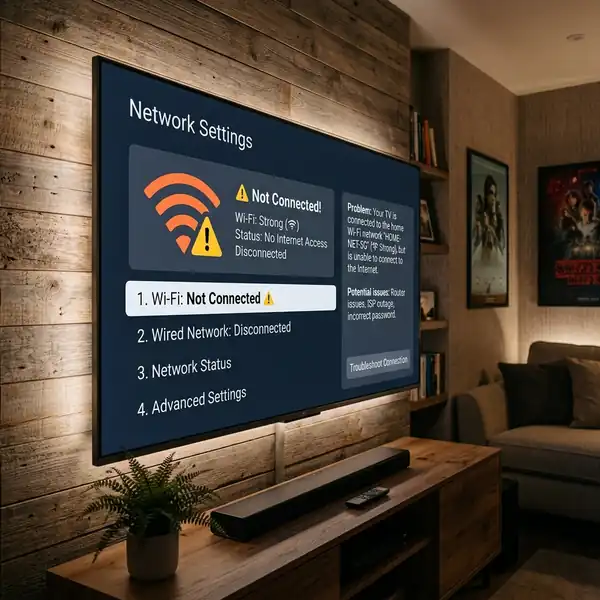
How to Share VPN to Older Chromecast Devices (Gen 1, 2, 3, Ultra)
If you own older Chromecast models (Gen 1, 2, 3, or Ultra), and you want to utilize a VPN for streaming on these devices, you can achieve this by sharing the VPN connection from your router or a virtual hotspot. Below are steps to accomplish this.
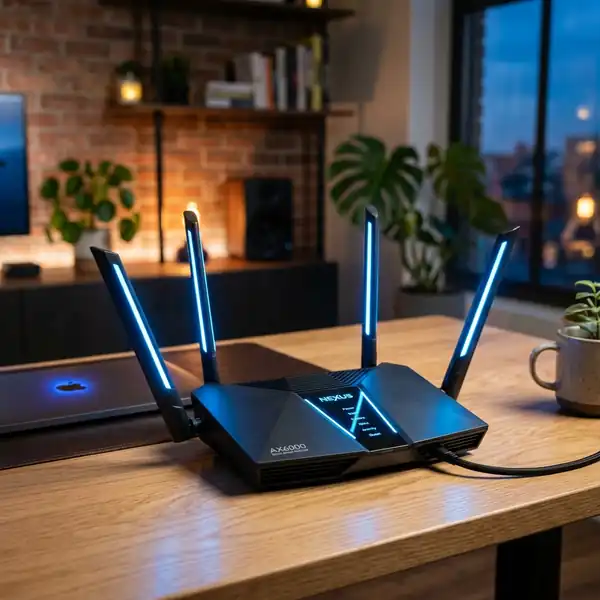
Sharing a VPN connection to older Chromecast devices, such as Gen 1, 2, 3, and Ultra, involves creating a virtual router that transmits the VPN-encrypted internet connection. This is essential because these Chromecast models do not natively support VPN applications. To achieve this, you will typically configure the VPN on a Windows or Mac computer or a compatible router. For Windows, you can use the built-in mobile hotspot feature, while on Mac, you can share your VPN connection through Internet Sharing settings. This process will require you to connect your Chromecast to the newly created hotspot, allowing the device to stream content securely through the VPN tunnel. The benefit of this configuration is that you can access geo-restricted content while ensuring your online privacy across all devices connected to the virtual router.
When selecting a VPN for this setup, it is crucial to choose one that supports a variety of protocols, such as OpenVPN, IKEv2, or L2TP/IPsec. OpenVPN is often recommended for its balance of speed and security, while IKEv2 is known for its ability to reconnect quickly after network interruptions, which can be beneficial for streaming. Once you have chosen a VPN provider, install the VPN software on your computer, and ensure that it is configured correctly to use the desired protocol. Additionally, enabling split tunneling can be advantageous, as it allows you to select which devices or applications use the VPN and which use your regular connection, optimizing performance. This not only enhances security but also minimizes latency when streaming content.
Despite the straightforward nature of sharing a VPN connection, users may encounter some challenges. It is essential to ensure that both the VPN and the hotspot settings are configured properly, as incorrect settings can lead to connectivity issues. If your Chromecast does not appear on the hotspot list, double-check that your hotspot is active and that the Chromecast is within range. Additionally, some VPNs may have restrictions on certain streaming services, resulting in buffering or inability to connect. In such cases, changing the VPN server location or trying a different protocol can often resolve these issues. Regularly updating the VPN software and your device’s firmware ensures optimal performance and security, providing a seamless streaming experience on your older Chromecast devices.
Step 1: Set Up a VPN on Your Router
1. Access your router’s configuration page. This is usually done by entering the router's IP address into a web browser. 2. Log in using your router’s admin credentials. 3. Locate the VPN settings section within the router interface. Not all routers support VPN configurations, so ensure yours does. Routers with DD-WRT, Tomato, or AsusWRT firmware are commonly compatible. 4. Input your VPN credentials and server information as provided by your VPN provider. Save the settings and restart the router.
Step 2: Connecting Your Chromecast to the VPN-enabled Router
1. With your VPN enabled on the router, connect your Chromecast device to the same Wi-Fi network. 2. Open the Google Home app on your mobile device to set up your Chromecast if necessary. 3. Ensure that your Chromecast is connected to the correct Wi-Fi network, which is now protected by the VPN.
Step 3: Verifying the Connection
1. Use a device connected to the same network to check your IP address. 2. Confirm that your IP reflects the VPN server location, ensuring that your older Chromecast devices enjoy the same benefits as those using the Google TV interface.
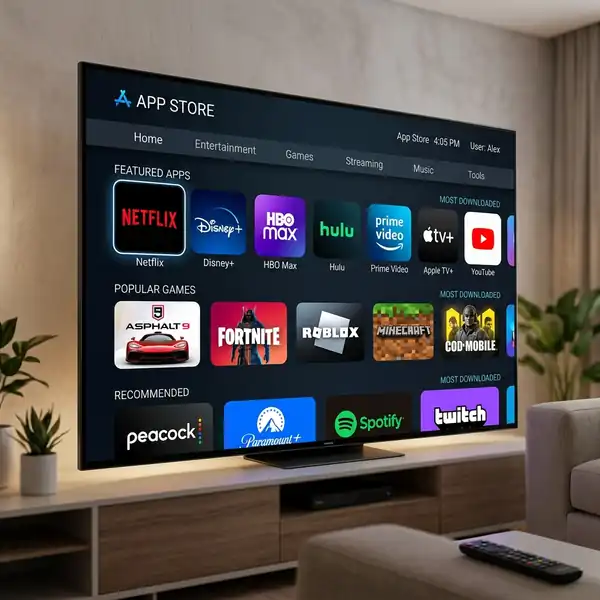
Troubleshooting Buffering Issues with VPN on Chromecast
While VPNs can enhance your streaming experience, they may also introduce buffering issues due to various factors. Here are some effective troubleshooting steps to resolve buffering problems while using a VPN on Chromecast.
Buffering issues when using a VPN on Chromecast with Google TV can be frustrating, but understanding the underlying configurations can significantly enhance your streaming experience. First, ensure that your VPN is compatible with Chromecast. While Chromecast does not natively support VPN applications, you can set up a VPN on your router or use a virtual router created from your PC. This setup helps not only in maintaining a stable connection but also in ensuring that all devices connected to your network benefit from the VPN's privacy features. Additionally, check your VPN settings to confirm that you are connected to a server that is geographically close to your location, as this can minimize latency and reduce buffering. Using a server that is overloaded can also exacerbate buffering issues, so try switching servers if you encounter problems.
The choice of VPN protocol can also influence your streaming quality. Most VPN services offer multiple protocols, including OpenVPN, IKEv2, and WireGuard, each with its own balance of speed and security. For streaming purposes, WireGuard is often recommended due to its lightweight structure and high speeds, which can help minimize lag and buffering. If you are experiencing consistent buffering, consider testing different protocols in your VPN settings. Furthermore, enabling features such as split tunneling can allow you to route only your Chromecast traffic through the VPN, potentially improving performance while keeping your other devices on a regular connection.
If buffering persists despite these adjustments, it may be beneficial to examine your internet connection speed. A VPN can reduce your overall bandwidth, so it's crucial to have a high-speed internet connection for seamless streaming. Conduct a speed test both with and without the VPN to identify any significant drops in performance. Additionally, consider temporarily disabling features such as your firewall or antivirus software to see if they are interfering with your VPN connection. If your ISP throttles streaming services, using a dedicated IP address or enabling obfuscation features in your VPN can also help bypass these restrictions, leading to smoother streaming on your Chromecast with Google TV.
Step 1: Test Your Internet Speed
1. Use an online speed test tool to measure your connection speed while connected to the VPN. 2. Compare the results with your speed when not using the VPN. A significant drop may indicate server congestion or that the server you are connected to is not optimal for streaming.
Step 2: Switch to a Different Server
1. If you experience buffering, try switching to a different server within the VPN application. 2. Choose a server that is closer to your physical location, as this can help reduce latency and improve streaming performance.
Step 3: Adjust VPN Protocols
1. Within your VPN settings, experiment with different protocols. For instance, if you are using OpenVPN, try switching to IKEv2 or L2TP/IPsec. 2. Some protocols may provide faster speeds, while others may offer better security.
Step 4: Optimize VPN Settings
1. Enable split tunneling if your VPN provider supports it. This feature allows you to choose which apps use the VPN connection, potentially improving speeds for streaming apps. 2. Disable any unnecessary features such as ad blocking or additional security features that may be affecting performance.
Step 5: Check for ISP Throttling
1. If you suspect that your Internet Service Provider (ISP) is throttling your connection, try using different VPN protocols or connecting to a different server. 2. Monitor your streaming quality and speed to identify if throttling is a persistent issue.
Step 6: Restart and Update
1. Restart your Chromecast and router to refresh the connection. 2. Ensure that your VPN app is up to date, as developers regularly release updates to improve performance and compatibility.
By following these steps, you can effectively install, configure, and troubleshoot VPN usage on your Chromecast with Google TV, allowing for an enhanced streaming experience while maintaining your privacy and security online.
Additional Resources and Recommended Links
For more networking and security guides, check out our step-by-step tutorials on chromecast not showing up on phone and how to use amazon associates sitestripe. For official hardware troubleshooting, visit the Google Chromecast Official Help Center.