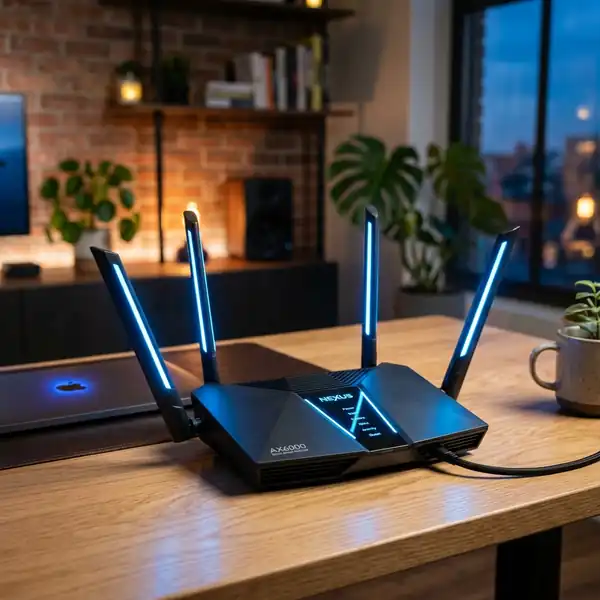
Setting up static IP DHCP mapping on a PfSense router ensures that specific devices always receive the same IP address, enhancing network stability.
Understanding Static IP DHCP Mapping
Static IP DHCP mapping allows network devices to always use predefined IP addresses assigned by a router. This configuration ensures reliable device identification, which is critical in complex networking environments with multiple connected devices.
Benefits of Static IP Addressing
Static IP addresses improve device recognition on a network, allowing for easier troubleshooting. They also facilitate more predictable server and remote access configurations, which aids in efficient traffic management for network administrators.
Equivalent Terms
Static IP DHCP mapping is commonly referred to as DHCP reservation. Although they are often used interchangeably, context may dictate distinct implications for network management practices in different scenarios.
Prerequisites for Configuration
The router must be running the PfSense operating system and should be updated to the latest version for optimal performance and security. Administrative access to the PfSense interface is crucial for ensuring effective configuration and modification of settings.
A list of devices along with their MAC addresses is required to create specific mappings that correlate devices with their designated fixed IP addresses, promoting organized network management.

Steps to Configure Static IP DHCP Mapping
Accessing the PfSense Interface
Open a web browser and enter the PfSense router's IP address, commonly set to 192.168.1.1 or 10.0.0.1. Login with the administrative credentials established during the initial setup to secure access to configuration options.
Navigate to DHCP Server Settings
From the dashboard, go to Services and click on DHCP Server to access the settings menu. Select the appropriate interface for configuration, typically LAN, which connects most devices within the local network.
Adding a Static Mapping
Scroll to the 'DHCP Static Mappings' section and click on 'Add' to begin creating a new static mapping. Enter the MAC address and desired IP address for the targeted device to ensure correct traffic routing and minimize connection errors.
Saving the Configuration
After entering the necessary details, click 'Save' at the bottom of the page to implement the changes. It is critical to verify that there are no conflicting IP addresses present within the DHCP scope to avoid connectivity issues for networked devices.
Comparison of Dynamic vs Static IP DHCP Mapping
| Feature | Dynamic IP Mapping | Static IP Mapping |
|---|---|---|
| Address Assignment | Automatically assigned by DHCP | Manually assigned and fixed |
| Consistency | Can change on reboot | Remains the same |
| Configuration Complexity | Low | Moderate |
| Best Use Case | General devices | Servers and printers |
Best Practices for Static DHCP Mapping
Reserve IP addresses in the same subnet as the DHCP server for proper request routing. Documentation of all static mappings ensures future reference and aids in troubleshooting for effective network management.
Regular auditing of mapping entries can remove outdated configurations to maintain integrity. This ongoing practice helps prevent confusion and enhances overall network performance across devices.
Troubleshooting Common Issues
IP Address Conflicts
Conflicts may arise when multiple devices are assigned the same IP address, resulting in communication failures. It is essential to verify the absence of duplicate static mappings within the DHCP configuration to ensure uninterrupted operations.
Device Not Receiving Assigned IP
If a device fails to receive its assigned IP address, its configuration settings should be checked to ensure proper network connection. Additionally, inspect for underlying issues such as cable faults, switch port problems, or misconfigurations that may cause discrepancies.
Advanced Troubleshooting Techniques
Using Network Analysis Tools
Employ tools like Wireshark to analyze network traffic and identify issues related to DHCP assignments. Such analysis provides insights into IP address negotiations and helps pinpoint problems effectively.
Verifying MAC Address Accuracy
Misconfiguration of the MAC address often leads to connectivity issues, so ensuring accuracy can resolve these problems. Cross-checking each device's MAC address against the configured mappings in PfSense is a crucial step in troubleshooting.
Understanding Electromagnetic Interference
Electromagnetic interference (EMI) can disrupt network communications, affecting both wired and wireless connections. Identifying and mitigating sources of EMI enhances network reliability and optimizes performance.
Common sources of EMI include electrical motors, fluorescent lights, and wireless radio frequency devices that may operate on similar frequencies. Proper cabling installation techniques and shielding strategies can significantly reduce the impact of electromagnetic disturbances.
Modern Cabling Standards
Modern cabling standards, such as TIA/EIA-568 and ISO/IEC 11801, govern the installation and performance benchmarks for network cabling. Adhering to these standards ensures compatibility and performance consistency for structured cabling systems.
Proper adherence to these standards can minimize crosstalk and signal degradation due to environmental factors. This leads to improved overall network performance and lower failure rates during high data transmission activities.
The Physics of Network Media
Different types of network media—including copper cabling, fiber optics, and wireless signals—exhibit distinct physical properties that directly influence their operating performance. Understanding these elements can aid in selecting the most suitable media for specific network requirements.
Copper cables transmit data via electrical signals, which may experience attenuation over greater distances. Meanwhile, fiber optics utilize light signals that maintain integrity over much longer spans, minimizing losses associated with distance.
Industry Standards for IP Address Management
Adhering to industry standards for IP address management supports the development of a robust and maintainable network architecture. Standards such as RFC 2131 for DHCP operations and RFC 2132 for options provide essential guidelines for managing IP allocations effectively.
Following these standards promotes interoperability among devices from diverse manufacturers, fostering a consistent and efficient approach to network management practices that enhances overall usability.
Professional Tips for Effective Static IP Management
Employing a systematic methodology for categorizing devices based on their functions—such as servers, printers, and mobile devices—enhances the administration of static IP assignments. This classification minimizes the risks associated with address conflicts and simplifies network management tasks.
Developing a naming convention for devices assists in achieving clearer identification and management. This provides clarity about the purpose and functionality of each device within the network structure, streamlining administrative efforts.
Maintaining Network Security
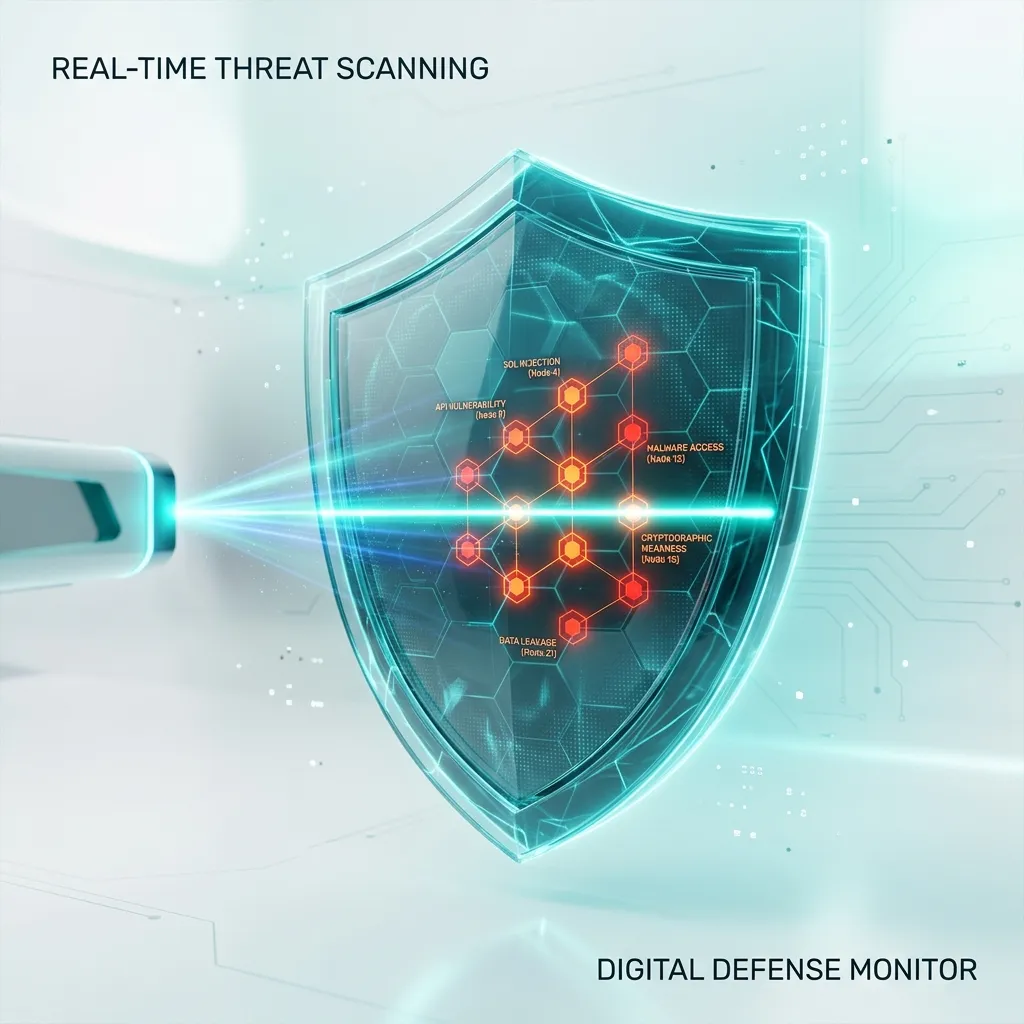
Regular monitoring of static mappings for unauthorized changes is essential to mitigate potential security threats. Establishing robust protocols for administrative access is vital to maintain security and limit exposure to potential risks within the network.
Routine updates of firmware and software are crucial for augmenting security features. Keeping software up-to-date addresses vulnerabilities present in older versions while enhancing overall network protection.
Monitoring Network Performance
Consistent assessment of network performance metrics is important for ensuring the optimal operation of static IP mappings. Utilizing management tools like SNMP (Simple Network Management Protocol) can yield insights into device utilization and traffic patterns.
This proactive monitoring approach helps identify potential network bottlenecks, enabling timely adjustments to configurations. Additionally, maintaining comprehensive records of performance trends guides future network expansions or upgrades as necessary.
Common Maintenance Practices
Implementing routine maintenance practices is essential for long-term network health and performance. Regularly reviewing static IP mappings and ensuring they align with current network usage can maintain consistency and reliability.
Performing traceroutes and ping tests periodically can help identify latency issues or unreachable devices. These diagnostic tools are indicative of underlying network complications that require immediate attention.
Future-Proofing Network Infrastructure
Designing a network infrastructure with scalability in mind can accommodate future growth and technological advancements. Choosing versatile devices and ensuring adherence to modern protocols can facilitate expansions without necessitating extensive reconfiguration.
Continuously evaluating emerging standards and best practices in network management helps ensure the infrastructure remains effective over time. This foresight can aid organizations in adapting to the rapid evolution of digital communication technologies.
Understanding Bandwidth Limitations
Bandwidth limitations refer to the maximum data transmission capacity of a network segment. Recognizing these constraints is crucial for planning robust network infrastructures that can handle the expected data loads.
Utilizing bandwidth monitoring tools allows administrators to assess usage patterns, which can inform necessary adjustments and optimizations. This proactive approach can lead to enhancements in overall network performance and user satisfaction.
Advanced Network Management Techniques
Implementing VLANs (Virtual Local Area Networks) can optimize the segmentation of network traffic, improving performance. This setup not only adds a layer of security but also streamlines the management of IP addresses, reducing complexity.
Using Quality of Service (QoS) can prioritize critical network traffic, ensuring essential applications receive the bandwidth they require. Such measures optimize overall network performance, especially in environments with diverse throughput needs.
Impact of Latency on the Network
Latency, defined as the time required for data packets to travel between two points in a network, is a crucial performance metric. Monitoring and measuring latency is vital for diagnosing network congestion and optimizing user experience.
Tools such as ping and traceroute serve as effective utilities for assessing latency and identifying performance bottlenecks. An increase in latency can signal infrastructural issues or external interferences that may need immediate remedial actions.
Understanding Network Congestion
Network congestion occurs when the demand for bandwidth exceeds the available capacity. This situation can lead to packet loss, increased latency, and overall diminished performance across the network.
To alleviate congestion, strategies like traffic shaping and load balancing can be employed. Such methods manage data flows efficiently, ensuring equitable distribution of network resources among users and applications.
Advanced Configuration Techniques
Advanced configuration options, such as using static routes, can greatly enhance the performance of a PfSense router. Static routes can improve network traffic management by directing packets along specific paths, reducing unnecessary hops.
Implementing redundancy protocols, such as HSRP or VRRP, ensures ongoing availability in case of router failures. These methods provide a safety net that further stabilizes network communications and minimizes downtime.
Educational Resources for Network Administrators
Numerous resources are available for network administrators seeking to deepen their knowledge of DHCP and static mappings. Online courses, webinars, and technical documentation can provide valuable insights and best practices.
Participating in forums and professional networking groups can also foster collaboration and knowledge sharing among peers in the network management field. Engaging with a community allows for the exchange of experiences and solutions to common challenges.
Considerations for Wireless Networks
Wireless networks introduce unique challenges regarding static IP assigning and DHCP mappings. Factors like interference, signal strength, and device mobility must be considered to ensure reliable connectivity.
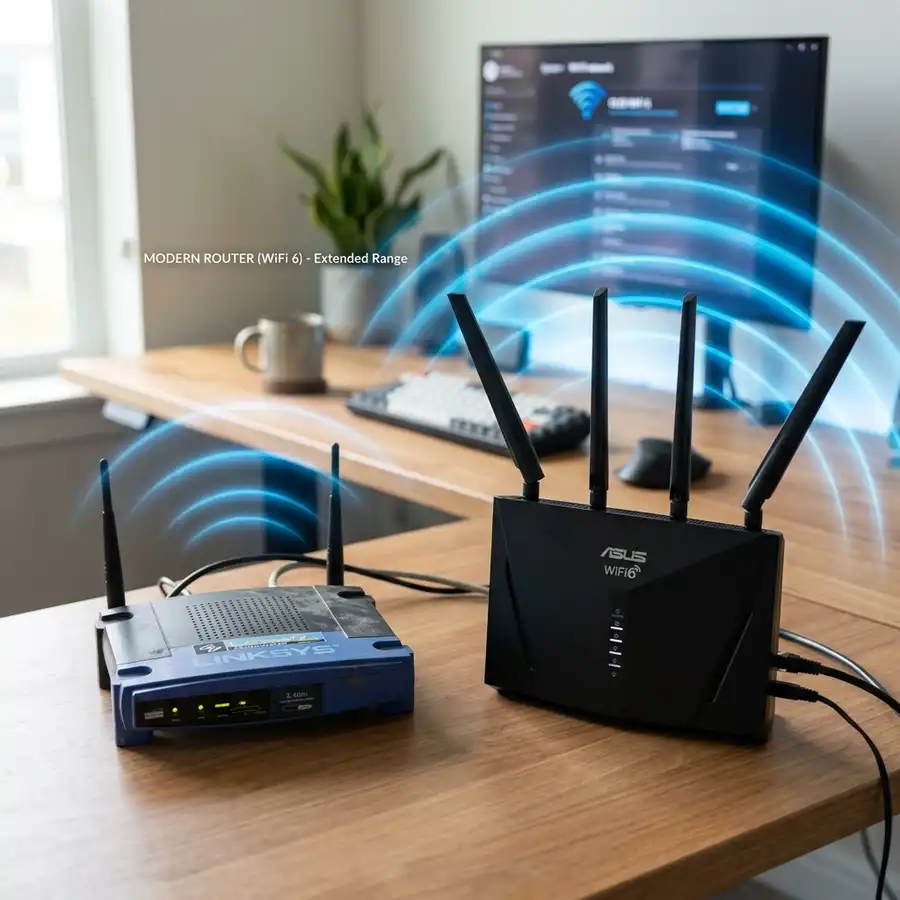
Using dual-band routers can help mitigate interference by providing different frequencies for devices, enhancing overall performance. Also, limiting the number of devices on each band can result in improved signal quality and stability.
Advanced Troubleshooting in Wireless Networks
Wireless networks often experience unique challenges that require specialized troubleshooting methods to identify issues affecting performance. Analyzing signal strength and looking for dead zones can provide insights into connectivity problems experienced by wireless devices.
Identifying Signal Strength Issues
Utilizing tools like Wi-Fi analyzers can help visualize signal strength across the coverage area. These tools can assist in repositioning access points or adjusting antenna orientations to improve coverage and minimize dead spots.
Examining Encryption Protocols
Using outdated encryption methods can lead to connection problems with newer devices. Ensuring all devices support compatible encryption standards, such as WPA3, can enhance overall security and connectivity in wireless networks.
Operating Frequency and Bandwidth Utilization
Different types of network media operate on various frequencies which can impact performance. Understanding the implications of operating frequencies is essential for optimizing the performance of wireless connections.
In the case of wireless networks, the 2.4 GHz frequency band offers longer range but is more susceptible to interference, while the 5 GHz band provides higher speeds with a shorter range. Selecting the appropriate band based on the device placement and usage requirements can significantly enhance network performance.
The Effect of Physical Barriers on Network Signals
Physical barriers such as walls and furniture can obstruct network signals and lead to diminished connectivity. The material composition of barriers also plays a significant role in the extent of signal degradation experienced.
Venue layout should be considered when planning equipment placement, ensuring that access points are strategically located to minimize obstruction effects. Wireless repeaters can also be deployed in challenging environments to extend coverage and improve signal reliability.
Receiving End Processing and its Impact on Latency
The processing time at the receiving end can significantly affect overall latency experienced on a network. Network setups should account for the processing capabilities of devices connected to ensure efficient data handling.
Utilizing high-performance routers can facilitate faster processing of incoming packets, therefore minimizing perceived latency for end-users. This aspect is particularly critical in environments where low latency is essential for applications like online gaming and video conferencing.
Understanding Energy Efficiency in Networking
Energy consumption in networking devices impacts both operational costs and overall environmental sustainability. Choosing energy-efficient devices can help reduce the carbon footprint associated with maintaining network infrastructure.
Implementing power-saving modes and reducing energy usage during periods of inactivity can also streamline operations. These practices contribute toward aligning networking operations with broader sustainability goals.
Implementing Quality Control in Network Management
Quality control measures can enhance the consistency of network performance and service delivery. Establishing performance benchmarks allows network administrators to identify deviations and put corrective actions into motion.
Regular testing of network components, as well as user experience feedback, can help shape ongoing improvements. Consistent quality assessments contribute to the overall reliability of network services provided to users.
To expand on this subject, it is highly useful to also explore how to best 5ghz wifi channel in detail.
To expand on this subject, it is highly useful to also explore how to best budget mesh wifi in detail.
Frequently Asked Questions
What is the purpose of a static IP DHCP mapping?
A static IP DHCP mapping assigns a fixed IP address to a device, ensuring consistent connectivity for efficient network management. This arrangement is especially beneficial for devices that demand stable connections, such as servers and printers.
Can multiple devices use the same static IP?
No, assigning the same static IP to multiple devices can create IP conflicts, leading to network instability. Such conflicts manifest through communication failures, disrupting services reliant on network connectivity.
Is static IP mapping more secure than dynamic mapping?
Static IP mapping provides enhanced control over devices connected to the network, enabling better access filtering and monitoring capabilities. However, robust security measures are necessary for both mapping types to effectively safeguard against potential threats, such as firewall implementation and regular security audits.
How does network congestion affect performance?
Network congestion leads to packet loss and increased latency, negatively impacting overall performance. Implementing strategies like load balancing can mitigate these effects by efficiently distributing resources.
What role does electromagnetic interference play in networking?
Electromagnetic interference can disrupt signal integrity, leading to connectivity issues. Identifying sources of EMI and applying appropriate shielding techniques can enhance network performance.

Conclusion
Setting up static IP DHCP mapping is a critical aspect of network management that contributes to overall device stability and performance. The knowledge of advanced techniques, security measures, and ongoing maintenance practices ensures a reliable networking environment.
By adhering to industry standards and best practices, network administrators can effectively manage and troubleshoot static IP assignments, ultimately creating a robust infrastructure capable of supporting evolving connectivity needs.