How to Setup a Free Windows Server VPS on Google Cloud Platform

Setting up a free Windows Server VPS on Google Cloud Platform is a streamlined process that can empower your projects. Google Cloud Platform (GCP) provides a robust infrastructure for hosting applications, services, and websites, offering users the ability to deploy virtual machines with various operating systems. Among these, Windows Server stands out for its versatility and compatibility with numerous enterprise applications.
By leveraging GCP's free tier, users can experiment with server configurations and applications without incurring costs, making it an attractive option for developers, businesses, and tech enthusiasts alike.
GCP's free tier offers a limited but functional environment where you can deploy virtual machines (VMs), including Windows Server instances. This feature is especially beneficial for those who may not have the resources to invest in traditional hosting solutions but still want to develop or test applications.
Setting up a free Windows Server VPS on GCP involves navigating through the Google Cloud console, selecting appropriate configurations, and ensuring that the necessary security settings are in place for remote access. Furthermore, the use of Remote Desktop Protocol (RDP) allows users to manage their Windows Server instances efficiently, providing a familiar interface for users accustomed to Windows environments.
In this blog post, we will dive deep into the process of setting up a free Windows Server VPS on Google Cloud Platform. We will start with a comprehensive overview of web servers and hosting concepts to set the stage for our practical guide.
Then, we'll provide a detailed step-by-step tutorial to help you navigate the setup process smoothly. Finally, we will compare different options available within the Google Cloud ecosystem, allowing you to make informed choices based on your specific needs.
Detailed Introduction to the Technical Concept of Web Servers and Hosting
Understanding the fundamentals of web servers and hosting is important for anyone looking to set up a Windows Server VPS on Google Cloud Platform. At its core, a web server is a system that stores, processes, and delivers web pages to users. This delivery is facilitated through the HTTP protocol, which governs how messages are transmitted over the internet. Web servers can be hardware-based, such as dedicated machines, or virtualized environments, like those provided by cloud platforms. The latter allows for greater flexibility, scalability, and cost-efficiency, especially when using a pay-as-you-go model, as seen in GCP.Hosting, on the other hand, refers to the service of providing storage space and access to websites or applications on the internet. Cloud hosting has revolutionized the way we think about hosting solutions, emphasizing the ability to scale resources up or down based on demand.
Google Cloud Platform operates on a global network of data centers, ensuring high availability and low latency for applications hosted on its infrastructure. This capability is particularly appealing for businesses that experience fluctuating traffic or need reliable uptime guarantees.
By leveraging GCP, users can take advantage of various services, including compute instances, storage solutions, and advanced networking capabilities.
Windows Server, specifically, is an operating system designed by Microsoft for server management. It offers a range of features tailored for enterprise environments, including Active Directory, file and print services, and web hosting capabilities with Internet Information Services (IIS).
When combined with GCP's infrastructure, Windows Server becomes a powerful tool for deploying applications, managing databases, and providing remote desktop services. Users can install and configure various software applications, making it suitable for everything from basic web hosting to complex enterprise solutions.
Moreover, the familiarity of the Windows environment allows users to manage their servers more intuitively, leveraging graphical interfaces rather than command-line tools.
Step-by-Step Practical Guide

Next, navigate to the "Compute Engine" section of the Google Cloud Console. Here, you will need to enable the Compute Engine API if it isn't already activated. This step is important as it allows you to create and manage virtual machine instances.
After enabling the API, click on "Create Instance." You will be prompted to configure various settings for your new virtual machine. Be sure to select a region and zone that align with your target audience to minimize latency. For the machine type, you can choose the "f1-micro" instance, which is eligible for the free tier.
In the "Boot disk" section, select "Windows Server" from the operating system options. Google Cloud offers several versions of Windows Server; you can choose the latest version that suits your needs. Ensure that you select the option for "Change" to customize the disk size if necessary, though the default should suffice for basic usage.
As you proceed to set up your instance, make sure to configure the firewall settings to allow RDP traffic. This will enable you to connect to your Windows Server instance remotely. After you have reviewed all your settings, click on the "Create" button to initiate the deployment.
Google Cloud will take a few moments to provision your new Windows Server VPS.
Once your instance is up and running, you can access it via Remote Desktop Protocol (RDP). To do this, go back to the Compute Engine section, where you will see a list of your instances. Locate your newly created Windows Server instance and click on the "RDP" button to initiate a remote connection.
If prompted, download the RDP file which will contain the necessary credentials to access your server. Open this file using the Remote Desktop application on your local machine, and you will be prompted to enter your username and password. After successful authentication, you will have full control over your Windows Server instance, allowing you to install applications, manage settings, and conduct any necessary configurations.
Comparative Overview of Windows Server Plans on Google Cloud
To assist you in making an informed decision about which Windows Server plan to choose on Google Cloud, we have created a comparative table outlining the key features and specifications of various options. This table will help you evaluate the benefits and limitations of each plan based on your specific requirements.| Plan | CPU | RAM | Storage (SSD) | Cost |
|---|---|---|---|---|
| f1-micro (Free Tier) | 1 vCPU | 0.6 GB | 30 GB | Free |
| g1-small | 1 vCPU | 1.7 GB | 30 GB | Approximately $10/month |
| n1-standard-1 | 1 vCPU | 3.75 GB | 30 GB | Approximately $25/month |
| n1-standard-2 | 2 vCPU | 7.5 GB | 30 GB | Approximately $50/month |
The above table summarizes various Windows Server plans available on Google Cloud. The "f1-micro" plan is a great starting point for those looking to experiment without incurring costs.
However, if you find that your applications require more resources, you may consider upgrading to the "g1-small" or "n1-standard" plans, which provide additional CPU and RAM options. Each plan is designed to cater to different workloads, so it's essential to evaluate your specific needs before making a commitment.

Additional Resources and Recommended Links
To further enhance your understanding and capabilities in setting up a Windows Server VPS on Google Cloud, it is beneficial to explore additional resources available online. Google Cloud's official documentation is a treasure trove of information, offering detailed guides, best practices, and tutorials for various services. Additionally, platforms such as Stack Overflow and various tech forums can provide community support where experienced users share insights and troubleshooting tips. You may also find it useful to read about other related topics, such as Best Python Hosting Services and How to Configure W3 Total Cache for optimizing your server performance. These resources will not only help you navigate the complexities of cloud hosting but also keep you up-to-date with the latest trends and practices in server management.Advanced Server Performance Tuning: Optimizing Cache Policies and Core Networking Metrics
Redis and Memcached are both high-performance in-memory data stores that offer different advantages. Redis, with its rich data types and persistence options, is well-suited for applications that require complex data structures and real-time analytics, while Memcached excels in simple key-value storage scenarios.
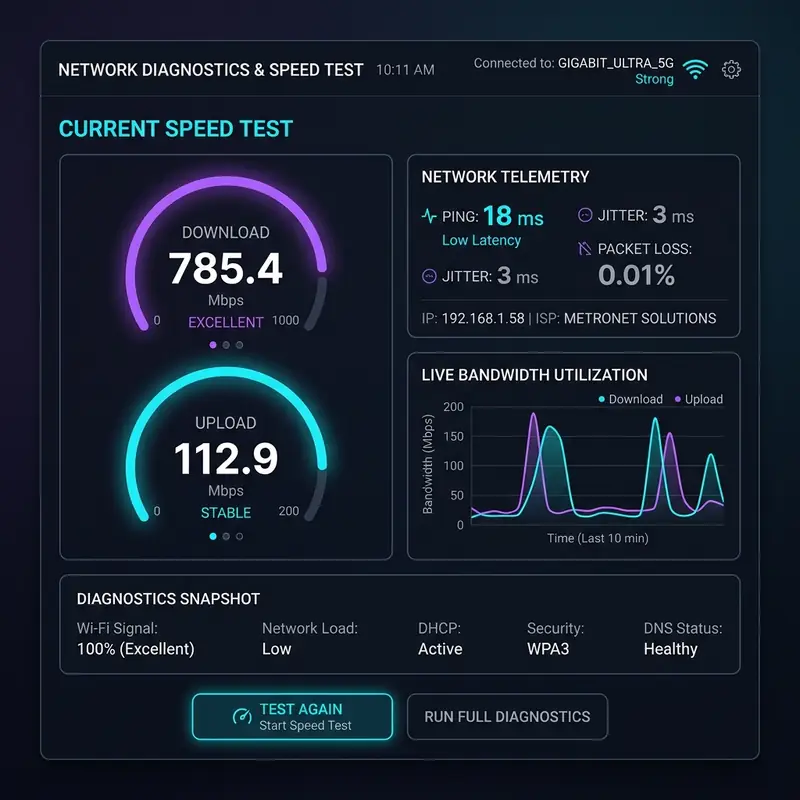
Implementing these caching layers can greatly reduce the number of requests hitting your server, thereby optimizing bandwidth allocation and server load. Furthermore, keeping a close watch on metrics such as Time to First Byte (TTFB) and server load averages can provide insights into the overall health of your server and network.
TTFB measures the time taken for a user’s browser to receive the first byte of response from your server, serving as a critical indicator of server responsiveness.
Moreover, understanding bandwidth allocation is paramount in ensuring that your applications can handle the expected traffic without degradation in performance. Bandwidth management strategies can help prioritize critical traffic, allowing important application responses to pass through while throttling less critical data.
This is particularly important during traffic spikes, where an unoptimized server may struggle to serve requests efficiently. By implementing a multi-layered caching strategy combined with proactive monitoring of core networking metrics, you can achieve a finely tuned server environment that not only responds quickly but also maintains stability under load.
It is also wise to fine-tune your server's operating environment. This includes adjusting configurations such as the maximum number of concurrent connections, optimizing database queries, and leveraging Content Delivery Networks (CDNs) to serve static assets.
By offloading static content delivery to a CDN, you can reduce the load on your server, allowing it to focus on processing dynamic requests more efficiently. The synergy of these performance enhancements creates an environment where your web applications can thrive, providing end-users with a seamless experience.
Lastly, continuous monitoring is key to maintaining an optimal server environment. Utilizing tools such as New Relic or Google Cloud Monitoring can provide real-time insights into server performance, helping you identify bottlenecks before they become problematic. Regularly reviewing and adjusting your performance tuning strategies based on user behavior and traffic patterns will ensure that your server remains responsive and efficient over time.
Implementing Server-Side Cybersecurity Protocols: Safeguarding Your VPS with SSL and Firewalls

Beyond SSL, configuring IP tables is important for controlling the flow of incoming and outgoing traffic on your server. IP tables enable you to set rules that dictate which traffic is allowed or denied, effectively acting as a first line of defense against unauthorized access attempts.
By establishing a default policy to deny all incoming traffic and then allowing only specific trusted IP addresses, you significantly reduce the risk of brute force attacks or unauthorized access. Regularly reviewing these rules and updating them in response to changing operational needs is essential to maintaining a secure environment.
Another critical aspect of server security is the implementation of a DDoS (Distributed Denial of Service) firewall. DDoS attacks aim to overwhelm your server with an excessive amount of traffic, rendering your services unavailable to legitimate users.
Utilizing a DDoS protection service can help absorb and mitigate these attacks, ensuring continuous availability of your applications. Many cloud providers, including Google Cloud, offer DDoS protection as part of their suite of services, allowing you to leverage their infrastructure to enhance your security posture.
Directories permissions also play a vital role in server security. Misconfigured permissions can lead to unauthorized access and exploitation of sensitive files or directories. It’s imperative to adopt the principle of least privilege, granting users and applications only the necessary permissions they require to function. Regular audits of directory permissions can help identify potential vulnerabilities and ensure that your server remains locked down against unauthorized access.
Finally, a comprehensive security strategy includes regular updates and patch management. Vulnerabilities in server software can be exploited by attackers, making it imperative to keep your server's operating system, applications, and security protocols up to date.
Automating this process can help ensure that you are always protected against the latest threats without the need for constant manual intervention. In the face of an ever-evolving threat landscape, a proactive approach to server-side cybersecurity is essential for safeguarding your VPS and maintaining the integrity of your applications.
Understanding Hosting Limitations: Navigating Shared vs Dedicated Servers, DNS Issues, and SLA Considerations
When selecting a hosting solution, understanding the inherent limitations of different types of servers is important for making an informed decision. Shared hosting, while cost-effective, often comes with significant restrictions in terms of resource allocation and performance. On a shared server, multiple websites compete for the same CPU, RAM, and bandwidth, which can lead to performance degradation during peak traffic times. Additionally, the actions of one website can adversely affect others on the same server, creating potential downtime or slow load times. This lack of control and predictability makes shared hosting less suitable for mission-critical applications or high-traffic websites.In contrast, dedicated servers and cloud machines provide a more robust hosting solution. With dedicated hosting, you have complete control over the server's resources, allowing you to optimize for performance and security according to your specific needs.
Cloud machines, while similar to dedicated servers, offer additional flexibility in scaling resources up or down based on traffic demands. This scalability is particularly advantageous for businesses that experience fluctuating traffic patterns, as it allows you to pay only for the resources you use without compromising performance.
However, it is essential to consider the higher costs associated with dedicated or cloud hosting solutions, as they typically require a larger investment than shared options.
DNS propagation errors are another common issue that can arise during the setup or migration of your VPS. When changes are made to DNS records, it can take time for those changes to propagate across the internet fully.
This delay may result in users experiencing inconsistent access to your site, as some may be directed to the old server while others reach the new one. Understanding the DNS propagation timeline and utilizing tools to monitor DNS records can help mitigate these issues, ensuring a smoother transition for users.
Database optimization traps can significantly impact the performance of your applications if not properly managed. Poorly indexed databases or inefficient queries can lead to slow response times and increased load on your server.
It's vital to regularly review and optimize your database structure to ensure that it can handle the expected traffic efficiently. Techniques such as indexing, query optimization, and using caching layers can alleviate these performance bottlenecks, ultimately improving user experience.
Lastly, Service Level Agreements (SLAs) play an important role in defining the level of service and support you can expect from your hosting provider. An SLA outlines the commitments regarding uptime, performance, and support response times, providing a safety net in case of service disruptions.
Understanding the terms of your SLA is important, as it helps set expectations and ensures that you have recourse should your provider fail to meet their obligations. Carefully evaluating SLAs before choosing a hosting solution can help you avoid potential pitfalls and ensure a reliable hosting environment for your applications.