Best Hosting Services for Python Django and Flask Web Applications

The best hosting services for Python Django and Flask applications provide performance, scalability, and affordability. Selecting the right hosting service for your Python-based web applications can significantly influence their functionality and user experience. The landscape of web hosting is diverse, with numerous options catering specifically to the needs of frameworks like Django and Flask.
These frameworks, known for their robustness and flexibility, require hosting environments that can efficiently support their backend processes while ensuring smooth deployment and maintenance. A reliable hosting service not only enhances application performance but also provides essential tools for development, debugging, and scaling.
When considering hosting services for Django and Flask applications, it's vital to examine the technical aspects of web servers. Web servers are important components that deliver web content to users.
They handle incoming requests from client devices, process those requests, and return the appropriate responses, whether it's serving static files, executing scripts, or managing database interactions. Different hosting services offer various server configurations, such as shared hosting, VPS (Virtual Private Server), and dedicated servers, each having its own set of advantages and limitations.
Understanding these options can help developers make informed decisions based on their specific project requirements.
Detailed Introduction to the Technical Concept of Web Servers and Hosting
Web servers play a significant role in the architecture of web applications, particularly those built with frameworks like Django and Flask. These frameworks require robust environments to execute Python code, manage databases, and serve dynamic content.
Hosting services offer various configurations to support these needs, ranging from traditional shared hosting solutions to more advanced cloud-based options. Shared hosting, for instance, is often the most budget-friendly option, allowing multiple websites to share the same server resources.
While this may suit smaller projects or personal websites, it can lead to performance issues and limitations in scalability, particularly for applications with high traffic or resource-intensive processes.
For more demanding applications, VPS hosting provides a middle ground between shared hosting and dedicated servers. VPS solutions allocate dedicated resources to each user, resulting in improved performance and greater control over server configurations.
This type of hosting is suitable for Django and Flask applications that require specific Python packages, database configurations, and custom server settings. Additionally, VPS hosting allows for easy scalability, enabling developers to upgrade resources as their applications grow in complexity and user base.
This flexibility is essential for projects that anticipate rapid growth or fluctuating traffic patterns.
Dedicated hosting, on the other hand, offers an entire server dedicated to a single user or application. This option is ideal for large-scale applications that demand maximum performance and security.
With dedicated hosting, developers have complete control over server configurations, enabling them to optimize the environment specifically for Django or Flask applications. However, this option comes with a higher price tag and requires a deeper understanding of server management.
For many developers, the choice between shared, VPS, and dedicated hosting ultimately boils down to budget constraints, projected traffic, and the level of technical expertise available for server management.
Step-by-Step Practical Guide to Deploying Django and Flask Applications
Deploying Django and Flask applications can seem daunting, but with the right guidance, the process can be straightforward. Here’s a step-by-step guide to help you through the deployment of your Python applications, ensuring that you can troubleshoot effectively and execute the necessary tasks with confidence.

First, you need to choose a suitable hosting service that supports Python applications. Look for providers that offer specific support for Django and Flask, such as DigitalOcean, Heroku, or PythonAnywhere.
Once you have chosen a provider, you will need to set up your server environment. This generally involves selecting the appropriate operating system, often a Linux distribution such as Ubuntu, which is favored for its stability and support within the developer community.
After setting up the server, you will need to install the necessary software stack, including Python, pip (the Python package installer), and a web server like Nginx or Apache.
Next, ensure that your application is ready for production. This involves configuring your Django or Flask app for deployment. For Django, you will need to set the `DEBUG` setting to `False` and configure allowed hosts to include your domain.
Additionally, ensure that your static files are collected using the `collectstatic` command, as these will be served directly by your web server. For Flask applications, ensure that your app is structured correctly, and use a WSGI server such as Gunicorn to serve your application. This server acts as a bridge between your web server and the Flask app, allowing for efficient request handling.
Finally, you will need to configure your web server to route traffic to your application. This part of the process can vary slightly depending on the web server being used. For example, if you are using Nginx, you will need to create a server block that specifies how to handle incoming requests and where to direct them.
Additionally, set up SSL certificates for secure HTTPS connections, which is important for protecting user data. Once everything is configured, you can start your application and test it to ensure that it is running smoothly. Monitor server logs for any errors or performance issues and make adjustments as necessary to optimize the deployment.
A Structured Comparative Table of Hosting Options
When evaluating different hosting services for Django and Flask applications, it's essential to compare features, pricing, and performance metrics. The table below provides a structured overview of some of the leading hosting providers, highlighting their key offerings and suitability for Python applications.
| Hosting Provider | Type | Pricing | Best For | Key Features |
|---|---|---|---|---|
| DigitalOcean | VPS | Starting at $5/month | Developers & Startups | Scalable resources, SSH access, One-click apps |
| Heroku | Platform as a Service (PaaS) | Free tier available; paid plans from $7/month | Rapid development & deployment | Easy scaling, Git integration, add-ons |
| PythonAnywhere | Shared Hosting | Free tier available; paid plans from $5/month | Learning & Small Projects | Built-in Python environment, web-based IDE, easy setup |
| AWS Elastic Beanstalk | Cloud Hosting | Pay-as-you-go pricing | Enterprise applications | Auto-scaling, load balancing, extensive tools |
This comparative table illustrates the various options available for developers seeking to host their Django or Flask applications. Each provider comes with distinct advantages, catering to different needs ranging from budget-friendly solutions for beginners to advanced cloud hosting services suitable for enterprise-level applications. As you consider your hosting options, evaluate what features are most critical for your project, such as ease of use, scalability, and support for specific frameworks.

Additional Resources and Recommended Links
For those looking to deepen their understanding of hosting services and Python application deployment, there are numerous resources available online. Consider exploring guides and tutorials that provide insights into various aspects of web development and hosting.
For instance, you might find it beneficial to read more about how to set up a free Windows VPS on Google Cloud, which can be a great starting point for developers looking to learn about server management. Additionally, the guide on how to set up CyberPanel with OpenLiteSpeed can provide valuable knowledge on managing web servers effectively.
Both of these resources offer practical insights that can improve your web hosting setup and application deployment strategies.
For further reading, check out the following links:
Advanced Server Performance Tuning, Cache Policies, and Core Networking Metrics
Cache policies play an instrumental role in boosting server performance. Implementing systems like OPcache, Redis, and Memcached can drastically reduce server response times by temporarily storing frequently accessed data in memory.
OPcache, specifically designed for PHP, optimizes the execution of scripts by storing precompiled script bytecode in shared memory, thus reducing the need for repeated disk access. Meanwhile, Redis and Memcached serve as in-memory data stores that facilitate faster data retrieval by caching the results of database queries.
For Django and Flask applications, using a combination of these caching mechanisms can alleviate database load, enhance application speed, and provide a smoother user experience.
Beyond cache policies, it is important to consider bandwidth allocation and server infrastructure. Bandwidth should be allocated judiciously to prevent bottlenecks, especially during peak traffic times.
Implementing a Content Delivery Network (CDN) can distribute network load effectively, allowing static assets to be served quickly from locations geographically closer to users. This can significantly reduce server load and improve overall performance.
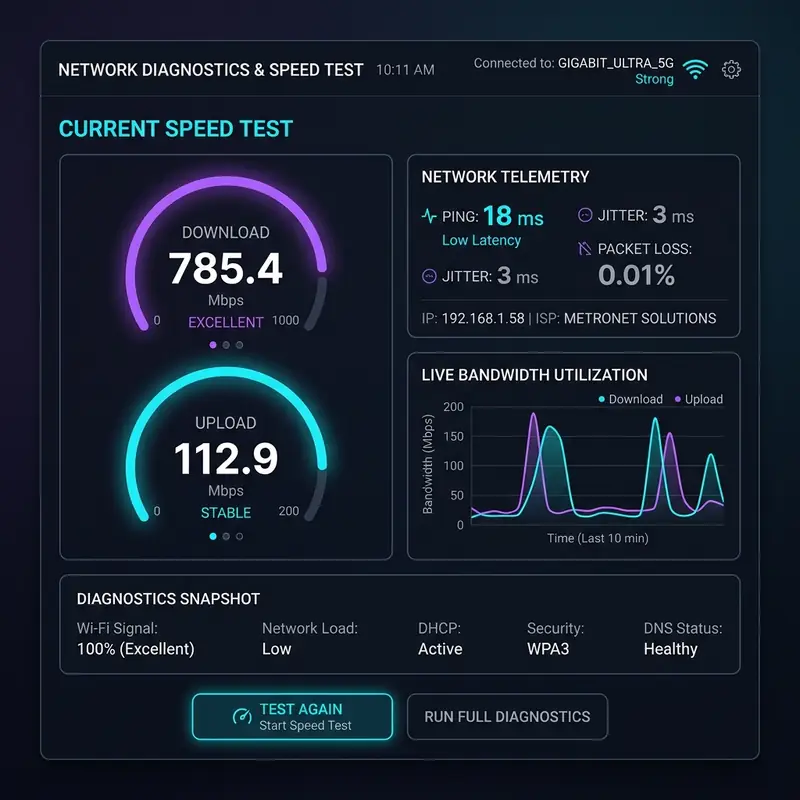
Furthermore, monitoring core networking metrics such as latency and packet loss can provide insights into network health, which can be mitigated by optimizing routing paths and ensuring resilient network configurations.
Networking metrics also extend to evaluating server load and ensuring that the server hardware is capable of handling increased traffic. This involves assessing CPU usage, memory consumption, and disk I/O operations.
A server that is consistently running at high capacity may require an upgrade to either a more powerful dedicated server or a scalable cloud solution that can dynamically adjust resources based on real-time demand. Implementing performance monitoring tools can help track these metrics and proactively address potential issues before they affect application performance.
Finally, continuous performance optimization should become an integral part of the development lifecycle. As applications evolve and user demands shift, regularly revisiting server configurations, load testing, and the effectiveness of caching strategies is vital. This iterative approach ensures that performance remains optimal, enabling Django and Flask applications to scale seamlessly and serve users with minimal latency and maximum efficiency.
Server-Side Cybersecurity Protocols for Hosting Django and Flask Applications

Another critical aspect of server-side security is the configuration of IP tables. IP tables act as a firewall, allowing administrators to define rules that govern incoming and outgoing traffic based on IP addresses, port numbers, and protocols.
By carefully crafting these rules, potential threats can be effectively blocked before they reach the application. For instance, restricting access to specific management interfaces and allowing only trusted IP ranges minimizes the attack surface significantly.
Moreover, maintaining an audit trail of the traffic can help identify and respond to suspicious activities in real time.
DDoS attacks pose a significant threat to web applications, particularly for those that handle sensitive data. Implementing a DDoS firewall can provide an additional layer of security against such attacks.
These firewalls work by analyzing incoming traffic patterns and blocking anomalies that indicate a possible DDoS attack. This proactive approach allows for the continued availability of web services during high traffic spikes, whether legitimate or malicious.
Additionally, integrating rate limiting can help control the number of requests a single source can make, further protecting against abuse and ensuring fair usage of resources.
Proper permissions and directory access controls are also vital for securing Django and Flask applications. By setting strict permissions on directories, especially those that contain sensitive files such as configuration settings and user data, administrators can limit exposure to potential attacks.
It is important to implement the principle of least privilege, ensuring that only necessary permissions are granted to users and processes. Regularly reviewing and updating these permissions in light of changes in the application or infrastructure can help prevent unauthorized access and data breaches.
Finally, fostering a culture of security awareness among developers is essential. Developers should be trained to recognize common security pitfalls, such as SQL injection and Cross-Site Scripting (XSS), and to implement secure coding practices.
Regular security audits, penetration testing, and staying informed about emerging vulnerabilities can further enhance the security posture of Django and Flask applications. By integrating these cybersecurity protocols into the development and deployment processes, organizations can create a resilient infrastructure that stands firm against the evolving landscape of cyber threats.
Understanding Hosting Limitations and Their Impact on Django and Flask Application Performance
When selecting a hosting solution for Django and Flask applications, understanding the limitations of different hosting types is critical. Shared servers, while cost-effective, often come with significant drawbacks, including limited resources, slower performance, and potential security vulnerabilities. On shared hosting, multiple applications run on the same server, leading to resource contention, which can degrade application performance, especially during high traffic periods. For developers aiming to ensure consistency in application behavior and performance, transitioning to dedicated or cloud hosting solutions can provide a more reliable environment.Dedicated servers offer enhanced performance due to exclusive access to all hardware resources. This not only improves application speed but also allows for greater customization and control over server configurations. However, dedicated hosting comes at a higher price point and requires ongoing maintenance and monitoring.
Cloud hosting, on the other hand, presents a flexible alternative that combines scalability with performance. Cloud providers allow for dynamic resource allocation, ensuring that applications can handle varying loads without degradation in service. This elasticity is particularly beneficial for applications experiencing fluctuating traffic patterns.
DNS propagation errors can also impact the accessibility of Django and Flask applications. When changes are made to DNS records, such as updating an A record or switching hosting providers, it can take time for these changes to propagate across the internet.
This can lead to temporary accessibility issues, where some users may still be directed to the old server. Understanding the TTL (Time to Live) settings for DNS records can help mitigate these issues by allowing for quicker updates.
However, it is essential to plan for these propagation times during migrations or updates to avoid unexpected downtime.
Database optimization traps present another layer of complexity in hosting environments. While many hosting providers offer managed database solutions, misconfigurations or lack of optimization can lead to performance bottlenecks. Common pitfalls include not indexing database tables properly, which can severely impact query performance. Developers should be vigilant about optimizing database queries, using efficient data models, and regularly analyzing query performance to ensure that database interactions do not hinder application responsiveness.
Service Level Agreements (SLAs) are also an important consideration when evaluating hosting options. An SLA outlines the expected level of service, including uptime guarantees, support response times, and remedies for service failures.
Understanding the terms of an SLA is essential for ensuring that hosting providers meet performance expectations. A provider that offers a robust SLA can give developers and stakeholders confidence that their application will remain available and responsive, which is particularly important for mission-critical applications.
In conclusion, understanding the limitations of various hosting options, the implications of DNS propagation, and the importance of database optimization and SLAs is important for effectively deploying Django and Flask applications. By carefully evaluating these factors, developers can select the most suitable hosting environment, ensuring that their applications perform optimally while providing a seamless experience for users.