How to Install and Setup CyberPanel with OpenLiteSpeed on Linux VPS

Installing and setting up CyberPanel with OpenLiteSpeed on a Linux VPS is a straightforward process that brings powerful web management capabilities. CyberPanel is a modern web hosting control panel that integrates seamlessly with OpenLiteSpeed, an efficient web server designed for high performance. Together, they provide a robust solution for those looking to host websites, manage databases, and utilize a user-friendly interface for server management.
This guide will take you through the necessary steps to install and configure CyberPanel, ensuring that you can leverage the benefits of this free LiteSpeed web control panel effectively.
Detailed Introduction to the Technical Concept of Web Servers and Hosting
A web server is a software or hardware system that serves content to users over the internet. It processes requests from clients, typically web browsers, and delivers the requested web pages, files, or applications.
The role of a web server can be succinctly described as handling HTTP requests and responses. A fundamental understanding of how web servers operate is important for anyone looking to manage websites.
When you utilize a service like CyberPanel alongside OpenLiteSpeed, you are effectively harnessing a combination of powerful technologies that enhance your website's performance, scalability, and management capabilities.
CyberPanel stands out in the crowded space of web hosting control panels by offering a user-friendly interface and a variety of features that cater to both novice and experienced users. One of its most appealing aspects is its integration with OpenLiteSpeed, which is known for its speed and efficiency, especially in handling dynamic content.
The synergy between CyberPanel and OpenLiteSpeed ensures that users can manage multiple websites with ease while benefiting from enhanced security features and improved server resource management. This makes it an ideal choice for web developers, agencies, and businesses looking to optimize their web presence.
Hosting on a Virtual Private Server (VPS) adds another layer of complexity and power to your web management capabilities. Unlike shared hosting, a VPS provides dedicated resources and a higher degree of control over your server environment.
This means you can customize your server settings, install necessary software, and configure it to meet your specific needs. The combination of CyberPanel, OpenLiteSpeed, and a Linux VPS creates a versatile platform that allows for rapid development and deployment of web applications, making it a preferred choice for those serious about their online operations.
Step-by-Step Practical Guide to Install and Setup CyberPanel with OpenLiteSpeed on Linux VPS

To get started with installing CyberPanel with OpenLiteSpeed on your Linux VPS, you will need to follow a series of precise steps. First and foremost, ensure that you have a Linux VPS up and running. CyberPanel supports various Linux distributions, with Ubuntu and CentOS being the most commonly used.
For this guide, we will assume that you are using Ubuntu 20.04. Begin by accessing your VPS via SSH. You can do this using a terminal command like `ssh root@your_server_ip`, replacing `your_server_ip` with your actual VPS IP address.
Once logged in, the first step is to update your system to ensure all packages are up to date. You can do this with the following commands:
```bash
sudo apt update
sudo apt upgrade -y
```
After the system update is complete, you can proceed with installing CyberPanel. The installation process is relatively straightforward and can be initiated with a single command. Execute the following command to download and run the CyberPanel installer:
```bash
wget -O installer.sh https://cyberpanel.net/install.sh && bash installer.sh
```
During the installation process, you will be prompted to make several choices regarding the installation options. For instance, you can choose to install the OpenLiteSpeed web server, which is the default option.
You may also want to enable additional features such as the Email server or the DNS server, depending on your specific requirements. Follow the on-screen instructions carefully, and once the installation finishes, you will see a success message along with the login details for the CyberPanel interface.
After the successful installation of CyberPanel, it is important to configure the firewall to allow web traffic. You can do this by enabling the necessary ports. For example, if you are using UFW (Uncomplicated Firewall), run the following commands:
```bash
sudo ufw allow 80/tcp
sudo ufw allow 443/tcp
sudo ufw allow 8090/tcp
```
Now that your firewall is configured, you can access the CyberPanel interface by navigating to `http://your_server_ip:8090` in your web browser. You will be greeted with a login screen where you can enter the credentials provided during installation. Once logged in, you will have access to a dashboard that allows you to manage websites, databases, and other server settings efficiently.
Comparison of CyberPanel and Other Control Panels
When considering CyberPanel for your web hosting needs, it is beneficial to compare it with other control panels available in the market. Understanding the strengths and weaknesses of different options can help you make an informed decision. Below is a structured comparative table showcasing CyberPanel alongside other popular web control panels, such as cPanel and Plesk.
| Feature | CyberPanel | cPanel | Plesk |
|---|---|---|---|
| Price | Free | Paid (starting around $15/month) | Paid (starting around $10/month) |
| Web Server Support | OpenLiteSpeed | Apache, Nginx | Apache, Nginx |
| User Interface | Modern, user-friendly | Traditional, widely used | Intuitive, easy to navigate |
| Application Support | WordPress, PHP, etc. | WordPress, PHP, etc. | WordPress, PHP, Docker, etc. |
| Performance Optimization | Built-in LiteSpeed cache | Requires additional plugins | Built-in caching options |
| Support & Community | Growing community | Large user base | Established support |
This comparative table highlights key aspects of CyberPanel versus other control panels. CyberPanel’s free availability is a significant advantage for new users or those on a tight budget.
Its integration with OpenLiteSpeed ensures high performance and efficiency, particularly for websites that require fast loading times. In contrast, cPanel and Plesk, while offering robust feature sets and extensive support, come at a cost that may not be justifiable for all users.
The choice ultimately depends on your specific requirements, budget considerations, and the features that are most important to your web hosting strategy.

Additional Resources and Recommended Links
For those looking to deepen their understanding of web hosting and management, there are numerous resources available online. Consider exploring various articles and tutorials that cover a wide range of topics, from basic web hosting principles to advanced configurations.
For instance, if you are interested in Python web applications, you might find our article on Best Python Hosting Services particularly helpful. Additionally, if you want to enhance your WordPress site’s performance, check out our guide on How to Configure W3 Total Cache.
These resources can provide valuable insights and practical tips for optimizing your web hosting experience.
Advanced Server Performance Tuning: Cache Policies and Core Networking Metrics
Redis and Memcached serve slightly different purposes but are equally powerful in their own right. Redis, with its advanced data structures, allows for complex caching strategies including session storage and full-page caching.
Memcached, on the other hand, excels at simple key-value storage, making it an ideal choice for quickly caching object data. By leveraging these caching technologies, you can drastically reduce Time To First Byte (TTFB), a critical performance metric that indicates the responsiveness of a web server.
A lower TTFB means a better user experience and can positively impact your site's SEO rankings as well.
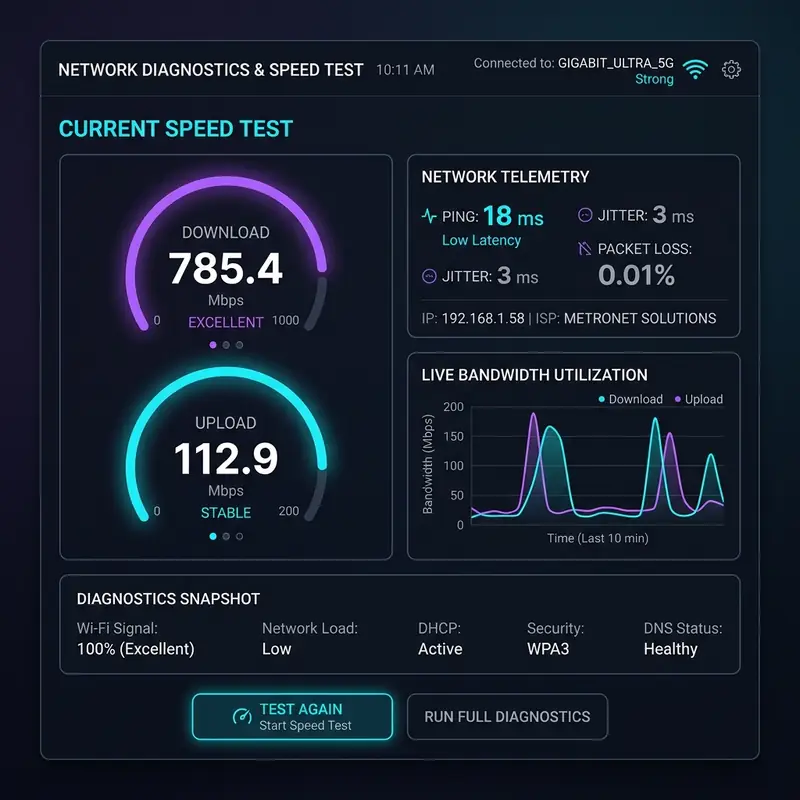
Another aspect to consider is the server load, which reflects the amount of computational work that your server is handling at any given moment. Analyzing server load metrics allows administrators to identify bottlenecks and optimize resource allocation.
For instance, if CPU usage is consistently high, it may indicate that your server is overwhelmed by traffic or inefficient code. By addressing these issues—whether through load balancing, optimizing application code, or upgrading server hardware—you can ensure smoother performance under varying traffic conditions.
Bandwidth allocation is equally important when tuning server performance. It is essential to monitor your bandwidth usage to ensure that you are not overextending your resources. Implementing Quality of Service (QoS) rules can help prioritize critical traffic, allowing essential services to maintain optimal performance during peak times. Proper bandwidth management helps prevent situations where non-essential services consume excessive resources, thereby degrading performance for primary applications.
In summary, advanced server performance tuning requires a holistic approach that incorporates effective caching strategies, real-time monitoring of server load, and careful management of bandwidth. By focusing on these areas, you can significantly enhance the performance of your CyberPanel installation with OpenLiteSpeed, leading to an improved user experience and better overall site performance.
Implementing Robust Server-Side Cybersecurity Protocols for Enhanced Protection

In addition to SSL, configuring IP tables is important for controlling inbound and outbound traffic to your server. IP tables allow you to create rules that specify which traffic is allowed or denied, thereby fortifying your server against unauthorized access.
For example, you can configure your server to accept connections only from specific IP addresses or ranges, significantly reducing the attack surface. Regular audits of these configurations ensure that you adapt to changing threats and maintain a strong defensive posture.
Another layer of security that cannot be overlooked is the implementation of a DDoS firewall. Distributed Denial of Service (DDoS) attacks can overwhelm your server, rendering it inaccessible to legitimate users.
By employing a DDoS firewall, you can detect and mitigate such attacks in real time. These firewalls often use machine learning algorithms to identify and block malicious traffic while allowing legitimate requests to pass through.
This proactive approach is vital for maintaining uptime and ensuring a seamless experience for your users.
Permissions for directories on your server also play a significant role in cybersecurity. Setting file and directory permissions correctly can prevent unauthorized access and exploitation of vulnerabilities.
For example, ensuring that sensitive directories are not publicly accessible and that only necessary files have executable permissions can protect against various types of attacks. Regularly reviewing and updating these permissions as part of your security protocol is advisable to adapt to new vulnerabilities.
In conclusion, implementing a comprehensive server-side cybersecurity strategy requires a combination of SSL configuration, IP table management, DDoS protection, and careful permissions management. By taking these steps, you can create a secure environment that protects both your server and your users from a wide range of cyber threats.
Understanding Hosting Limitations: Navigating Shared Servers and Cloud Solutions
When embarking on the journey of hosting your website or application, understanding the limitations inherent in different hosting solutions is vital. Shared servers, while often cheaper and easier to set up, come with significant constraints that can impact performance, security, and scalability. In a shared environment, multiple users share the same resources, which means that your site's performance can be directly affected by the activities of others on the same server. This can lead to slow loading times, especially during peak traffic periods, making shared hosting less suitable for high-traffic websites.On the other hand, dedicated and cloud machines offer a more robust solution. With dedicated hosting, you have exclusive access to all server resources, which translates to improved performance, enhanced security, and greater control over server configurations.
Cloud hosting takes this a step further by leveraging a network of virtual servers to provide scalable solutions that can adapt to fluctuating traffic demands. This elasticity is particularly beneficial for businesses anticipating growth or those with variable traffic patterns.
However, even with dedicated and cloud solutions, hosting limitations can manifest in other ways. For instance, DNS propagation errors can occur when changes are made to domain settings, leading to inconsistencies in how your website is accessed globally.
Understanding the nuances of DNS propagation can help you manage expectations and mitigate downtime during transitions. It’s often advisable to allow up to 48 hours for DNS changes to fully propagate, particularly if you're switching hosting providers or altering DNS records.
Database optimization is another critical area where limitations can arise. Inefficiently configured databases can lead to performance bottlenecks, especially for applications that rely heavily on database interactions.
Common pitfalls include not indexing tables properly or failing to optimize queries, which can lead to slow data retrieval times. Regular database maintenance, such as cleaning up unused tables and optimizing query performance, is essential to avoid these traps and ensure your application runs smoothly.
Lastly, Service Level Agreements (SLAs) should not be overlooked when choosing a hosting solution. An SLA outlines the expected performance and uptime guarantees from your hosting provider.
Understanding the terms of the SLA can help you identify whether the hosting solution meets your business needs, particularly regarding uptime and support response times. Inadequate SLAs can lead to unexpected downtime and loss of revenue, making it important to select a provider that aligns with your operational requirements.
In summary, navigating the complexities of hosting limitations requires a thorough understanding of the various types of hosting solutions available, as well as the potential pitfalls associated with each. By weighing the pros and cons of shared, dedicated, and cloud hosting, addressing DNS propagation issues, optimizing database performance, and carefully reviewing SLAs, you can make informed decisions that support the long-term success of your online presence.