How to Connect and Use a Custom Domain Business Email in Gmail Free

Connecting a custom domain business email in Gmail for free is a straightforward process that enhances professionalism. Utilizing Gmail as your email client while linking it to a custom domain allows businesses to maintain a polished image, ensuring that all communications appear credible and trustworthy. This setup empowers organizations to leverage Google’s robust email platform while utilizing their unique domain name, which can be a critical factor in building brand recognition and customer confidence.
This guide will explore the necessary steps to achieve this, as well as the underlying technical concepts involved, making it accessible even for those with minimal technical expertise.
Detailed Introduction to the Technical Concept of Web Servers and Hosting Related to the Theme
Understanding the role of web servers and hosting is paramount when considering how to connect and use a custom domain business email in Gmail. At its core, a web server is a computer system that stores, processes, and delivers web pages to users. When a user enters a domain name into their browser, the web server responds by sending the appropriate content based on the request. For businesses, having a reliable web server is important, as it ensures that emails sent from a custom domain are delivered efficiently and without interruption.Hosting, on the other hand, refers to the service that allows individuals or organizations to make their website accessible via the World Wide Web. Hosting services provide the technology and infrastructure needed to store website files and emails.
Various hosting plans exist, from shared hosting, which is budget-friendly but can come with performance limitations, to dedicated servers that offer enhanced speed and control at a higher cost. Selecting the right hosting service is essential, as it directly affects the reliability of your email communication, particularly when setting up a custom domain email.
When using a custom domain, it's also vital to configure DNS (Domain Name System) settings correctly. DNS acts as the phonebook of the internet, translating domain names into IP addresses that computers use to identify each other on the network.
For email, DNS settings determine how messages are routed from one server to another. Key records such as MX (Mail Exchange) records are necessary to direct email traffic to the correct server.
Misconfigured DNS settings can lead to delivery issues, making it essential to follow the correct setup procedures when linking your business email to Gmail.
Step-by-Step Practical Guide to Connect Your Custom Domain Email to Gmail

The first step is to sign in to your Gmail account. Once logged in, navigate to the Settings gear icon located in the top right corner of the Gmail interface.
Click on "See all settings," and then move to the "Accounts and Import" tab. Here, you will find the option labeled “Add another email address.” Click on this link, and a prompt will appear asking for the email address you wish to link.
Enter your custom domain email address and click "Next Step."
In the next dialog box, you'll need to specify the SMTP server details for your custom domain email. This information is typically provided by your hosting provider and may include the SMTP server address, port number, and your authentication details (username and password).
Most commonly, the SMTP server will be in the format of `mail.yourdomain.com`. Ensure that your connection is secure by checking the box that indicates you're using SSL or TLS, depending on what your email provider supports.
Complete the setup by clicking "Add Account," and Gmail will send a verification email to your custom domain email address.
Once you receive the verification email, click the link within it to confirm that you own the address. After verification, you can go back to the "Accounts and Import" tab in your Gmail settings.
Here, you can also configure how your emails will be sent — whether to reply from the same address your email was sent to or your default Gmail address. This flexibility allows users to manage multiple email identities seamlessly.
Another critical step is to set up email forwarding, ensuring that emails sent to your custom domain address are directed to your Gmail account. To do this, access your domain’s DNS settings and create or modify the MX records as directed by your hosting provider.
This configuration tells the internet where to send emails for your domain. After setting up the MX records, it may take some time for changes to propagate across the internet, so be patient.
Once the DNS changes are fully propagated, you should be able to receive emails sent to your custom domain directly in your Gmail inbox.
Comparative Table of Hosting Options for Business Emails
Before committing to a hosting provider for your custom domain email, it’s prudent to evaluate the various options available. Below is a structured comparative table that outlines some popular hosting services, their features, and pricing. This can help you make an informed decision based on your business’s specific needs.| Hosting Provider | Monthly Cost | Storage | Email Accounts | Support |
|---|---|---|---|---|
| HostGator | $2.75 | Unmetered | 5 | 24/7 Live Chat |
| Bluehost | $2.95 | 50 GB | 5 | 24/7 Phone Support |
| SiteGround | $3.99 | 10 GB | Email included | 24/7 Ticket Support |
| DreamHost | $2.59 | Unlimited | Unlimited | 24/7 Support via Live Chat |
The comparative analysis of these hosting providers highlights key factors such as monthly cost, storage capabilities, the number of email accounts allowed, and the type of support offered. When selecting a hosting service for your custom domain business email, consider not only the cost but also the reliability and quality of support.
A robust hosting provider will ensure that your emails are delivered promptly and that you have the necessary assistance when issues arise.

Additional Resources and Recommended Links
To further assist you in your journey of setting up a custom domain business email in Gmail, we recommend exploring additional resources that dive deeper into related topics. For those experiencing issues with email deliverability, check our guide on How to Fix SPF DKIM DMARC Errors. This article covers essential email authentication protocols to help ensure that your emails are not flagged as spam. Additionally, if you're considering changing your email hosting provider, our post on How to Migrate Email Accounts provides essential insights into transferring your email data securely and efficiently.Advanced Server Performance Tuning, Cache Policies, and Core Networking Metrics
Incorporating OPcache, for instance, allows PHP scripts to be cached in memory, which means subsequent requests for the same scripts can be served much faster. This is particularly beneficial for applications that rely on PHP for server-side processing, which includes many email management systems.
Redis, on the other hand, acts as an in-memory data structure store, supporting a wide array of data types and allowing for more complex caching strategies. Meanwhile, Memcached provides a memory caching solution that is ideal for reducing database load, especially when dealing with large volumes of email transactions.
By utilizing these caching mechanisms effectively, businesses can address high server load situations and ensure that their email services remain responsive even during peak usage.
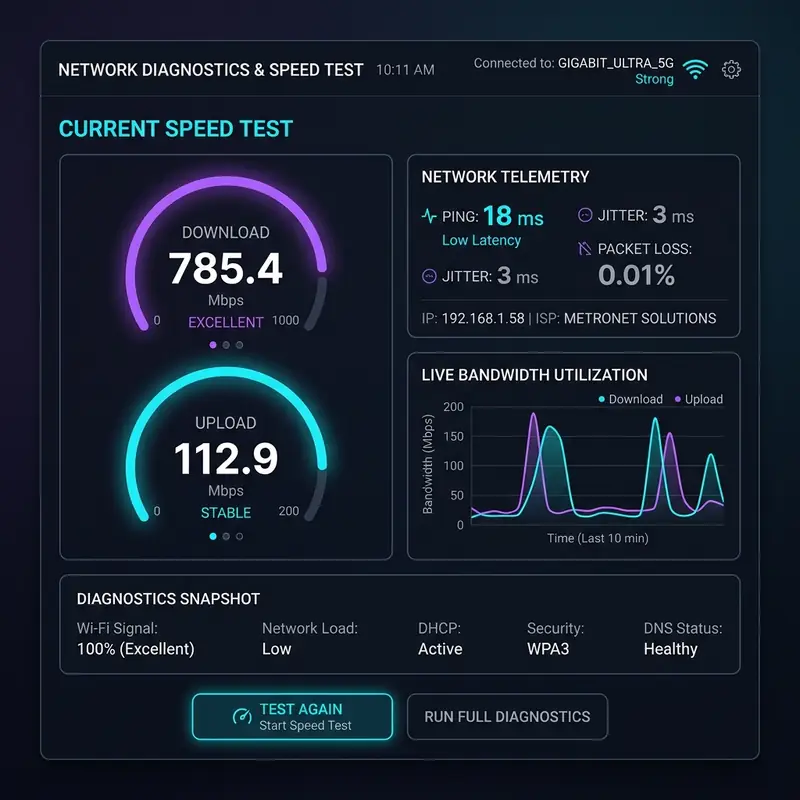
Additionally, understanding core networking metrics is vital for diagnosing performance issues. Server load is a key indicator of how well a server is managing concurrent requests. High server load can lead to slow response times, impacting user experience negatively.
Monitoring tools can provide insights into server load averages, enabling administrators to make informed decisions about scaling resources. Bandwidth allocation is another critical metric to consider, as inadequate bandwidth can lead to bottlenecks, particularly when multiple users are accessing the email server simultaneously. By analyzing these metrics regularly, businesses can identify potential issues before they escalate into serious problems, ensuring smooth operation of their custom domain email services.
Moreover, the choice of hosting provider can significantly influence these performance metrics. Providers that offer dedicated or cloud-based solutions typically provide better resource allocation and scalability options compared to shared hosting environments, which can be prone to congestion and slower performance.
Businesses should carefully evaluate their hosting options, considering factors such as server location, hardware specifications, and the provider's reputation for uptime and reliability. This evaluation should also include looking into the provider's policies regarding performance optimization and whether they offer support for advanced caching solutions.
Ultimately, advanced server performance tuning is not merely a technical necessity but a strategic advantage for any business seeking to enhance its email communication capabilities. The integration of effective caching strategies, thorough monitoring of networking metrics, and careful selection of hosting options can lead to improved efficiency, reduced latency, and an overall better user experience.
By investing in these aspects, businesses can ensure that their custom domain email setups remain robust, reliable, and ready to meet their communication needs.
Implementing Robust Server-Side Cybersecurity Protocols for Business Email

In addition to SSL configurations, managing IP tables is essential for enhancing server security. IP tables are used to set up, maintain, and inspect the tables of IP packet filter rules in the Linux kernel.
By configuring IP tables correctly, businesses can control the flow of incoming and outgoing traffic based on predetermined security rules, effectively filtering out malicious attempts to access the email server. This setup is important for businesses that handle sensitive data, as it helps to minimize the risk of unauthorized access and data breaches.
DDoS (Distributed Denial of Service) attacks pose significant threats to server availability, and having a robust firewall in place is vital for mitigating this risk. A DDoS firewall is designed to detect and respond to such attacks by filtering out malicious traffic before it reaches the server.
Many modern email services offer built-in DDoS protection, but businesses should also consider implementing additional layers of security, such as rate limiting and traffic analysis, to safeguard their email communications further. These measures can help ensure that legitimate users can still access email services even during an attack.
Moreover, directory permissions play a important role in maintaining server security. Misconfigured permissions can lead to unauthorized access to sensitive directories on the server, which can be exploited by malicious actors.
Businesses should adopt the principle of least privilege, granting users only the permissions necessary for their roles. Regular audits of directory permissions are essential to ensure compliance with security policies and to identify any potential vulnerabilities that need to be addressed.
Additionally, educating employees about cybersecurity practices is integral to the overall security posture of the email system. Implementing training programs that cover topics such as recognizing phishing attempts, creating strong passwords, and understanding the importance of secure connections can significantly reduce the likelihood of security breaches.
By fostering a culture of security awareness, businesses can enhance the effectiveness of their server-side protocols and protect their custom domain email from a wide array of cyber threats.
In conclusion, the implementation of robust cybersecurity protocols is critical for safeguarding business communications via custom domain email. Through the use of SSL certificates, effective IP table configurations, DDoS protection, appropriate directory permissions, and employee education, businesses can create a secure environment for their email operations.
This comprehensive approach not only protects sensitive information but also builds trust with clients and partners, reinforcing the reputation of the business in an increasingly digital world.
Understanding Hosting Limitations and Their Impact on Email Performance
When choosing a hosting solution for a custom domain email setup, it is essential to understand the inherent limitations of various hosting options, particularly when comparing shared servers to dedicated or cloud machines. Shared servers, where multiple users share the same resources, often lead to performance bottlenecks. This is particularly problematic for businesses that require consistent and reliable email service. High traffic on a shared server can result in slow loading times, delayed email delivery, and even service interruptions, making it difficult for businesses to communicate effectively and maintain productivity.On the other hand, dedicated servers provide users with exclusive access to all resources, leading to improved performance, greater reliability, and enhanced security. However, this comes at a higher cost and often requires more technical expertise to manage.
Cloud hosting, as a flexible alternative, allows businesses to scale resources according to their needs, ensuring that email services can handle fluctuations in demand without compromising performance. The choice between these hosting options should be carefully considered, taking into account factors such as budget, expected growth, and technical capabilities.
Another critical aspect to consider is DNS propagation errors, which can occur when changes are made to DNS records. When setting up a custom domain email, it is common to modify DNS records to point to the email service provider's servers.
However, these changes may not take effect immediately due to DNS caching, leading to potential delays in email delivery or even loss of emails during the transition period. Businesses should be aware of this phenomenon and plan for possible disruptions, communicating with their users about expected timelines for email service stabilization.
Database optimization is another area that can trap businesses looking to enhance their email performance. Inefficient database queries can slow down email processing, leading to delays in sending and receiving messages. Regular database maintenance, such as indexing and cleaning up old data, is essential to ensure that the email system operates smoothly. Additionally, businesses should monitor database performance continuously to identify potential bottlenecks and implement optimizations proactively.
Service Level Agreements (SLAs) are also a vital consideration when selecting a hosting provider. An SLA outlines the level of service a provider guarantees, including uptime, support response times, and compensation for service disruptions.
Businesses should thoroughly review SLAs to ensure that the hosting provider meets their needs and expectations. A robust SLA can provide peace of mind, knowing that the provider is committed to maintaining high service levels and addressing any issues that may arise promptly.
In summary, understanding the limitations of hosting options is important for businesses looking to establish a reliable custom domain email service. By carefully evaluating the trade-offs between shared and dedicated or cloud hosting, preparing for DNS propagation errors, optimizing databases, and scrutinizing SLAs, businesses can position themselves for success. A well-considered approach to hosting can lead to enhanced email performance, improved communication capabilities, and ultimately, better business outcomes.