How to Migrate Email Accounts and Inboxes Between Hosting Servers

Transitioning email accounts between hosting servers can be a seamless process with the right steps and tools. Migrating email accounts and inboxes can seem daunting, but understanding the underlying technology and following a systematic approach can simplify the task significantly. Email accounts are often tied to specific hosting services, which means that when a business decides to change its web host, it must also transfer its email data.
This process involves more than just changing a few settings; it requires careful planning and execution to ensure that no data is lost and that downtime is minimized.
Before diving into the intricacies of migration, it's important to grasp the technical concepts surrounding web servers and hosting. Email hosting is a specialized service that allows businesses to send, receive, and store email using their domain name, which is generally linked to a web hosting provider.
Many businesses utilize IMAP (Internet Message Access Protocol) to manage their emails, as it allows users to access their messages from multiple devices while keeping everything synchronized. This synchronization is essential, especially during migration, as it ensures that all emails remain consistent across different platforms and devices.
Understanding Web Servers and Hosting
To fully understand the nuances of migrating email accounts and inboxes, it’s essential to start with a solid foundation in web servers and hosting. Web hosting refers to the service that allows individuals and organizations to make their websites accessible via the internet.
Hosting providers offer a variety of services, which can include shared hosting, VPS (Virtual Private Server), dedicated servers, and cloud hosting. Email hosting is typically a component of these services, providing users with the ability to manage their email communications through their domain.
When you choose a hosting provider, you are essentially selecting the infrastructure that will support your online presence, including your website and email. Each hosting option comes with its own set of benefits and limitations.
Shared hosting, for instance, is cost-effective but may not provide the performance or reliability needed for businesses with high email traffic. On the other hand, dedicated servers offer more control and resource allocation but come at a higher cost.
Understanding these differences is vital because they can influence your email migration strategy.
Moreover, the protocols used for email communication play a significant role in how you manage your emails during the migration process. IMAP and POP3 are two of the most common protocols.
IMAP allows users to access their emails from any device without downloading them to local storage, while POP3 downloads emails to a single device and typically removes them from the server. For most businesses, IMAP is the preferred option because it ensures that all changes made on one device reflect across all others.
This functionality is particularly important during migrations, where maintaining email consistency is paramount.
Step-by-Step Guide to Migrate Email Accounts and Inboxes
Migrating email accounts and inboxes entails several technical steps that must be executed carefully to avoid data loss and ensure a smooth transition. First, it’s essential to assess the current email infrastructure.
Gather information about the existing email setup, including the number of accounts, storage limits, and any specific configurations that have been implemented. This assessment will help you understand the scope of the migration and prepare for any potential challenges.
Once you have a clear overview of your current setup, the next step is to choose the new hosting provider. Research various email hosting options, keeping in mind the features you require, such as storage space, security measures, and customer support.
Many hosting providers offer migration tools that simplify the process, so look for a provider that can assist with this transition. After selecting a new host, create the email accounts on the new server to mirror your existing accounts.
With the new accounts set up, the real challenge begins—transferring the emails. Utilizing IMAP for email transfer is one of the most effective methods. IMAP sync allows you to transfer emails directly from the old server to the new one without downloading and re-uploading them manually.
Many email clients, such as Thunderbird or Outlook, offer IMAP capabilities that can facilitate this process. To initiate the transfer, configure the email client to connect to both the old and new mail servers. This setup allows you to drag and drop emails from the old inbox to the new inbox seamlessly.
It's also wise to monitor the migration closely. Check for any synchronization issues, such as missing emails or incorrect folder structures.
This step is important, as it allows you to address any problems promptly before the old accounts are deactivated. After the migration is complete, conduct a thorough review to ensure that all emails have been successfully transferred and that the new accounts are functioning correctly.
Once confirmed, you can proceed to update your DNS records to point to the new email server, ensuring that all future communications are directed to the new host.

Comparative Analysis of Email Hosting Options
When considering email migration, it is beneficial to compare various email hosting options available in the market. This comparison can help you identify the best provider that meets your business needs and ensures a seamless transition. Below is a structured table that highlights key features, pricing, and performance benchmarks of popular email hosting services:
| Hosting Provider | Storage Space | Monthly Cost | IMAP Support | Customer Support |
|---|---|---|---|---|
| Provider A | 50 GB | $5.99 | Yes | 24/7 Live Chat |
| Provider B | Unlimited | $9.99 | Yes | Phone & Email |
| Provider C | 30 GB | $4.99 | No | Email Only |
This comparative analysis provides a quick overview of the features offered by various email hosting providers. As you evaluate your options, consider not only the cost but also factors such as customer support availability and storage limits. The right choice should align with your business requirements and future growth plans, allowing for a smooth transition and continued productivity.

Additional Resources and Recommended Links
For those looking to enhance their understanding of email migration and hosting services, there are numerous resources available online. Comprehensive guides can provide insights into various aspects of email hosting, from setup to troubleshooting.
Additionally, forums and community platforms allow users to share their experiences and solutions, which can be invaluable during migration. To further expand your knowledge, consider exploring posts like How to Setup Business Email in Gmail and How to Fix SPF DKIM DMARC Errors.
These resources can offer best practices and strategies for optimizing your email hosting experience and ensuring your migration is as smooth as possible.
Advanced Server Performance Tuning, Cache Policies, and Core Networking Metrics
Cache policies play a vital role in enhancing server performance, especially when dealing with high volumes of email data. OPcache, Redis, and Memcached are popular caching mechanisms that can significantly reduce the time taken to access frequently used data.
OPcache, for example, caches the compiled PHP code in memory, which minimizes the overhead associated with parsing and compiling scripts. Redis and Memcached, on the other hand, are in-memory data structure stores that can cache database queries and session data.
Implementing these caching solutions can lead to faster load times and reduced server strain, ultimately providing a better user experience for those accessing their email accounts during the migration process.
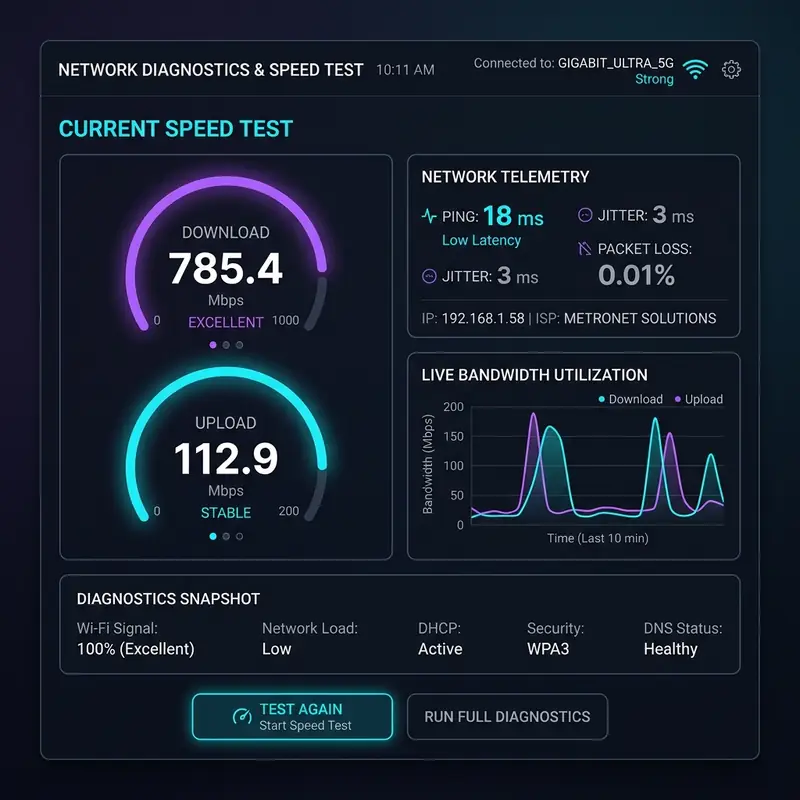
When discussing server performance, it is imperative to consider core networking metrics such as Time to First Byte (TTFB) latency, server load, and bandwidth allocation. TTFB is a critical performance indicator that measures the duration between a client’s request and the first byte of data received from the server.
A low TTFB indicates a responsive server, while high latency can lead to user frustration, particularly when accessing email services. Monitoring server load is equally important; it provides insights into how many processes are running on the server and whether it can handle additional requests.
Bandwidth allocation should also be carefully managed, especially during data migration, to ensure that sufficient resources are available for email transfer without impacting other services hosted on the same server.
In addition to the aforementioned factors, employing tools for performance monitoring and analysis can provide valuable insights into server health and identify areas for improvement. Tools such as New Relic, Datadog, or even server-native solutions like top or htop can help administrators visualize metrics in real-time, allowing for quick identification of performance issues.
By combining these insights with proactive tuning, you can ensure that your server remains responsive and capable of handling the demands of email account migration.
Finally, establishing a routine for performance assessments post-migration is essential. Regularly reviewing server performance metrics allows for ongoing optimization and adjustment of settings, ensuring that the server remains efficient over time. By focusing on these advanced tuning techniques and cache policies, you can create a robust environment that supports seamless email migrations while maintaining high levels of performance.
Implementing Robust Server-Side Cybersecurity Protocols for Email Migration

Another critical aspect of server security involves configuring IP tables, a powerful tool used to manage incoming and outgoing traffic on a server. By defining strict rules for which IP addresses are allowed to connect to the server, administrators can create a barrier against unauthorized access attempts.
Additionally, setting up rate limiting can help prevent brute-force attacks, where malicious actors attempt to guess passwords by making multiple login attempts in quick succession. A well-structured IP table configuration should be a key consideration for any organization planning to migrate email accounts, as it can significantly enhance the security posture of the hosting environment.
In addition to SSL and IP tables, implementing a DDoS (Distributed Denial of Service) firewall is a proactive measure to protect servers from large-scale attacks designed to overwhelm resources and render services unavailable. DDoS attacks can severely disrupt email services during migration, causing significant downtime and user dissatisfaction.
Utilizing a combination of hardware and software-based DDoS protection can help mitigate these risks. Many hosting providers offer DDoS protection as an add-on service, which can be a worthwhile investment during email migrations when the stakes are particularly high.
Furthermore, managing directory permissions is a important yet often overlooked aspect of server security. Properly setting permissions on directories and files ensures that only authorized users can access or modify sensitive data.
During an email migration, it is essential to audit these permissions to prevent unauthorized access to user inboxes and other critical data. A well-defined permission model helps create a strong security framework that not only protects against external threats but also internal vulnerabilities.
Lastly, it is essential to cultivate a culture of cybersecurity awareness within the organization. Training staff on best practices for data security and encouraging vigilance can help reduce the risk of human error, which is often a weak point in security protocols.
Regularly updating software and keeping abreast of the latest cybersecurity trends will also fortify defenses against emerging threats. By implementing these server-side cybersecurity protocols diligently, you can significantly enhance the security and reliability of email migration processes.
Understanding Hosting Limitations and Challenges During Email Migration
When considering the migration of email accounts, understanding the limitations and challenges posed by different hosting environments is essential for a successful transition. Shared servers, while often cost-effective, come with inherent disadvantages that can hinder email migration processes. Since multiple users share the same server resources, performance can be unpredictable, especially during peak usage times. This can lead to slower migration speeds, higher latency, and potential downtime. Additionally, restrictions on resource allocation and bandwidth can create bottlenecks that complicate the migration of large email accounts or extensive inbox histories.In contrast, dedicated and cloud-based hosting solutions offer greater flexibility and performance. Dedicated servers provide exclusive resources, allowing for enhanced control over server settings, security protocols, and performance tuning.
Cloud hosting, on the other hand, offers scalability, which is particularly beneficial during migrations when fluctuating resource needs may arise. The ability to allocate additional resources on-the-fly can ensure that email accounts are migrated seamlessly without impacting other services or users.
However, these solutions come at a higher cost and may require more technical expertise to manage effectively.
DNS propagation errors are another significant challenge to consider during the email migration process. When changing hosting providers, DNS records must be updated to point to the new server.
However, DNS changes can take time to propagate across the internet, leading to potential disruptions in email delivery. Users may experience delays or even loss of emails during this transition period.
To mitigate these risks, it is advisable to carefully plan the DNS change and consider a staged migration approach, which allows for gradual updates and minimizes the impact on users.
Database optimization traps are common pitfalls that can also affect the efficiency of email migrations. Email accounts often rely on databases to store user information, settings, and messages.
If the database is not properly optimized, it can lead to slow query responses and degraded performance during migration. Implementing indexing strategies, cleaning up obsolete data, and ensuring that the database schema is well-designed can help improve performance.
By addressing these issues beforehand, organizations can avoid frustrating slowdowns that may occur during the migration process.
Lastly, it is important to consider Service Level Agreements (SLAs) when selecting a hosting provider for email migration. SLAs define the expected level of service, including uptime guarantees, support response times, and compensation for service disruptions.
Understanding these agreements ensures that organizations are aware of the support they can expect during critical migration processes. A reliable SLA can provide peace of mind, knowing that there are established protocols in place to address any issues that may arise during the transition.
By acknowledging these hosting limitations and challenges, organizations can make informed decisions that facilitate a smoother and more efficient email migration experience.