How to Fix SPF, DKIM, and DMARC Errors to Avoid Email Spam Filters

Fixing SPF, DKIM, and DMARC errors is important for ensuring your emails reach the inbox instead of the spam folder. Email deliverability is a critical component of any business’s communication strategy. If your messages are frequently landing in spam folders, it can severely impact your ability to connect with clients and partners.
To combat this issue, understanding and configuring SPF (Sender Policy Framework), DKIM (DomainKeys Identified Mail), and DMARC (Domain-based Message Authentication, Reporting & Conformance) is essential. These email authentication protocols work together to validate your emails, enhancing their credibility and significantly reducing the chances of being marked as spam.
In the digital age where communication is predominantly conducted through email, the importance of ensuring that your messages reach their intended recipients cannot be overstated. Misconfigurations in SPF, DKIM, and DMARC can lead to significant issues, including lost business opportunities and damaged reputations.
By effectively managing these protocols, businesses can establish a more reliable email sending reputation, thereby increasing the likelihood that their messages will be successfully delivered. This blog post aims to provide a comprehensive understanding of these email authentication methods and offers a step-by-step guide to troubleshoot and fix common errors associated with them.
Detailed Introduction to the Technical Concept of Web Servers and Hosting Related to the Theme
At the heart of email communication lies the web server, a significant component of the internet infrastructure. Web servers are designed to store, process, and deliver web pages to users.
They play a important role in email functionalities, especially for businesses that rely on web hosting services to manage their email systems. When a business sends an email, it travels through a series of servers before reaching its final destination.
Understanding the operations of these servers is essential for troubleshooting issues like SPF, DKIM, and DMARC errors.
When you configure your email system with your web hosting service, you are essentially setting up a database of rules and protocols that govern how your emails are sent and received. Each of these protocols—SPF, DKIM, and DMARC—serves a specific function that helps authenticate your emails.
SPF acts as the first line of defense by allowing domain owners to specify which IP addresses are permitted to send emails on their behalf, thereby preventing unauthorized users from spoofing their email addresses. DKIM, on the other hand, adds a layer of security by attaching a digital signature to each outgoing email, confirming that it has not been altered in transit.
Lastly, DMARC combines the functionalities of SPF and DKIM, providing domain owners with the ability to specify how receiving mail servers should handle emails that fail authentication checks.
Understanding these protocols not only helps in email authentication but also assists in configuring the web server and hosting settings correctly. As organizations increasingly rely on cloud-based systems for email services, it becomes paramount to ensure that the web server environment is properly set up.
Misconfigurations can lead to emails being rejected or marked as spam, causing significant disruptions to business communications. Therefore, a thorough understanding of how web servers and hosting interact with these email authentication protocols is vital for any organization looking to optimize its email deliverability.
Step-by-Step Practical Guide to Troubleshoot or Execute the Task

To effectively fix SPF, DKIM, and DMARC errors, follow this comprehensive step-by-step guide to ensure that your configurations are correct and up to date. The first step is to check your SPF record.
Start by logging into your domain's DNS management panel. You will need to locate the SPF record, which typically begins with "v=spf1." Ensure that the IP addresses listed in this record correspond to the mail servers you are using for sending emails.
If you are using third-party services (like Mailchimp, Google Workspace, or others), make sure to include their servers in your SPF record.
Next, verify your DKIM settings. DKIM requires a public/private key pair for authenticating your emails. To set this up, generate a DKIM key using your email service provider's tools.
This key should then be added to your DNS records as a TXT record. The DKIM record will look similar to "v=DKIM1; k=rsa; p=your_public_key_here." After adding the DKIM record, you can use various online tools to check if the DKIM signature is working correctly. Sending test emails to services like Mail Tester can provide insights on whether DKIM is configured properly.
Lastly, implement DMARC to ensure that your emails are being handled correctly by recipients' mail servers. To create a DMARC record, return to your DNS management panel.
A typical DMARC record begins with "v=DMARC1; p=none; rua=mailto:your_email@example.com." The policy can be set to "none," "quarantine," or "reject," depending on how strict you want the email handling to be. After setting up the DMARC record, monitor the reports sent to the specified email address to check for any authentication failures.
This reporting mechanism will help you identify any persistent issues with your SPF or DKIM configurations.
By following these steps meticulously, you can effectively troubleshoot and fix common SPF, DKIM, and DMARC errors, thereby enhancing your email deliverability and reducing the likelihood of your emails being marked as spam.
Comparison of Email Authentication Options
To better understand the different options available for managing email authentication, the following table presents a structured comparison of SPF, DKIM, and DMARC. Each option comes with its features, advantages, and disadvantages, allowing businesses to make an informed decision when configuring their email systems.
| Protocol | Functionality | Advantages | Disadvantages |
|---|---|---|---|
| SPF | Defines which mail servers are permitted to send emails on behalf of your domain. | Prevents email spoofing, reduces spam. | Does not provide authenticity verification of the email content. |
| DKIM | Attaches a digital signature to emails, verifying that the content has not changed. | Ensures email integrity, adds credibility to your emails. | Requires DNS configuration and key management. |
| DMARC | Combines SPF and DKIM, allowing domain owners to set policies for handling failed emails. | Provides reporting capabilities, enhances email security. | Requires proper setup of both SPF and DKIM. |
The table above highlights the core functionalities and considerations associated with each email authentication protocol. Understanding these distinctions can provide clarity on which combinations of these protocols will best serve your business needs. Employing SPF, DKIM, and DMARC in conjunction not only provides a robust defense against spam filters but also ensures that your emails maintain their integrity and reach their intended recipients.

Additional Resources and Recommended Links
For those looking to dive deeper into email authentication and improve their email deliverability, there are several resources and tools available online. Websites like the official documentation for SPF, DKIM, and DMARC provide valuable insights into the technical aspects and best practices for implementation.
Additionally, tools like MXToolbox and DMARCian can help you analyze your current email settings and identify potential issues. For a more comprehensive understanding, consider reading our articles on How to Setup Business Email in Gmail and How to Migrate Email Accounts.
These resources can further aid in ensuring your email configurations are correct and effective in preventing spam filters from blocking your messages.
Advanced Server Performance Tuning: Cache Policies and Core Networking Metrics
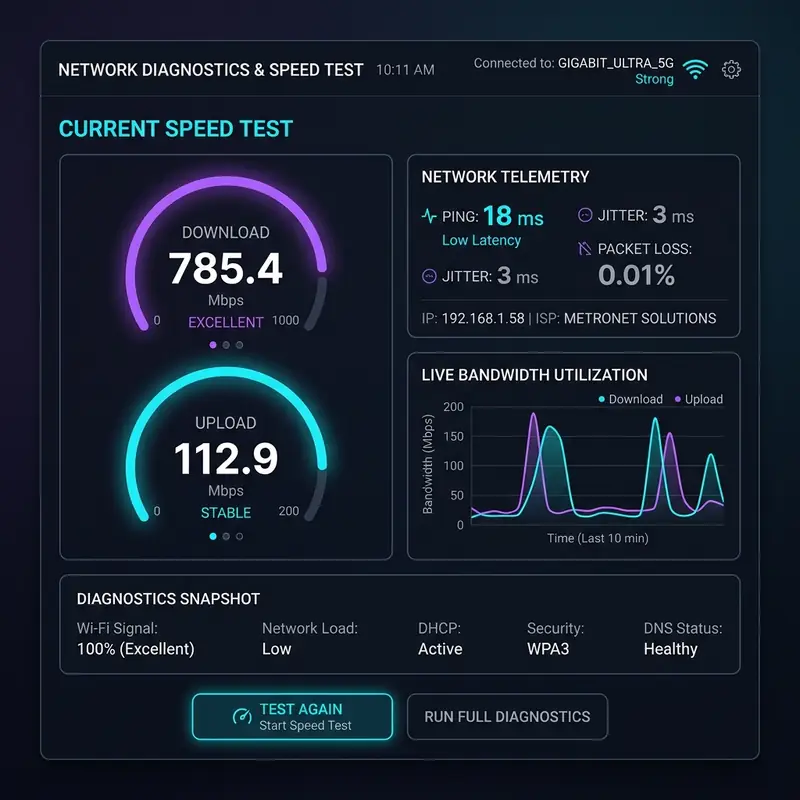
In addition to caching, understanding core networking metrics is vital for evaluating server performance. Time to First Byte (TTFB) latency is a key metric that reflects the responsiveness of a server. A high TTFB can indicate issues with server processing, network latency, or both.
Monitoring this metric can provide insights into potential bottlenecks, allowing administrators to identify and rectify underlying issues. Server load also plays a critical role in performance tuning. It's essential to monitor CPU and memory utilization to ensure that the server is not overloaded, which can lead to degraded performance or downtime.
Tools such as New Relic or Datadog can provide real-time analytics on server load and help determine if scaling up resources or optimizing code is necessary.
Bandwidth allocation is another important aspect of server performance tuning. Effective bandwidth management can prevent server overload during high traffic events and ensure that all users receive a seamless experience.
Implementing Quality of Service (QoS) policies can prioritize bandwidth allocation for critical services, ensuring they remain responsive even when overall traffic spikes. In scenarios where multiple applications or services are running on the same server, it’s important to configure bandwidth limits and prioritize essential traffic to prevent less critical operations from consuming vital resources.
This is particularly important in environments where server resources are shared across multiple applications.
Moreover, when configuring cache policies, consider the implications of cache expiration and invalidation. Setting appropriate TTL (Time to Live) values ensures that users are served fresh content without overburdening the server with requests for the same data.
However, overly aggressive caching can lead to stale data being served, which can be detrimental in dynamic environments where content changes frequently. Balancing these factors requires ongoing monitoring and adjustments to cache configurations based on user behavior and data access patterns.
Lastly, integrating performance testing tools into your server management routine can provide actionable insights into how well your optimizations are working. Tools like Apache JMeter and GTmetrix can simulate user traffic and measure the impact of your caching strategies and networking configurations. By regularly assessing performance metrics, you can iterate on your tuning efforts, ensuring that your server remains fast and reliable under varying loads.
Server-Side Cybersecurity Protocols: Configurations and Best Practices

Another important aspect of server security is the configuration of IP tables, which serve as a firewall to control incoming and outgoing traffic. By defining specific rules within IP tables, administrators can restrict access to the server based on IP addresses, protocols, and port numbers.
This granular control is essential for minimizing the attack surface of the server. For instance, allowing access only from known IP addresses for administrative interfaces can significantly reduce the risk of unauthorized access.
Additionally, regularly reviewing and updating these rules is vital, as it ensures that any changes in the network environment are appropriately reflected in the security configurations.
DDoS (Distributed Denial of Service) attacks pose significant threats to server availability, making the deployment of a robust DDoS firewall essential. These firewalls can detect and mitigate traffic spikes indicative of DDoS attacks, employing techniques such as rate limiting and traffic filtering.
Implementing a multi-layered defense strategy that includes both hardware and software solutions can enhance resilience against such attacks. Furthermore, it's critical to regularly update the DDoS protection measures in response to the evolving tactics used by cybercriminals.
Directory permissions also play a significant role in maintaining server security. Properly configuring permissions ensures that only authorized users have access to sensitive directories and files.
This can be achieved through the principle of least privilege, where users are granted the minimum level of access necessary to perform their tasks. Regular audits of directory permissions can help identify and rectify potential security vulnerabilities, such as overly permissive settings that could allow unauthorized access to critical files.
Finally, staying informed about emerging security threats and best practices is important for maintaining a secure server environment. Engaging in ongoing education and training for IT staff, as well as participating in cybersecurity forums and communities, can provide valuable insights into the latest security technologies and methodologies.
Regularly updating server software, including the operating system and application frameworks, also ensures that any known vulnerabilities are patched promptly, thereby fortifying the server against potential exploits.
Understanding Hosting Limitations: Comparing Shared Servers to Dedicated and Cloud Machines
When it comes to selecting the appropriate hosting solution for your web applications, understanding the limitations associated with different types of hosting environments is critical. Shared servers, while cost-effective, often come with significant constraints that can affect performance and security. In a shared hosting environment, multiple websites share the same server resources, which means that spikes in traffic for one site can lead to slowdowns or downtime for others. Additionally, security vulnerabilities in one shared account can potentially expose all accounts on that server, making it a less-than-ideal choice for applications that handle sensitive data or require high availability.In contrast, dedicated servers offer a more robust solution by providing exclusive access to all server resources. This isolation can significantly enhance performance, as there is no contention for bandwidth, CPU, or memory with other users.
Furthermore, dedicated servers allow for greater customization in terms of software configurations and security measures. However, they come at a higher cost and require a more in-depth technical knowledge to manage effectively.
Organizations must weigh the benefits of improved performance and security against the increased complexity and financial implications of maintaining a dedicated server environment.
Cloud hosting represents a hybrid approach, combining aspects of both shared and dedicated hosting. With cloud solutions, resources can be scaled up or down based on demand, providing flexibility that is particularly beneficial for applications with variable traffic levels.
However, cloud hosting can also introduce complexities related to data integrity and latency, particularly when resources are distributed across multiple geographic locations. Understanding the underlying infrastructure of the cloud provider is essential for ensuring that performance meets expectations.
Furthermore, DNS propagation errors can complicate the hosting landscape, especially when transitioning between hosting providers or making changes to DNS records. When DNS changes are made, they do not propagate instantaneously across the internet, and this can lead to users experiencing downtime or connecting to the wrong server. It's advisable to plan DNS migrations carefully and utilize tools to monitor propagation status to mitigate these issues.
Database optimization is another critical factor that can impact the performance of both shared and dedicated hosting environments. Inefficient database queries can lead to slow response times, which are often exacerbated in a shared server context. Careful indexing, query optimization, and periodic database maintenance can help alleviate these concerns, but these practices require ongoing attention and technical know-how.
Lastly, understanding the Service Level Agreement (SLA) offered by your hosting provider is vital. SLAs outline the expected uptime, support response times, and overall service quality.
A strong SLA is indicative of a provider's commitment to maintaining high availability and performance standards. Organizations should carefully review SLAs to ensure they align with their operational needs, particularly for applications where downtime can result in significant financial losses.
By comprehensively evaluating these factors, organizations can make informed decisions regarding their hosting environments, ultimately leading to improved performance and security.