In an increasingly interconnected world, maintaining a stable and efficient home or small office network is paramount. Wi-Fi routers, the central nervous system of our digital lives, occasionally require a reboot to resolve connectivity issues, refresh IP addresses, clear cache, or apply new configurations. While physically power cycling a router is straightforward when you're present, the challenge arises when you're away from home. This comprehensive guide from DomineTec delves into the technical intricacies and practical methodologies for securely rebooting and restarting your Wi-Fi router remotely, ensuring uninterrupted network performance even when you're miles away.
You can reboot your Wi-Fi router remotely via its web interface (secured with VPN), a cloud-managed platform, or by scheduling reboots through firmware/smart plugs.
1. Understanding the "Why": The Benefits of Remote Router Management
The act of rebooting a router, often referred to as a power cycle, is a fundamental troubleshooting step. It flushes the device's volatile memory (RAM), resets network connections, and allows the firmware to reload, often resolving a myriad of issues from slow speeds and intermittent disconnections to IP address conflicts and DNS resolution failures. When performed remotely, this capability offers significant advantages for network administrators, smart home enthusiasts, and anyone managing a remote location:
- Enhanced Reliability: Proactively address minor glitches before they escalate into major outages, maintaining consistent network uptime for IoT devices, security cameras, or remote work setups.
- Convenience and Accessibility: Eliminate the need for physical presence, saving time and travel, especially for networks in vacation homes, elderly relatives' residences, or branch offices.
- Security Updates and Configuration Management: Some router firmware updates or critical security patches require a reboot to take effect. Remote access facilitates timely application of these updates, bolstering network security against emerging threats.
- IP Address Renewal: For users with dynamic public IP addresses from their Internet Service Provider (ISP), a router reboot often forces a renewal, potentially assigning a new IP. This can be useful for bypassing certain geo-restrictions or refreshing network identity.
- Resource Management: Routers, like any computing device, can suffer from memory leaks or CPU overutilization over extended periods. A scheduled or on-demand remote reboot clears these accumulated states, restoring optimal performance and resource allocation.
The underlying mechanism involves sending a specific command to the router's operating system (embedded Linux or proprietary OS) that initiates a graceful shutdown and restart sequence. This differs from a hard power cycle (pulling the plug), which can sometimes lead to file system corruption if not handled properly. Remote reboot methods typically leverage software-initiated restarts, which are safer and more controlled.
2. Prerequisites for Remote Router Reboot: Establishing a Secure Connection
Before attempting any remote router management, fundamental network configurations and security considerations must be addressed. Without these foundational elements, remote access will either be impossible or dangerously insecure.
2.1. Static Public IP Address or Dynamic DNS (DDNS) Service
To access your home network from an external location, you need a consistent way to address it over the internet. ISPs typically assign dynamic public IP addresses that change periodically. This variability makes direct access challenging. Solutions include:
- Static Public IP: Your ISP can provide a fixed, unchanging public IP address for an additional fee. This is the most reliable method but often the most expensive.
- Dynamic DNS (DDNS) Service: A more common and cost-effective solution. DDNS services (e.g., DynDNS, No-IP, FreeDNS) map a human-readable hostname (e.g.,
myhomenetwork.ddns.net) to your dynamic public IP address. Your router, or a client running on your internal network, periodically updates the DDNS provider with your current public IP. Most modern routers have built-in DDNS client support. When you try to accessmyhomenetwork.ddns.net, the DDNS service resolves it to your current public IP, directing your connection to your router.
2.2. Router's Web Interface Access and Strong Credentials
All routers provide a web-based graphical user interface (GUI) for configuration, typically accessible via a local IP address like 192.168.1.1 or 192.168.0.1. For remote access, you must:
- Know Your Router's IP: This is the default gateway for your local network.
- Admin Credentials: Ensure you have the administrator username and a strong, unique password. Default credentials (e.g., admin/admin, admin/password) are a significant security vulnerability and must be changed immediately.
- Firmware Version: Keep your router's firmware updated to the latest version. Firmware updates often include critical security patches and performance enhancements.
2.3. Network Security Best Practices
Opening your router to remote access inherently introduces security risks. Mitigate these risks:
- Strong Passwords: Use complex, unique passwords for your router's admin interface, Wi-Fi network (WPA2/WPA3), and any VPN services.
- Disable UPnP (Universal Plug and Play): UPnP automatically forwards ports, which is convenient but a major security risk as it can open your network without explicit user consent. Disable it unless absolutely necessary.
- Firewall Rules: Configure your router's firewall to allow only necessary inbound connections (e.g., VPN ports) and restrict access to specific source IP addresses if possible.
- HTTPS for Web Interface: If your router supports HTTPS for its web interface, enable it to encrypt communication between your browser and the router, protecting your credentials from eavesdropping.
Failure to implement these prerequisites will either prevent remote access or expose your network to unauthorized intrusion, potentially leading to data breaches or network compromise.
3. Method 1: Utilizing the Router's Web Interface via VPN
The most secure and recommended method for accessing your router's web interface remotely is through a Virtual Private Network (VPN). A VPN creates an encrypted tunnel between your remote device and your home network, making it appear as if you are physically connected to the local network. This allows you to access your router's local IP address (e.g., 192.168.1.1) securely.
3.1. Setting Up a VPN Server on Your Router
Many modern routers, especially those from manufacturers like Netgear, Asus, TP-Link, and Ubiquiti, include built-in VPN server functionality. Common protocols supported are OpenVPN, IPsec, and sometimes WireGuard. The setup typically involves:
- Access Router's Web Interface: Log in to your router's administration page (e.g.,
192.168.1.1). - Navigate to VPN Server Settings: Look for a section labeled "VPN Server," "VPN," or "Advanced Settings" -> "VPN."
- Enable and Configure VPN Server:
- Protocol Selection: OpenVPN is generally recommended for its balance of security, performance, and cross-platform compatibility. IPsec is also robust but can be more complex to configure. WireGuard offers excellent performance and simplicity if supported.
- User Accounts: Create user accounts and passwords for VPN clients. Each remote device will use these credentials to connect.
- Certificates/Keys: For OpenVPN, you'll often need to generate certificates and keys. The router typically handles this, providing a configuration file (.ovpn) for clients.
- Port Forwarding (if necessary): Some routers automatically handle port forwarding for their VPN server. If not, you may need to manually forward the VPN server's port (e.g., UDP 1194 for OpenVPN, UDP 500/4500 for IPsec) from your public IP to the router's internal IP. This is crucial for external devices to initiate the VPN connection.
client.ovpn for OpenVPN). This file contains all the necessary settings for your remote device to connect.3.2. Connecting to the VPN from a Remote Device
Once your router is configured as a VPN server:
- Install VPN Client Software: On your remote device (laptop, smartphone), install a compatible VPN client. For OpenVPN, the official OpenVPN Connect client is widely used. For IPsec, built-in OS clients often suffice.
- Import Configuration: Import the client configuration file (.ovpn) downloaded from your router into the VPN client.
- Connect: Enter your VPN username and password when prompted. Once connected, your remote device will obtain an IP address from your home network's subnet.
3.3. Accessing and Rebooting the Router
With the VPN connection established:
- Open a Web Browser: On your remote device, open any web browser.
- Enter Router's Local IP: Type your router's local IP address (e.g.,
192.168.1.1) into the address bar. Since you are now virtually on your home network via VPN, this address will be accessible. - Log In: Enter your router's administrator username and password.
- Initiate Reboot: Navigate to the "Administration," "System Tools," "System," or "Maintenance" section. Look for an option like "Reboot," "Restart," or "Power Cycle." Confirm the action. The router will then perform a controlled restart. Your VPN connection will drop during the reboot, and you'll need to reconnect once the router is back online.
This method provides a robust security posture, encrypting all traffic between your remote device and home network, and effectively extending your local network securely over the internet.
4. Method 2: Cloud-Managed Router Platforms and Apps
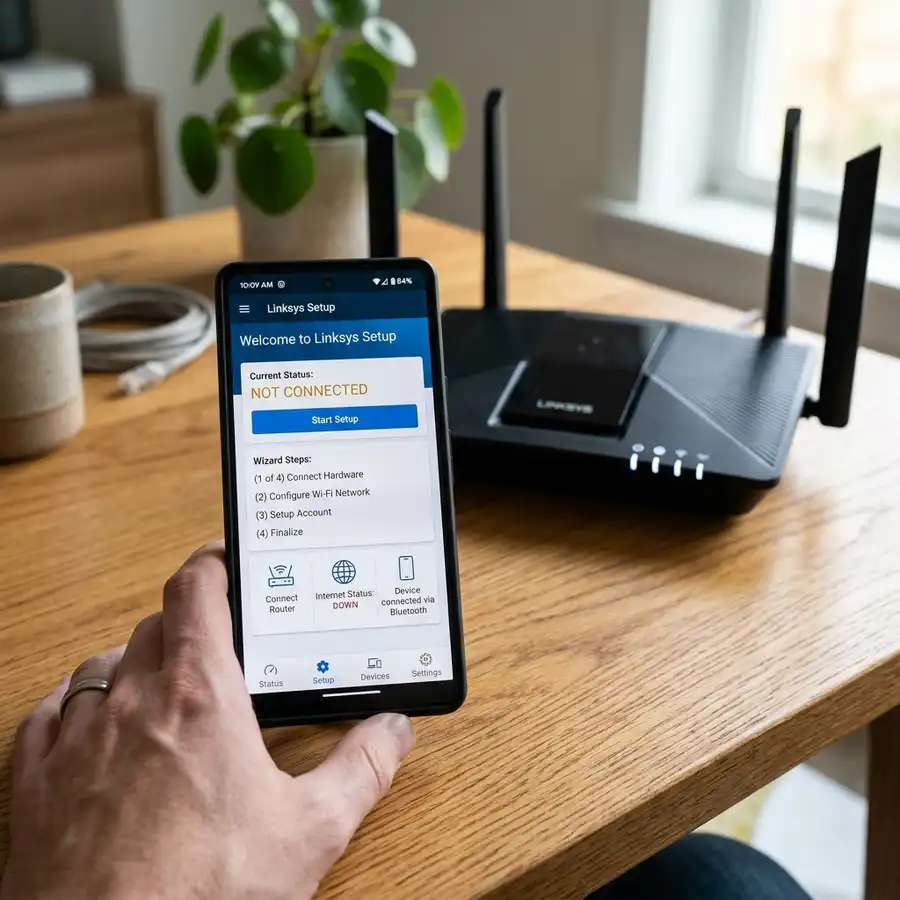
A growing number of router manufacturers offer cloud-based management platforms or dedicated mobile applications that provide remote control capabilities, including reboot functionality, without requiring a complex VPN setup. These platforms abstract away much of the underlying networking complexity.
4.1. Router Manufacturers with Cloud Management
Many popular brands integrate cloud services:
- TP-Link (Tether App/TP-Link Cloud): TP-Link's Tether app allows users to manage compatible routers and Deco mesh systems remotely. After binding your router to a TP-Link ID, you can access settings, including reboot, from anywhere with an internet connection.
- Netgear (Nighthawk App/Insight): Netgear offers the Nighthawk app for consumer routers and the Insight platform for business-grade devices. These provide remote configuration, monitoring, and reboot options.
- ASUS (ASUS Router App/AiCloud): ASUS routers often come with the ASUS Router app and support AiCloud, offering remote management features.
- Ubiquiti (UniFi Controller): For Ubiquiti's UniFi ecosystem, the UniFi Controller software (either self-hosted or cloud-key based) provides a powerful centralized interface for managing all UniFi devices, including access points and routers/gateways, from anywhere.
- Eero, Google Nest Wi-Fi, Plume: Mesh Wi-Fi systems are inherently designed for cloud management, with dedicated apps providing extensive remote control, including reboot options.
4.2. Setup Process
The general setup for cloud-managed routers involves:
- Create a Manufacturer Account: Sign up for an account with the router manufacturer (e.g., TP-Link ID, Netgear account).
- Bind Router to Account: Within your router's local web interface or the initial setup process, link your router to this cloud account. This typically involves entering your account credentials into the router's settings.
- Enable Remote Management: Ensure that the "Remote Management" or "Cloud Access" feature is enabled in your router's settings. This allows the router to communicate with the manufacturer's cloud servers.
- Install Mobile App: Download the corresponding mobile app (e.g., TP-Link Tether, Netgear Nighthawk) on your smartphone or tablet.
- Log In to App: Log into the app using your manufacturer account credentials. Your bound router(s) should appear.
4.3. Remote Reboot via Cloud Platform/App
Once set up, remotely rebooting is straightforward:
- Open the App/Platform: Launch the manufacturer's app or access their web-based cloud portal.
- Select Router: Choose the router you wish to manage from your list of devices.
- Find Reboot Option: Navigate to the "Settings," "Tools," or "Device Management" section. There will typically be a "Reboot" or "Restart" button.
- Confirm Action: Confirm the reboot prompt. The command is sent from the cloud server to your router, initiating the restart.
While convenient, this method relies on the manufacturer's cloud infrastructure and security. Ensure you use strong, unique passwords for your cloud accounts and keep the router's firmware updated to mitigate potential vulnerabilities in the cloud integration.
5. Method 3: Advanced Firmware and Scripting for Scheduled Reboots
For users who require more granular control, scheduled reboots, or wish to avoid manufacturer cloud reliance, custom firmware and scripting offer powerful alternatives. This method is generally for advanced users comfortable with command-line interfaces and firmware flashing.
5.1. Custom Firmware (DD-WRT, OpenWrt, Tomato)
Custom firmware like DD-WRT, OpenWrt, and Tomato replace the router's proprietary operating system with a Linux-based distribution, unlocking advanced features and greater control. These firmwares are supported on a wide range of router chipsets (e.g., Broadcom, Qualcomm Atheros, MediaTek, Realtek).
- Installation: Flashing custom firmware is a complex process and carries the risk of bricking your router if not done correctly. Always consult specific guides for your router model.
- SSH Access: Once installed, custom firmware typically enables SSH (Secure Shell) access. SSH allows you to securely execute commands directly on the router's underlying Linux operating system from a remote terminal.
- Scheduled Tasks (Cron Jobs): Within the custom firmware's web interface or via SSH, you can configure cron jobs. Cron is a time-based job scheduler in Unix-like operating systems. You can schedule a command to execute at specific intervals (e.g., once a week, every night).
5.2. Scripting a Remote Reboot via SSH
Assuming you have SSH access enabled on your router (either with stock firmware that supports it or custom firmware):
- Enable SSH Server: In your router's web interface, enable the SSH server. Change the default port (22) to a non-standard high port (e.g., 22222) for added security, and disable password authentication in favor of SSH keys if possible.
- Port Forwarding for SSH: If you're accessing from outside your network without a VPN, you'll need to forward the SSH port (e.g., 22222) from your public IP to your router's internal IP (e.g.,
192.168.1.1). This is a security risk if not properly secured with strong passwords or SSH keys and IP whitelisting. - Connect via SSH: From your remote machine, use an SSH client (e.g., PuTTY on Windows,
sshcommand on Linux/macOS):
ssh admin@your_router_ip -p 22222(replaceyour_router_ipwith your DDNS hostname or public IP, andadminwith your router's SSH username). - Execute Reboot Command: Once connected, execute the reboot command. Common commands include:
reboot/sbin/rebootshutdown -r now
5.3. Implementing Scheduled Reboots
To automate reboots, you can use cron jobs:
- Access Cron Configuration: Via SSH or the custom firmware's web interface, find the cron configuration. This is often accessed by editing the
crontabfile. - Add a Cron Entry: Add a line specifying the schedule and the reboot command. For example, to reboot every Sunday at 3:00 AM:
0 3 * * 0 /sbin/reboot
(Minute, Hour, Day of Month, Month, Day of Week, Command)
This method offers the highest degree of flexibility and automation but requires technical proficiency and careful security considerations, especially regarding open SSH ports.
For more detailed instructions on specific router configurations, you might find resources on how to change Wi-Fi password from phone useful, as the initial access methods are similar, or even how to turn an old router into a Wi-Fi repeater, which often involves custom firmware.
6. Method 4: Smart Plugs and Power Control for Physical Remote Reboot
While the previous methods involve software-initiated reboots, sometimes a hard power cycle is necessary or preferred. Smart plugs offer a simple, non-technical solution to remotely cut and restore power to your router, effectively performing a physical reboot.
6.1. How Smart Plugs Work
A smart plug is an electrical outlet that can be controlled remotely via Wi-Fi, Bluetooth, or other wireless protocols (e.g., Zigbee, Z-Wave). Most Wi-Fi smart plugs connect directly to your home Wi-Fi network and are managed through a dedicated mobile app or a smart home ecosystem (e.g., Amazon Alexa, Google Home, Apple HomeKit).
6.2. Setup and Configuration
- Purchase a Reliable Smart Plug: Choose a smart plug from a reputable brand (e.g., TP-Link Kasa, Meross, Wyze, Amazon Smart Plug). Ensure it's rated for the power draw of your router (typically very low, but good practice).
- Initial Setup: Plug the smart plug into a wall outlet. Follow the manufacturer's instructions to connect it to your home Wi-Fi network and pair it with its dedicated mobile app.
- Connect Router: Plug your Wi-Fi router's power adapter into the smart plug.
- Test Local Control: Use the smart plug's app to turn the plug on and off while you are home to ensure it correctly powers your router.
6.3. Remote Reboot via Smart Plug App
Once set up, remote rebooting is straightforward:
- Open Smart Plug App: Launch the smart plug's mobile app on your smartphone or tablet.
- Select Plug: Choose the smart plug connected to your router.
- Toggle Power: Turn the smart plug "Off" for about 10-15 seconds. This simulates unplugging the router.
- Turn Power Back On: Turn the smart plug "On." The router will begin its boot sequence.
- Wait for Network Restoration: Allow 2-5 minutes for the router to fully boot up and re-establish your Wi-Fi network and internet connection.
6.4. Limitations and Considerations
- Internet Dependency: The primary limitation is that if your router is completely offline (e.g., no internet connection at all), the smart plug itself might lose its connection to the internet and therefore to its cloud service. This would prevent remote control. Some smart plugs offer local control via Bluetooth or direct Wi-Fi if you are within range, but this defeats the "remote" aspect.
- Reliability: While generally reliable, smart plugs introduce another point of failure in your network.
- Security: Choose smart plugs from reputable brands that regularly update their firmware to patch security vulnerabilities.
- Power Cycling vs. Graceful Reboot: This method performs a hard power cycle, which, while effective, is not a graceful software shutdown. While generally safe for routers, repeated hard power cycles could theoretically increase wear on components or risk minor file system corruption (though this is rare for modern router OSes).
Despite these limitations, smart plugs offer a remarkably simple and effective way to remotely power cycle a router, especially for users who prefer a physical reboot or whose routers lack advanced remote management features.
7. Troubleshooting Common Issues and Best Practices
Remote router management, while powerful, can encounter various hurdles. Understanding common issues and adhering to best practices can save significant frustration.
7.1. Common Troubleshooting Scenarios
- Cannot Access Router's Web Interface (VPN Method):
- VPN Connection Failure: Double-check VPN client settings, server address (DDNS hostname), username, and password. Ensure the VPN server is enabled on the router and its port is correctly forwarded if manual forwarding is needed. Check firewall rules on both client and router.
- Incorrect Local IP: Verify you're using the correct local IP address for your router (e.g.,
192.168.1.1) *after* establishing the VPN connection. - IP Address Conflict: Ensure your VPN client doesn't get an IP address that conflicts with another device on your home network.
- Router Offline: If the router itself has lost internet connectivity, the cloud platform cannot reach it. In this case, a smart plug might be your only remote option.
- Incorrect Credentials: Verify your manufacturer cloud account username and password.
- Firmware Issues: Ensure router firmware is up-to-date. Cloud services often require specific firmware versions.
- Cloud Service Outage: Rarely, the manufacturer's cloud service itself might be experiencing an outage. Check their status pages.
- SSH Server Not Running: Ensure the SSH server is enabled on the router.
- Port Forwarding Incorrect: Verify the SSH port (e.g., 22222) is correctly forwarded from your public IP to your router's local IP.
- Firewall Blocking: Check router's firewall rules.
- Incorrect Credentials: Ensure correct username and password/SSH key.
- Router Lost Internet: If the router loses internet, the smart plug, relying on the router's Wi-Fi, will also lose internet connectivity to its cloud service. This is the "catch-22" of smart plugs for router reboots.
- Smart Plug Offline: Ensure the smart plug itself is powered and connected to Wi-Fi.
- App Issues: Try restarting the smart plug's app or reinstalling it.
7.2. Best Practices for Remote Management
| Feature/Method | Security Implications | Complexity | Reliability | Cost (Typical) |
|---|---|---|---|---|
| VPN Server on Router | High (Encrypted tunnel, strong auth) | Moderate (Setup VPN server, client config) | High (Direct network access) | Low (Router feature) |
| Cloud-Managed Platform | Medium (Relies on manufacturer's security) | Low (App-based, user-friendly) | Medium (Dependent on cloud service) | Low (Router feature/free app) |
| SSH (Custom Firmware) | High (SSH keys, strong passwords) | High (Firmware flash, command line) | High (Direct OS control) | Low (Open-source firmware) |
| Smart Plug | Low (Physical power cycle, app security) | Low (Plug & Play) | Medium (Dependent on router's Wi-Fi) | Low (One-time plug purchase) |
| Direct Remote Web Access (Port Forward) | Very Low (EXPOSED to internet, NOT RECOMMENDED) | Low (Simple port forward) | High (Direct access) | N/A (Router feature) |
- Prioritize Security: Always use strong, unique passwords for all network devices and services. Enable two-factor authentication (2FA) where available (e.g., for cloud accounts).
- Disable Unnecessary Services: Turn off UPnP, remote management (unless secured by VPN/ACLs), and any other services you don't actively use.
- Regular Firmware Updates: Keep your router's firmware updated. This is critical for security patches and performance improvements.
- Backup Configurations: Before making significant changes, especially with custom firmware, back up your router's configuration.
- Test Thoroughly: Before relying on remote access, test all methods while you are still physically near the router to ensure they function as expected.
- Consider a Redundant Solution: For critical networks, consider having a backup method (e.g., VPN + smart plug) in case one fails.
By understanding the underlying technologies and adhering to these best practices, you can confidently and securely manage your Wi-Fi router remotely, ensuring a robust and reliable network, no matter your physical location.
Frequently Asked Questions
How can I reboot my router remotely without a static IP address?
You can reboot your router remotely without a static IP address by utilizing a Dynamic DNS (DDNS) service. A DDNS service maps a fixed hostname (e.g., myhome.ddns.net) to your router's constantly changing public IP address. Your router (or a client on your network) updates the DDNS provider whenever your IP changes. You can then use this hostname to connect to your router's VPN server, cloud management platform, or SSH interface from any remote location, allowing you to initiate a reboot.
Is it safe to enable remote management on my router?
Directly enabling remote management on your router by simply forwarding port 80 or 443 to its web interface is generally considered unsafe due to exposure to potential internet threats. The safest approach is to use a VPN server configured on your router. This encrypts all traffic and makes it appear as if you are on your local network, providing a secure tunnel for accessing the router's interface. Cloud-managed platforms offer convenience but rely on the manufacturer's security, so strong passwords and updated firmware are crucial.
Can I schedule automatic reboots for my Wi-Fi router?
Yes, you can schedule automatic reboots for your Wi-Fi router, though the method depends on your router's capabilities. Many advanced routers with custom firmware like DD-WRT or OpenWrt allow you to configure cron jobs (scheduled tasks) to execute a reboot command at specific times (e.g., weekly at 3 AM). Some stock firmwares also offer a built-in "Scheduled Reboot" feature under their administration or system settings. Alternatively, a smart plug connected to your router can be programmed to power cycle at specific intervals via its dedicated app.
What if my router completely loses internet connectivity; can I still reboot it remotely?
If your router completely loses internet connectivity, software-based remote reboot methods (VPN, cloud platforms, SSH) will likely fail because the router cannot communicate with external services. In such a scenario, a smart plug is often the only viable remote option. As long as the smart plug itself maintains a connection to its cloud service (which may be independent of the router's internet connection if the smart plug uses its own Wi-Fi or cellular backup), you can remotely cut and restore power to the router, forcing a physical reboot.