
To migrate a WordPress site to a new host with zero downtime, careful planning and execution are essential. Migrating a WordPress site involves several technical steps, including copying files, transferring databases, and reconfiguring DNS settings. The goal is to ensure that your site remains online throughout the process, minimizing disruption to your users.
This guide will walk you through the necessary steps and considerations for a seamless migration, ensuring your site remains operational during and after the transfer.
Understanding Web Servers and Hosting
The backbone of any online presence is its web server, which stores and serves your website's files and makes them accessible via the internet. When considering how to migrate a WordPress site to a new host, it's important to grasp the technical aspects of web servers and hosting environments.
Web hosting can be classified into various types, including shared, VPS (Virtual Private Server), dedicated, and managed WordPress hosting. Each type has its advantages and disadvantages, depending on your website's specific needs, traffic volume, and budget.
In a shared hosting environment, multiple websites share the same server resources, which can lead to slower performance if one site experiences high traffic. On the other hand, VPS hosting offers a more dedicated allocation of resources, allowing for improved performance and stability.
Dedicated hosting provides the highest level of performance and control but comes at a significantly higher cost. Managed WordPress hosting, specifically tailored for WordPress sites, includes services such as automatic updates, enhanced security, and specialized support, making it an attractive option for users who prefer to avoid the technical complexities of server management.
Migrating your site also involves understanding the role of databases in WordPress. WordPress uses MySQL databases to store all your site's content, settings, and user data.
During migration, it becomes critical to ensure that the database is migrated correctly to maintain your site's functionality and integrity. This includes not just the files that make up your theme and plugins but also the underlying database that powers your content.
Understanding these technical concepts will help you navigate the migration process more effectively, ensuring that you can maintain a seamless experience for your users.
Step-by-Step Practical Guide to Migrating Your WordPress Site
When it comes to the actual process of migrating your WordPress site to a new host, following a structured approach is essential to avoid complications. The first step is to choose your new hosting provider and set up your new hosting account.
Ensure that the new server environment is compatible with WordPress and offers sufficient resources for your site’s traffic. Once the hosting is established, you can begin the manual WordPress server migration.
Before starting, take a complete backup of your existing site. This includes both the WordPress files and the MySQL database. You can use tools like phpMyAdmin to export your database. Open phpMyAdmin, select your database, and click on the "Export" tab. Choose the "Quick" method and the format as "SQL" for a straightforward backup. Save this file securely, as you will need it later.
Next, you will need to copy your WordPress files from the current host to the new one. Use an FTP client such as FileZilla to connect to your existing server.
Download all files from the root directory, including the wp-content folder, wp-config.php file, and all other WordPress core files. After the download completes, connect to your new hosting account using the FTP client and upload the files to the public_html or appropriate directory on the new server.
After transferring the files, the next step involves importing your database to the new server. Access the new server's phpMyAdmin interface, create a new database, and then import the SQL file you exported earlier.
Ensure that you also create a user for this database and grant it all privileges. Update your wp-config.php file to reflect the new database credentials, including the database name, username, and password.
This is a important step, as incorrect database settings will lead to errors when trying to access your site.
Once you've completed these steps, you should test your site using a temporary URL provided by your new host or by editing your local hosts file to point your domain to the new server's IP address. This allows you to verify that everything is functioning correctly before making the final switch.
Pay close attention to media files, plugins, and any custom configurations you may have set up; ensure they all work as expected.

Once you confirm that the site functions seamlessly on the new host, the next step is to update your DNS settings. This process involves changing the DNS pointers to direct traffic from your old hosting provider to your new server.
Log in to your domain registrar's control panel and locate the DNS management settings. Update the A record to point to the new server's IP address.
DNS changes can take anywhere from a few minutes to 48 hours to propagate, so your site may still temporarily point to the old host until the updates are fully applied.
While waiting for the DNS to propagate, it is advisable to keep both the old and new hosting environments operational. This ensures that if you encounter any issues, your site remains accessible on the original server until the migration is fully complete.
Monitor your traffic and performance closely during this period to identify any discrepancies or issues that may arise. Once you confirm that all traffic is being directed to the new host and everything functions correctly, you can safely cancel your old hosting account.
Comparative Table of Hosting Options
To assist you in choosing the right hosting plan for your WordPress migration, below is a structured comparative table detailing various hosting options, their features, and benchmarks. This will help you assess the best fit for your website's needs, factoring in performance, cost, and support.
| Hosting Type | Performance | Cost | Support | Ideal For |
|---|---|---|---|---|
| Shared Hosting | Low to Moderate | Low ($3 - $10/month) | Basic Support | Small Blogs, Personal Sites |
| VPS Hosting | Moderate to High | Moderate ($20 - $100/month) | Standard Support | Growing Sites, Small Businesses |
| Dedicated Hosting | Very High | High ($80 - $500/month) | Premium Support | Large Enterprises, High Traffic Sites |
| Managed WordPress Hosting | High | Moderate to High ($20 - $300/month) | Expert Support | WordPress Specific Sites, E-commerce |
This table provides a clear overview of the various hosting options available, highlighting their strengths and suitability for different types of users. When selecting a hosting plan, consider factors such as your website's traffic, technical requirements, and your budget. Each of these hosting types has unique features that can significantly impact your site's performance and user experience.

Additional Resources and Recommended Links
For those looking to deepen their understanding of WordPress hosting and management, several resources can be beneficial. Comprehensive guides on optimizing your WordPress configuration can be found in posts such as How to Setup and Configure Cloudflare on WordPress and How to Configure Automatic WordPress Backups from VPS.
These articles provide valuable insights into enhancing site performance, security, and backup strategies, all of which are important elements of effective WordPress management.
Furthermore, consider exploring forums and online communities where fellow WordPress users share their experiences and troubleshooting tips. Engaging with these communities can offer practical advice, especially when facing challenges during your migration process. Whether you are a seasoned developer or a beginner, the wealth of information available can be instrumental in ensuring a smooth transition to your new hosting environment.
Advanced Server Performance Tuning, Cache Policies, and Core Networking Metrics
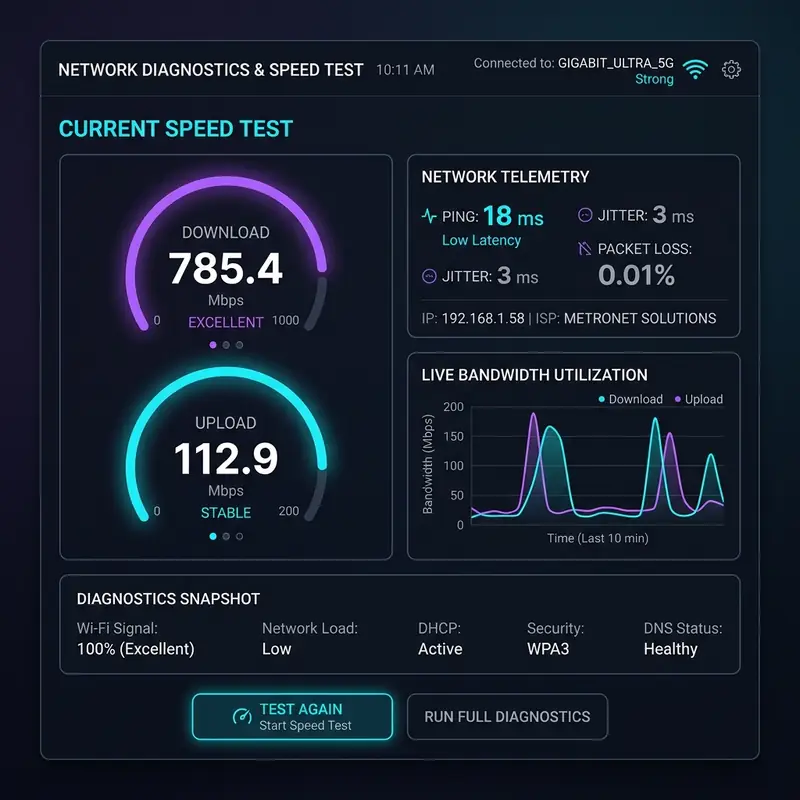
When migrating a WordPress site to a new host, understanding advanced server performance tuning is paramount for ensuring a seamless transition without downtime. Performance tuning involves optimizing server configurations to achieve the best possible response times and resource utilization. Key metrics to monitor include Time to First Byte (TTFB) latency, which is an indication of how quickly a server begins to send data after a request is made. A low TTFB is critical for user experience and can be improved by optimizing server settings, utilizing a Content Delivery Network (CDN), and ensuring that resources are appropriately allocated based on traffic patterns.
Another area of focus is cache policies, which play a vital role in enhancing server efficiency. OPcache, Redis, and Memcached each serve different caching purposes that can significantly reduce load times. OPcache, built into PHP, caches the compiled bytecode of PHP scripts, reducing the overhead of parsing and executing scripts on every request. Redis and Memcached, on the other hand, are in-memory data structure stores that can cache database queries and objects, minimizing database load and speeding up data retrieval processes. Implementing these caching mechanisms will lead to reduced server response times, a lower load on the database, and ultimately a more responsive website.
In addition to caching, monitoring server load and bandwidth allocation is critical for performance tuning. Server load refers to the amount of computational work that a server is currently handling. High server loads can lead to increased response times and potential downtime, particularly during peak traffic periods. Properly configuring your server's resource allocation based on expected traffic and using tools like load balancers can help distribute workloads evenly across multiple servers, ensuring that no single server becomes a bottleneck. Bandwidth allocation should also be optimized to accommodate peak traffic without degrading performance or incurring additional costs.
Moreover, it's important to analyze core networking metrics that influence server and site performance. Metrics such as packet loss, latency, and bandwidth utilization can provide insights into network health and issues that may affect site performance. Tools such as traceroute and ping tests can help diagnose these issues and guide optimizations. For instance, if packet loss is observed, it may indicate problems with a routing path, necessitating a review of network configurations or even changing ISPs. Understanding these core metrics allows for proactive performance management, ensuring that your site remains fast and reliable post-migration.
Ultimately, advanced server performance tuning is a combination of various optimizations and monitoring techniques. By focusing on TTFB latency, implementing effective cache policies, managing server load and bandwidth, and analyzing networking metrics, you can create a robust environment for your WordPress site. This attention to detail not only enhances user experience but also ensures that your site can scale effectively as your traffic grows, making the migration process a success.
Implementing Robust Server-Side Cybersecurity Protocols for WordPress

As you migrate your WordPress site to a new host, integrating robust server-side cybersecurity protocols is a critical step in safeguarding your site from potential threats and vulnerabilities. One of the first considerations should be the implementation of SSL certificates. SSL (Secure Socket Layer) certificates encrypt data between a user's browser and your server, ensuring that sensitive information such as login credentials and payment details are secure during transmission. Ensure that your new hosting provider supports SSL and consider setting up HTTP Strict Transport Security (HSTS) to enforce secure connections.
In addition to SSL, configuring IP tables is essential for controlling incoming and outgoing traffic to your server. IP tables act as a firewall, allowing you to define rules that permit or deny traffic based on IP addresses and protocols. This is particularly important in blocking unwanted traffic and potential attacks. A well-configured IP table can prevent unauthorized access attempts and mitigate risks from common threats, such as DDoS attacks. Remember to regularly audit and update your firewall rules to adapt to new security threats.
Another layer of security comes from implementing a DDoS (Distributed Denial of Service) firewall. DDoS attacks can overwhelm your server with traffic, causing your site to slow down or become unresponsive. A dedicated DDoS protection service can help filter out malicious traffic before it reaches your server, ensuring that legitimate users can access your site without interruption. Many hosting providers offer built-in DDoS protection, but it may be necessary to supplement this with third-party solutions for comprehensive coverage.
Directory permissions are also a significant aspect of server-side security. By carefully configuring file and directory permissions, you can limit access to sensitive files and directories critical to your site's operation. For instance, ensuring that the wp-config.php file is not accessible from the web can prevent attackers from gaining access to your database credentials. Employing the principle of least privilege, where users and processes have only the permissions needed to perform their tasks, can greatly reduce the attack surface of your server.
In conclusion, implementing strong server-side cybersecurity protocols is non-negotiable when migrating your WordPress site. From SSL certificates and IP tables to DDoS firewalls and directory permissions, each layer of security contributes to a more resilient and secure hosting environment. Prioritizing these measures not only protects your site during the migration process but also fortifies it against future threats, ensuring the integrity and confidentiality of your data.
Understanding Hosting Limitations and Potential Pitfalls in WordPress Migration
When selecting a hosting solution for your migrated WordPress site, it is important to understand the inherent limitations of different hosting environments, particularly when comparing shared servers to dedicated and cloud-based machines. Shared hosting plans, while cost-effective, often come with significant resource limitations, as multiple sites share the same server resources, which can lead to performance bottlenecks. Your site may experience slow load times, downtime during peak traffic events, and a lack of control over server configurations. In contrast, dedicated servers provide exclusive access to server resources, allowing for better performance, customization, and security, but they come at a higher price point.
Cloud hosting offers a middle ground, combining the scalability of cloud technologies with the performance benefits of dedicated resources. However, one must ensure that the cloud infrastructure is set up properly to avoid potential pitfalls. For instance, if not correctly configured, a cloud server can lead to unexpected costs due to over-provisioning of resources or unplanned scaling during traffic spikes. Understanding the pricing model of your cloud provider is essential to avoid surprises in your billing, particularly as your site grows and evolves.
DNS propagation errors are another critical consideration during the migration process. When you change your domain's DNS records to point to your new host, there can be a delay in the updates propagating across the internet. This can result in users being directed to the old site or experiencing intermittent access to the new site until the DNS changes fully propagate. Monitoring your DNS status and planning the migration during off-peak hours can help mitigate user disruption.
Database optimization traps can also hinder your site’s performance if not addressed during migration. As your site grows, databases can become bloated with unnecessary data, outdated backups, and unoptimized queries. Before migration, it's advisable to perform a thorough database cleanup, optimizing tables and removing any redundant data. Failing to do so can result in slow database performance on the new host, which may negate the benefits of the migration.
Finally, understanding the Service Level Agreement (SLA) of your new hosting provider is vital. An SLA outlines the expected uptime, support response times, and penalties for not meeting these standards. A hosting provider with a strong SLA can provide peace of mind, especially for business-critical sites where downtime translates into lost revenue. Be sure to clarify any ambiguities in the SLA before making the final decision, as this will help you set realistic expectations for hosting performance and reliability.