How to Install Free Let's Encrypt SSL Certificate on VPS via Certbot

Installing a Let's Encrypt SSL certificate on your VPS using Certbot is straightforward and essential for securing your web applications. As the world increasingly emphasizes online security, the need to protect your websites with SSL certificates has never been more important. Let's Encrypt, a free, automated, and open certificate authority, allows you to secure your website at no cost.
By utilizing Certbot, the recommended client for integrating Let’s Encrypt with web servers, you can simplify the process of obtaining and renewing SSL certificates. This blog post will guide you through the process of installing a Let's Encrypt SSL certificate on your Virtual Private Server (VPS) and ensure it is set up for automatic renewal.
Detailed Introduction to the Technical Concept of Web Servers and Hosting Related to the Theme
To begin with, it is essential to understand what a web server is and how it interacts with hosting services. A web server is a software or hardware system that hosts websites and serves web pages to users upon request. When a user enters a URL into their browser, the web server processes that request, retrieves the appropriate files, and delivers them to the client’s browser.
Web servers handle both static and dynamic content, making them a critical component of the internet. They utilize protocols such as HTTP and HTTPS to communicate and transfer data securely. In the case of HTTPS, SSL (Secure Sockets Layer) certificates are employed to encrypt data transferred between the server and client, ensuring privacy and integrity.
Hosting refers to the service that allows individuals and organizations to make their website accessible via the World Wide Web. VPS hosting, or Virtual Private Server hosting, is a popular option that provides dedicated resources on a physical server, allowing users to have more control compared to shared hosting.
With VPS, you can install your own software, configure security settings, and manage your server environment. This level of control is particularly advantageous for developers and businesses that require specific configurations and security measures, such as implementing SSL certificates.
Let's Encrypt has emerged as a major improvement in the realm of SSL certificates, providing free and automated solutions for website owners. This initiative aims to make encrypted connections the default standard for all web traffic, thereby enhancing overall internet security.
Certbot, an easy-to-use command-line tool, is designed to facilitate the process of obtaining and renewing Let's Encrypt certificates. By integrating with popular web server software, such as Apache and Nginx, Certbot streamlines the process of securing your server with SSL, making it accessible even for those with limited technical expertise.
Step-by-Step Practical Guide to Install Let's Encrypt SSL Certificate on VPS Using Certbot

Installing a Let's Encrypt SSL certificate on your VPS via Certbot involves several well-defined steps. This guide will walk you through the entire process, including troubleshooting common issues that may arise.
First, you will need to access your VPS through SSH. Open your terminal and connect to your server using the following command, replacing `username` and `your_server_ip` with your actual username and server IP address:
```
ssh username@your_server_ip
```
Once logged in, it's important to ensure that your system is up to date. Run the following commands to update your package index and upgrade your installed packages:
```
sudo apt update
sudo apt upgrade
```
Next, you will need to install Certbot. The installation method may vary depending on whether you are using Apache or Nginx as your web server. For Ubuntu users running Apache, you can install Certbot with the following command:
```
sudo apt install certbot python3-certbot-apache
```
For Nginx users, the command will be slightly different:
```
sudo apt install certbot python3-certbot-nginx
```
After Certbot is installed, you will need to obtain your SSL certificate. To do this, you can use the Certbot command tailored for your web server. For Apache, execute:
```
sudo certbot --apache
```
Or, for Nginx, use:
```
sudo certbot --nginx
```
During this process, Certbot will prompt you to enter your email address and agree to the terms of service. It will automatically detect your domain name and request a certificate on your behalf. If successful, Certbot will configure your web server to use the new certificate, and your site will be accessible via HTTPS.
The next important aspect of SSL certificate management is ensuring that your certificate renews automatically. Let's Encrypt certificates are valid for 90 days, but Certbot can set up automatic renewal. To do this, you can run a dry run of the renewal process to verify that everything is functioning correctly:
```
sudo certbot renew --dry-run
```
If you receive no errors, your automatic renewal is properly configured. Certbot sets up a cron job to handle the renewal process, ensuring that your certificate is always up to date without manual intervention.
Comparative Table of SSL Certificate Options
Before choosing a certificate solution, it is essential to evaluate the various options available. Below is a structured comparative table that outlines the different SSL certificate types, their features, and associated costs.
| SSL Certificate Type | Validation Level | Cost | Ideal For | Issuance Time |
|---|---|---|---|---|
| Let's Encrypt SSL | Domain Validation (DV) | Free | Personal blogs, small businesses | Instant |
| Domain Validated SSL | Domain Validation (DV) | $10 - $50/year | Small to medium websites | 1 - 3 Days |
| Organization Validated SSL | Organization Validation (OV) | $50 - $200/year | E-commerce, business sites | 1 - 5 Days |
| Extended Validation SSL | Extended Validation (EV) | $100 - $500/year | Financial institutions, large enterprises | 1 - 10 Days |
The table highlights the differences between various SSL certificates, including the level of validation, cost, ideal use cases, and issuance timeframes. For many users, Let’s Encrypt SSL is an excellent choice given its free cost and quick issuance time, making it highly accessible. However, businesses that require higher trust levels or additional features may consider paid options.

Additional Resources and Recommended Links
To further enhance your understanding of SSL certificates and server management, we recommend exploring various resources. Websites like the official Let's Encrypt documentation provide comprehensive guides on troubleshooting and advanced configurations.
Additionally, if you're interested in learning how to set up your Linux Ubuntu VPS as a secure web server, you can read our guide on How to Setup Linux Ubuntu VPS as a Secure Web Server. For those facing security concerns, consider our post on How to Secure VPS Server Against DDoS Attacks, which offers insights into protecting your server infrastructure.
Advanced Server Performance Tuning, Cache Policies, and Core Networking Metrics
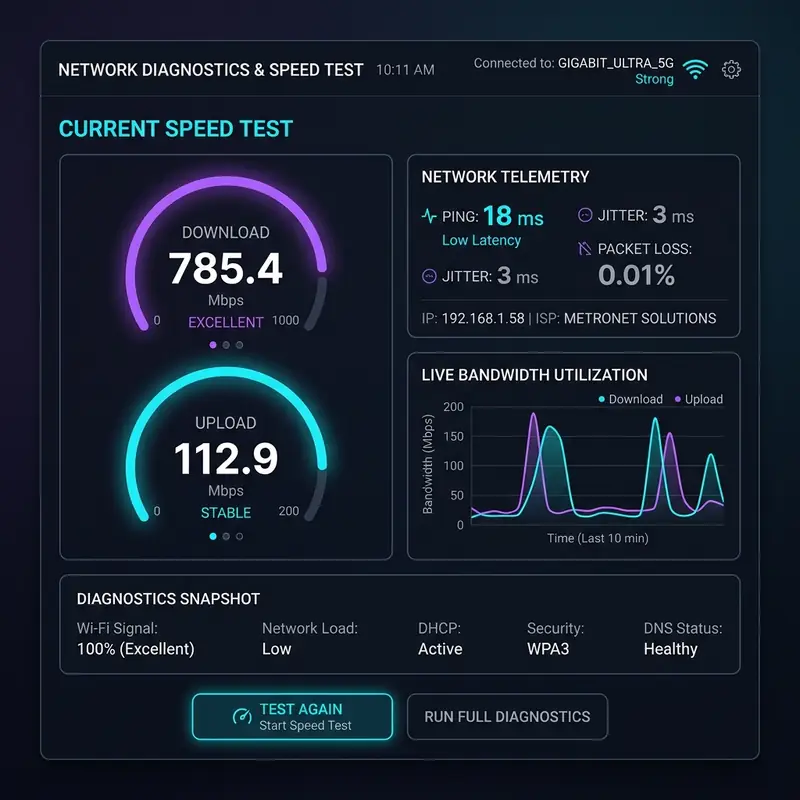
To address these concerns, implementing effective caching policies is essential. Technologies like OPcache for PHP applications can drastically reduce execution times by storing precompiled script bytecode in shared memory, thus eliminating the need for repeated parsing and compilation of PHP scripts upon every request.
Similarly, employing caching mechanisms such as Redis or Memcached can further improve performance by serving frequently accessed data directly from memory rather than querying the database each time. These in-memory data stores can significantly cut down on response times, leading to a more efficient interaction between the server and clients.
Bandwidth allocation is another critical component in the quest for enhanced performance. Analyzing your server's bandwidth usage can reveal patterns indicating whether your resources are being underutilized or overextended. It is essential to monitor bandwidth allocation to prevent bottlenecks, especially during peak traffic periods. Tools such as network monitoring software can help visualize data flow and identify any resource-hogging processes or misconfigurations that may hinder performance.
Moreover, understanding server load is vital for proactive performance management. The server load metric indicates the number of processes that are actively competing for CPU time.
Regular monitoring of load averages can help identify trends, providing insights into periods of high demand and allowing for strategic resource scaling. This is particularly important for VPS environments where resource limitations can directly impact performance, making it necessary to fine-tune server settings or consider vertical scaling to handle increased loads.
Finally, beyond caching and resource allocation, leveraging Content Delivery Networks (CDNs) can enhance performance metrics significantly. CDNs reduce latency by caching content in various geographic locations, ensuring users access data from the nearest server. This not only speeds up TTFB but also alleviates bandwidth strain on the origin server, allowing for a more scalable and efficient hosting environment.
Server-Side Cybersecurity Protocols: Configurations and Best Practices

Beyond SSL configuration, establishing proper firewall rules through IP tables is important for controlling the flow of data to and from your server. IP tables allow you to specify which traffic is permitted and which should be blocked, offering a powerful tool for mitigating risks associated with unauthorized access.
By implementing strict rules that limit access to essential services only, you can significantly reduce the attack surface of your server. Regularly auditing these rules and adjusting them based on evolving threats can help maintain a strong security stance.
DDoS attacks represent one of the most significant threats to server availability, making the deployment of a dedicated DDoS firewall a wise investment. These firewalls are designed to detect and mitigate large volumes of malicious traffic aimed at overwhelming your server.
By employing rate limiting and traffic analysis features, DDoS firewalls can effectively distinguish between legitimate user requests and attack traffic, ensuring your server remains online during an assault. Furthermore, integrating these firewalls with your existing security protocols can create a multi-layered defense strategy that enhances your overall resilience.
Directory permissions also play a significant role in server-side security. Ensuring that appropriate permissions are established for files and directories can prevent unauthorized access to sensitive information. A principle of least privilege should guide your permissions strategy, restricting access to only those users and services that absolutely require it. Regularly reviewing these permissions and performing security audits can help identify potential vulnerabilities before they are exploited by malicious actors.
Lastly, the implementation of robust monitoring solutions is critical for proactive cybersecurity management. Tools that provide real-time alerts for unauthorized access attempts, unusual traffic patterns, or configuration changes can be invaluable. By staying informed about potential threats and responding swiftly, you can significantly enhance your server's security posture and protect your data from compromise.
Understanding Hosting Limitations: A Comparative Analysis of Shared, Dedicated, and Cloud Servers
When selecting a hosting environment, understanding the limitations associated with different types of servers is important for making an informed decision. Shared hosting, while cost-effective, often presents significant drawbacks, particularly in terms of performance and security. In a shared environment, multiple users rely on the same server resources, which can lead to performance degradation if one site experiences a spike in traffic. Additionally, the shared nature exposes all sites to potential vulnerabilities, as a breach in one can compromise others on the same server.Conversely, dedicated servers offer a more robust solution by allocating all server resources to a single user. This isolation not only improves performance—ensuring that high traffic does not impact your site—but also enhances security, as there are fewer vulnerabilities associated with shared environments.
However, dedicated servers come with higher costs and require a greater degree of technical knowledge to manage effectively. This option may be best suited for websites with consistent high traffic or those handling sensitive data that demand stringent security measures.
Cloud servers present a hybrid solution that combines the benefits of both shared and dedicated hosting. Scalability is one of the most significant advantages of cloud hosting; resources can be adjusted on-demand to accommodate varying traffic levels.
However, potential downsides include the complexity of managing cloud infrastructure and the risks associated with vendor lock-in. Understanding the specific needs of your website and evaluating the associated costs and management requirements is vital when considering cloud solutions.
DNS propagation errors can also complicate the transition between hosting environments. When you change your domain’s DNS settings, it can take time for these changes to propagate across the internet, leading to potential accessibility issues. Understanding the implications of DNS propagation and planning accordingly can help mitigate downtime during transitions, ensuring a seamless experience for users.
Lastly, Service Level Agreements (SLAs) should not be overlooked when evaluating hosting options. SLAs outline the expected performance and uptime guarantees provided by your hosting provider.
It is essential to scrutinize these agreements to ensure they align with your business needs, as a lack of clarity can lead to misunderstandings regarding service expectations. By comprehensively understanding hosting limitations, including performance, security, and SLA considerations, you can make an informed decision that aligns with your specific requirements and long-term goals.