How to Install Docker and Docker Compose on Ubuntu Linux VPS

Installing Docker and Docker Compose on an Ubuntu Linux VPS is a straightforward process that enhances container management. In recent years, Docker has revolutionized how developers deploy applications, allowing for quick and efficient management of application containers. By utilizing Docker on an Ubuntu Linux Virtual Private Server (VPS), you can create isolated environments for your applications, ensuring they run smoothly and efficiently while leveraging the power of virtualization.
This blog post will guide you through a comprehensive installation and setup process, enabling you to harness the full potential of Docker and Docker Compose.
Detailed Introduction to the Technical Concept of Web Servers and Hosting Related to the Theme
A web server is a specialized computer that stores, processes, and serves web pages to users over the Internet. It is a critical component of online services, essentially acting as a bridge between the client (the user’s device) and the server where the website's data is hosted.
When a user enters a URL into a browser, a request is sent to the web server, which responds by sending the requested web page back to the user. This process involves several technical aspects, including network protocols, database management, and server configurations, which are essential for maintaining robust and reliable web services.
Hosting refers to the service that allows individuals and organizations to make their websites accessible via the Internet. There are various types of hosting options available, ranging from shared hosting, where multiple sites share the same server resources, to dedicated hosting, where an entire server is allocated to a single user.
Cloud hosting, VPS hosting, and managed hosting are other popular alternatives that offer different levels of control and scalability. Understanding these concepts is important for anyone looking to deploy applications using Docker, as the underlying infrastructure will significantly impact performance and availability.
In the context of deploying Docker containers, the choice of hosting server is particularly important. Docker's containerization technology allows applications to run consistently across different environments, minimizing compatibility issues.
However, the performance of these containers can heavily depend on the underlying server architecture and configuration. Utilizing a robust VPS can provide the necessary resources, such as CPU, memory, and storage, to effectively run multiple containers, making it a popular choice among developers.
Furthermore, VPS hosting offers the flexibility to scale resources based on demand, which is essential for applications that experience variable traffic.
Step-by-Step Practical Guide for Installing Docker and Docker Compose on Ubuntu Linux VPS

To install Docker and Docker Compose on your Ubuntu Linux VPS, follow these detailed steps. First, you will need to ensure that your system is up to date. Open your terminal and execute the following commands to update your package index and upgrade existing packages:
```bash
sudo apt update
sudo apt upgrade
```
After updating, you will need to install a few prerequisite packages that allow apt to use packages over HTTPS. This can be accomplished by running the following command:
```bash
sudo apt install apt-transport-https ca-certificates curl software-properties-common
```
Next, you will need to add Docker's official GPG key to your system. This key is essential for verifying the authenticity of the Docker packages you will install. Execute the following command:
```bash
curl -fsSL https://download.docker.com/linux/ubuntu/gpg | sudo apt-key add -
```
Once the GPG key is added, you can add the Docker repository to your APT sources. This repository contains the latest Docker packages. Run the following command to do this:
```bash
sudo add-apt-repository "deb [arch=amd64] https://download.docker.com/linux/ubuntu $(lsb_release -cs) stable"
```
After adding the repository, update your package index again to include the Docker packages:
```bash
sudo apt update
```
Now you are ready to install Docker. Use the following command to install Docker CE (Community Edition):
```bash
sudo apt install docker-ce
```
Once the installation is complete, you can verify that Docker is running by executing:
```bash
sudo systemctl status docker
```
If Docker is active and running, the next step is to install Docker Compose. Docker Compose is a tool for defining and running multi-container Docker applications. It allows you to create a configuration file that specifies all the services your application needs. To install Docker Compose, run the following command to download the latest version:
```bash
sudo curl -L "https://github.com/docker/compose/releases/latest/download/docker-compose-$(uname -s)-$(uname -m)" -o /usr/local/bin/docker-compose
```
After downloading, you must set the permissions to make the binary executable:
```bash
sudo chmod +x /usr/local/bin/docker-compose
```
Finally, verify that Docker Compose is installed correctly by checking its version:
```bash
docker-compose --version
```
This command should display the installed version of Docker Compose, indicating a successful installation.
Comparative Table of Docker Installation Options
When considering the installation of Docker on an Ubuntu VPS, it's essential to evaluate various options and configurations that may suit your specific needs. The following table provides a comparative overview of different installation methods and their respective benefits and limitations.
| Installation Method | Ease of Use | Performance | Scalability | Cost |
|---|---|---|---|---|
| Docker CE Installation via APT | Very Easy | High | Flexible | Free |
| Docker Installation via Snap | Easy | Medium | Moderate | Free |
| Docker Installation via Script | Moderate | High | Flexible | Free |
| Docker on Cloud Providers (AWS, Azure) | Moderate | Very High | Very High | Variable |
This table summarizes the pros and cons of various Docker installation methods, helping you choose the right one based on your skill level, performance requirements, and budget. For instance, using Docker CE via APT is highly recommended for beginners due to its simplicity and robust performance. In contrast, installation on a cloud provider offers unmatched scalability and performance but may come with variable costs based on usage.

Additional Resources and Recommended Links
For those looking to delve deeper into Docker and its capabilities, there are numerous resources available online. The official Docker documentation provides an extensive source of information for both beginners and advanced users, detailing everything from installation to best practices for deploying applications. Additionally, platforms such as GitHub contain a wealth of community-contributed projects and repositories that can serve as valuable learning tools.
You may also find various tutorials and courses on platforms like Udemy and Coursera that can enhance your understanding of containerization and orchestration. If you are interested in more complex setups, consider exploring Kubernetes as a powerful orchestration tool for managing Docker containers at scale. For further reading, check out our other posts on how to manage your VPS effectively, including How to Setup Linux Ubuntu VPS as a Secure Web Server and How to Deploy and Run a Python API on a Cheap VPS which provide insights into optimizing your server environment for various applications.
Advanced Server Performance Tuning, Cache Policies, and Key Networking Metrics
Optimizing server performance is a multifaceted endeavor that requires a deep understanding of various elements affecting responsiveness and resource utilization. Server performance tuning begins with the configuration of caching mechanisms, such as OPcache, Redis, and Memcached, which can significantly reduce the load on the server by storing frequently accessed data in memory. OPcache, for example, caches the compiled bytecode of PHP scripts, minimizing the overhead of parsing and executing PHP scripts on each request. In contrast, Redis and Memcached serve as in-memory data stores that can be utilized to cache database queries or session data, thus accelerating application response times. Understanding the nuances of each caching solution and selecting the right one based on your server's workload is critical for optimizing performance.
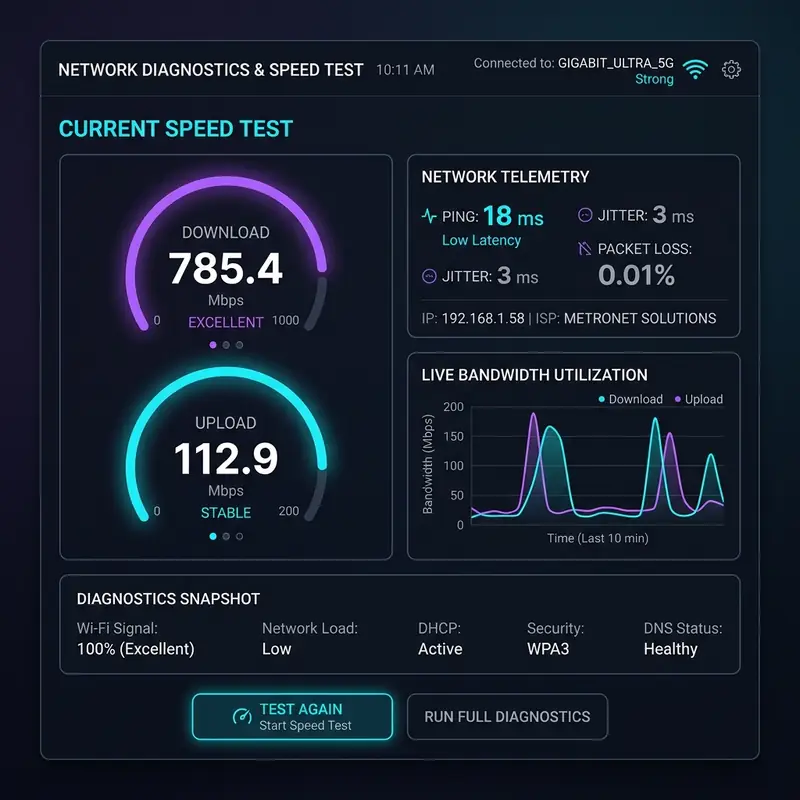
Another vital aspect of server performance is the management of core networking metrics, particularly Time to First Byte (TTFB) latency, server load, and bandwidth allocation. TTFB measures the time it takes for a browser to receive the first byte of data after making a request to the server. High TTFB values can indicate server inefficiencies or network issues that need to be addressed. Regularly monitoring TTFB across different geographical locations can provide insights into how your server performs under various conditions. Additionally, understanding server load—essentially the number of processes waiting to be executed—can help administrators identify when a server is under stress and make informed decisions about resource allocation or scaling.
Bandwidth allocation is equally important in maintaining optimal server performance. Properly managing bandwidth can prevent bottlenecks that could otherwise degrade performance during peak traffic times. Implementing Quality of Service (QoS) policies can help prioritize critical traffic, ensuring that essential services remain responsive even when the server is under heavy load. This can be especially beneficial for applications that require real-time data processing or those that serve a large number of concurrent users. As you tune performance, always remember to test changes in a controlled environment to avoid unintended disruptions.
Implementing advanced server performance tuning strategies also involves considering the underlying infrastructure. The choice between SSDs and traditional HDDs can dramatically affect read/write speeds, which are critical for database performance and overall application responsiveness. SSDs, while generally more expensive, offer significant speed advantages that can justify the investment, particularly for I/O-intensive applications. Using tools such as `htop` or `iostat` to monitor disk I/O can provide valuable insights into whether your storage solution is a limiting factor.
Finally, it's important to recognize that performance tuning is an ongoing process. As applications evolve and user demands shift, the server configuration may need to be adjusted accordingly. Regular performance audits and load testing are essential for identifying new bottlenecks and ensuring that the server infrastructure is capable of handling future growth. By adopting a proactive approach to performance tuning, you can ensure that your server environment remains efficient and responsive.
Server-Side Cybersecurity Protocols for Enhanced Protection

In today’s digital landscape, the importance of robust server-side cybersecurity protocols cannot be overstated. As vulnerabilities continue to proliferate, the implementation of SSL certificates is a fundamental step in protecting data transmitted between clients and servers. SSL (Secure Sockets Layer) not only encrypts data, preventing interception by malicious actors but also instills trust in users through the display of secure connection indicators in browsers. Properly configuring SSL certificates involves generating a Certificate Signing Request (CSR), purchasing an SSL certificate from a trusted Certificate Authority, and ensuring that the certificate is correctly installed and configured on the server.
Beyond SSL, securing the server itself through the use of IP tables is essential for creating a robust defense against unauthorized access. IP tables allow administrators to define rules that control the incoming and outgoing network traffic based on specified parameters. By implementing a default deny policy and only allowing traffic from trusted IPs or networks, the attack surface can be significantly reduced. Additionally, logging and monitoring these rules can help identify potential threats early, enabling a swift response to any suspicious activity.
To enhance server security further, deploying a DDoS (Distributed Denial of Service) firewall is a proactive measure that can shield your infrastructure from overwhelming traffic floods. DDoS attacks aim to render services unavailable by inundating the server with excessive requests. A dedicated DDoS mitigation service can analyze traffic patterns in real time, filtering out malicious requests while allowing legitimate traffic to pass through. This capability is critical in maintaining uptime and ensuring that services remain accessible to legitimate users.
Another critical area of server-side security is directory permissions. Properly configuring permissions for directories and files is fundamental in preventing unauthorized access and maintaining data integrity. Setting restrictive permissions can limit access to sensitive files and directories, ensuring that only authorized users or processes can interact with critical data. Regular audits of permissions can help to identify and rectify any misconfigurations that could be exploited by attackers.
As cybersecurity threats evolve, continuous education and awareness about the latest security practices are vital. Encouraging a culture of security within your organization, where every team member understands their role in maintaining security, can significantly reduce the risk of breaches. Incorporating regular training sessions and updates regarding emerging threats and best practices ensures that your team is well-equipped to handle potential vulnerabilities. By prioritizing these cybersecurity protocols, you can create a more secure server environment that protects both your data and your users.
Understanding Hosting Limitations and Their Impact on Performance
When it comes to deploying applications and services, understanding the limitations of different hosting types is important for ensuring optimal performance and reliability. Shared servers, for instance, can be an economical option for small projects or personal websites, but they often come with significant limitations. In a shared environment, multiple users share the same resources, which can lead to performance degradation during peak usage times. This resource contention can affect not only the speed of your application but also its overall reliability. It's essential to evaluate whether the benefits of cost savings outweigh the potential downsides of shared hosting when planning your infrastructure.
In contrast, dedicated servers and cloud machines offer greater control and performance, albeit at a higher cost. With dedicated servers, you have exclusive access to all of the machine's resources, allowing for optimal performance without interference from neighboring accounts. Cloud hosting solutions, on the other hand, provide scalability and flexibility, allowing resources to be adjusted on-the-fly based on demand. This is particularly beneficial for applications with variable workloads, as it enables businesses to pay only for what they use while maintaining high levels of performance.
DNS propagation errors can also pose challenges when transitioning to new hosting environments. When changing DNS records, it can take time for these changes to propagate across the internet, leading to temporary service disruptions. Understanding the concept of DNS TTL (Time to Live) is vital; setting a lower TTL can facilitate quicker propagation, but it may also increase the load on your DNS servers. Being aware of these intricacies can help mitigate issues during migrations or changes in hosting configurations.
Database optimization is another area often fraught with pitfalls that can impact overall server performance. Many administrators fall into the trap of neglecting to optimize their databases, leading to slow query response times and inefficient resource utilization. Techniques such as indexing, query optimization, and regular database maintenance can significantly enhance performance. Additionally, understanding the underlying database architecture and making informed decisions about data normalization versus denormalization can have lasting impacts on performance.
Finally, Service Level Agreements (SLAs) are an essential consideration when selecting a hosting provider. An SLA outlines the expected performance and reliability standards, including uptime guarantees and support response times. Understanding these agreements can help you set realistic expectations and hold your provider accountable in case of service disruptions. Evaluating the terms of an SLA in conjunction with your application's specific needs ensures that you choose a hosting solution that aligns with your operational requirements and business objectives.