How to Install CyberPanel on DigitalOcean VPS [Step-by-Step]
![How to Install CyberPanel on DigitalOcean VPS [Step-by-Step]](https://umoaupsqhrhivceztycp.supabase.co/storage/v1/object/public/media/posts/wifi-office.webp)
If you want to install CyberPanel on a DigitalOcean VPS, follow these detailed steps for a seamless experience. CyberPanel is a free and open-source hosting control panel that leverages OpenLiteSpeed, offering a user-friendly interface for managing web servers. With its ability to handle multiple websites, databases, and email accounts, CyberPanel is an excellent choice for developers and businesses alike.
Installing CyberPanel can seem daunting to many, especially for those who are new to server management or VPS hosting. Luckily, this guide will walk you through the entire process step-by-step, ensuring that you can set it up smoothly and efficiently.
The importance of choosing the right hosting control panel cannot be overstated, especially when managing multiple web applications. CyberPanel simplifies the tasks associated with running a server, allowing you to focus on developing and deploying your projects rather than dealing with complex server configurations.
By using DigitalOcean's reliable VPS infrastructure, you can expect high uptime, fast performance, and an excellent level of support. The combination of CyberPanel and DigitalOcean creates a powerful environment for web development and hosting.
Detailed Introduction to the Technical Concept of Web Servers and Hosting
Understanding web servers and hosting is essential for anyone looking to manage websites effectively. A web server is a software or hardware that stores, processes, and delivers web pages to users. When someone enters a URL in their browser, a request is sent to the web server that hosts that particular website.
The server then responds by sending the requested web pages back to the user's browser, enabling them to view the site. Hosting, on the other hand, refers to the service that allows individuals and organizations to make their website accessible over the Internet. This service is typically provided by companies that own data centers filled with physical servers, allowing them to store your website's files and deliver them to visitors.
With the evolution of web technologies, various types of hosting solutions have emerged, including shared hosting, VPS (Virtual Private Server) hosting, dedicated server hosting, and cloud hosting. Each option comes with its set of advantages and disadvantages.
Shared hosting is the most economical choice but can lead to performance issues due to the lack of dedicated resources. VPS hosting, like that offered by DigitalOcean, provides a middle ground by allocating dedicated resources while still being cost-effective.
This makes it an ideal choice for growing businesses or developers who need more control over their hosting environment.
CyberPanel stands out as a solution for managing web servers due to its user-friendly interface and robust feature set. It allows users to install and manage web applications, configure DNS settings, and set up email accounts without the need for extensive technical knowledge.
Additionally, it integrates seamlessly with OpenLiteSpeed, a high-performance, open-source web server that is known for its speed and efficiency. This combination makes CyberPanel a powerful tool for managing your server and hosting multiple websites efficiently.
Step-by-Step Practical Guide to Installing CyberPanel on DigitalOcean VPS

To install CyberPanel on your DigitalOcean VPS, you'll need to follow a series of detailed steps. Before you begin, ensure you have an active DigitalOcean account and create a new droplet.
Select Ubuntu 20.04 as the operating system, as CyberPanel is fully compatible with it. Choose a plan that meets your requirements—consider starting with the smallest plan if you're just testing or developing.
Once your droplet is created, you will receive an IP address that you will use to access your server.
1. **Accessing Your VPS**: The first step is to connect to your VPS via SSH. This can be done using a terminal on macOS or Linux, or through applications like PuTTY on Windows. Open your terminal and type in the following command, replacing "your_ip_address" with the actual IP address of your droplet:
```
ssh root@your_ip_address
```
Once prompted, enter your root password, which you set during the droplet creation process.
2. **Updating the System**: After successfully connecting to your VPS, it is advisable to update your system to ensure all packages are current. Run the following commands:
```
apt update && apt upgrade -y
```
This command will update the package lists and install any available upgrades. Keeping your system up to date is important for security and performance.
3. **Installing CyberPanel**: Now it's time to install CyberPanel. You can do this by executing the following command in your terminal:
```
bash <(curl -s https://cyberpanel.net/install.sh)
```
This command downloads and runs the installation script for CyberPanel. During the installation process, you will be prompted to select various options, such as the installation of OpenLiteSpeed and the email settings. Follow the prompts carefully, and take note of the default credentials provided at the end of the installation, as you will need them to log into the CyberPanel interface.
4. **Accessing CyberPanel**: Once the installation is complete, you can access CyberPanel through your web browser by navigating to `https://your_ip_address:8090`. Make sure to replace "your_ip_address" with the IP address of your VPS. You'll be presented with a login screen where you can enter the credentials provided during the installation. It is highly recommended to change the default password to something more secure after your first login.
5. **Post-Installation Configuration**: After logging in, you can start configuring your server. CyberPanel's interface allows you to set up websites, manage databases, and configure email services. Familiarize yourself with the dashboard and explore the various options available to you. If you encounter any issues during the configuration process, CyberPanel offers a robust documentation section that can assist you in resolving common problems.
6. **Securing Your Server**: To ensure the security of your new CyberPanel installation, consider implementing additional security measures. This includes setting up a firewall, disabling root SSH access, and utilizing SSH key authentication. These steps are critical to safeguarding your server against unauthorized access.
Comparative Table of Hosting Plans and Features
Before finalizing your decision on a hosting plan, it's important to compare the different options available to you. Below is a structured table that outlines the key features and benchmarks of various hosting plans, including those offered by DigitalOcean and other popular providers. This comparison will help you identify the best hosting solution for your needs.
| Hosting Provider | Plan Type | Monthly Price | RAM | Storage | Bandwidth | Free SSL | Support |
|---|---|---|---|---|---|---|---|
| DigitalOcean | Basic Droplet | $5 | 1 GB | 25 GB SSD | 1 TB | Yes | Community Support |
| Vultr | Cloud Compute | $5 | 1 GB | 25 GB SSD | 1 TB | Yes | 24/7 Support |
| Linode | Standard Plan | $5 | 1 GB | 25 GB SSD | 1 TB | Yes | 24/7 Support |
| A2 Hosting | Shared Hosting | $2.99 | 2 GB | SSD Storage Unlimited | Unlimited | Yes | 24/7 Support |
This table provides a comprehensive overview of various hosting plans and their respective features. It is essential to consider factors such as RAM, storage, and bandwidth when making your decision. Additionally, the level of customer support offered can significantly impact your experience, especially if you encounter issues during your hosting journey.

Additional Resources and Recommended Links
For further reading and to expand your knowledge, consider exploring the following resources and links. They will help you deepen your understanding of web hosting and server management.
You may find it beneficial to read about how to setup a VPS for WordPress manually, which can provide valuable insights into optimizing your server for specific applications. Additionally, if you are looking for budget-friendly options, check out our guide on cheap Node.js hosting servers.
These resources are tailored to help you make informed decisions about your hosting needs and ensure you get the most out of your CyberPanel installation.
Advanced Server Performance Tuning, Cache Policies, and Core Networking Metrics
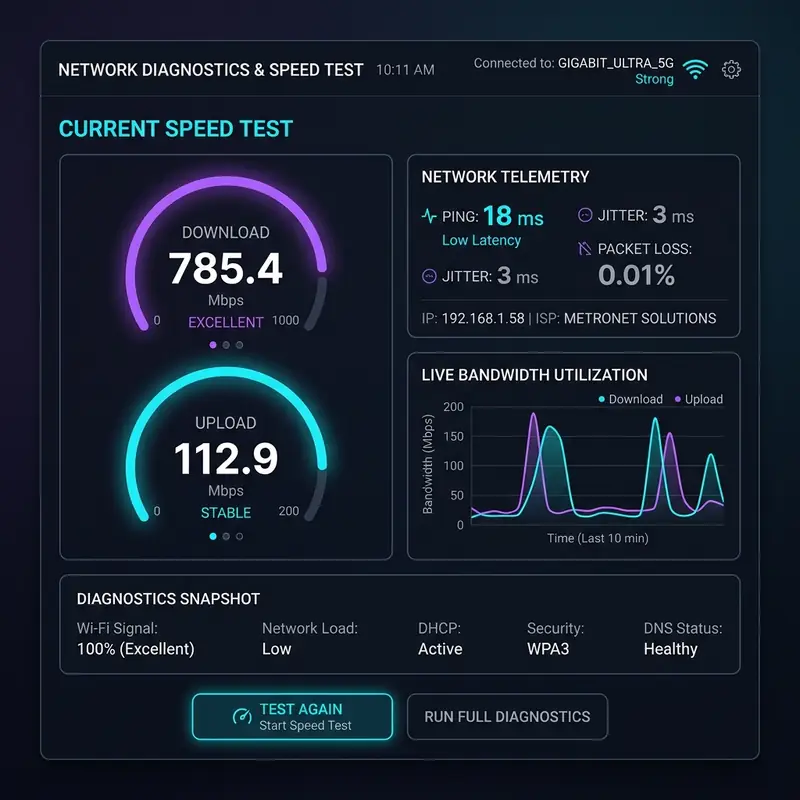
When managing a web server, understanding performance tuning is fundamental to ensuring optimal operation. Performance tuning involves the adjustment of various parameters to enhance server speed and responsiveness. One key area to focus on is the implementation of caching mechanisms, such as OPcache, Redis, and Memcached. OPcache is an opcode cache that reduces execution time by storing precompiled script bytecode in memory. This minimizes the need for PHP to load and parse scripts on each request, ultimately leading to a significant decrease in server load. Redis and Memcached serve as in-memory data structures that can further optimize applications by caching database query results, session data, and more, while offering quick access to frequently requested data.
In addition to caching, monitoring core networking metrics is equally important for performance tuning. Time to First Byte (TTFB) is a critical metric that measures the time taken for a user's browser to receive the first byte of data from the server after a request is made. Reducing TTFB can dramatically improve user experience, particularly for dynamic websites. Server load is another vital metric; it indicates the current state of server resource usage. Keeping an eye on server load can help administrators identify potential bottlenecks before they impact performance. Bandwidth allocation also plays a vital role; ensuring that adequate bandwidth is available can prevent slowdowns during peak traffic periods.
The configuration of server performance should also take into account network latency, which can be affected by various factors such as geographical location and server routing. Tools such as traceroute and ping can help diagnose latency issues and provide insight into the path data takes from the client to the server. By analyzing these metrics, server administrators can make informed decisions about network layout and hosting solutions that will facilitate faster content delivery. For example, utilizing a Content Delivery Network (CDN) can offload some of the traffic from the primary server while distributing content across multiple geographical locations, thereby reducing latency.
Another critical aspect of performance tuning is load balancing. Properly configured load balancers can distribute traffic evenly across multiple servers, preventing any single server from becoming a bottleneck. This not only enhances performance but also increases reliability and redundancy. Load balancers can be hardware-based or software-based, with the latter being more common in cloud environments. The choice of load balancer should be based on specific application requirements, including traffic patterns and the nature of the content being served.
Lastly, regular performance audits and tuning should be part of a maintenance routine. This involves assessing and adjusting configurations based on evolving usage patterns and application requirements. Utilizing monitoring tools that provide real-time analytics can be invaluable in this regard. By consistently analyzing performance data, server administrators can make proactive adjustments, ensuring that the web server operates at peak efficiency and delivers a seamless user experience.
Server-Side Cybersecurity Protocols and Best Practices for DigitalOcean VPS

In the realm of web hosting, cybersecurity cannot be an afterthought. Implementing robust server-side cybersecurity protocols is important for protecting sensitive data and maintaining the integrity of a DigitalOcean VPS. One of the first lines of defense is the configuration of SSL certificates. Secure Socket Layer (SSL) certificates encrypt data transmitted between the web server and clients, ensuring that information remains confidential. Properly configuring SSL certificates not only safeguards user data but also enhances SEO ranking, as search engines prioritize secure sites. Administrators should regularly update and renew SSL certificates to prevent potential vulnerabilities.
Another essential aspect of server-side security is the configuration of IP tables. IP tables serve as a firewall, controlling incoming and outgoing network traffic based on predetermined security rules. By configuring IP tables, server administrators can restrict access to specific IP addresses, block malicious requests, and prevent DDoS attacks. A well-structured IP table rule set can significantly mitigate risks associated with unauthorized access and network intrusions. It is recommended to routinely audit and update these rules to adapt to changing security threats.
DDoS (Distributed Denial of Service) attacks pose a severe threat to web servers, overwhelming them with traffic and rendering them unavailable to legitimate users. Implementing a DDoS firewall is a proactive measure to counteract such attacks. These firewalls can identify and filter out malicious traffic before it reaches the server. In addition to hardware firewalls, cloud-based DDoS protection services can provide an additional layer of security, especially for high-traffic websites. These services often include traffic analysis and mitigation strategies that can be activated automatically upon detecting unusual patterns.
Directory permissions also play a critical role in enhancing server security. Setting appropriate permissions on directories ensures that only authorized users can access specific files and folders. This minimizes the risk of unauthorized data exposure and potential exploitation. Administrators should regularly review and adjust directory permissions based on the principle of least privilege, granting only the necessary levels of access required for functionality. In conjunction with secure file permissions, implementing a regular schedule for software updates is vital. Keeping server software, plugins, and applications up to date is one of the most effective ways to protect against known vulnerabilities.
Finally, adopting a security-first mindset among all team members is imperative. Regular training on security best practices, incident response, and phishing awareness can empower employees to recognize and respond to potential threats. Incorporating a proactive cybersecurity culture can significantly enhance overall server protection, making it more challenging for attackers to succeed. By leveraging a combination of these protocols and practices, server administrators can create a fortified environment that is resilient against a wide array of cybersecurity threats.
Understanding Hosting Limitations and Their Impact on Performance and Security
Hosting limitations can significantly affect the performance and security of your web application. A common distinction in hosting environments is between shared servers and dedicated/cloud machines. Shared hosting involves multiple websites sharing the same server resources, which can lead to resource contention and performance degradation, especially during peak traffic times. On the other hand, dedicated and cloud machines offer isolated environments where resources are exclusively allocated to a single user or application. This separation not only enhances performance but also improves security, as compromised sites on shared servers can potentially impact others.
DNS propagation errors represent another critical issue that can arise in the hosting landscape. When changes are made to DNS settings, such as updating records or switching hosting providers, these changes can take time to propagate across the internet. During this period, some users may be directed to the old server, while others reach the new one. This can result in inconsistent user experiences and can complicate troubleshooting efforts. Understanding DNS propagation times and monitoring DNS performance can help mitigate these issues, ensuring that users consistently reach the intended server.
Database optimization traps are another concern for hosting environments. While optimizing databases is important for performance, improper optimization can lead to unexpected bottlenecks. For instance, overly aggressive indexing can result in increased write times, while neglecting to optimize queries can lead to long execution times that degrade user experience. It's vital to strike a balance in database optimization, continuously evaluating query performance, and employing techniques such as indexing and partitioning judiciously to ensure efficient data retrieval.
Service Level Agreements (SLAs) are another vital aspect to consider when evaluating hosting options. An SLA details the level of service a provider commits to, including uptime guarantees, support response times, and performance benchmarks. Understanding the terms of an SLA can help businesses align their expectations with the capabilities of their hosting provider. A strong SLA can serve as a safety net, ensuring that if performance dips below agreed-upon levels, there are repercussions for the provider, such as service credits or compensation.
Lastly, as businesses grow and evolve, they must be aware of the limitations of their hosting solutions. Scalability is a critical consideration; while shared hosting may suffice for small projects, as traffic increases, transitioning to a dedicated or cloud-based solution becomes necessary. Understanding the limitations of the current hosting environment and planning for future growth can help prevent performance bottlenecks and ensure that security measures can scale accordingly. Engaging in proactive monitoring and assessment will equip businesses to make informed decisions about their hosting needs, ultimately supporting sustained performance and security over time.