Hosting a MySQL database in the cloud for free is achievable through various platforms offering free tiers. For developers and businesses looking to store and manage data efficiently, utilizing a cloud server can be a major improvement. Cloud hosting provides numerous advantages over traditional hosting methods, including scalability, flexibility, and, in many cases, cost-effectiveness.
With the advent of numerous cloud service providers offering free tiers, it becomes easier than ever to set up a MySQL database without incurring costs. Such options are particularly attractive for startups, educational projects, and small businesses that might not yet be ready to invest in paid hosting solutions.
In this comprehensive guide, we will explore how to host a MySQL database in the cloud for free. We will cover the fundamental concepts of web servers and hosting, walk you through the step-by-step process of deploying a MySQL server using a free tier cloud service, and provide a comparative analysis of various hosting options available.
By the end of this article, you will be well-equipped to choose the best service for your needs and successfully deploy your database in a cloud environment.
Detailed Introduction to the Technical Concept of Web Servers and Hosting
Understanding the architecture of web servers and cloud hosting is important for anyone looking to deploy a MySQL database. A web server is a software or hardware device that stores, processes, and delivers web pages to clients.
It communicates through the Hypertext Transfer Protocol (HTTP) and is responsible for managing requests from users' browsers. When a user wishes to access a resource, their browser sends a request to the server, which processes the request and returns the desired content, be it an HTML page, image, or database information.
In cloud hosting, the traditional concept of hosting is transformed. Instead of relying on a single server, cloud hosting distributes resources across numerous servers in a cloud environment.
This model offers significant benefits, such as enhanced reliability, as the failure of one server does not compromise the overall system. Additionally, cloud hosting provides scalability, allowing users to easily adjust their resource allocation based on demand, making it an ideal choice for applications with fluctuating workloads.
For MySQL databases specifically, hosting in the cloud can facilitate easier management and access. Cloud providers often offer managed database services, which automate routine tasks such as backups, updates, and scaling.
This means that as a user, you can focus more on developing your application rather than worrying about the underlying infrastructure. Furthermore, with the availability of free tiers from major cloud providers, it is now entirely possible to set up a MySQL database without any financial commitment, allowing developers to experiment and innovate freely.
Step-by-Step Practical Guide to Deploying MySQL Server in the Cloud for Free
Deploying a MySQL database in the cloud can be an accessible task if you follow a structured approach. Here’s a complete guide to help you set up your free cloud MySQL database effectively.
Step 1: **Choosing a Cloud Provider**
First, you need to select a cloud provider that offers a free tier with MySQL database capabilities. Some popular options include Amazon Web Services (AWS), Google Cloud Platform (GCP), and Oracle Cloud. Each of these platforms provides an array of services, including virtual machines (VMs), managed database instances, and storage solutions. Make sure to read the fine print regarding the limits of the free tier, as these vary by provider.
Step 2: **Creating an Account and Setting Up Your Environment**
Once you have chosen a provider, the next step is to create an account. This usually involves providing an email address, setting up a password, and verifying your identity. After setting up your account, navigate to the dashboard.
Most cloud providers will have a straightforward interface where you can launch new resources. For instance, in AWS, you would go to the RDS (Relational Database Service) section to create a MySQL instance. Make sure to select the free tier option during the setup.

Step 3: **Configuring Your MySQL Database**
Configuring your MySQL database is a critical step. You will need to define parameters such as the instance type, storage size, and database name. More importantly, you should set up user access and permissions. It’s advisable to create a user specifically for your applications rather than using the root account for security reasons. Following the configuration, your provider will deploy your MySQL instance, which might take a few minutes.
Step 4: **Connecting to Your Database**
Once your MySQL database is up and running, you will need to connect to it. This typically involves using a MySQL client, such as MySQL Workbench, or connecting via command-line tools. Make sure to gather all connection details, including the hostname, port, username, and password. If you encounter connectivity issues, check your cloud provider's firewall settings to ensure that your IP address is allowed to access the database.
Step 5: **Testing Your Database**
After establishing a connection, it’s essential to test your database to ensure everything is functioning as expected. You can run some basic SQL queries to check if the database responds correctly. For instance, creating a simple table and inserting data can confirm that you have set up your database correctly. If any issues arise, consult the cloud provider's documentation or support resources for troubleshooting assistance.
Comparative Analysis of Free Cloud Hosting Options
When considering different cloud services for hosting a MySQL database, it is helpful to compare their offerings to make an informed decision. Below is a structured comparative table detailing the features of several popular cloud providers based on their free tier offerings.
| Provider | Free Tier Duration | Database Type | Storage Limit | Compute Resources | Additional Features |
|---|---|---|---|---|---|
| AWS | 12 Months | MySQL | 20 GB | 750 hours/month | Free backups, scaling options |
| Google Cloud | 12 Months | MySQL | 30 GB | 1 f1-micro instance | Free network egress, automatic backups |
| Oracle Cloud | Always Free | MySQL | 20 GB | 2 CPUs | Autonomous features, high availability |
This comparative table highlights key factors to consider when selecting a cloud provider for your MySQL database. Each option has its unique advantages and limitations, making it essential to choose one that aligns with your project requirements.
For instance, if you anticipate significant traffic and require robust performance, Oracle Cloud might be the best choice due to its always-free tier and built-in high availability features. Conversely, if your focus is on leveraging various cloud services along with your database, AWS or Google Cloud could provide a more integrated ecosystem.

Additional Resources and Recommended Links
For further exploration of cloud hosting and MySQL database management, consider checking out these resources. Online documentation from cloud providers such as AWS RDS Documentation, Google Cloud Documentation, and Oracle Cloud MySQL Documentation can be invaluable.
Additionally, tutorials and community forums such as Stack Overflow and DigitalOcean Community Tutorials are great platforms to find practical advice and troubleshoot common issues. For related topics, you may also find our posts interesting: How to Host a Website on AWS Free Tier and Oracle Cloud Free Tier Signup VPS.
Advanced Server Performance Tuning: Cache Policies and Core Networking Metrics
Caching mechanisms play a vital role in enhancing performance. Utilizing OPcache for PHP applications can dramatically improve page load times by storing precompiled script bytecode in shared memory, thus avoiding the overhead of parsing and compiling scripts on each request.
Additionally, incorporating in-memory data stores like Redis or Memcached can help cache frequently accessed data. This reduces the load on your MySQL server by minimizing the number of direct database queries.
Implementing a well-planned cache policy that determines what data should be cached and for how long can yield exceptional performance benefits.
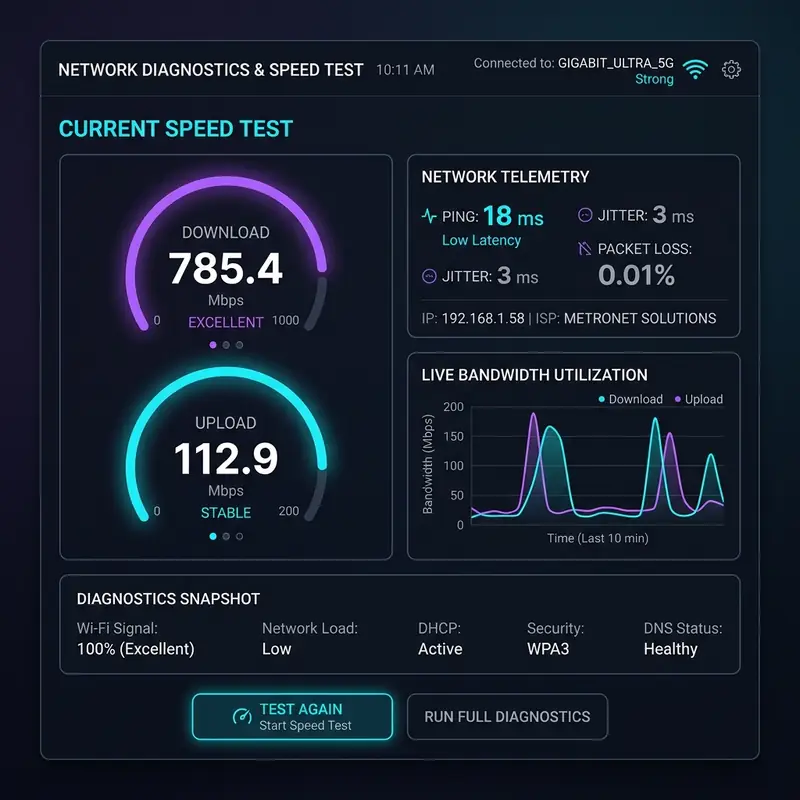
Networking metrics such as Time to First Byte (TTFB) latency, server load, and bandwidth allocation are important for assessing the efficiency of your cloud hosting environment. TTFB is a key indicator of server responsiveness and can be influenced by several factors, including DNS resolution times and network latency.
Monitoring server load is equally important; a consistently high load average might indicate that the server is being overburdened, necessitating scaling or further optimization. Bandwidth allocation should also be carefully managed, especially in a cloud environment where bandwidth usage can directly affect costs and performance.
Another important aspect of performance tuning involves the use of monitoring tools to analyze server performance metrics in real time. Tools such as New Relic, Datadog, or even native cloud provider dashboards can provide insights into query performance, connection counts, and resource utilization.
By regularly reviewing these metrics, you can identify bottlenecks and take proactive measures to address them before they escalate into more significant issues. Performance tuning is not a one-time task but rather an ongoing process that requires regular assessment and adjustment.
Lastly, consider the impact of your application's architecture on performance. A microservices architecture, for instance, might require different performance tuning strategies compared to a monolithic application. Understanding the flow of data and identifying which components are most critical can help you fine-tune those areas specifically, ensuring that your MySQL database remains responsive and efficient under various loads.
Implementing Robust Server-Side Cybersecurity Protocols for Cloud Databases

Another important aspect of server-side security is the use of IP tables to control access to your MySQL server. IP tables act as a firewall, allowing you to define rules that specify which IP addresses are permitted to connect to your database.
This granular control can significantly reduce the attack surface of your server. It's advisable to limit access to only known IP addresses or ranges, especially when dealing with sensitive data.
Coupled with a robust authentication mechanism, such as using strong, unique passwords for each MySQL user, IP tables can help fortify your server against unauthorized access.
DDoS (Distributed Denial of Service) attacks pose a significant threat to cloud-hosted databases. Implementing a DDoS firewall can safeguard your MySQL server from such attacks by filtering out malicious traffic before it reaches your server.
Many cloud providers offer built-in DDoS protection services that can automatically detect and mitigate these attacks. Additionally, configuring rate limiting on incoming requests can provide another layer of defense, ensuring that your server remains available even during attempted overloads.
Directory permissions are another critical component of securing your MySQL database. Careful management of directory and file permissions can prevent unauthorized users from accessing sensitive files and configurations.
It's essential to ensure that only necessary users have write access to key directories and that sensitive configurations, like your MySQL configuration file, are protected from unauthorized modifications. Regularly auditing permissions can help identify potential vulnerabilities and rectify them before they can be exploited.
Finally, it is vital to stay informed about the latest cybersecurity threats and best practices. Regularly updating your MySQL installation and any associated software is essential for ensuring that known vulnerabilities are patched. Additionally, consider employing intrusion detection systems that can alert you to suspicious activities, allowing for timely responses to potential breaches. A proactive approach to server-side cybersecurity can significantly enhance the resilience of your cloud-hosted MySQL database.
Understanding Hosting Limitations: Shared Servers Versus Dedicated Cloud Machines
When choosing a hosting environment for your MySQL database, understanding the limitations of shared servers compared to dedicated cloud machines is essential. Shared hosting environments can be appealing due to their low cost; however, they come with inherent drawbacks that can negatively impact performance and reliability. In shared hosting, multiple websites share the same server resources, which can lead to resource contention. High traffic from one site can slow down others, resulting in unpredictable performance. For a MySQL database that requires consistent availability and response times, this unpredictability can be detrimental.On the other hand, dedicated cloud machines offer significant advantages, including isolation and dedicated resources. With a dedicated cloud environment, your MySQL database can utilize the full capacity of the server without interference from other users.
This isolation not only enhances performance but also allows for more granular control over server configurations and optimizations. As your database grows and requires more resources, scaling up in a dedicated environment becomes more straightforward compared to shared hosting.
Another aspect to consider is DNS propagation errors, which can complicate database accessibility during migration or when changing hosting providers. When you update DNS records, it can take time for the changes to propagate across the internet, leading to instances where some users may reach the old server while others reach the new one.
This inconsistency can result in downtime or data inconsistency issues, particularly for a MySQL database that is actively being used. Understanding how DNS works and planning migrations during low-traffic periods can help mitigate these risks.
Database optimization traps are another concern when selecting a hosting environment. In shared environments, the ability to optimize MySQL configurations may be limited due to shared resources and restrictions imposed by the hosting provider. This limitation can hinder performance tuning efforts, leading to suboptimal database performance. In contrast, dedicated cloud machines provide the flexibility to implement advanced optimizations tailored to your specific workload, enabling better performance management and resource utilization.
Lastly, consider the Service Level Agreement (SLA) when choosing your hosting provider. An SLA outlines the level of service you can expect, including uptime guarantees and support response times.
Cloud providers often offer varying levels of SLAs, with dedicated environments typically providing higher uptime guarantees and more responsive support. Understanding the implications of an SLA is important, as inadequate service guarantees can expose your MySQL database to risks, particularly in production environments where downtime can lead to significant losses.
Evaluating these factors carefully will help you make informed decisions that align with your needs for hosting a MySQL database in the cloud.