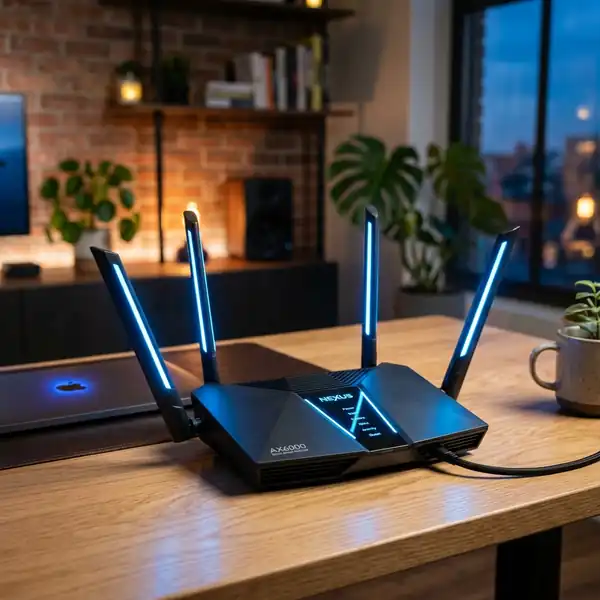
To bypass region locks on your LG Smart TV, change the service country in webOS and configure either a Smart DNS or a VPN router.
Why LG Locks Down Specific Streaming Applications Based on Your Country
DomineTec Tip: LG's webOS platform does not natively support VPN apps. For a quick configuration, use the Smart DNS method. Read our guide on how to use a VPN on LG Smart TV.
LG Smart TVs feature an advanced operating system, webOS, which allows for a premium viewing experience. However, LG implements geographical restrictions on certain streaming applications due to licensing agreements, content ownership, and regional laws. These restrictions aim to protect copyright and ensure content providers only deliver their services to authorized regions. Such limitations can become frustrating, especially when users seek access to specific apps or content unavailable in their current location.
When you attempt to access a restricted app, your LG Smart TV checks your IP address against its database of authorized regions. If your IP does not match an allowed location, the app will either fail to load or display a message indicating that the content is unavailable. This practice is commonplace across many smart devices and streaming services to enforce content distribution agreements and regional licensing.
By changing the service country settings on your LG Smart TV, you can potentially unlock these restricted applications. However, the process requires careful configuration of your device and network settings.

Step-by-Step: Changing the LG Service Country Setting in webOS Menus
| Step | Menu Path | Action Required |
|---|---|---|
| 1. Change Country | General > Location > LG Service Country | Choose target country (e.g., United States) |
| 2. Configure DNS | Network > Wi-Fi Connection > Edit | Disable automatic DNS and type the Smart DNS IP |
Changing the service country on your LG Smart TV involves accessing the settings menu and modifying the country settings. Follow these detailed steps:
Step 1: Access the Settings Menu
Turn on your LG Smart TV and press the Settings button on your remote control. You can typically find this button on the left side of the remote, represented by a gear icon.
Step 2: Navigate to All Settings
Once in the quick settings menu, scroll down and select All Settings at the bottom of the menu.
Step 3: Open General Settings
In the All Settings menu, find and select General. This section contains various options related to your TV's core functionality.
Step 4: Select Location
Inside the General settings, look for the Location option. This is where you can adjust the country settings for your LG Smart TV.
Step 5: Change the Service Country
Within the Location menu, you will see the current service country setting. Select this option and choose a new country from the list. Make sure to select a country where the desired apps are available. For example, if you want access to apps exclusively available in the USA, select United States.
Step 6: Restart Your TV
After changing the service country, you will need to restart your LG Smart TV for the changes to take effect. This can usually be done by navigating back to the main settings and selecting Restart or simply turning the device off and on again.
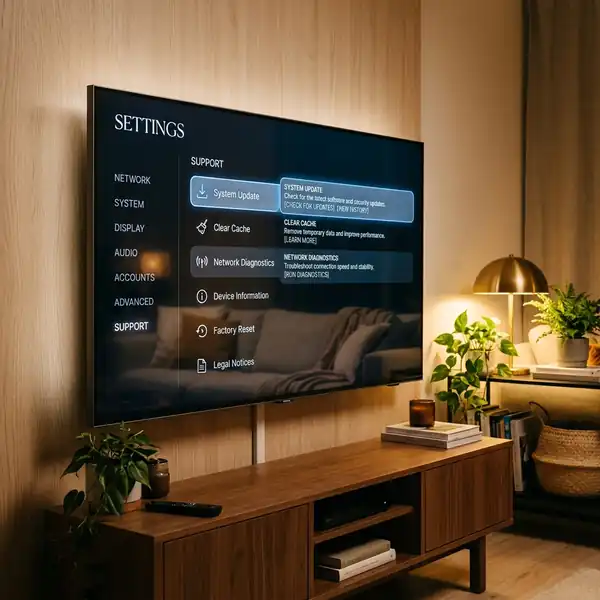
Method 1: Setting Up Smart DNS on LG TV to Bypass Region Locks
Smart DNS is a popular method for bypassing geo-restrictions without the overhead of a VPN connection. It works by directing your DNS queries through a proxy server, thereby masking your actual location while maintaining optimal internet speeds. Here’s how to configure Smart DNS on your LG Smart TV:
Step 1: Choose a Smart DNS Service
Before you begin, choose a reputable Smart DNS provider. Some well-known services include Unlocator, SmartDNSProxy, and OverPlay. Ensure the service you choose supports the applications you wish to access on your LG Smart TV.
Step 2: Obtain Smart DNS Settings
Sign up for the chosen Smart DNS service and follow their setup instructions. You will typically be provided with DNS server addresses that you will need to enter into your LG Smart TV settings.
Step 3: Access the Network Settings
On your LG Smart TV, press the Settings button on your remote, go to All Settings, and navigate to the Network section.
Step 4: Open Network Connection
Select Network Connection and choose your current network connection type (either Wired or Wireless).
Step 5: Set Up DNS
In the network settings menu, look for the IP Settings option. Change the DNS settings from Automatic to Manual. Enter the primary and secondary DNS addresses provided by your Smart DNS service.
Step 6: Save and Restart
Once you have entered the new DNS settings, save your changes. Restart your LG Smart TV to ensure the new settings take effect. After rebooting, try accessing the previously restricted applications to confirm that the Smart DNS is working correctly.
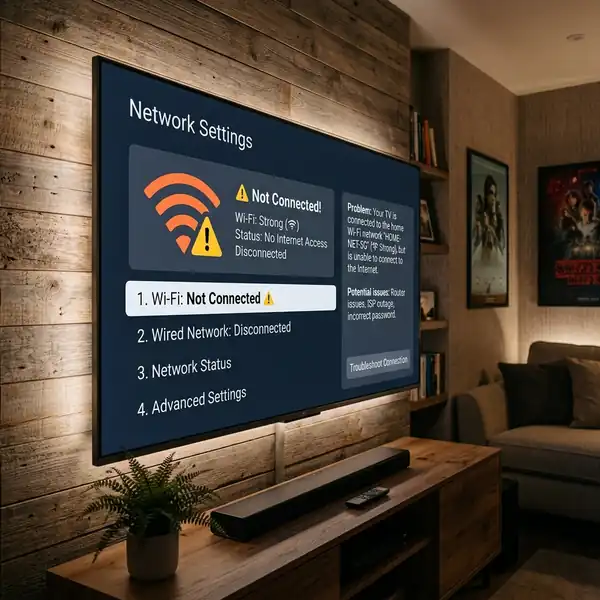
Method 2: Routing Your LG TV Through a VPN-Enabled Home Router
Using a VPN is another effective method for bypassing region locks on your LG Smart TV. A VPN encrypts your internet connection and routes it through a server in a chosen location, altering your IP address and allowing access to region-restricted content. Here’s how to set up a VPN on your home router:
Step 1: Select a VPN Provider
Choose a reliable VPN provider that supports router installations. Some popular choices include ExpressVPN, NordVPN, and Surfshark. Ensure that the VPN service has a good reputation for speed and customer support.
Step 2: Check Router Compatibility
Not all routers support VPN configurations. Check if your router is compatible with the VPN you chose. Many modern routers from brands like Asus, Linksys, and Netgear support VPN configurations.
Step 3: Install VPN on Your Router
Follow the installation instructions provided by your VPN service. This typically involves logging into your router's web interface by entering its IP address in a web browser. After logging in, navigate to the VPN settings section and input the necessary configuration details such as server addresses and your VPN credentials.
Step 4: Connect Your LG Smart TV to the Router
Once the VPN is set up on your router, connect your LG Smart TV to the network. Ensure that the TV is connected to the router via Wi-Fi or Ethernet, as all traffic will now be routed through the VPN.
Step 5: Test Your Connection
After connecting, test the VPN connection by accessing a geo-restricted app. If configured correctly, your LG Smart TV should now display content available in the country of the VPN server you selected.
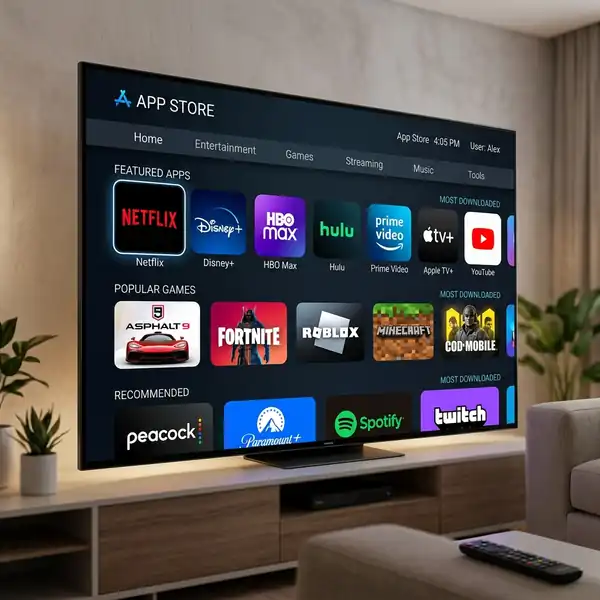
Troubleshooting LG Content Store Errors and Testing Newly Unlocked Apps
After changing your service country or configuring Smart DNS or a VPN, you may encounter issues when accessing the LG Content Store or specific apps. Below are common troubleshooting steps:
1. Check Internet Connection
Ensure that your LG Smart TV is connected to the internet. You can do this by going to the Network settings and checking the connection status.
2. Clear Cache and Data
Sometimes, cached data can cause issues. To clear the cache, go to Settings, navigate to General, select Reset to Initial Settings, and follow the prompts. Be cautious; this may reset other configurations.
3. Recheck DNS or VPN Settings
If you are using Smart DNS or a VPN, double-check your settings to ensure they are correctly configured. Restart your TV and router after making any changes.
4. Update Software
Ensure your LG Smart TV firmware is up to date. Go to Settings, then About This TV, and check for software updates.
5. Test Different Apps
If a specific application is still not working, try accessing other apps to determine if the issue is with the application itself or your settings.
6. Contact Customer Support
If you continue to experience issues, consider reaching out to LG customer support or your Smart DNS/VPN provider's support for further assistance.
By following these steps, you can successfully bypass region locks on your LG Smart TV, granting you access to a wider range of content. Remember to use these methods responsibly and ensure you comply with any applicable licensing agreements or terms of service.
Understanding VPN Protocols for Region Unlocking
When it comes to bypassing region locks on LG Smart TVs, utilizing a Virtual Private Network (VPN) is one of the most effective methods. A VPN creates a secure tunnel between your device and the internet, masking your IP address and allowing you to appear as though you are accessing content from a different geographical location. Understanding the various VPN protocols is crucial for maximizing both security and performance.
The most commonly used VPN protocols include OpenVPN, L2TP/IPsec, PPTP, and IKEv2/IPsec. Each of these protocols has distinct advantages and disadvantages, particularly regarding speed, security, and ease of setup.
- OpenVPN: This is an open-source protocol that offers a high level of security and flexibility. It operates on both TCP and UDP, making it adaptable to various network conditions. OpenVPN uses strong encryption algorithms like AES-256, which provides robust security against eavesdropping. However, users might experience slightly higher latency due to encryption overhead.
- L2TP/IPsec: Layer 2 Tunneling Protocol (L2TP) paired with Internet Protocol Security (IPsec) offers a good balance between speed and security. While L2TP itself does not encrypt data, when combined with IPsec, it provides strong encryption. This protocol is often slower than OpenVPN due to its two-layer encapsulation, but it is still widely used for its security features.
- PPTP: Point-to-Point Tunneling Protocol is one of the oldest VPN protocols and is known for its speed. However, it offers weaker security compared to its counterparts. PPTP is easier to set up and is compatible with most devices, making it an option for users who prioritize speed over security.
- IKEv2/IPsec: Internet Key Exchange version 2 is a robust protocol that excels in mobile connectivity. It can quickly reconnect when a device switches networks, making it highly suitable for mobile users. IKEv2 offers strong encryption through IPsec and is known for its stability and speed, although it may require more technical knowledge to set up than other protocols.
When configuring a VPN for your LG Smart TV, it is essential to choose a VPN service that supports the protocol best suited for your needs. Most commercial VPN providers offer the option to select your protocol during setup. Additionally, consider the server locations offered by the VPN service. Choosing a server located in the region where the content you wish to access is available will minimize latency and improve streaming quality.
For optimal performance, ensure that the VPN connection is stable and has low latency. A high-latency connection can result in buffering issues during streaming, which can be frustrating. You can test your connection speed using various online tools and adjust your VPN settings or server selection accordingly.
Configuring DNS Settings for Improved Streaming
In addition to using a VPN, configuring your DNS settings can significantly enhance your ability to bypass region locks on your LG Smart TV. DNS (Domain Name System) is a system that translates human-readable domain names into IP addresses that computers use to communicate. When you change your DNS settings, you can direct your internet traffic through different pathways, potentially accessing content otherwise restricted in your region.
One of the most effective approaches is to use a Smart DNS service. Unlike a traditional VPN, which encrypts your entire internet connection, Smart DNS modifies only the DNS queries to make it appear as if you are accessing content from a different location. This results in faster speeds, as there is no encryption overhead. A Smart DNS service will typically provide you with a set of DNS addresses to use.
To configure your DNS settings on your LG Smart TV, follow these steps:
- Navigate to the Settings menu on your LG Smart TV.
- Select Network and then Wi-Fi Connection (or Wired Connection, depending on your setup).
- Find the option for Advanced Settings or IP Settings.
- Once there, change the DNS Server settings to the DNS addresses provided by your Smart DNS service.
- Save your settings and restart your TV to ensure the new DNS settings take effect.
In addition to Smart DNS services, consider using a public DNS server for improved performance and reliability. Popular options include Google Public DNS (8.8.8.8 and 8.8.4.4) and Cloudflare DNS (1.1.1.1). These DNS servers often provide faster query responses and can reduce the time it takes to resolve domain names.
Keep in mind that while changing your DNS settings can help with bypassing region locks, it may not provide the same level of privacy and security as a VPN. Therefore, for the best results, consider using both a VPN and a Smart DNS service in tandem. This combination can enhance your streaming experience while ensuring your privacy and security are maintained.
In summary, configuring your DNS settings appropriately can significantly improve your ability to access region-locked content on your LG Smart TV. By leveraging DNS manipulation techniques alongside VPN technology, you can create a seamless viewing experience without the restrictions imposed by geographic limitations.
Additional Resources and Recommended Links
For more networking and security guides, check out our step-by-step tutorials on how to use a VPN on LG Smart TV and how to hide IP on Smart TV. For official hardware troubleshooting, visit the Official LG Support Website.