How to Allow Remote MySQL Connections on Your Linux VPS Server

To allow remote MySQL connections on your Linux VPS server, you need to configure both MySQL settings and firewall rules. Properly enabling remote MySQL connections is essential for managing databases from different locations, especially in a cloud-based environment. Given the growing trend of remote work and distributed teams, having the ability to access your MySQL databases from various locations can significantly enhance productivity and collaboration.
However, this process requires careful attention to security, as opening up database access can expose your server to various threats if not done correctly.
Detailed Introduction to the Technical Concept of Web Servers and Hosting
Web servers and hosting are foundational components of modern web applications and services. At their core, web servers are software programs that serve content over the internet.
When a user requests a webpage or resource, the web server processes this request and responds by delivering the appropriate files, whether they are HTML, CSS, or other types of content. Hosting, on the other hand, refers to the service that allows individuals and organizations to make their websites accessible via the World Wide Web.
This service typically involves housing the web server on a physical server, which can be located in a data center or a cloud environment.
In the context of MySQL databases, web servers often interface with database servers to store, retrieve, and manage data. A Linux VPS (Virtual Private Server) can serve as a powerful and flexible hosting option for both web servers and MySQL databases.
With its lightweight architecture, VPS servers allow users to run applications autonomously while having the freedom to configure the server environment according to specific needs. This makes a VPS an ideal choice for developers and businesses looking to host their databases securely and efficiently.
However, managing a VPS also requires a solid understanding of network configurations and security protocols. Opening your MySQL database to remote connections can be a double-edged sword; it can enable easier management and accessibility but also increases the risk of unauthorized access.
Therefore, it is important to implement proper security measures, such as configuring firewall rules and ensuring that only trusted IP addresses can connect to your MySQL server. With the right setup, you can leverage the power of remote MySQL connections while minimizing security risks.
Step-by-Step Practical Guide to Allow Remote MySQL Connections

To allow remote MySQL connections on your Linux VPS server, you need to follow a series of detailed steps that involve configuring both MySQL settings and your server’s firewall. Start by logging into your server via SSH. Open your terminal and execute the command:
```bash
ssh username@your_vps_ip
```
Replace `username` with your actual username and `your_vps_ip` with the IP address of your VPS. Once logged in, you’ll first need to edit the MySQL configuration file. This file is typically located at `/etc/mysql/my.cnf` or `/etc/my.cnf`, depending on your Linux distribution. Use a text editor like `nano` or `vim` to open the file:
```bash
sudo nano /etc/mysql/my.cnf
```
Within this configuration file, look for the line that reads `bind-address`. By default, it is usually set to `127.0.0.1`, which means MySQL only accepts local connections. To enable remote connections, change this line to either `0.0.0.0`, which allows connections from any IP address, or specify a particular IP address from which you want to allow access. After making these changes, save and exit the editor.
Next, you’ll need to create a user account in MySQL that can connect remotely. Start the MySQL command-line interface by running:
```bash
mysql -u root -p
```
This command will prompt you for the root password. Once logged in, you can create a new user with the following command:
```sql
CREATE USER 'remote_user'@'%' IDENTIFIED BY 'secure_password';
```
Replace `remote_user` with your desired username and `secure_password` with a strong password. The `%` symbol allows connections from any host. If you want to restrict access to a specific IP address, replace `%` with that IP. After creating the user, grant it the necessary permissions by executing:
```sql
GRANT ALL PRIVILEGES ON *.* TO 'remote_user'@'%';
FLUSH PRIVILEGES;
```
This will allow the `remote_user` to access all databases. Be cautious with permissions; it's often better to limit access to only the databases and tables that the user needs.
Now that you have configured MySQL to accept remote connections, the next step is to configure your firewall settings. Depending on the firewall you are using, you will need to allow traffic on the MySQL port, which is 3306 by default. If you are using UFW (Uncomplicated Firewall), you can run the following command:
```bash
sudo ufw allow 3306/tcp
```
For iptables users, use:
```bash
sudo iptables -A INPUT -p tcp --dport 3306 -j ACCEPT
```
After adjusting the firewall rules, restart both MySQL and the firewall services to apply the changes:
```bash
sudo systemctl restart mysql
sudo systemctl restart ufw
```
At this stage, your MySQL server should be configured to accept remote connections. To verify that everything is working correctly, attempt to connect to the MySQL server from a remote machine using a MySQL client or command-line tool:
```bash
mysql -u remote_user -h your_vps_ip -p
```
Replace `your_vps_ip` with the public IP address of your VPS. If everything is set up correctly, you should be prompted for the password and then gain access to the MySQL shell.
Comparative Table of MySQL Connection Options
To help you better understand the various options available for configuring remote MySQL connections, we have compiled a comprehensive comparison table. This table highlights key attributes, benefits, and drawbacks of different connection methods, which can aid in making an informed decision based on your specific needs.
| Connection Method | Security Level | Accessibility | Performance | Setup Complexity |
|---|---|---|---|---|
| Standard Remote Access | Medium | High | Good | Low |
| SSH Tunneling | High | Medium | Variable | Medium |
| VPN Connection | Very High | Low | Good | High |
| Cloud-Based Database Services | Medium | Very High | Excellent | Low |
This table provides a snapshot of the different methods available for connecting to a remote MySQL server. Standard remote access is the simplest method, allowing for easy configuration and accessibility but carries some security risks.
SSH tunneling offers a more secure connection by encrypting traffic, though it may require additional setup. VPN connections provide the highest level of security, but they can be more complex and may limit accessibility.
Finally, cloud-based database services offer excellent performance and ease of use but may come with higher costs or vendor lock-in.

Additional Resources and Recommended Links
For those looking to deepen their understanding of server management and MySQL configurations, a variety of resources are available. You might find it beneficial to explore articles such as How to Connect SSH via Browser GCP and How to Install CloudPanel on Vultr VPS.
These guides provide valuable insights into managing your VPS and enhancing your server's capabilities. Additionally, many online forums and communities can offer support as you navigate through the complexities of server administration and database management, ensuring you have the necessary tools and knowledge at your disposal to succeed in your endeavors.
Advanced Server Performance Tuning, Cache Policies, and Core Networking Metrics
Cache mechanisms like OPcache, Redis, and Memcached play a vital role in server performance. OPcache enhances PHP execution speed by storing precompiled script bytecode in shared memory, eliminating the overhead of parsing and compiling scripts on each request. Redis, on the other hand, is a powerful in-memory data structure store, widely used for caching and session management.
When configured correctly, it can drastically reduce database load and latency. Memcached serves a similar purpose, providing an in-memory key-value store that can speed up dynamic web applications by alleviating database load. Each of these caching solutions has its own strengths, and selecting the right one depends on your specific use case and application architecture.
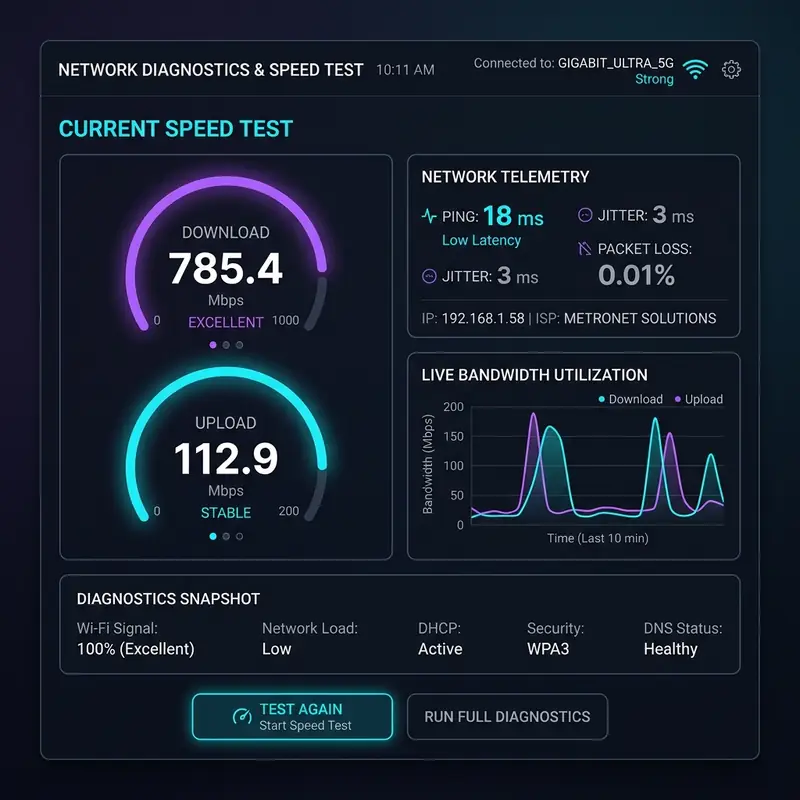
In addition to caching, understanding server load and bandwidth allocation is important. Server load refers to the amount of computational work that a server performs, and it is essential to monitor this metric to avoid overloading your server, which can lead to throttled performance or even crashes.
Tools like `top`, `htop`, and `vmstat` can provide real-time insights into server load, allowing administrators to make informed decisions about resource allocation. Bandwidth allocation, on the other hand, ensures that your server can handle multiple simultaneous connections without degrading performance.
Implementing Quality of Service (QoS) policies can help prioritize traffic, ensuring that critical services receive the necessary bandwidth.
Another important aspect of performance tuning is the integration of Content Delivery Networks (CDNs). CDNs help distribute the load of delivering content by caching it across various geographical locations, thereby reducing latency and improving load times for users who are far from the origin server.
By combining the use of CDNs with effective caching strategies and performance monitoring, you can create a robust infrastructure that not only supports remote MySQL connections but also enhances the overall user experience through improved performance.
Lastly, regular performance assessments and tuning should be part of your operational routine. Utilizing tools such as Apache Benchmark (ab) or JMeter can help simulate traffic loads and identify bottlenecks.
Keeping an eye on key performance indicators (KPIs) allows for proactive adjustments and ensures that your server is well-prepared to handle varying user demands efficiently. By embracing these advanced performance tuning techniques, you not only enhance your server's capabilities but also pave the way for scalable growth.
Implementing Server-Side Cybersecurity Protocols for Enhanced Protection

In addition to SSL, the use of IP tables is important for establishing a firewall that can control incoming and outgoing traffic based on predefined rules. IP tables allow you to create rules that restrict access to your MySQL server, enabling only specific IP addresses or ranges to connect.
This not only minimizes the risk of unauthorized access but also serves as a first line of defense against potential DDoS attacks. By regularly reviewing and updating these rules, you can adapt to changing security needs and ensure that your server remains secure against evolving threats.
DDoS (Distributed Denial of Service) attacks pose a significant risk to online services, including those relying on MySQL databases. Employing a DDoS firewall can help mitigate these threats by filtering out malicious traffic before it reaches your server.
These firewalls can dynamically adjust to traffic patterns, blocking potentially harmful requests while allowing legitimate traffic through. Combining a DDoS mitigation strategy with a robust firewall setup creates a layered security approach that significantly reduces your vulnerability to attacks.
Directory permissions are another critical aspect of server-side security. Properly configuring directory permissions ensures that only authorized users can access sensitive files and directories on your server.
Utilizing the principle of least privilege, you should assign permissions that allow users to perform only the actions necessary for their roles. This minimizes the risk of accidental exposure or malicious exploitation of sensitive data.
Regular audits of user permissions should be conducted to ensure compliance with security policies and to promptly revoke access for users who no longer require it.
Finally, ongoing security training and awareness for your team members are significant. Human error remains one of the leading causes of security breaches, so educating staff about safe practices, phishing attacks, and the importance of strong passwords is essential.
Implementing multi-factor authentication (MFA) can further enhance security by requiring users to provide multiple forms of verification before accessing sensitive data. By adopting a comprehensive approach to server-side cybersecurity protocols, you can significantly bolster your defenses against potential threats and secure your remote MySQL connections.
Understanding Hosting Limitations and Their Impact on Database Performance
When considering hosting options for your applications, it is essential to comprehend the limitations that come with different server configurations, particularly when weighing shared servers against dedicated or cloud machines. Shared hosting environments typically come with resource constraints, as multiple websites share the same server resources. This can lead to performance bottlenecks, especially if one site experiences a spike in traffic. In contrast, dedicated servers provide exclusive access to all server resources, allowing for higher performance and better reliability. Cloud hosting offers a middle ground by allowing for scalable resources that can be adjusted based on demand, making it a popular choice for applications with unpredictable traffic patterns.DNS propagation errors can complicate matters when managing your hosting environment. When changes are made to DNS records, such as updating the IP address of your server, it can take from a few minutes to 48 hours for the changes to propagate fully across the internet.
During this time, users may experience difficulties accessing your site or inconsistent behavior as some may still connect to the old address. Being aware of DNS propagation issues and planning for them can mitigate user frustration and ensure a smoother transition when changes are necessary.
Database optimization is another critical area where hosting limitations can become apparent. On shared servers, MySQL performance can suffer due to limited resources, leading to slower query execution times.
Database optimization traps can occur when developers overlook essential indexing strategies, query optimization, or proper normalization of data. Without these optimizations, the database may struggle under load, causing slow responses or timeouts that can degrade the user experience.
In contrast, dedicated or cloud environments allow for greater flexibility in implementing these optimizations, leading to improved database performance.
Service Level Agreements (SLAs) also warrant consideration when choosing a hosting provider. An SLA outlines the expected level of service, including uptime guarantees, support response times, and performance metrics.
Understanding the terms of an SLA can help you gauge whether a hosting provider can meet your needs, especially during periods of high traffic. Providers that offer strong SLAs often invest in redundant systems and proactive monitoring to ensure reliability, which can be critical if your application relies on consistent database access.
Lastly, as your application scales, continually reassessing your hosting strategy is vital to ensure that it aligns with your business goals. The growth of your application may necessitate moving from a shared to a dedicated or cloud-based solution to maintain performance.
Conducting regular performance assessments and being aware of the limitations of your current hosting solution can help you make informed decisions about when to upgrade or change providers. By understanding these hosting limitations and their impact on database performance, you can ensure that your infrastructure remains robust and capable of supporting your application’s evolving needs.