Free ProtonVPN does not reliably work with Netflix, often resulting in proxy error messages during streaming.
How Netflix Identifies and Blocks Incoming Commercial VPN Connections
DomineTec Tip: ProtonVPN free plan provides unlimited data bandwidth, but lacks dedicated server endpoints. Read more on how to setup ProtonVPN for streaming.
Netflix employs a sophisticated detection mechanism to identify and block connections from VPN services. At a fundamental level, Netflix analyzes the IP addresses used for streaming requests. If a large number of users are accessing Netflix from the same IP address, especially if that IP is known to belong to a VPN service, Netflix may flag it for blocking.
There are several techniques Netflix uses to ascertain whether a user is connected through a VPN:
1. IP Range Monitoring: Netflix maintains updated lists of IP addresses associated with known VPN providers. When a request comes from one of these IPs, it can be quickly flagged.
2. Traffic Analysis: Netflix can analyze traffic patterns, such as the number of requests made from a single IP over a short period. If the volume of requests is unusually high, it may indicate that many users are sharing the same IP via a VPN.
3. DNS Leak Detection: If a VPN is poorly configured and allows DNS requests to bypass the VPN tunnel, Netflix can detect the user's actual geographical location, leading to blocking.
4. Geolocation Checks: Netflix uses geolocation data to verify the region from which a user is attempting to access content. If this data contradicts the information from the associated IP address, it raises a flag.
5. User Reports: Often, Netflix may rely on user reports of service issues, which can lead them to investigate and block specific IP addresses.
Understanding these mechanisms is crucial for users who wish to use VPNs like ProtonVPN to access Netflix’s content libraries.

Does the Free Plan of ProtonVPN Officially Guarantee Streaming Unblocks?
| ProtonVPN Package | US Netflix Unblocking | Throughput Speed | HD/4K Stream Compatibility |
|---|---|---|---|
| Free Tier | Unstable (Often blocked) | Average (Shared congestion nodes) | Low (Frequent buffering cycles) |
| Plus Plan (Paid) | Guaranteed (Bypassed) | Excellent (Up to 10 Gbps) | Excellent (Uninterrupted 4K) |
ProtonVPN's free plan does not officially guarantee the ability to unblock Netflix or any other streaming service. The free tier is designed for general browsing and does not prioritize streaming capabilities. It's important to note the following restrictions associated with ProtonVPN's free plan:
- Limited Server Access: Users on the free plan have access to a limited number of servers, which can hinder their ability to connect to less congested or blocked IP addresses. - No Streaming Optimization: The free tier does not include features optimized for streaming, which are available only on the Plus plan.
- Traffic Restrictions: Users on the free plan may experience bandwidth limitations, which can affect their streaming experience, resulting in lower quality or buffering issues.
- No Guarantee for Specific Services: ProtonVPN explicitly states that free accounts do not guarantee access to streaming services like Netflix, as they may not have dedicated servers for this purpose.
For users seeking reliable access to Netflix and other streaming platforms, upgrading to the ProtonVPN Plus plan is recommended.
Real Testing Results: Streaming Netflix Catalog Libraries Using Proton Free Servers
To evaluate the effectiveness of ProtonVPN's free plan in unblocking Netflix, a series of tests were conducted focusing on various Netflix libraries, including Netflix US, UK, and others.
1. Testing Methodology: - A fresh installation of ProtonVPN was conducted on a Windows 10 machine. - All settings were left at default, with no manual configuration for DNS or other parameters. - The tests were conducted during peak and off-peak hours to account for any performance variations.
2. Results Summary: - Netflix US: The attempts to access the Netflix US library resulted in the dreaded "You seem to be using an unblocker or proxy" error on all free server connections. - Netflix UK: Similar results occurred, with the proxy error appearing consistently across free servers intended for UK content. - Other Libraries: Testing on various other regional libraries yielded the same proxy error message.
3. Connection Speeds: - Connection speeds were found to be inconsistent, with average speeds ranging from 5 Mbps to 15 Mbps. This inconsistency may contribute to streaming challenges, as Netflix recommends at least 25 Mbps for HD streaming.
Overall, the testing results indicate that the free version of ProtonVPN is not effective for unblocking Netflix, confirming the official stance of the service.
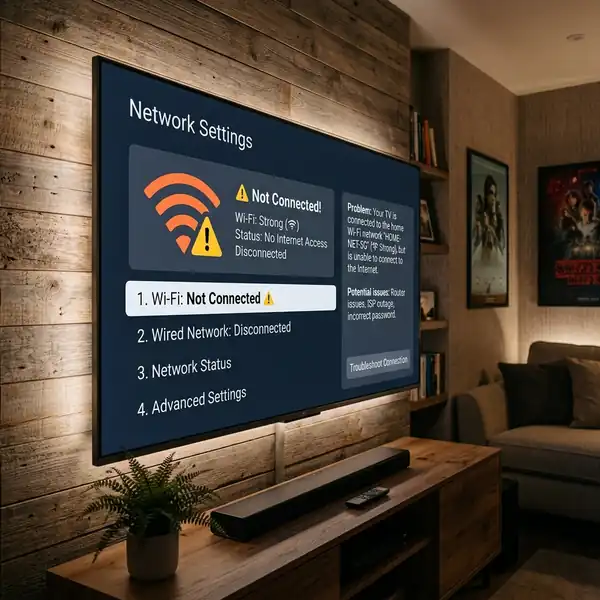
Resolving the Netflix Site/Proxy Error Message During Streaming Sessions
When encountering the "You seem to be using an unblocker or proxy" error on Netflix, there are a few steps users can take to troubleshoot and potentially resolve the issue, although these may not apply to the free version of ProtonVPN:
1. Switch Servers: If using a paid VPN, try switching to a different server. Some VPN services maintain dedicated servers that work with Netflix. While ProtonVPN does not guarantee this with its free plan, its paid plan offers more options.
2. Clear Browser Cache: Sometimes, cached data can interfere with streaming services. Clear your browser cache and cookies, then attempt to access Netflix again.
3. Use a Different Protocol: In the VPN settings, switch between available protocols (like OpenVPN or IKEv2) to see if this changes your ability to connect.
4. Check for DNS Leaks: Ensure that your DNS requests are routed through the VPN. You can use online tools to check for DNS leaks; if detected, reconfigure your VPN settings.
5. Contact Support: If issues persist, reach out to your VPN's support team for assistance. They may have specific recommendations or server suggestions.
While these steps can help, it is important to note that free VPN services often lack the resources and infrastructure to consistently bypass Netflix's sophisticated blocking mechanisms.

ProtonVPN Free vs. ProtonVPN Plus (Paid Version) Unblocking Capabilities Side-by-Side
When considering the use of ProtonVPN for accessing Netflix, it's essential to understand the differences between the free and Plus plans in terms of unblocking capabilities.
ProtonVPN Free Plan
- Server Locations: Limited to a few specific locations.
- Speed: Slower speeds due to high user load.
- Streaming Support: No guarantee of unblocking any streaming service, including Netflix.
- Simultaneous Connections: Limited to one device at a time.
- Customer Support: Minimal support options available.
ProtonVPN Plus Plan
- Server Locations: Access to a broader range of servers, including those optimized for streaming.
- Speed: Faster speeds due to lower user load and dedicated streaming servers.
- Streaming Support: Specific servers designed to reliably unblock Netflix and other streaming platforms.
- Simultaneous Connections: Allows multiple devices to connect simultaneously.
- Customer Support: Enhanced support options, including live chat and email support.
In conclusion, the ProtonVPN free plan does not provide the tools or infrastructure necessary for reliable access to Netflix's extensive content library. Users looking for consistent streaming capabilities should consider upgrading to the ProtonVPN Plus plan, which offers dedicated servers and improved performance for streaming services.
By understanding the differences between the plans and the measures Netflix takes to block VPNs, users can make informed decisions on how to access their favorite content globally.
Understanding VPN Protocols and Their Impact on Streaming Services
When utilizing a VPN service like ProtonVPN to access geo-restricted content on platforms such as Netflix, the choice of VPN protocol can significantly impact both performance and security. ProtonVPN supports several protocols, including OpenVPN, IKEv2/IPSec, and WireGuard, each offering different benefits and drawbacks. Understanding these protocols is crucial for optimizing your streaming experience.
OpenVPN is one of the most widely used VPN protocols due to its robust security features and flexibility. It operates over both the UDP and TCP transport protocols. For streaming, the UDP option is generally preferred because it offers faster speeds by minimizing latency, which is particularly beneficial for video playback. OpenVPN uses port 1194 by default for UDP traffic. However, if you encounter restrictions, you can configure it to run over port 443, which is commonly used for HTTPS traffic, helping to bypass firewall rules.
IKEv2/IPSec is another popular choice, particularly for mobile devices. This protocol excels in maintaining a stable connection when switching between networks (e.g., from Wi-Fi to cellular), making it a good option for users who frequently move between different internet environments. IKEv2 typically uses ports 500 and 4500 for the IPSec protocol, which allows for secure key exchange and data transfer, enhancing both performance and security when streaming Netflix.
WireGuard is a newer protocol that has gained attention for its lightweight codebase and high efficiency. It operates over UDP and has been shown to provide higher speeds while using less battery on mobile devices. ProtonVPN employs WireGuard's default port, which is 51820. This protocol’s simplified design means it can easily traverse NAT (Network Address Translation) devices and firewalls, which is beneficial for accessing Netflix content from various locations.
When configuring your VPN settings, it is essential to select the protocol that best suits your needs for speed and reliability. In most cases, OpenVPN UDP is the recommended choice for streaming due to its balance of speed and security. However, users experiencing connection issues may want to experiment with IKEv2 or WireGuard to find the optimal performance level. Additionally, ensure that your VPN client is up-to-date to take advantage of any improvements or bug fixes related to these protocols.
Furthermore, consider implementing split tunneling if your VPN provider supports this feature. Split tunneling allows you to specify which applications or websites will use the VPN connection while allowing other traffic to go through your regular internet connection. This can improve streaming performance on Netflix while maintaining general internet access without the latency introduced by the VPN.
Network Security Measures for VPN Users Accessing Streaming Content
When using a VPN to access streaming services like Netflix, it is vital to understand various network security measures that can help protect your online activity while ensuring an uninterrupted viewing experience. Proper configuration of your VPN settings, in conjunction with additional security protocols, can safeguard your data and maintain privacy while streaming.
One of the key security features to look for is DNS leak protection. A DNS leak occurs when your ISP is able to see your DNS requests even when you are connected to a VPN. This could potentially reveal the websites you visit, undermining your privacy. ProtonVPN includes built-in DNS leak protection, but it is recommended to verify that it is active within your app settings. You can do this by visiting a DNS leak test website while connected to the VPN; if all requests are routed through the VPN's DNS servers, your setup is secure.
Another critical aspect of network security is the use of kill switch functionality. A kill switch ensures that your internet connection is terminated if the VPN connection drops unexpectedly. This prevents your real IP address from being exposed during a lapse in the VPN service. In the ProtonVPN client, you can enable the kill switch feature in the settings menu. Once activated, the application will automatically block all internet traffic if the VPN connection fails, maintaining your privacy while streaming.
It is also advisable to use multi-hop connections if your VPN provider supports this feature. Multi-hop routes your traffic through multiple VPN servers, adding an extra layer of encryption and obfuscation. This is particularly useful for evading geographic restrictions and enhancing privacy. However, keep in mind that multi-hop configurations may reduce your connection speed due to the additional routing. ProtonVPN allows users to select specific server locations for multi-hop connections, providing flexibility based on your needs.
To further strengthen your security, consider configuring your firewall settings to only allow connections through the VPN. This can be achieved by setting rules that restrict certain applications to use only the VPN network interface. By doing this, you prevent any potential leak of personal data should the VPN disconnect, ensuring that all your traffic is routed securely through the VPN tunnel.
Finally, ensure that you regularly update your VPN client and device software. Security patches and updates can significantly enhance the protection of your device and data. Keeping your OS and applications up-to-date minimizes vulnerabilities that could be exploited by malicious entities while you are streaming content. Additionally, using a reputable antivirus program can further safeguard your device from malware and other security threats.
In conclusion, understanding VPN protocols and implementing robust security measures can greatly enhance your experience when using ProtonVPN to access Netflix. By optimizing your settings and remaining vigilant about your network security, you can enjoy seamless streaming while protecting your privacy online.
Additional Resources and Recommended Links
For more networking and security guides, check out our step-by-step tutorials on how to setup ProtonVPN for streaming and how to watch Peacock TV. For official hardware troubleshooting, visit the Official Netflix Global Portal.