Learn how to set up ProtonVPN to access geo-blocked streaming content securely with both free and paid versions.
Is the Free Tier of ProtonVPN Capable of Unlocking Streaming Media?
DomineTec Tip: ProtonVPN free plan provides unlimited data bandwidth, but limits server endpoint options. For paid alternatives, check best budget paid VPN comparison.
ProtonVPN’s free tier offers a robust introduction to its features, but it has limitations when it comes to streaming. While you can access various streaming services, the free account restricts you to specific servers, which may not be optimized for streaming. Additionally, free users may encounter slower speeds and potential bandwidth limits, making it challenging to enjoy high-definition content seamlessly.
Despite these limitations, many users still find success in using ProtonVPN’s free version to access certain streaming platforms. However, for a more reliable and enhanced streaming experience, the paid ProtonVPN Plus plan is highly recommended. It provides access to a broader range of servers, including those optimized specifically for streaming, along with faster speeds and no bandwidth restrictions.

How to Register a Secure Account and Install the App on Devices
| Feature | ProtonVPN Free Plan | ProtonVPN Plus (Paid) |
|---|---|---|
| Data Bandwidth | Unlimited data usage | Unlimited data usage |
| Streaming Optimization | Not optimized (Possible geo-blocks) | Yes (Dedicated 10 Gbps nodes) |
Setting up a ProtonVPN account is straightforward. Follow these steps to register and install the app on your preferred devices:
-
Visit the ProtonVPN Website:
Go to the official ProtonVPN website at protonvpn.com.
-
Choose a Plan:
Select either the free plan or one of the paid plans. For streaming purposes, consider the ProtonVPN Plus or ProtonVPN Visionary plans, which offer superior features.
-
Create Your Account:
Click on “Sign Up” and enter your email address. Create a strong password to secure your account. You may also be asked to verify your email through a confirmation link sent to your inbox.
If you opted for a paid plan, input your payment details. ProtonVPN accepts various payment methods, including credit cards and cryptocurrency for added privacy.
Once your account is set up, navigate to the download page on the ProtonVPN website. Choose the version compatible with your operating system, whether it’s Windows, macOS, Linux, Android, or iOS.
Run the installer and follow the on-screen instructions to complete the installation. For mobile devices, download the application from the Google Play Store or Apple App Store.
Open the ProtonVPN app and enter your login credentials to access your account. Ensure you are connected to the internet to log in successfully.

Step-by-Step Guide: Configuring ProtonVPN for Optimal Streaming Speeds
To ensure you are getting the best streaming experience possible, follow these steps to configure ProtonVPN correctly:
-
Select the Right Protocol:
Open the ProtonVPN app and navigate to the settings menu. Choose a protocol that balances speed and security. The WireGuard protocol is recommended for its high performance, making it ideal for streaming.
-
Connect to a Streaming-Optimized Server:
ProtonVPN offers dedicated servers optimized for streaming. To find these, click on the “Server List” tab and look for servers marked for streaming. Select a server located in the region of the content you wish to access.
-
Enable Split Tunneling (if available):
If you have the ProtonVPN Plus plan, consider enabling the split tunneling feature. This allows you to route only specific apps through the VPN, optimizing your speed for streaming while keeping other traffic unaffected.
In the settings, ensure that DNS leak protection is enabled. This feature prevents your DNS queries from being exposed outside the VPN tunnel, enhancing your anonymity while streaming.
Before starting your streaming session, run a speed test using an online service like Ookla Speedtest to ensure your connection speed is optimal for streaming. Aim for at least 25 Mbps for HD streaming and 50 Mbps for 4K content.
Resolving Speed Limitations: Quick Fixes for Buffering During Video Streams
Buffering during video streams can be frustrating. Here are some quick fixes to resolve speed limitations while using ProtonVPN:
-
Change Server Locations:
If you experience buffering, try connecting to a different server. Sometimes, certain servers may be overloaded, leading to slower speeds. Switching to a less crowded server can improve your streaming experience.
Ensure that no other applications are consuming your bandwidth. Close any unnecessary programs or browser tabs that may be using your internet connection while streaming.
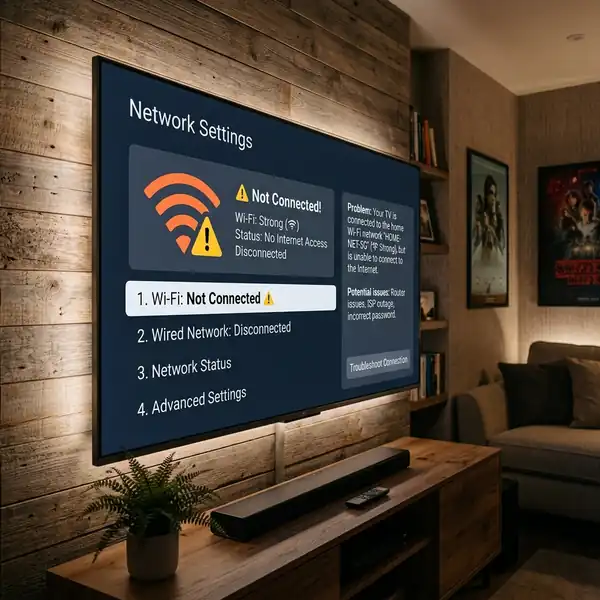
If you are using Wi-Fi, consider switching to a wired Ethernet connection. Wired connections typically provide more stable speeds and lower latency compared to wireless connections.
Perform a speed test to determine if your internet connection is performing optimally. If your base internet speed is too low, consider contacting your ISP for assistance or upgrading your plan.
If you continue to experience buffering, try lowering the streaming quality within the app settings of the service you are using. This can help reduce the amount of data being used, making it easier to stream.

ProtonVPN Free vs ProtonVPN Plus: Detailed Streaming Side-by-Side
When choosing between ProtonVPN’s free and paid plans for streaming, it’s essential to understand the differences that can impact your experience:
| Feature | ProtonVPN Free | ProtonVPN Plus |
|---|---|---|
| Server Access | Limited to specific free servers | Access to all servers, including streaming-optimized ones |
| Speed | Reduced speeds, potential throttling | High-speed connections with no throttling |
| Bandwidth Limit | Possible data limits | No bandwidth limits |
| Multi-Device Support | 1 device only | Up to 10 devices simultaneously |
| Customer Support | Limited support | Priority customer support |
| Security Features | Basic security features | Advanced security features, including Secure Core |
In conclusion, while the free tier of ProtonVPN can be useful for occasional streaming, the ProtonVPN Plus plan is far superior for unlocking geo-blocked streaming servers and providing a seamless experience. By following the steps outlined in this guide, you can set up ProtonVPN effectively and enjoy your favorite shows and movies without interruption.
Understanding Tunneling Protocols Used by ProtonVPN
ProtonVPN employs a variety of tunneling protocols to ensure secure and efficient connections for its users. These protocols are vital for establishing a virtual private network (VPN) tunnel through which your internet traffic is securely transmitted, protecting it from potential eavesdroppers. The main protocols used by ProtonVPN include OpenVPN, IKEv2/IPSec, and WireGuard, each offering distinct advantages depending on user needs and network conditions.
OpenVPN is one of the most popular open-source VPN protocols known for its robust security features and flexibility. It supports various encryption standards, including AES-256, which is considered highly secure. OpenVPN can operate over both TCP (Transmission Control Protocol) and UDP (User Datagram Protocol) ports. While TCP is reliable and error-correcting, it may introduce latency due to its connection-oriented nature. On the other hand, UDP is preferred for streaming and gaming because it reduces overhead, resulting in lower latency, albeit with a trade-off in reliability. ProtonVPN allows users to choose between these modes, optimizing the connection for either security or speed depending on their use case.
IKEv2/IPSec is another protocol utilized by ProtonVPN, particularly effective for mobile users due to its ability to quickly re-establish a VPN connection after temporary network disruptions. This protocol is built on the Internet Key Exchange (IKE), which facilitates secure key exchanges, and IPSec, which provides encryption and authentication. IKEv2 is especially beneficial for users on mobile devices, as it is optimized for high-speed connections and can maintain a stable VPN tunnel even when switching between networks, such as from Wi-Fi to mobile data.
WireGuard is a newer protocol that has gained traction for its simplicity and performance. Unlike OpenVPN and IKEv2, which can be complex in their configurations, WireGuard is designed to be lightweight and easy to implement. It uses state-of-the-art cryptography and is built to deliver high-speed connections with minimal latency. ProtonVPN supports WireGuard, allowing users to take advantage of its fast speeds, especially suitable for bandwidth-intensive activities like streaming or gaming. The protocol’s streamlined codebase also reduces the attack surface, enhancing security compared to older protocols.
When configuring ProtonVPN, users can choose their preferred tunneling protocol based on their specific requirements, such as security level, connection speed, and device compatibility. Understanding these protocols allows users to optimize their VPN experience effectively, ensuring that they can stream content securely without sacrificing performance.
Optimizing DNS Handling for Streaming with ProtonVPN
DNS (Domain Name System) plays a crucial role in how we access online content, acting as the internet's address book by translating human-friendly domain names into IP addresses that computers understand. When using ProtonVPN for streaming, proper DNS handling is essential to bypass geographic restrictions and prevent DNS leaks, which could expose your browsing activity.
ProtonVPN utilizes its own DNS servers, which are designed to work seamlessly with the VPN to ensure that all DNS queries are sent through the secure tunnel. This is crucial for maintaining your privacy and avoiding DNS leaks, which occur when DNS requests are sent outside the encrypted VPN tunnel, potentially revealing your original IP address and location. To ensure that your DNS queries are securely routed, ProtonVPN automatically configures your device to use its DNS servers upon connection.
For users looking to enhance their streaming experience, it's important to understand how DNS resolution can impact connection speeds. When you connect to a VPN, DNS queries can sometimes experience delays due to the additional routing through the VPN server. ProtonVPN mitigates this by using high-performance DNS servers that are optimized for speed and reliability, ensuring that your streaming service can resolve domain names quickly.
Additionally, users can take advantage of custom DNS settings if they require specific configurations. For instance, if you are streaming content from a service that is known to block certain DNS servers, you can manually set your DNS to a third-party provider known for bypassing restrictions, like Cloudflare (1.1.1.1) or Google DNS (8.8.8.8). However, it's important to note that using third-party DNS servers might compromise the privacy aspect of the VPN, as these servers can log your DNS queries. Always consider the trade-offs between speed and privacy when configuring DNS settings.
ProtonVPN also incorporates DNS leak protection features, which automatically prevent any DNS requests from being sent outside the encrypted tunnel. This is particularly important for users who might be new to VPNs and may not be aware of the potential risks of DNS leaks. By ensuring that all DNS queries are routed securely, ProtonVPN helps maintain your anonymity while streaming and accessing geo-restricted content.
Furthermore, for users dealing with specific streaming issues, such as content not loading or access being denied despite being connected to a VPN, checking DNS settings can be a vital troubleshooting step. In such cases, users should confirm they are connected to ProtonVPN's DNS servers and consider switching between the available tunneling protocols to see if that resolves the issue. Overall, effective DNS handling in ProtonVPN not only enhances streaming performance but also reinforces user privacy, making it an integral part of the VPN experience.
Understanding VPN Protocols: How They Affect Streaming Performance
When setting up ProtonVPN for streaming, it’s crucial to understand the various VPN protocols available and how they can influence your streaming experience. ProtonVPN supports several protocols, including OpenVPN and IKEv2/IPSec, each offering different balances of speed, security, and stability.
The OpenVPN protocol is widely regarded for its robust security features and versatility. It operates over both UDP and TCP ports, allowing users to choose between speed (UDP) and reliability (TCP). For streaming purposes, using OpenVPN over UDP is recommended, as it typically provides faster speeds with lower latency, which is essential for uninterrupted video playback.
On the other hand, IKEv2/IPSec is known for its ability to reconnect quickly when network conditions change, making it ideal for mobile devices. This protocol is particularly adept at handling network transitions, such as switching from Wi-Fi to mobile data, without dropping the VPN connection. However, it may not be as widely supported on some streaming devices as OpenVPN.
Both protocols utilize strong encryption standards, typically AES-256, ensuring that your data remains secure while streaming. It’s essential to choose the appropriate protocol based on your device compatibility and the type of content you plan to stream, as this can greatly impact your overall streaming quality and experience.
Troubleshooting Common Streaming Issues with ProtonVPN
Despite the advantages of using ProtonVPN for streaming, users may encounter various issues that could hinder performance. Here are some common problems and their solutions to ensure a seamless streaming experience.
- Slow Streaming Speeds: If you experience buffering or slow loading times, check your VPN server location. Connecting to a server closer to your geographical location can significantly reduce latency. Additionally, switching between different server protocols can also help optimize speed.
- Content Not Accessible: Some streaming services employ VPN blocking techniques. If you find certain content is still inaccessible, try connecting to a different server or enabling the “Secure Core” feature of ProtonVPN, which routes your connection through multiple servers for added anonymity and bypassing restrictions.
- DNS Leak: A DNS leak can expose your real IP address while using a VPN. To prevent this, ensure you have ProtonVPN’s built-in DNS leak protection enabled in the settings. You can also manually configure your DNS settings to use ProtonVPN’s DNS servers to enhance privacy.
By proactively addressing these issues and understanding the underlying technical components, users can significantly enhance their streaming experience while using ProtonVPN.
Additional Resources and Recommended Links
For more networking and security guides, check out our step-by-step tutorials on best budget paid VPN comparison and how to use Opera free VPN. For official hardware troubleshooting, visit the Official ProtonVPN Website.