![How to Watch Peacock TV Outside the US [Working Method]](/images/posts/wifi-router.webp)
To watch Peacock TV outside the US, use a reliable VPN to bypass geo-restrictions and create a US account with gift cards.
Why Peacock TV Geo-Restricts Content Outside the United States
DomineTec Tip: Buy a digital US Apple/Google play gift card to bypass payment verification blocks on international credit cards. For more streaming platforms, check how to watch Hulu outside the US.
Peacock TV, owned by NBCUniversal, offers a wide array of movies, TV shows, and live sports. However, due to licensing agreements and content distribution rights, it is only available to viewers located in the United States. These restrictions are in place to protect the intellectual property rights of content providers and ensure that they adhere to their contracts. Consequently, Peacock TV employs geo-blocking technology to prevent access from users located outside the US.
This geo-restriction is primarily enforced through IP address tracking. When you attempt to access Peacock TV from a non-US location, the service detects your IP address and displays a message indicating that the content is not available in your region. This effectively locks out international viewers who wish to enjoy the platform's offerings.
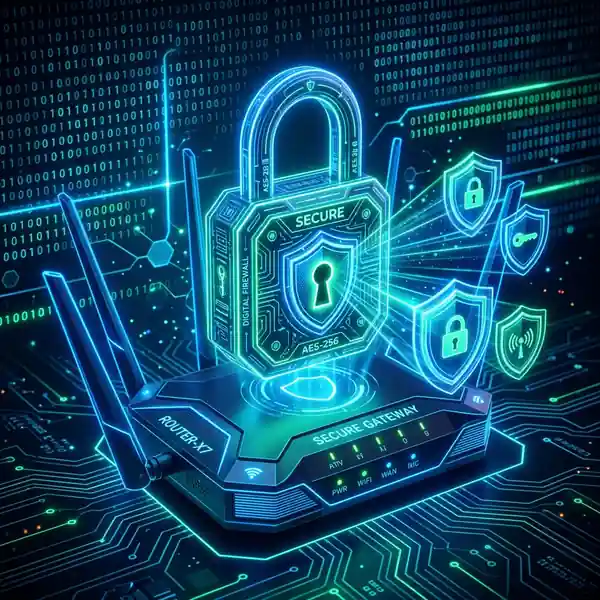
The Territory Restriction Landing Page Error and How It Tracks Your IP
| Setup Phase | Key Requirement | Procedure |
|---|---|---|
| 1. US IP Address | Solid US server connection | Connect before browsing the Peacock landing page |
| 2. US Billing | US Gift Card or Virtual Account | Bypasses international payment verification blocks |
When you try to access Peacock TV from outside the United States, you are confronted with a landing page error that states, "Peacock is not available in your region." This message is generated based on an IP address assessment. Each device connected to the internet has a unique IP address that indicates its geographical location. Streaming services like Peacock TV use this information to determine whether you are located in a supported region.
IP tracking works through a network of servers that map IP addresses to specific geographic locations. When you attempt to connect to Peacock TV, your request is routed through these servers, which check your IP address against a database of allowed regions. If your IP does not match the US criteria, the service denies access, leading to the landing page error. To circumvent this issue, a VPN (Virtual Private Network) can mask your real IP address, allowing you to appear as if you are browsing from the United States.
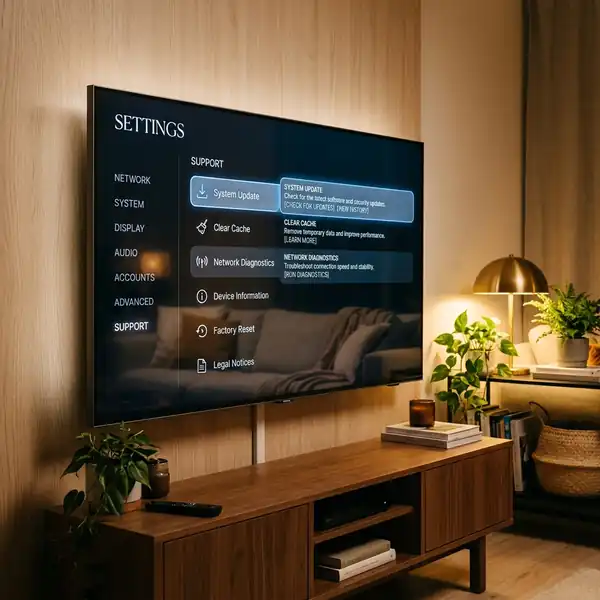
Step-by-Step Guide: Connecting Your VPN to Watch Peacock TV
Using a VPN to access Peacock TV can be broken down into several clear steps. Follow this guide to ensure a seamless viewing experience.
Step 1: Choose a Reliable VPN Service
Not all VPNs are created equal, especially when it comes to bypassing geo-restrictions. Look for a VPN that meets the following criteria:
- High-speed servers: Ensure the VPN has servers optimized for streaming, with minimal buffering.
- Multiple US server locations: This provides options if one server gets blocked by Peacock.
- Strong encryption: Look for a VPN that uses AES-256 encryption to secure your data.
- No-log policy: Choose a VPN that does not track your online activity.
- Device compatibility: Ensure the VPN supports various devices, including smartphones, tablets, and smart TVs.
Popular VPN options that meet these criteria include ExpressVPN, NordVPN, and Surfshark.
Step 2: Install the VPN Application
Once you have selected a VPN service, follow these steps to install the application:
- Visit the VPN provider's website and sign up for an account.
- Download the application compatible with your device's operating system (Windows, macOS, Android, or iOS).
- Install the application by following the on-screen instructions.
Step 3: Connect to a US Server
After installation, open the VPN application and follow these steps to connect to a US server:
- Log in to your VPN account.
- From the server list, select a server located in the United States.
- Click on the "Connect" button to establish a secure connection.
Once connected, your real IP address will be masked, and you will appear to be browsing from the United States.
Step 4: Clear Your Browser Cache
Before accessing Peacock TV, it is essential to clear your browser cache to remove any previous location data that might hinder access:
- Open your browser settings.
- Locate the "Privacy" or "History" section.
- Select "Clear browsing data" and ensure you choose to delete cached images and files.
Step 5: Access Peacock TV
Now that you have successfully set up your VPN, it’s time to access Peacock TV:
- Open your web browser or Peacock TV app.
- Visit the Peacock TV website or launch the app.
- You should now be able to view content without encountering the geo-restriction error.
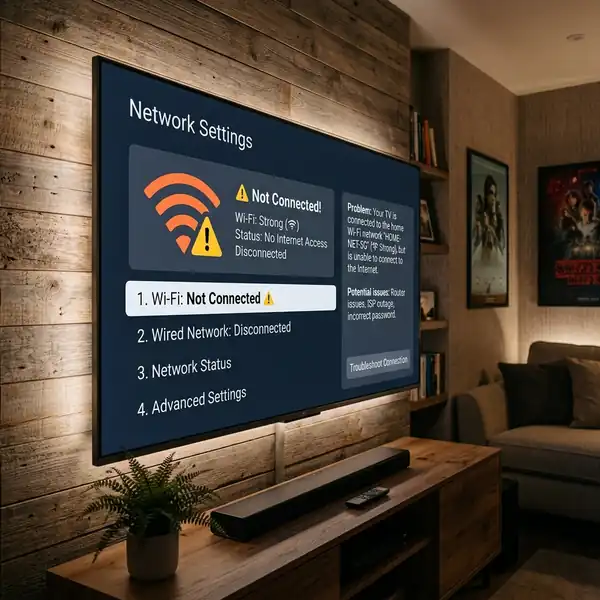
Payment Options: Registering with US Gift Cards and Virtual Payment Providers
To create an account on Peacock TV, you will need to make a payment, which can present a challenge for international users. Here are your options for registering with US gift cards and virtual payment providers.
Using US Gift Cards
One effective method to pay for Peacock TV is to use US gift cards. These cards are widely accepted and can be purchased online. Here’s how to use them:
- Purchase a US Peacock TV gift card from a reputable online retailer. Websites such as MyGiftCardSupply and Raise offer digital gift cards.
- Once you have received your gift card code, go to the Peacock TV sign-up page.
- Create a new account using a valid email address and create a password.
- When prompted for payment, select the option to redeem a gift card.
- Enter the gift card code and complete the registration process.
Using Virtual Payment Providers
If you prefer not to use gift cards, another option is to use virtual payment providers that offer US-based payment solutions. Here are a couple of popular services:
- PayPal: If you have a PayPal account linked to a US bank account, you can use it to pay for Peacock TV subscriptions. Make sure your PayPal account is set to the US region.
- Revolut: This banking alternative allows you to create a virtual card with a US address. After creating your account, you can fund it and use the virtual card for your Peacock subscription.
After setting up your payment method, follow the same registration steps as mentioned above to create your Peacock TV account.
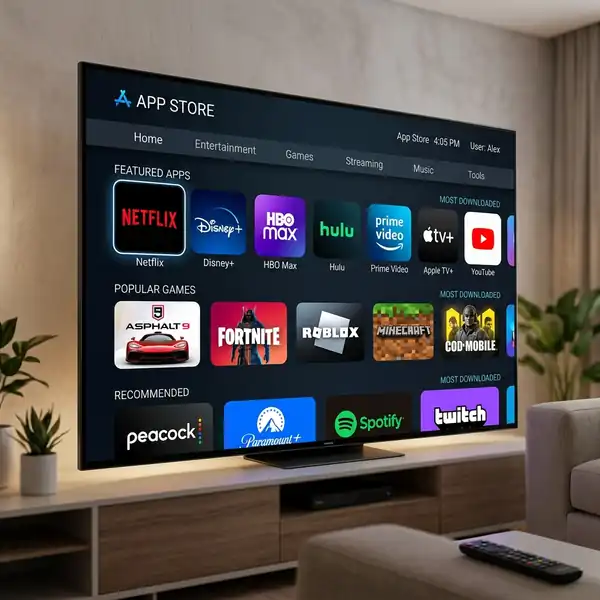
Installing and Streaming Peacock on Apple TV, Roku, and Fire Stick
Once you have successfully registered for Peacock TV, you can stream it on various devices, including Apple TV, Roku, and Amazon Fire Stick. The installation process is straightforward. Below are the steps for each device.
Apple TV
- Ensure your Apple TV is connected to the internet.
- Open the App Store on your Apple TV.
- Search for "Peacock TV" using the search function.
- Download and install the Peacock TV app.
- After installation, open the app and sign in using the account credentials you created.
- You are now ready to stream content on Peacock TV.
Roku
- Make sure your Roku device is connected to the internet.
- Go to the Roku home screen.
- Select "Streaming Channels" from the menu.
- Use the search bar to find "Peacock TV."
- Select the app and click "Add Channel" to install it.
- Once installed, open the Peacock TV app and log in to your account.
- You can now enjoy streaming on your Roku device.
Amazon Fire Stick
- Ensure your Fire Stick is plugged into your TV and connected to the internet.
- Navigate to the home screen of your Fire Stick.
- Select the "Search" option and type "Peacock TV."
- Select the Peacock TV app from the search results and click "Get" to download it.
- Once the installation is complete, open the app and enter your login credentials.
- Start streaming your favorite shows and movies.
Conclusion
By using a reliable VPN, obtaining a US gift card or virtual payment method, and following the steps outlined above, you can effectively bypass geo-restrictions and enjoy Peacock TV from outside the United States. With its diverse library of content, Peacock TV is a valuable addition to your streaming options. Remember to always adhere to the terms and conditions of the service, and enjoy your viewing experience!
Understanding VPN Protocols for Streaming Peacock TV
When accessing Peacock TV from outside the US, utilizing a Virtual Private Network (VPN) is one of the most effective methods. However, not all VPNs are created equal, and the choice of VPN protocol can significantly influence both performance and security. The two most common protocols used for streaming are OpenVPN and IKEv2/IPSec. Understanding how these protocols work can help users make informed choices.
OpenVPN is an open-source protocol known for its robustness and flexibility. It employs the OpenSSL library for encryption, which means it supports various encryption algorithms like AES (Advanced Encryption Standard) with 256-bit keys, making it highly secure. OpenVPN operates over User Datagram Protocol (UDP) or Transmission Control Protocol (TCP). UDP is typically favored for streaming due to its lower latency and higher speeds, while TCP, being more reliable, is often used in situations where data integrity is paramount. The ability to switch between these protocols allows OpenVPN to adapt dynamically to different network conditions. However, users may experience occasional disruptions if their VPN provider's servers become overloaded or if there are significant network fluctuations.
IKEv2/IPSec, on the other hand, is another popular choice, particularly for mobile users. This protocol offers excellent re-establishment capabilities, allowing users to reconnect quickly after losing their internet connection, which is particularly beneficial when switching between Wi-Fi and cellular networks. IKEv2 is often coupled with IPSec to provide encryption, ensuring a secure and fast connection. While it may not be as flexible as OpenVPN in terms of configurations, it offers good performance under various network conditions. Understanding these protocols enables users to select a VPN service that aligns with their needs, ensuring they can access Peacock TV without interruptions.
In addition to choosing the right protocol, users should also consider the server architecture of their VPN provider. A distributed network of servers across different geographical locations can enhance performance by reducing latency. When a user connects to a VPN server that is geographically closer to the target streaming service (in this case, Peacock TV), the data packets have a shorter path to travel, which decreases lag and buffering. Thus, selecting a VPN provider with a robust infrastructure is crucial for ensuring a seamless streaming experience.
Optimizing DNS Settings for Accessing Peacock TV
Another critical aspect of accessing Peacock TV from outside the US is how Domain Name System (DNS) settings are configured. DNS acts as the internet's phonebook, translating human-friendly domain names into IP addresses that computers use to identify each other on the network. When it comes to streaming services like Peacock TV, proper DNS configuration can prevent geographic restrictions from interfering with access.
Many VPN services offer built-in DNS leak protection, which ensures that DNS queries are routed through the VPN tunnel instead of the user's local ISP. This is crucial because if a DNS leak occurs, the ISP can still see the domains the user is attempting to access, potentially revealing that they are trying to bypass geo-restrictions. To optimize DNS settings, users should ensure that their VPN provider uses secure, private DNS servers. This can usually be found in the service's documentation or support forums.
For users who prefer a more hands-on approach, manually configuring DNS settings can also help. By changing the DNS settings on their devices to utilize a reliable public DNS such as Google Public DNS (8.8.8.8 and 8.8.4.4) or Cloudflare DNS (1.1.1.1), users can mitigate some issues with ISP-level restrictions. However, it is essential to note that these public DNS services do not provide the same level of privacy and security as VPN-based DNS solutions.
Furthermore, users should be aware of DNS over HTTPS (DoH) and DNS over TLS (DoT) — protocols that add an additional layer of security by encrypting DNS queries. This is particularly useful when accessing streaming services, as it makes it harder for third parties to monitor or interfere with DNS requests.
Another challenge is latency, which can affect streaming quality. Latency is the time it takes for a data packet to travel from the user's device to the server and back. High latency can lead to buffering issues, particularly with high-definition content. To minimize latency, users should choose VPN servers that are geographically closer to both their location and the Peacock TV server, ideally using tools like traceroute to analyze the path their data travels and select the optimal server. This approach can significantly enhance the streaming experience, ensuring users can enjoy their favorite shows without interruption.
In conclusion, understanding VPN protocols and DNS configurations play a crucial role in successfully accessing Peacock TV from outside the US. By carefully selecting the right tools and settings, users can ensure a secure, fast, and reliable streaming experience.
Additional Resources and Recommended Links
For more networking and security guides, check out our step-by-step tutorials on how to watch Hulu outside the US and how to watch US Netflix. For official hardware troubleshooting, visit the Official Peacock TV Website.