DNS Resolver vs DNS Forwarder: Which to Configure in PfSense
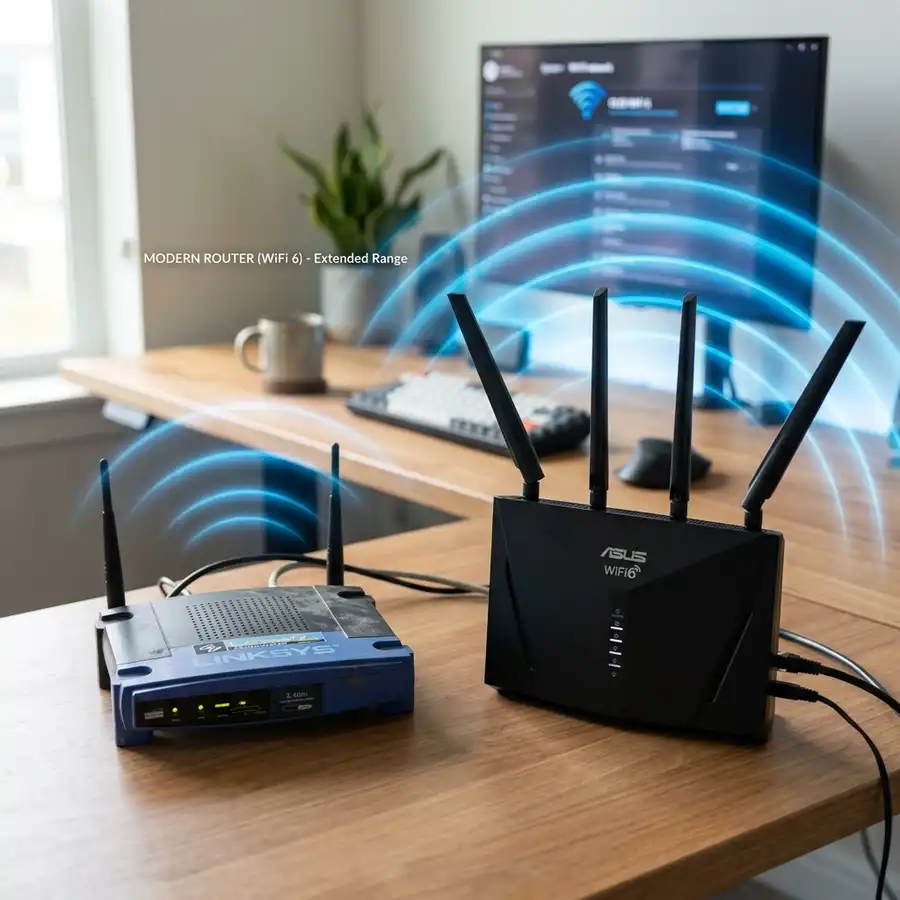
Both DNS Resolver and DNS Forwarder serve unique roles in PfSense, but the ideal choice depends on the specific network requirements.
Understanding DNS Resolution
DNS resolution is a fundamental process that translates domain names into IP addresses through a series of queries. This essential process is critical for enabling users to access websites and resources on the internet, as the Domain Name System serves as the backbone of online navigation.
What is a DNS Resolver?
A DNS Resolver is a service that directly queries authoritative DNS servers to resolve domain names into IP addresses. It performs recursive queries, identifying the required DNS information step by step, and caches responses for subsequent requests, promoting efficiency in the resolution process.
Benefits of Using a DNS Resolver
DNS Resolvers often provide enhanced performance through caching and reduced query times. They can directly handle complex queries from the internet, effectively lowering latency in response times and improving overall user experience.

What is a DNS Forwarder?
A DNS Forwarder relies on an upstream DNS server for name resolution. It forwards DNS queries to another DNS server instead of resolving them locally, simplifying management tasks and reducing the load on local resources.
Benefits of Using a DNS Forwarder
DNS Forwarders simplify network configurations by allowing centralized management of DNS requests. They are particularly beneficial in environments where external queries are preferred, significantly reducing the need for extensive local resources and maintenance.
Performance Comparison
| Feature | DNS Resolver | DNS Forwarder |
|---|---|---|
| Query Type | Recursive | Forwarding |
| Cache Capability | Yes | No |
| Configuration Complexity | Moderate | Simple |
| Response Time | Usually faster | Varies |
| Control Level | High | Low |
Choosing Between DNS Resolver and Forwarder
The choice between DNS Resolver and DNS Forwarder hinges on several factors including performance needs and network complexity. Moreover, administrative preferences should also be meticulously considered for optimal network efficiency and resource allocation.
When to Use DNS Resolver
A DNS Resolver is preferable for networks requiring increased control and faster resolution. This option is ideal for advanced configurations that demand optimized performance across diverse environments and user loads.
When to Use DNS Forwarder
A DNS Forwarder is suited for simpler environments where quick DNS setup is necessary. It is especially advantageous for organizations that rely on existing external DNS infrastructure to mitigate management complexity.
Common Use Cases
Organizations with a variety of internal resources often benefit from using DNS Resolvers for enhanced control and performance. Conversely, smaller networks may opt for DNS Forwarders to facilitate ease of management and lighten administrative overhead.
Enterprise Environments
In enterprise environments, efficiency and fast resolution time are paramount for fulfilling user demands. DNS Resolvers offer this advantage through comprehensive caching mechanisms that serve to minimize external requests and enhance reliability.
Small Business Environments
Small business networks can significantly utilize DNS Forwarders to reduce complexity and alleviate operational challenges. This approach effectively facilitates basic DNS management without requiring extensive knowledge or specialized skills.
Security Considerations
Security is a critical aspect when configuring DNS, as vulnerabilities can be exploited for various malicious intents. Both DNS Resolvers and Forwarders can implement increased security measures; however, their approaches and effectiveness may differ greatly based on configuration.
DNS Resolver Security
DNS Resolvers have the capability to configure security features like DNSSEC, which ensures the integrity and authenticity of DNS responses. This feature enhances trustworthiness in the returned records, which is vital for secure communications across all network layers.
DNS Forwarder Security
DNS Forwarders typically inherit security features from upstream providers, meaning that their security ultimately depends on the reliability of those external servers. Organizations must evaluate the security measures employed by upstream providers to ensure adequate protection for sensitive data and operations.
Advanced Troubleshooting Techniques
Effective troubleshooting is essential for maintaining network reliability and performance, especially in environments with extensive DNS configurations. Employing systematic approaches can help diagnose issues related to DNS configurations effectively and with minimal disruption.
Identifying DNS Issues
Network administrators should regularly verify the configuration settings of both DNS Resolvers and Forwarders to prevent disruptions. Common issues such as incorrect forwarding addresses, DNS timeouts, or problems with upstream DNS servers could require immediate attention and diagnostic efforts.
Leveraging Logging for Diagnostics
Enabling detailed logging in PfSense can provide valuable insights into DNS query failures or misconfigurations. By reviewing logs regularly, administrators can identify patterns that indicate recurring issues, making it easier to prioritize resolutions.
Utilizing Network Monitoring Tools
Incorporating powerful network monitoring tools allows for real-time observation of DNS traffic flows. This proactive method can be instrumental in detecting irregular traffic patterns or potential bottlenecks that could adversely affect DNS performance metrics.
Performing DNS Lookup Tests
Running command-line tools such as nslookup or dig allows for manual DNS queries and diagnostic checks to determine functionality. These tests can effectively verify if a Resolver or Forwarder is responding as expected to queries, thus ensuring network reliability.
Industry Standards for DNS Configuration
Adhering to industry standards ensures optimal performance and security in DNS configurations, thus contributing to overall network reliability. Compliance with best practices significantly enhances both the efficiency and effectiveness of DNS services across networks.
Implementing DNSSEC
Domain Name System Security Extensions (DNSSEC) enhance security by allowing clients to verify the authenticity of received DNS data. Implementing DNSSEC is crucial for preventing various types of attacks, including DNS spoofing and cache poisoning, which can severely compromise network integrity.
Regular Software Updates
Keeping DNS software consistently updated ensures access to the latest security features and improvements available. Administrators are encouraged to routinely check for updates to PfSense and relevant DNS packages to mitigate vulnerabilities associated with outdated software.
Maintaining Compliance with RFCs
Following Request For Comments (RFC) documents guides proper adherence to DNS protocols and standards. Compliance with these documents is essential in ensuring interoperability and reliability across different network devices and services.
Documenting Configuration Changes
Maintaining comprehensive documentation of all changes to DNS configurations aids in troubleshooting and facilitates future audits. This practice promotes transparency within the organization and enhances knowledge transfer among team members, preventing information silos.
Professional Tips for Configuration
Expert knowledge can significantly streamline the configuration process of DNS Resolvers and Forwarders within PfSense. Following professional tips enhances the overall performance of DNS services and improves network administration efficiency.
Best Practices for DNS Caching
Setting appropriate cache time-to-live (TTL) values allows for an effective balance between serving fresh data and minimizing query times. Configuring TTL values too short can lead to excessive queries, while setting them too long may serve stale data, affecting user experience.
Network Segmentation Strategies
Implementing network segmentation can substantially improve performance by isolating DNS traffic from other types of network activities. This strategic approach allows DNS services to function efficiently while reducing unnecessary congestion or interference.
Configuring Access Control Lists (ACLs)
Setting up Access Control Lists (ACLs) for DNS services can help restrict access while enhancing security measures. Implementing ACLs ensures that only authorized clients can send queries, which mitigates potential attacks and unauthorized access efforts.
Preparing for Scaling
Considering future growth and scalability during configuration can save valuable time and resources. A scalable DNS architecture effectively accommodates increasing traffic and additional network resources without necessitating significant redesign efforts.
Step-by-Step Procedures for Configuration
Detailed procedures can be indispensable in assisting network administrators with properly configuring DNS Resolvers and Forwarders in PfSense. Clear, straightforward guidance can significantly mitigate common configuration pitfalls.
Configuring a DNS Resolver in PfSense
To set up a DNS Resolver, start by navigating to the DNS Resolver settings located in the PfSense interface menu. Enable the DNS Resolver service and methodically configure upstream servers according to the specific requirements of the organization’s network environment.
Setting Up a DNS Forwarder in PfSense
To establish a DNS Forwarder, first access the DNS Forwarder settings in the PfSense dashboard. Input the IP addresses of the intended upstream DNS servers, and ensure that the service is activated to facilitate forwarding of DNS queries effectively.
Testing DNS Configuration
Upon completion of configurations, it's crucial to run tests to ensure that functionality is intact and operating correctly. Conducting basic DNS queries using established tools can confirm that the resolver or forwarder is responding accurately to requests as intended.
Monitoring DNS Performance After Configuration
Implementing robust monitoring solutions post-configuration is essential for ensuring the ongoing evaluation of DNS service performance. Regular assessments and performance analysis can help identify emerging issues that may arise after deployment, facilitating timely and effective resolutions.
Advanced Troubleshooting
Signal Interference Identification
Understanding electromagnetic interference can be critical for troubleshooting DNS issues when physical media is involved. Various factors can contribute to signal degradation, affecting DNS query performance and necessitating thorough diagnostics to locate the source of interference.
Analyzing Query Response Times
Measuring the time taken for DNS queries to return results can highlight hidden performance issues within the network. Network tools capable of tracking latency can uncover misconfigurations or bottlenecks significantly affecting response times and overall user experience.
Layer 2 and 3 Analysis
Understanding both Layer 2 (Data Link) and Layer 3 (Network) functions is crucial for diagnosing network issues. Investigating the interaction between DNS queries and various networking protocols can expose failures in communication pathways that require attention.
Industry Best Practices
Implementation of Redundancy
Creating redundant DNS setups can minimize downtime and enhance reliability. Implementing multiple DNS Resolvers or Forwarders provides backup systems, ensuring continuous operations even in case of a failure or network disruption.
Data Encryption for DNS Queries
Utilizing protocols such as DNS over HTTPS (DoH) or DNS over TLS (DoT) enhances the security of DNS transactions. Encrypted queries protect against eavesdropping and tampering, safeguarding sensitive data transmitted over the network and enhancing user privacy.
Regular Auditing and Analysis
Conducting regular audits of DNS configurations and performance metrics can identify inconsistencies and potential threats. Establishing a routine analysis framework is essential for maintaining an optimized and secure DNS environment.
Professional Configuration Strategies
Deciding on DNS Lookup Order
Establishing a logical lookup order for DNS can optimize resolution paths and minimize latency. Configuration options may prioritize local resources before resorting to upstream queries, improving the efficiency of traditional DNS processes and reducing resolution times.
Regular Review of Logs for Anomalies
Frequent auditing of DNS logs can reveal unusual patterns indicating security threats or malfunctions. By staying vigilant and reviewing these records periodically, administrators can respond proactively to emerging issues impacting network performance.
Evaluating Third-Party DNS Services
Considering various third-party DNS services can provide enhanced performance and security features. Evaluating these options allows organizations to choose the most suitable solution aligning with their specific network requirements and performance goals.
Step-by-Step Procedures for Enhanced Configuration
Backup Before Major Changes
Creating a full configuration backup is essential before implementing any significant changes to DNS settings. This proactive measure ensures the ability to restore to a stable state quickly should complications arise during reconfiguration.
Utilizing Virtual Appliances for Testing
Testing DNS configurations in virtualized environments allows for safe experimentation without impacting production systems. Virtual setups provide flexibility for simulating various scenarios and configurations that evaluate performance and security metrics effectively.
Conclusion
Ultimately, the decision to use a DNS Resolver or DNS Forwarder in PfSense should align with the specific needs of the network in question. A careful evaluation of performance characteristics, control requirements, and security measures is essential for making the best choice for any organization.

To expand on this subject, it is highly useful to also explore how to best 5ghz wifi channel in detail.
To expand on this subject, it is highly useful to also explore how to best cheap gigabit router in detail.
Frequently Asked Questions
What is the main advantage of a DNS Resolver?
The primary advantage of a DNS Resolver lies in its ability to cache DNS responses, subsequently leading to faster query times and a reduced load on upstream DNS servers. This capacity for local caching enhances overall network efficiency and performance.
Can a DNS Forwarder be more secure than a DNS Resolver?
While a DNS Forwarder's security relies heavily on the upstream DNS servers used, it can potentially benefit from robust security protocols implemented by those providers. Thus, evaluating the trustworthiness and security measures of these upstream servers becomes crucial for assessing potential vulnerabilities in network configurations.
When should organizations consider switching from Forwarder to Resolver?
Organizations should contemplate transitioning to a DNS Resolver when there is a need for greater control over DNS queries and improved performance through the utilization of local caching mechanisms. A thorough analysis of current DNS performance metrics should guide any decisions in this regard.