
Fast roaming on Ubiquiti UniFi WiFi can be configured through the UniFi controller, enhancing user experience by ensuring minimal downtime during transitions between access points.
Fast roaming plays a vital role in maintaining uninterrupted connections in environments with multiple access points. It allows devices to switch seamlessly from one access point to another without lag.
Understanding Fast Roaming
Fast roaming is crucial in wireless networks, especially in business environments. It leverages specific protocols, such as 802.11r, to facilitate quicker handoffs.
This technology helps maintain session persistence, allowing the user experience to remain smooth, even when devices move through various access points. Additional protocols like 802.11k and 802.11v work alongside 802.11r to optimize performance further.
Benefits of Fast Roaming
Implementing fast roaming improves overall network performance. This is especially important in settings like offices, schools, or hospitals, where mobility is frequent.
Enhanced roaming capabilities lead to reduced latency and fewer disconnection incidents. As a result, the productivity of mobile users significantly improves in high-density environments.

Configuration Steps
Access the UniFi Controller
The first step involves logging into the UniFi Controller. This can typically be done via a web browser or the UniFi mobile app.
It is essential to ensure the device has the latest application version for optimal functionality. Accessing the controller remotely requires adequate credentials and network configurations for security purposes.
Navigate to Wi-Fi Settings
Once logged in, navigate to the ‘Settings’ section. From there, select ‘Wi-Fi’ to access the Wi-Fi configuration options.
Understanding the various settings in this section allows for better fine-tuning according to the specific deployment needs. This includes options for SSID configuration and security protocols.
Select the Wi-Fi Network
Choose the specific Wi-Fi network to which fast roaming will be applied. Each network can be customized according to its requirements.
Identifying the right network ensures that the settings are applied effectively. Different networks may have varying traffic patterns and user behavior that can influence configuration choices.
Enable Fast Roaming
Within the network configuration, locate the fast roaming option. Toggle it on to enable fast roaming functionalities.
It is beneficial to review other advanced options available in the same section. Adjusting settings related to channel width and transmit power can significantly impact performance as well.
Save Changes
After enabling fast roaming, ensure to save the changes. This is crucial to confirm the new settings take effect.
Failure to save settings may result in configuration inconsistencies and connectivity issues. A regular check of configuration changes made is advised to maintain network integrity.
Technical Metrics Comparison
| Feature | 802.11n | 802.11ac | 802.11ax |
|---|---|---|---|
| Maximum Speed | 600 Mbps | 1300 Mbps | 9608 Mbps |
| Fast Roaming Support | No | Yes | Yes |
| Channel Width | 20/40 MHz | 20/40/80 MHz | 20/40/80/160 MHz |
| MU-MIMO support | No | Yes | Yes |
Troubleshooting Fast Roaming
Network administrators may encounter issues during the configuration process. Regularly checking firmware updates for UniFi devices can help mitigate potential problems.
Devices that do not support fast roaming features may also impact overall wireless performance. It's essential to ensure all connected devices are compatible.
Common Issues and Solutions
One common issue is slow handoff times, which can stem from improper access point placement. Conducting a proper site survey can help identify and rectify these shortcomings.
Another issue might be interference from other devices operating on similar frequencies. Utilizing the 5 GHz band can often alleviate congestion caused by overlapping channels in the 2.4 GHz band.
Monitoring Device Compatibility
Identifying devices that do not support fast roaming and replacing them can greatly improve network performance. Most modern devices are compatible, but older models may require upgrades.
A comprehensive compatibility list can be generated through the UniFi controller. Keeping track of this will ensure that network performance is not compromised.
Advanced Troubleshooting Techniques
In instances of persistent connectivity issues, a more thorough analysis may be required. Inspecting signal strength metrics helps determine optimal access point placement based on coverage needs.
Tools such as spectrum analyzers can visualize channel usage and identify potential interference sources. This information assists in configuring settings for minimal disruption to fast roaming functions.
Analyzing Signal Strength
Maintaining a strong signal is crucial for successful fast roaming. Employing tools that provide real-time monitoring of signal strength can help identify areas with weak connectivity.
Weak signals can lead to performance drops; administrators should aim for a minimum acceptable signal level for mobile devices. This ensures users experience optimal connectivity while moving between zones.
Re-evaluating Access Point Coverage
Coverage gaps can greatly impact mobile user experience. Conducting additional site surveys periodically ensures that the coverage aligns with evolving usage patterns and demands.
Adjustments to access point placements and broadcast power levels may be necessary over time. Dynamic environments often necessitate continuous reassessment to maintain coverage quality.
Professional Tips for Best Performance
Network professionals should constantly monitor network traffic for unusual patterns. Such monitoring can help quickly identify and resolve potential scalability issues.
Documentation of network changes, including configurations and processes, can provide valuable reference points. This practice enables quicker troubleshooting and better communication within teams.
Implementing Quality of Service (QoS)
Quality of Service settings can prioritize traffic to ensure essential applications receive the bandwidth they need. This is especially critical in environments with diverse traffic types.
Defining QoS rules tailored to specific applications or users can ensure optimized performance. Regular review of these rules is important to accommodate changing usage patterns over time.
Regular Performance Audits
Conducting regular performance audits keeps the network operating at peak efficiency. These audits help identify potential bottlenecks that may require adjustments or upgrades.
Utilizing performance monitoring tools can provide detailed insights into network health. This data is crucial for informed decision-making regarding infrastructure investments.
Industry Standards
The IEEE 802.11 standards define the protocols and specifications for wireless networks. Compliance with these standards ensures interoperability among devices.
Understanding these standards is crucial for network professionals aiming to implement cutting-edge technologies. This knowledge also helps in staying updated with future developments in wireless technology.
Understanding IEEE 802.11 Protocols
Familiarity with various 802.11 protocols aids in choosing the right technology for specific needs. Each protocol comes with unique capabilities that can influence user experience significantly.
For instance, 802.11ax, known as Wi-Fi 6, offers improvements like increased capacity and efficiency in dense environments. Adopting these protocols can future-proof network setups for expected increases in device connectivity.
Impact of Electromagnetic Interference (EMI)
Electromagnetic interference can severely degrade wireless signal quality. Recognizing sources of EMI, such as microwaves and cordless phones, can help mitigate its effects.
Utilizing shielding techniques or adjusting access point placement can reduce the impact of EMI. This ensures stronger connections in environments with substantial interference.
Step-by-Step Procedure for Site Surveys
Conducting effective site surveys entails several critical steps to ensure robust coverage. Proper planning and execution enhance the likelihood of achieving optimal wireless performance.
The first step involves gathering information about the intended area for wireless coverage. Identifying user densities and expected device types informs placement strategies for access points.
Utilizing Survey Tools
Utilizing dedicated wireless survey tools can significantly enhance survey accuracy. These tools can provide heat maps indicating signal strength across different zones of the coverage area.
Performing mobile surveys while simulating actual user movement helps in pinpointing coverage and performance variations. This practical approach offers real-world insights that static evaluations cannot achieve.
Documenting Findings
Thorough documentation of survey findings is crucial for future reference. Accurate records of signal levels, identified interference sources, and suggested changes to access point placements support ongoing network improvements.
Leveraging this documentation fosters design consistency when future expansions or upgrades are considered. This practice ensures that insights from past deployments inform new configurations.
To expand on this subject, it is highly useful to also explore how to best budget mesh wifi in detail.
To expand on this subject, it is highly useful to also explore how to best 5ghz wifi channel in detail.
Frequently Asked Questions
What devices support Fast Roaming?
Devices that support the 802.11r protocol will benefit from fast roaming features. This includes most modern smartphones, tablets, and laptops.
Is there a performance impact when enabling Fast Roaming?
Generally, enabling fast roaming has a positive impact on connectivity and user experience. There may be minimal delays during the initial setup, but these are usually outweighed by the benefits.
How can electromagnetic interference affect Wi-Fi?
Electromagnetic interference can disrupt communication between devices and access points. This disruption may lead to decreased signal strength and increased latency.
Can fast roaming be disabled on a network?
Yes, fast roaming can be disabled if necessary. This option is typically found within the Wi-Fi configuration settings in the UniFi Controller.
Advanced Troubleshooting
Being familiar with advanced troubleshooting methods can be beneficial for resolving complex issues. Analyzing the Access Point (AP) logs can provide insights into connectivity problems.
Visualizing the environment with floor plans marked for signal strength can highlight dead zones and areas needing more coverage. Reviewing historical performance data is also crucial for diagnosing recurring issues.
Conducting Signal Analysis
Regular signal analysis helps track health metrics and fluctuations in wireless connection quality. Armed with these insights, adjustments can be made to improve performance.
Furthermore, using software applications to analyze and graph signal strength over time allows administrators to identify patterns in network behavior. This data provides a foundation for making informed decisions regarding infrastructure enhancements.
Utilizing Spectrum Analyzers
Spectrum analyzers provide a more in-depth view of channel activity and interference. These devices can capture and display the noise floor, revealing radio frequency (RF) disruptions not easily measurable by other means.
Making use of this information can guide adjustments to channel selection and power output for optimal performance. Professionals can effectively minimize or avoid interference when deploying access points strategically.
Physics of Network Media
Understanding the physics behind network media is essential for optimizing wireless performance. As electromagnetic waves travel through space, they can be influenced by a variety of factors, including atmospheric conditions and physical barriers.
The principles of wave propagation dictate how well signals traverse different environments. This understanding helps in deploying access points where they can provide maximum coverage and minimize signal degradation.
Wave Propagation in Wireless Networks
Wave propagation describes how signals travel through the air. Certain factors, such as frequency and wavelength, significantly impact a signal’s range and strength.
Higher frequency signals typically offer greater bandwidth but have shorter range capabilities, which necessitates careful planning in deployment. Understanding these principles informs optimal access point configurations for user mobility.
Signal Reflection and Refraction
Wireless signals can experience reflection and refraction when they encounter obstacles. Recognizing these behaviors helps in predicting how signals behave in complex environments.
The placement of access points should consider possible barriers for optimal path loss reduction. Avoiding placement near potential reflectors can also enhance signal stability and strength.
Infrastructure Design Considerations
A well-planned network infrastructure design directly contributes to effective fast roaming implementations. This entails considering access point density, placement strategies, and potential coverage overlap.
Taking into account the physical layout and expected user movement patterns can guide decision-making. These considerations help to accommodate varying traffic loads and mitigate performance issues.
Assessing Access Point Density
Determining the appropriate number of access points in a given area requires careful assessment. The goal should be to achieve sufficient coverage while avoiding signal overlap that could cause interference.
A higher density of access points can enhance performance in crowded environments, ensuring that client devices remain connected seamlessly. However, each installation must also evaluate current and future traffic patterns to determine ideal configurations.
Incorporating Redundancy
Incorporating redundancy within the network can ensure high availability. Redundant access points provide backup options in the event of a failure or performance degradation.
Building redundancy into both the access point and the backend infrastructure minimizes the impact on users. This thoughtful design contributes to overall network resilience and user satisfaction.
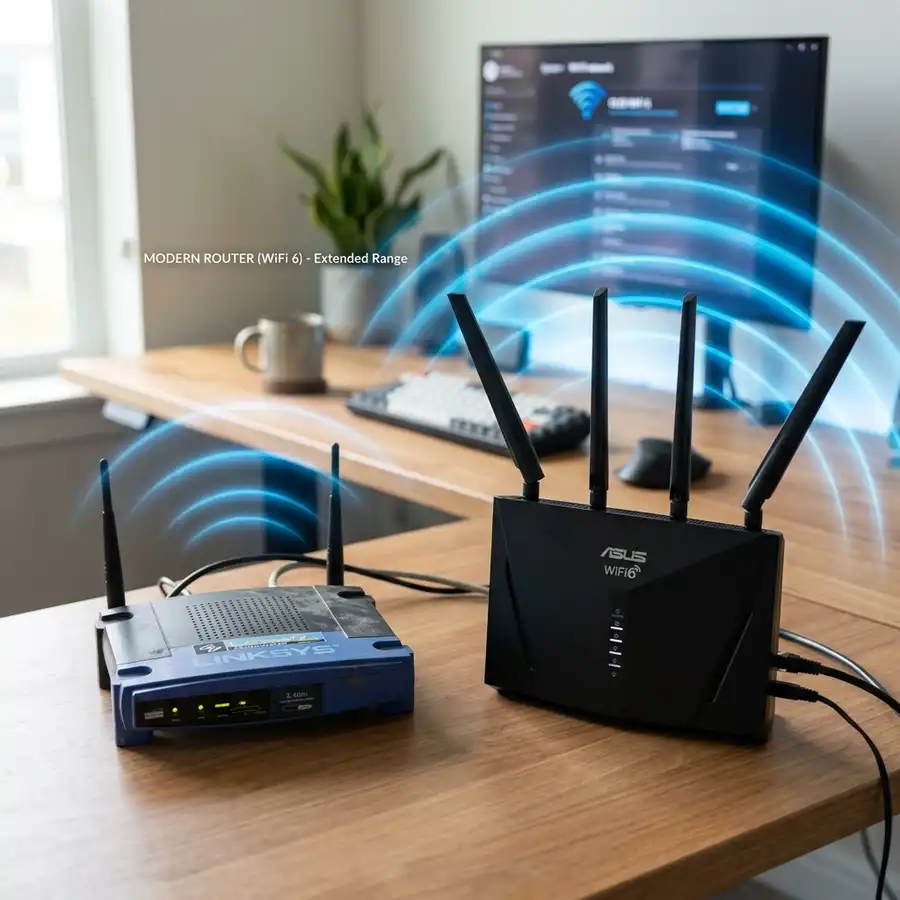
Advanced Industry Insight
The integration of emerging wireless technologies can significantly impact the effectiveness of fast roaming implementations. Staying abreast of the latest developments ensures that configuration aligns with industry best practices.
Future trends in wireless technology include increased reliance on artificial intelligence for network management. As networks become more complicated, automated solutions may enhance overall performance and user experience.
Adoption of Mesh Networking
Mesh networking allows multiple access points to work in unison to provide seamless coverage. This configuration can minimize dead spots and enhance user mobility within the network.
The technology benefits fast roaming by allowing devices to find optimal paths without human intervention. This automated process greatly improves the user experience in complex environments.
Future Trends in Wireless Technology
Innovations such as Wi-Fi 7 promise even higher speeds and lower latencies, further enhancing fast roaming capabilities. Understanding these future trends is vital for network professionals who seek to stay competitive in the landscape.
Anticipating these advancements also aids in proactive planning for infrastructure upgrades. This foresight ensures that existing systems can evolve to meet the demands of emerging technologies.