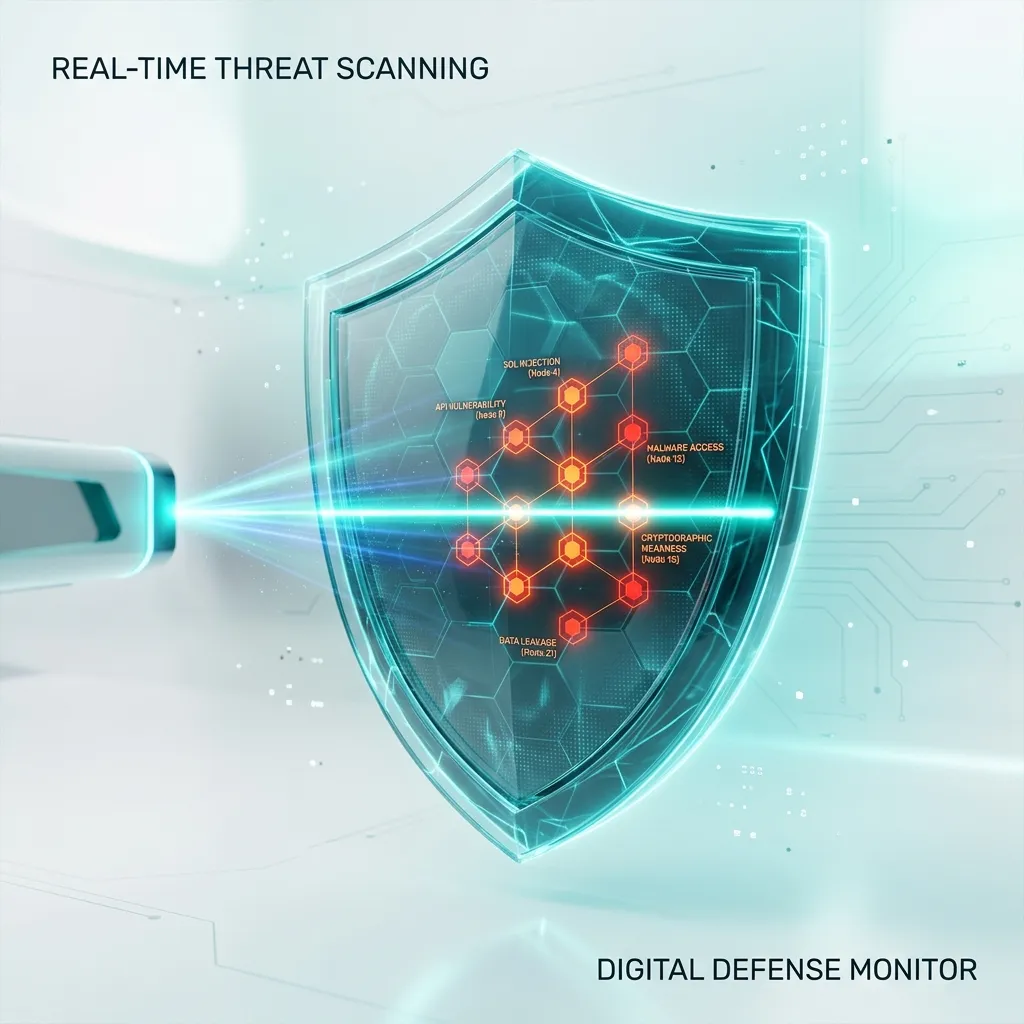
Configuring DNS forwarding with DNSSEC on PfSense enhances security and ensures validated DNS responses.
DNS (Domain Name System) acts as the phonebook of the internet, translating domain names into IP addresses. This critical function enables users to access websites using familiar names instead of numeric IP addresses and simplifies navigation across the digital landscape.
Understanding DNS and DNSSEC
DNS operates on a hierarchical structure of name servers, which convert human-friendly domain names to machine-readable IP addresses. Each level of the hierarchy is responsible for a portion of the namespace, allowing efficient query resolution across the internet with minimal latency and robust load balancing.
DNSSEC (DNS Security Extensions) extends this foundational framework by allowing clients to verify the authenticity of DNS data using digital signatures. This feature is crucial for maintaining data integrity and preventing man-in-the-middle attacks that can compromise the user experience, which in turn fortifies trust in internet communications.
The foundational principles behind DNS and DNSSEC rely on cryptography that employs hashing algorithms and public-key cryptography. These technologies are vital in authenticating sources, ensuring that the data exchanged has not been altered by malicious entities.
Prerequisites for Configuration
Before configuring DNS forwarding with DNSSEC on PfSense, ensure there is a functioning PfSense installation with the latest updates applied. The installation’s firmware should be regularly updated to incorporate security patches and performance improvements essential for optimal functionality.
Access to the PfSense web interface with administrative privileges is also required for configuration purposes, and familiarity with the command-line interface can facilitate advanced troubleshooting later if issues arise.
A stable internet connection is necessary to download any required packages during the setup process, and understanding the underlying network architecture aids in ensuring optimal configuration settings for specific network environments. This knowledge is pivotal for assessing bandwidth requirements and mitigating delays.
Step-by-Step Configuration Process
Accessing the PfSense Web Interface
First, log in to the PfSense web interface using valid administrator credentials. The main dashboard provides access to various configuration options needed for setting up DNS services, streamlining the navigation process to critical areas.
Installing DNS Forwarder and Resolver
Navigate to 'System > Package Manager' and select 'Available Packages.' Searching for 'DNS Forwarder' and 'DNS Resolver' enables the installation of necessary components that facilitate DNS operations crucial for maintaining performance during high-traffic periods.
After locating the packages, proceed with the installation by following on-screen prompts to ensure proper setup. This step integrates all required functionalities into the PfSense system for seamless DNS operation, benefitting users by ensuring quick query responses.
Enabling DNS Forwarding
Navigate to 'Services > DNS Forwarder' in the PfSense menu. Activating the DNS Forwarder service allows the router to handle DNS queries efficiently by forwarding them to the appropriate upstream DNS servers, optimizing the flow of traffic through the local network.
Configuring DNSSEC
Within the DNS Forwarder settings, enable the DNSSEC validation feature. This activation authenticates DNS responses based on cryptographic signatures, significantly improving reliability and fostering an environment of trust in internet navigations.
DNSSEC works by adding a layer of security that confirms that the data has not been tampered with in transit. It also requires the use of public key cryptography, ensuring that responses are from legitimate sources, thereby reducing data integrity risks.
Adding DNS Servers
Enter the IP addresses of DNS servers in the provided fields, ensuring selected servers support DNSSEC features. Popular choices include Google DNS (8.8.8.8 and 8.8.4.4) and Cloudflare DNS (1.1.1.1), known for reliability and speed, both of which are essential for maintaining a responsive internet experience.
Testing the Configuration
Use command-line tools such as 'nslookup' or 'dig' to verify that DNS queries return valid and expected responses. Additionally, checking for DNSKEY records ensures that DNSSEC validation has occurred successfully and that responses can be trusted.
Comparison of DNS Forwarding and Resolving Modes
| Metric | DNS Forwarding | DNS Resolving |
|---|---|---|
| Performance | Generally Faster | Potentially Slower |
| Cache Usage | Less Cache Efficiency | Higher Cache Efficiency |
| Complexity | Simple Setup | More Complex Configuration |
| Security | Depends on External Server Security | Enhanced Security with DNSSEC |
Understanding DNS Forwarding vs. Resolving
DNS forwarding simply passes requests from a local DNS resolver to an external server. It does not perform any DNS resolution itself, which can lead to increased latency in environments where quick access is essential.
In contrast, DNS resolving performs the entire query process, starting from contacting the root DNS servers down to the authoritative servers for the requested domain. This allows for better caching strategies and can enhance performance, particularly within enterprise networks that handle a high volume of queries.
Advanced Troubleshooting
Common Issues and Solutions
When configuring DNS services, users may encounter common issues such as DNS resolution failures or unexpected query results. Identifying misconfigurations in DNS settings often resolves such problems by ensuring that the settings align with network architecture.
Another frequent challenge is network connectivity issues, which may prevent proper communication with upstream DNS servers. Conducting a traceroute can help pinpoint where connectivity issues arise in the network path, identifying whether the fault lies within local settings or external environments.
Interpreting Log Files
PfSense maintains log files that can provide insights into DNS query handling. Reviewing these logs facilitates troubleshooting steps when DNS responses are not as expected, aiding in determining whether the issue stems from the DNS server or an external source.
Log entries can indicate whether queries are being forwarded correctly, and diagnosing issues becomes more manageable when the exact nature of failures is understood. Accessing system logs in the PfSense interface allows users to locate these details efficiently for enhanced decision-making.
DNSSEC-Specific Challenges
Issues related to DNSSEC call for a deeper understanding of the cryptographic operations being employed. If errors occur regarding DNSSEC validation, users may need to check their DNS servers for correct configuration and support for the required cryptographic standards.
Sometimes, intermediate DNS servers may not fully support DNSSEC, thus causing validation failures. Utilizing DNS servers known for complete DNSSEC compatibility can alleviate this problem and ensure secure resolution of DNS queries.
Industry Standards for DNS Implementation
Compliance with industry standards is critical in establishing secure and efficient DNS environments. The Internet Engineering Task Force (IETF) provides guidelines through various RFCs relevant to DNS operations, enriching the foundational protocols that govern internet functionality.
Standards such as RFC 4033, RFC 4034, and RFC 4035 outline DNSSEC functionalities, including how to generate keys and sign DNS zones. Proper implementation of these standards ensures a consistent and secure approach to DNS management, fostering trust and stability across the internet ecosystem.
Professional Tips for Optimal Configuration
Understanding the network topology can significantly impact the success of DNS configurations. Analyzing the environment helps define how DNS services should be structured, whether through forwarding, resolving, or a combination to achieve maximum efficiency.
Regular updates and maintenance are essential to ensure security and performance remain intact. Keeping PfSense and associated components up to date mitigates risks associated with unpatched vulnerabilities, which can be a significant attack vector in network infrastructure.
Best Practices for DNS Security
Implementing access control lists (ACLs) enhances security by restricting who can query the DNS server. Limiting access to known IP addresses reduces potential attack vectors while ensuring that internal resources remain protected.
Additionally, using DNS over HTTPS (DoH) or DNS over TLS (DoT) can encrypt DNS queries, further enhancing privacy. Adopting these practices is crucial for maintaining a secure DNS environment while promoting user confidence in network operations.
To expand on this subject, it is highly useful to also explore how to best 2.4ghz wifi channel in detail.
To expand on this subject, it is highly useful to also explore how to best budget mesh wifi in detail.
Frequently Asked Questions
What are the benefits of using DNSSEC?
DNSSEC provides integrity and authenticity for DNS responses. This mitigates risks such as spoofing and cache poisoning, bolstering the overall security posture of networked applications and preserving user trust.
Can DNSSEC be disabled on PfSense?
Yes, DNSSEC can be disabled in the DNS Forwarder settings. Users may choose to do this for troubleshooting or performance reasons to ease operational complexity, but should ensure they understand the implications on security.
Is it necessary to configure DNS Forwarding and DNSSEC together?
While both can operate independently, combining them enhances security and improves the reliability of DNS information. It is highly recommended to configure them together to realize full benefits and maintain an efficient and secure DNS landscape.
Additional Troubleshooting Techniques
Using Packet Capture for DNS Analysis
Packet capture tools can provide in-depth analysis of DNS queries and responses. Sniffing packets allows for review of DNS transactions, which can reveal issues in configuration or performance that may not be apparent through logs.
Utilizing tools like Wireshark, users can filter DNS packets specifically to identify anomalies in communication with queried DNS servers. This granular view helps isolate and address underlying issues effectively.
Verifying Network Path Integrity
Network path integrity is essential for ensuring reliable DNS service. Tools like traceroute and ping can assess connectivity between the local network and upstream DNS servers, informing users of potential latency or non-responsive links.
Evaluating each hop in the network path can pinpoint causes of delay or failure, enabling targeted interventions to restore service quality. Understanding signal degradation across distances enhances the ability to solve connectivity issues.
Assessing DNS Server Performance Metrics
Monitoring performance metrics of configured DNS servers is vital for operational efficiency. Metrics such as response time, query rate, and error rate provide insight into the server's health and effectiveness at serving DNS requests.
Regular assessment of these metrics enables proactive adjustments to server configurations, ensuring they are optimized for handling expected loads and improving user experience across the network.
Maintaining Comprehensive Documentation
Creating detailed documentation of the DNS configuration process is a best practice that enhances long-term management. A well-organized record assists in future troubleshooting, upgrades, and audits of network configurations.
Documentation should outline not only the steps taken for DNS setup but also any changes made throughout the process. This cumulative knowledge base supports teams in maintaining system resilience and continuity over time.
Understanding Electromagnetic Interference
Electromagnetic interference (EMI) can significantly impact the performance of network applications. Understanding the sources and implications of EMI is critical, as it can affect signal quality and data integrity in transmission pathways.
Common sources of EMI include electrical equipment, radio transmissions, and high-voltage power lines. Proper cable management and shielding techniques can help mitigate these interferences, enhancing the reliability of network communications.
Minimizing Latency in Network Configurations
Latency can adversely affect DNS performance, making it essential to optimize configurations to minimize delays. Factors contributing to latency include network congestion and suboptimal routing paths that increase round-trip time for DNS queries.
Streamlining network routes and using local DNS caches can effectively reduce latency. Understanding the physics of data transmission, such as propagation delay based on distance, also informs strategies to enhance response times.
Future Trends in DNS Management
The future of DNS management is leaning towards decentralization and blockchain technology for improved security and resilience. As threats evolve, innovative solutions are being explored to enhance DNS functionalities while safeguarding data integrity.
Technologies such as DNS over HTTPS (DoH) and enhanced encryption methods are becoming standard practices. Keeping abreast of these trends ensures that network infrastructures remain robust and capable of adapting to emerging challenges.
Conclusion
Configuring DNS forwarding with DNSSEC on PfSense is not only a step towards enhanced security, but also a commitment to maintaining the integrity and reliability of network services. By adhering to industry standards and employing best practices, administrators can ensure a robust and secure DNS environment crucial for effective network operations.
Advanced Troubleshooting Techniques
Troubleshooting Network Latency Issues
Network latency can become a major issue affecting DNS performance. Identifying latency problems requires measuring the time taken for DNS queries and analyzing network paths to determine any segments that introduce delays.
Techniques such as analyzing round-trip times and checking network congestion levels play a crucial role in diagnosing performance issues. This understanding allows adjustments to be made to optimize the DNS setup further.
Addressing DNS Caching Problems
DNS caching problems may lead to stale data being served to users. Understanding how long records are cached based on Time to Live (TTL) settings is vital for managing the accuracy of DNS responses across the network.
Regularly clearing DNS caches and monitoring cache hit ratios can enhance DNS performance. This helps ensure users receive the most current information without unnecessary delays.
Utilizing DNS Tools for Advanced Analysis
Advanced DNS analysis tools can provide a deeper insight into the operational state of the DNS infrastructure. These tools can facilitate query logging, debugging, and performance tracking to inform administrators of issues as they arise.
Employing tools like DNSPerf and DNSViz can identify potential issues and verify the correct implementation of DNSSEC throughout the network. These capabilities can streamline the optimization of DNS configurations.
Expanding Knowledge on Signal Propagation
Understanding signal propagation is crucial for network reliability, especially in the context of electromagnetic fields. Signal degradation can occur due to reflection, refraction, and absorption when traversing various media.
Recognizing the impact of distance on signal strength helps in planning more efficient network layouts. This knowledge is essential when implementing cabling standards and ensuring optimal performance in DNS configurations.
Implementing Redundancy for DNS Infrastructure
Redundancy in DNS infrastructure enhances reliability and availability. Implementing multiple DNS servers can ensure continuity in service even if one server fails or experiences downtime.
Using load balancers and DNS failover mechanisms helps distribute traffic effectively, reducing the likelihood of overload on any single server. This practice not only improves response times but also enhances overall user trust in DNS services.

Staying Updated on Emerging Threats
As cyber threats evolve, staying informed about the latest vulnerabilities and attack vectors is critical. Continuously educating network teams about advancements in security protocols ensures a proactive approach to DNS management.
Regular training and awareness sessions can prepare administrators for rapidly changing threat landscapes. Implementing adaptive security measures can significantly reduce susceptibility to attacks.