
Cloudways and Hostinger offer distinct managed cloud hosting solutions tailored to different user needs.
Understanding Web Servers and Hosting
To grasp the nuances of cloud hosting, it's essential to first understand the fundamental concepts of web servers and hosting. At its core, a web server is a powerful computer that stores, processes, and delivers web pages to users over the internet.
Hosting, on the other hand, refers to the service that allows individuals and organizations to post a website or web application on the internet. When a user types a web address into their browser, the server processes the request and serves the requested content, which is often a combination of text, images, and scripts that work together to form a coherent web page.
Cloud hosting takes this concept a step further by utilizing a network of virtual servers hosted in the cloud, as opposed to a single physical server. This setup offers enhanced reliability, scalability, and performance, making it an attractive option for businesses of all sizes.
Cloudways and Hostinger, both recognized players in the hosting industry, provide managed cloud hosting solutions that abstract much of the complexity involved in server management, allowing users to focus on their core objectives rather than the underlying infrastructure.
Both Cloudways and Hostinger employ cutting-edge technologies to ensure optimal performance and security for their users. Cloudways leverages multiple cloud providers, including DigitalOcean, AWS, and Google Cloud, to offer a wide range of hosting plans tailored to specific needs.
Meanwhile, Hostinger focuses on affordability without compromising performance, making it a popular choice among budget-conscious users. Understanding the strengths and weaknesses of each platform can significantly influence your decision on which provider best suits your hosting requirements.
Troubleshooting Cloud Hosting: A Step-by-Step Guide
In navigating the world of cloud hosting, users may encounter various challenges that necessitate troubleshooting. Whether you're experiencing slow loading times, connectivity issues, or any other technical hitches, having a systematic approach can help resolve these problems efficiently. Below, we outline a detailed step-by-step guide to troubleshoot common issues with Cloudways and Hostinger hosting platforms.
First, begin by checking your internet connection. A poor connection can lead to slow website performance. If you're on a shared network, ensure that other users are not consuming excessive bandwidth with downloads or streaming. Use tools like Speedtest.net to assess your current internet speed. If the problem lies with your connection, consider resetting your router or contacting your internet service provider for assistance.
Next, it's important to verify the status of the cloud hosting service itself. Both Cloudways and Hostinger provide status pages that reflect real-time operational conditions of their services.
Visit their respective status pages to check for outages or maintenance that may affect your site. If there are no reported problems, proceed to check the performance of your website through external tools like GTmetrix or Pingdom.
These tools can help you identify specific areas where your site may be underperforming, such as server response time or large image files that require optimization.
If your website remains slow after determining that your internet connection and the hosting service are functioning correctly, it may be time to delve deeper into your site's configuration. For Cloudways users, accessing the application management panel allows for fine-tuning of server resources, including adding more RAM or CPU power if necessary.
Hostinger users can benefit from their built-in caching tools and content delivery network (CDN) options to enhance load times. Ensure to clear any caches after making changes to see the effect instantly.

Comparative Analysis of Cloudways and Hostinger
When selecting a cloud hosting provider, having a clear comparative overview can significantly streamline the decision-making process. Below, we present a structured table that outlines the key parameters, benchmarks, and plans offered by both Cloudways and Hostinger. This analysis will provide insights into their respective strengths and weaknesses, enabling users to choose the service that best fits their needs.
| Feature | Cloudways | Hostinger |
|---|---|---|
| Managed Hosting | Yes, with hands-on support and optimization. | Yes, includes automated backups and updates. |
| Scalability | Highly scalable with multiple cloud provider options. | Good scalability, but primarily focused on shared and VPS hosting. |
| Performance | Employs caching mechanisms for fast load times. | Utilizes LiteSpeed technology for optimized performance. |
| Customer Support | 24/7 expert support via live chat and ticketing. | 24/7 support through live chat, but less technical depth. |
| Pricing | Starts at $10/month, depending on the cloud provider. | Starts at $1.99/month with promotions for shared hosting. |
| Backup Options | Automated backups available, with manual restore options. | Daily backups included in most plans. |
This comparative analysis highlights the strengths and limitations of both Cloudways and Hostinger, illustrating how they cater to different user needs. Cloudways excels in offering a more customizable and scalable environment, making it suitable for developers and larger businesses requiring robust performance and support.
In contrast, Hostinger provides an economical solution focused primarily on shared hosting, which is ideal for individuals and small businesses looking to maintain a budget while still achieving satisfactory performance.

Additional Resources and Recommended Links
For users looking to deepen their understanding of cloud hosting and make informed decisions, several resources and articles are available. Consider exploring our detailed comparisons like the Hostinger vs HostGator comparison, which provides insights on how these two hosting giants stack up against each other.
Additionally, if you're new to cloud hosting, check out our guide on the cheap cloud hosting options available, offering a range of plans that cater to various budgets and requirements. Understanding the full spectrum of hosting options will empower you to select the service best aligned with your specific needs and technical capabilities.
Advanced Server Performance Tuning and Cache Policies: Understanding Core Networking Metrics
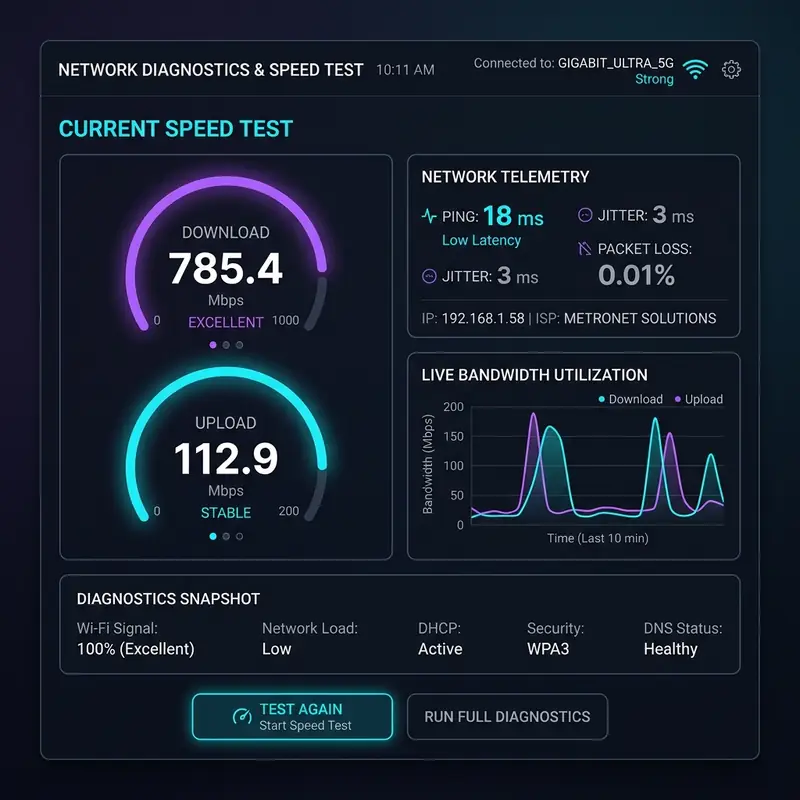
Another important aspect of performance tuning involves server load management. This refers to the amount of work that a server is processing at any given time. High server load can lead to slower response times and potential downtime.
To mitigate this, server administrators should regularly monitor their server load and use load balancing techniques to distribute traffic evenly across multiple servers. This not only enhances performance but also increases redundancy, ensuring that if one server fails, others can take over without impacting the user experience. Tools like New Relic or Datadog can provide valuable insights into server load and performance metrics, helping you make informed decisions about server adjustments.
Cache policies play a important role in improving server performance as well. Utilizing caching mechanisms such as OPcache, Redis, and Memcached can drastically reduce the time it takes to serve dynamic content.
OPcache is particularly effective for PHP applications, as it caches precompiled script bytecode, minimizing the overhead of parsing and compiling scripts on every request. Redis, on the other hand, is an in-memory data structure store that can cache database queries, while Memcached provides a distributed memory caching system that enhances the performance of web applications by alleviating database load.
In addition to cache policies, bandwidth allocation is another vital metric to consider. Proper bandwidth management ensures that your server can handle peak traffic without degrading performance.
This involves analyzing traffic patterns and possibly implementing Quality of Service (QoS) measures to prioritize critical traffic. For instance, during high-traffic periods, you may want to allocate more bandwidth to essential services or applications while limiting less critical traffic.
This proactive approach not only enhances user experience but also maintains server stability during traffic spikes.
Lastly, regular performance audits and benchmarking against industry standards can provide insights into your server’s performance. Tools like Pingdom and GTmetrix can help you analyze your site’s speed and identify bottlenecks. By continuously monitoring these core networking metrics, including TTFB, server load, and bandwidth allocation, you can ensure that your cloud hosting environment remains optimized for performance and reliability.
Implementing Robust Server-Side Cybersecurity Protocols for Cloud Hosting Environments

IP tables are another fundamental aspect of server-side security. They act as a firewall to control incoming and outgoing traffic based on predetermined security rules.
By configuring IP tables, you can restrict access to your server, allowing only trusted IP addresses to connect while blocking malicious traffic. This granular control can prevent unauthorized access and reduce the attack surface of your cloud hosting environment.
For enhanced security, consider implementing fail2ban, which automatically updates IP tables to block repeated login attempts from suspicious IP addresses, further fortifying your server against brute force attacks.
DDoS (Distributed Denial of Service) attacks pose a significant threat to cloud hosting services, as they aim to overwhelm servers with excessive traffic, rendering them unusable. To mitigate these risks, deploying a robust DDoS firewall is essential.
A DDoS firewall can filter out malicious traffic, allowing legitimate users to access the server while blocking the harmful requests. Many cloud hosting providers offer built-in DDoS protection services, but it's also wise to consider third-party solutions that can provide additional layers of security.
Directory permissions are another critical component of server-side cybersecurity. Properly configuring directory permissions can prevent unauthorized users from accessing sensitive files. For instance, setting permissions to restrict write access to only necessary directories can minimize the risk of file manipulation or data breaches. Regular audits of file permissions and ownership can help identify potential vulnerabilities and ensure that your server’s security posture remains strong.
In addition to these protocols, implementing best practices for password management is important. Strong passwords combined with multi-factor authentication (MFA) add an additional layer of protection against unauthorized access. It is advisable to enforce regular password changes and utilize password managers to generate and store complex passwords securely. By adopting these comprehensive cybersecurity measures, cloud hosting providers can significantly enhance their defenses against a myriad of cyber threats.
Understanding Hosting Limitations: Shared Servers vs. Dedicated/Cloud Machines and Their Implications
When considering cloud hosting solutions, it is essential to understand the limitations that come with different hosting types, particularly when comparing shared servers with dedicated or cloud machines. Shared hosting is often the most cost-effective option, allowing multiple websites to share the same server resources. However, this arrangement can lead to performance bottlenecks, especially if another website on the same server experiences traffic spikes. Resource allocation can become a critical issue, resulting in slower load times and increased downtime for your site during peak periods.Dedicated servers, in contrast, provide exclusive access to all server resources, ensuring that your applications have the resources they need to perform optimally. This setup is particularly beneficial for high-traffic websites or applications that require significant processing power.
However, dedicated servers come with higher costs and require more technical expertise to manage effectively. Cloud machines, as a hybrid solution, offer the scalability of cloud hosting with the performance reliability of dedicated servers.
They enable users to allocate resources dynamically based on current demands, which can be a considerable advantage for businesses that experience fluctuating traffic.
DNS propagation errors can also present significant challenges in cloud hosting environments. When changes are made to DNS settings, such as transferring a domain or updating records, it can take time for these changes to propagate across the internet.
During this period, users may experience issues accessing the website or encounter outdated content. It is essential to plan for DNS changes carefully, allowing sufficient time for propagation and minimizing potential disruptions to service.
Database optimization is another area where limitations can arise. Many cloud hosting providers offer managed database solutions, which can simplify the management process but may also impose restrictions on database configurations and optimizations. Database optimization traps, such as excessive indexing or poorly designed queries, can lead to performance degradation. Understanding the intricacies of your database system and engaging in regular performance tuning can help mitigate these issues.
Service Level Agreements (SLAs) are also an important consideration when evaluating cloud hosting options. SLAs outline the terms of service, including uptime guarantees, support response times, and penalties for non-compliance.
It is important to thoroughly review the SLA of any hosting provider to ensure that their commitments align with your business needs. A robust SLA can provide peace of mind, guaranteeing that your hosting provider will take appropriate measures to maintain service quality and minimize downtime.
By understanding the limitations and implications associated with different hosting types, businesses can make more informed decisions when selecting a hosting solution. Evaluating factors such as performance, security, and support will ensure that you choose a hosting environment that aligns with your operational objectives and growth aspirations.