Best Cheap Windows VPS Hosting with Remote Desktop (RDP) [2026]
![Best Cheap Windows VPS Hosting with Remote Desktop (RDP) [2026]](https://umoaupsqhrhivceztycp.supabase.co/storage/v1/object/public/media/posts/wifi-office.webp)
Finding the best cheap Windows VPS hosting with Remote Desktop (RDP) access can significantly enhance your online capabilities without breaking the bank. In today’s digital landscape, where businesses and individuals alike seek reliable and cost-effective hosting solutions, Windows Virtual Private Servers (VPS) equipped with RDP access stand out as a compelling option. These servers provide the flexibility and power of dedicated hosting while maintaining a budget-friendly approach, making them suitable for various applications, from web hosting to software development and remote work.
The need for remote desktop capabilities is increasingly prominent as more users require accessibility to their servers from various locations. This is particularly beneficial for developers, businesses with remote teams, or anyone needing a dedicated environment for testing or deployment purposes.
With Remote Desktop Protocol (RDP), users can connect to their Windows VPS as if they were using a local machine, which provides a seamless and efficient workflow. In this comprehensive guide, we will delve into the technical aspects of Windows VPS hosting, explore practical steps for setting it up, and provide a comparative analysis of the best options available in 2026.
Understanding Web Servers and Hosting
To fully grasp the concept of Windows VPS hosting with RDP access, it is essential to understand the underlying technology that powers web servers. A web server is a system that stores, processes, and delivers web pages to users. The server handles requests from clients, typically web browsers, and serves the appropriate content based on those requests.
Hosting, on the other hand, refers to the service of providing storage space and access for websites or applications on the internet. There are various forms of hosting, including shared, dedicated, and VPS hosting. Each type has its own advantages and disadvantages, but VPS hosting stands out for its balance of cost and performance.
Windows VPS hosting operates on the Windows operating system, offering users a familiar interface and compatibility with a wide range of applications. Virtual Private Servers are created by partitioning a physical server into multiple virtual servers, each functioning independently.
This means that users have dedicated resources, including CPU, memory, and storage, which allows for better performance and reliability compared to shared hosting. Furthermore, with RDP access, users can manage their servers remotely, making it an ideal choice for developers and businesses with remote teams.
This setup provides the flexibility to run software, manage applications, and perform administrative tasks from anywhere with an internet connection.
In recent years, the demand for cost-effective Windows VPS hosting solutions has surged, driven by the growing need for businesses to maintain a strong online presence while minimizing operational costs. The advent of cloud technology has made it easier than ever to access high-performance servers at a fraction of the traditional cost.
As we look ahead to 2026, the landscape of cheap Windows VPS hosting continues to evolve, with many providers offering increasingly competitive pricing, robust features, and enhanced performance. This post aims to guide you through the best options available, ensuring that you can make an informed decision for your hosting needs.
Step-by-Step Guide to Setting Up Cheap Windows VPS Hosting

Setting up a cheap Windows VPS hosting environment with RDP access can seem daunting, but following this detailed step-by-step guide will simplify the process. First and foremost, you need to choose a reliable VPS hosting provider that offers Windows plans with RDP capabilities.
Popular options include DigitalOcean, HostGator, and A2 Hosting, but it’s essential to compare their offerings based on your specific needs. Consider factors such as performance, customer support, and user reviews to make an informed choice.
Once you have selected a provider, the next step is to sign up for a hosting plan. Most providers will require you to create an account and select a plan that fits your budget and resource requirements. When choosing a plan, pay attention to the specifications, such as the amount of RAM, CPU cores, and storage space.
These factors will significantly influence the performance of your VPS, especially if you plan to run resource-intensive applications. After selecting your plan, proceed to the checkout, where you may be prompted to choose an operating system. Opt for a Windows Server edition that meets your needs, such as Windows Server 2019 or 2022.
After your purchase is complete, you will receive an email containing your VPS credentials, including the IP address, username, and password required for RDP access. To connect to your Windows VPS, launch the Remote Desktop Connection application on your local machine.
Enter the IP address of your VPS and click on “Connect.” When prompted, input your username and password. Upon successful connection, you will be greeted with the Windows desktop environment of your VPS, allowing you to configure settings, install applications, and manage files as needed.
It’s essential to ensure your VPS is secure following the initial setup. Begin by updating the Windows operating system and any installed applications to the latest versions. This practice protects your server from potential vulnerabilities and exploits.
Additionally, consider configuring a firewall to control incoming and outgoing traffic, further securing your environment. For enhanced security, you might also explore implementing two-factor authentication and regular backups of your data. By taking these steps, you will create a robust and secure Windows VPS environment ready to support your projects.
Comparative Analysis of Cheap Windows VPS Hosting Options
When evaluating cheap Windows VPS hosting providers, it’s important to compare their features, performance benchmarks, and pricing structures. Below is a structured table that highlights some of the top options available in 2026, showcasing their offerings and helping you make an informed decision.
| Provider | Price (Monthly) | RAM | CPU Cores | Storage Type | RDP Access | Uptime Guarantee | Customer Support |
|---|---|---|---|---|---|---|---|
| DigitalOcean | $15 | 2 GB | 1 | SSD | Yes | 99.99% | 24/7 Live Chat |
| HostGator | $29.95 | 4 GB | 2 | SSD | Yes | 99.9% | Phone & Chat Support |
| A2 Hosting | $25 | 2 GB | 1 | SSD | Yes | 99.9% | 24/7 Support |
| Vultr | $10 | 1 GB | 1 | SSD | Yes | 99.99% | Email Support |
This comparative analysis provides a quick overview of the most affordable Windows VPS hosting providers available in 2026. As seen in the table, each provider offers various resources, pricing, and support options tailored to different needs.
DigitalOcean and Vultr stand out with their competitive pricing, while HostGator offers a more robust configuration for those who require additional RAM and CPU cores for demanding applications. A2 Hosting also provides an attractive balance of performance and support, making it a solid choice for users who value customer service.

Additional Resources and Recommended Links
For further reading and insights into optimizing your Windows VPS hosting experience, consider exploring additional resources that provide valuable information and guides. You can learn more about setting up different types of servers and managing your web applications effectively.
For instance, check out our detailed guide on How to Setup Linux Ubuntu VPS as a Secure Web Server for insights into Linux environments, or explore the Best Free Web Hosting Control Panels for Linux VPS to find tools that can enhance your server management experience. These resources will further equip you with the knowledge necessary to make the most of your Windows VPS hosting setup.
Advanced Server Performance Tuning: Optimizing Cache Policies and Core Networking Metrics
Redis and Memcached, both in-memory data structure stores, provide different yet effective caching strategies. Redis is more versatile and can handle complex data types, making it a preferred choice for applications requiring advanced data manipulation.
On the other hand, Memcached is simpler and excels in scenarios where speed is paramount, such as gaming servers or real-time applications. Utilizing these caching solutions not only enhances application performance but also reduces latency, making it critical to evaluate which solution aligns with your server's operational requirements.
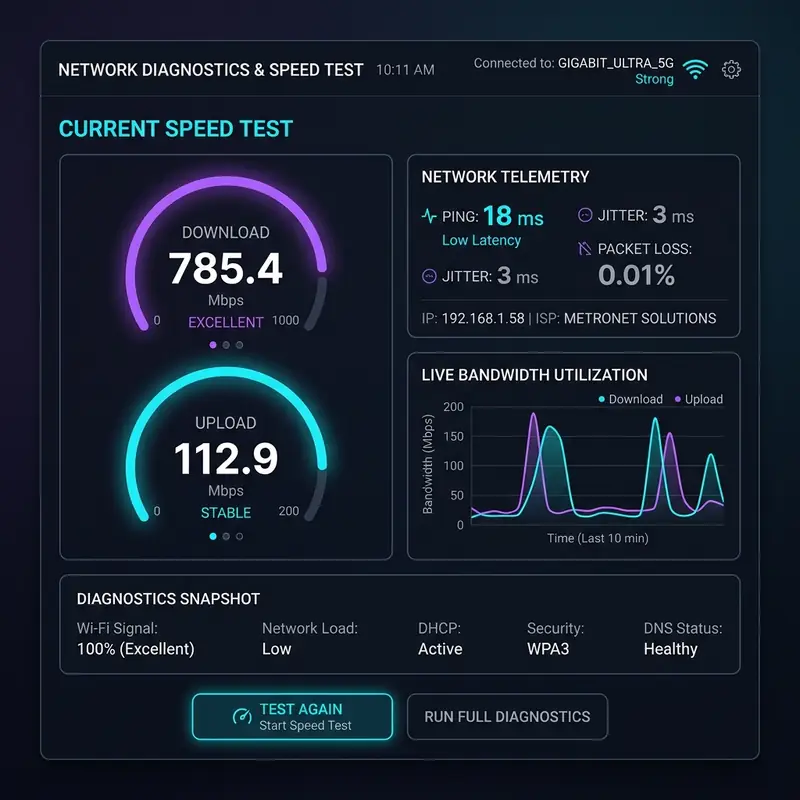
In addition to caching policies, understanding core networking metrics is vital for server performance tuning. Time to First Byte (TTFB) latency directly correlates with how quickly a server responds to a request.
A high TTFB can indicate issues with server processing speed or network speed, both of which need to be monitored closely. Tools such as ping and traceroute can help diagnose network issues affecting TTFB.
Similarly, server load should be continuously analyzed; an overloaded server can lead to significant slowdowns and degrade user experience.
Bandwidth allocation is another important factor to consider in performance tuning. By understanding and managing your server's bandwidth, you can prevent bottlenecks and ensure that your applications have the necessary resources to function effectively.
Monitoring tools can provide insights into bandwidth usage patterns, enabling you to make informed decisions about upgrades or optimizations as needed. A proactive approach to these metrics not only improves performance but can also lead to cost savings by identifying underutilized resources.
Finally, combining these elements into a cohesive performance strategy will yield the best results. Regular assessments of your caching policies, TTFB, server load, and bandwidth allocation will ensure that your Windows VPS hosting remains responsive and efficient. The goal should always be to achieve a balance between performance, resource utilization, and cost-effectiveness, facilitating a seamless experience for your users while maximizing the capabilities of your server infrastructure.
Robust Server-Side Cybersecurity Protocols: Configurations for SSL, IP Tables, and Firewalls

In addition to encryption, configuring IP tables is essential for establishing a robust firewall that controls incoming and outgoing traffic. IP tables act as a set of rules that dictate which traffic can access your server based on specified criteria.
For instance, you might want to block all incoming requests except those from specific IP addresses or ranges. This granular control can significantly reduce the attack surface of your server.
Regular audits of your IP table configurations should be conducted to adapt to changing security needs and to ensure that old rules do not leave your server exposed.
Furthermore, deploying a DDoS (Distributed Denial of Service) firewall is an effective strategy to combat potential attacks aimed at overwhelming your server. DDoS attacks can cause significant downtime, affecting your website's availability and reputation.
A DDoS firewall can detect and mitigate these threats by filtering out malicious traffic before it reaches your server. This proactive approach can help maintain service continuity, ensuring that legitimate users can access your resources without interruption.
In addition to these measures, configuring directory permissions is also important for maintaining server security. This involves setting appropriate access controls for files and directories within your hosting environment.
Limiting permissions to only those necessary for each user or application can minimize the risk of unauthorized access or modifications. For instance, a web server should be configured to allow write access only to specific directories, such as those used for uploads, while keeping sensitive configuration files read-only.
Regularly reviewing and updating these permissions can help prevent exploitation of outdated configurations.
As a final note, it’s important to stay informed about the latest cybersecurity trends and threats. Cybersecurity is an ever-evolving field, and staying ahead of potential vulnerabilities requires ongoing education and adaptation. By implementing these robust security protocols, not only do you protect your data but also build trust with your users, which is invaluable in today’s competitive online environment.
Understanding Hosting Limitations: Comparing Shared Servers, Dedicated Machines, and Cloud Solutions
In contrast, dedicated servers offer a more robust solution by providing exclusive access to all server resources. This not only enhances performance but also allows for greater customization of server settings and configurations.
However, dedicated machines come with higher costs and require a certain level of technical expertise to manage effectively. This makes them more suitable for businesses with specific performance requirements or those that need to run custom applications that cannot be accommodated on shared servers.
Cloud solutions, such as those provided by leading cloud providers, represent a middle ground between shared and dedicated hosting. They offer scalability and flexibility, allowing businesses to adjust resources according to demand without incurring the costs associated with dedicated servers.
However, cloud hosting can sometimes lead to complications, such as DNS propagation errors. These errors occur when changes to domain settings take longer to reflect across the internet, causing potential downtime or accessibility issues for users.
Understanding how DNS propagation works and monitoring changes can mitigate these risks.
Another consideration is database optimization traps that can arise during hosting transitions. When migrating from a shared to a VPS or dedicated setup, it is important to analyze and optimize your database configurations. Poorly optimized databases can lead to excessive load times and performance issues, regardless of the server environment. Regular database audits, including indexing and query optimization, can help ensure that your applications run efficiently on any hosting platform.
Finally, it’s essential to be aware of the Service Level Agreement (SLA) considerations that accompany different hosting solutions. An SLA outlines the expected uptime and performance guarantees provided by your hosting provider.
Understanding the terms of the SLA can help you set realistic expectations regarding your hosting environment's reliability and support. It can also inform your decision-making process, especially when evaluating the trade-offs between cost, performance, and service reliability.
Balancing these factors will enable you to select the most appropriate hosting solution that aligns with your business goals and technical requirements.